



Frequently Asked Questions about Heat Pumps
How do heat pumps perform in extremely cold temperatures?
Heat pumps work best in mild to moderate climates, and in very cold weather their capacity and efficiency can fall as it becomes harder to extract heat from outside air. Modern cold-climate models, however, are built with improved defrost controls and backup heat options (like electric resistance or supplemental heat strips) to maintain comfort in lower temperatures. If you live in a cold region, look for equipment rated for low-temperature operation and consider a system with reliable backup heat.
Can heat pumps be used for both heating and cooling?
Yes. Heat pumps reverse the refrigeration cycle to heat in winter and cool in summer, so a single system can replace separate heater and air-conditioner setups. That dual capability simplifies maintenance and can lower overall equipment and installation costs while providing year-round comfort.
What maintenance tasks should homeowners prioritize for heat pumps?
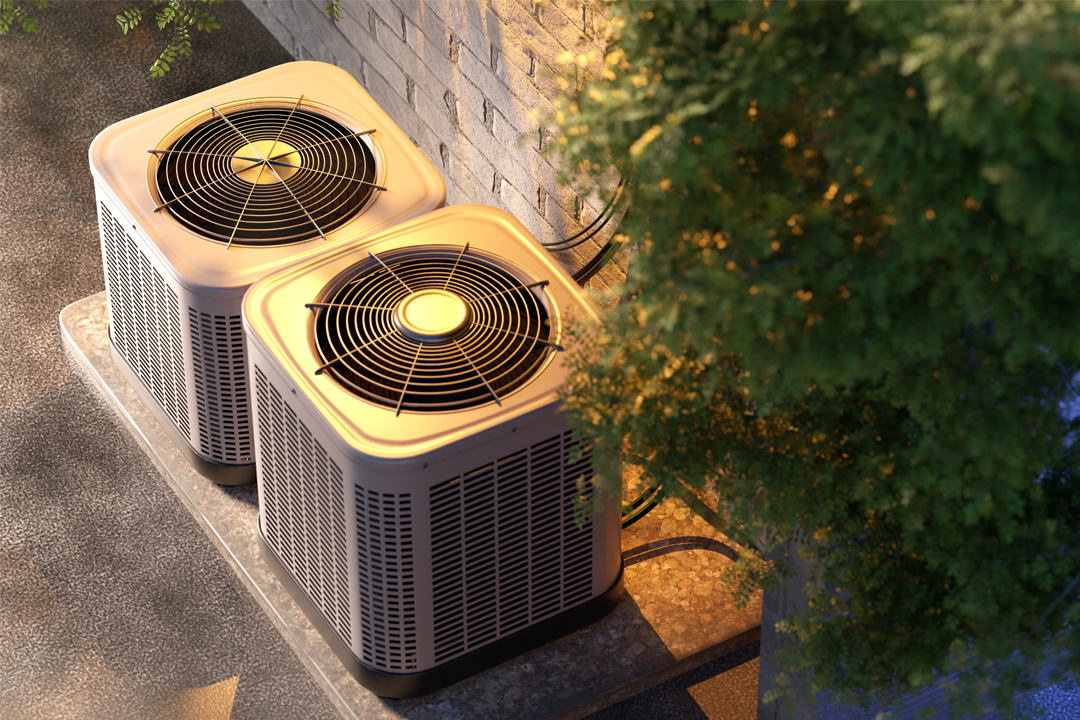
To keep a heat pump running efficiently, prioritize regular filter checks and replacements, keep the outdoor unit free of debris and vegetation, and inspect condensate drains for blockages. Additionally, schedule an annual professional tune-up to check refrigerant charge, electrical connections, and moving parts. These routine steps preserve performance and help avoid larger repairs down the line.
What are the signs that a heat pump needs repair?
Watch for unusual sounds (grinding, rattling), reduced heating or cooling output, frequent short cycling, and visible signs of refrigerant leaks. Any of these symptoms—or repeated tripping of breakers—warrants a professional diagnostic to find the underlying cause and restore reliable operation.
How do heat pumps compare to traditional HVAC systems in terms of cost?
Upfront, heat pump installation can cost more than a basic furnace or older HVAC equipment, but heat pumps usually deliver lower operating expenses because they use electricity more efficiently. Many models also qualify for rebates or incentives that lower the net installed cost. When evaluating options, weigh installation price against expected energy savings and available incentives to determine long-term value.
What factors should be considered when choosing a heat pump?
Choose a unit sized to your home’s load (a Manual J calculation is essential), compare efficiency ratings like SEER and HSPF, and decide on type—air-source, ground-source, or ductless mini-split—based on your layout and budget. Also factor in installation complexity, local climate, and any incentives that make higher-efficiency equipment more affordable.
What Are the Most Common Heat Pump Problems and How Can They Be Solved?
Most heat pump issues trace back to restricted airflow, refrigerant problems, electrical faults, or mechanical wear in components like the compressor, fans, and coils. These problems reduce capacity, create unusual noise, or cause abnormal icing and defrost cycles, all of which lower comfort and efficiency. Spotting the symptom—noisy operation, icing, refrigerant loss, or weak heating—helps homeowners perform safe, limited checks and decide whether professional service is needed.
Below is a short, practical list of top problems homeowners encounter and a one-line solution for each to help capture quick answers.
Common heat pump problems and quick homeowner checks:
- Noisy operation: Inspect for loose panels or outdoor debris and tighten any accessible fasteners.
- Icing or excessive frost: Check and replace dirty filters and remove obstructions around the outdoor unit before restarting.
- Refrigerant loss: Look for oily residue near connections and note persistent performance loss—call a technician for leak testing.
- Lack of heating/cooling: Verify thermostat settings, power at the breaker, and filter condition.
- Electrical tripping: Check breakers but avoid repeated resets; repeated trips usually require a professional electrical diagnosis.
These quick checks can solve many simple problems, but ongoing or recurring symptoms often indicate deeper mechanical, refrigerant, or electrical issues that need trained diagnostics and repair. Knowing the likely causes helps homeowners choose safe DIY steps or escalate to a professional.
What Causes Heat Pump Issues Like Noisy Operation, Icing, and Refrigerant Leaks?
Noisy operation often signals mechanical wear—worn fan bearings, a loose access panel, or motor alignment issues—and should be addressed before damage grows. Icing usually stems from restricted airflow across the coils, a failed defrost cycle, or low refrigerant charge that hampers heat exchange. Refrigerant leaks typically show gradual capacity loss and sometimes oily residue at fittings; handling refrigerant requires certified technicians and proper leak-detection tools. Homeowners can safely replace filters, clear debris, and visually inspect panels, but should not open refrigerant lines or attempt charging—leave that to licensed pros who can verify charge, test defrost controls, and identify worn parts for repair or replacement.
When Should You Call a Professional for Heat Pump Repair?
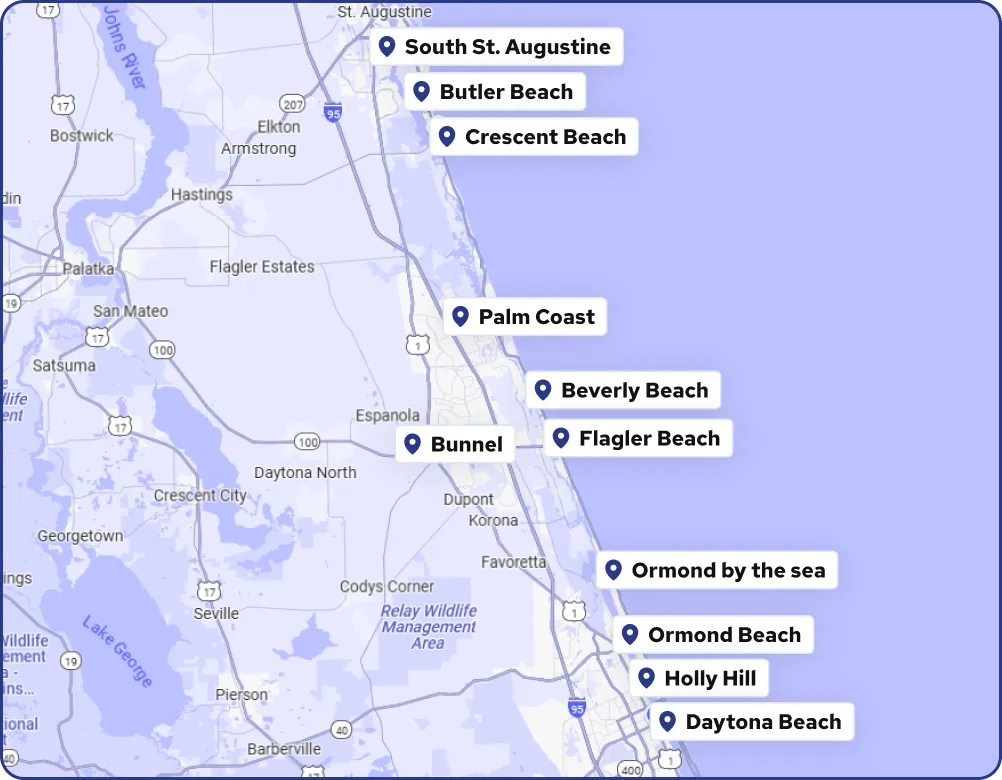
Contact a licensed technician when the issue involves refrigerant, persistent electrical faults, compressor problems, or performance losses that home checks don’t fix. Treat burning smells, repeated breaker trips, visible refrigerant leaks, or a compressor that won’t start as emergencies and seek prompt service. Non-emergency but important repairs include ongoing reduced capacity and persistent odd noises after basic troubleshooting. For homeowners in Flagler Beach, Daytona Beach, and Palm Coast who need fast diagnosis or mini-split repair and installation, calling a reputable local provider is the practical next step to restore reliable operation.
For fast service, Accu-Temp Heating and Air Conditioning provides local heat pump repair and installation and can dispatch technicians to diagnose complex problems and recommend repair or replacement. Their presence in Flagler Beach and nearby communities shortens response times for urgent issues and supports on-site assessments. When you call, have observed symptoms, unit age, and recent maintenance history ready—this helps prioritize diagnostics and speeds the repair process. Scheduling a technician ensures refrigerant, electrical, and compressor work is performed to code with the proper tools.
How Do You Maintain a Heat Pump to Ensure Optimal Performance and Longevity?

Good maintenance pairs simple homeowner tasks with an annual professional tune-up to keep a heat pump efficient and extend its service life. The main goals are to maintain proper airflow, verify refrigerant charge, control corrosion in coastal settings, and catch electrical or mechanical wear early. A predictable maintenance rhythm—monthly or seasonal homeowner checks plus a yearly technician inspection—reduces energy use and lowers the risk of emergency breakdowns. The sections below list homeowner-safe tasks and explain what a professional tune-up covers so you can see why both matter.
Essential homeowner maintenance checklist and recommended cadence:
- Check and replace filters monthly during heavy-use periods to preserve airflow.
- Keep the outdoor unit clear of leaves, grass clippings, and other debris—maintain about two feet of clearance.
- Inspect condensate drains and the pan for blockages and sanitize if needed to prevent water damage.
This short checklist preserves basic airflow and function, while an annual professional tune-up addresses deeper system health items.
What Are Essential Heat Pump Maintenance Tasks for Homeowners?
Homeowners can handle routine maintenance safely: manage or replace filters monthly during heavy seasons, check the outdoor unit for vegetation, bird nests, or salt buildup, and trim nearby plants to maintain airflow and reduce frost risk. Test the thermostat and run the system briefly in both heating and cooling modes to listen for unusual sounds. Always shut off power at the disconnect or breaker before cleaning, and don’t open panels or touch electrical components—leave those tasks to a trained technician.
How Do Professional Tune-Ups Improve Heat Pump Efficiency and Lifespan?
A professional tune-up typically includes coil cleaning, refrigerant charge verification, tightening electrical terminals, inspecting motors and fans, testing defrost controls, and measuring airflow. Those checks correct small problems before they become costly failures and restore manufacturer-recommended performance. Regular professional service can recover lost efficiency, improve seasonal output, and delay major replacements. Schedule tune-ups before peak seasons and ask about maintenance agreements that include priority scheduling and emergency support.
For maintenance scheduling and professional tune-ups, Accu-Temp Heating and Air Conditioning offers preventative visits and guidance tailored to coastal Florida conditions. Their technicians inspect corrosion-prone parts and adapt service plans for salt-air exposure and local humidity. Homeowners interested in routine tune-ups or a maintenance agreement can call to schedule and discuss service options that suit their system and property.
How Does Heat Pump Size, Type, and Location Influence Installation Costs?
Correct sizing via a Manual J calculation matches capacity to the home’s actual heating and cooling loads and prevents inefficiency. Mini-splits can reduce ductwork costs but may require multiple indoor units for whole-home coverage. Packaged and ground-source systems have different site needs that affect labor. Coastal Florida installs often require corrosion-resistant materials and elevated outdoor unit mounts to limit salt-air damage, which can add modest material or labor costs. Access restrictions, roof installs, and electrical upgrades are other site-specific factors that affect time and price, so a professional site assessment is essential for a reliable quote.
What Financing Options and Incentives Are Available for Heat Pump Installation in Florida?
As of mid-2024, homeowners should explore federal tax credits, state rebates, and utility incentive programs that support high-efficiency electric heat pump installations and electrification upgrades. Programs change over time and have eligibility rules, so verify current availability before bidding or purchasing equipment. Financing options commonly include contractor financing, home improvement loans, and energy-efficiency loan products that spread upfront costs. When moving from research to purchase, request a written estimate and ask the installer to include current incentives and financing options so you can compare net installed cost and payback timeline.
If you’d like a personalized cost estimate or help navigating incentives, contact Accu-Temp Heating and Air Conditioning to request a quote and discuss available financing and local incentives. Their team can perform on-site assessments, prepare written estimates, and explain program eligibility to help you determine whether a high-efficiency upgrade makes financial sense.
Installation FactorAttributeTypical InfluenceUnit typeInstallation complexityMini-splits generally lower for single-zone, geothermal higher due to ground workSystem sizeLabor and materialsLarger tonnage increases line-item costs and sometimes electrical upgradesSite locationAccessibility and corrosion riskCoastal sites may need additional corrosion mitigation and elevated mounts
This comparison clarifies which installation attributes most commonly affect final pricing and why quotes vary between homes.
How Efficient Are Heat Pumps and What Do Efficiency Ratings Like SEER and HSPF Mean?
Heat pump efficiency is expressed with seasonal and instantaneous metrics that indicate heating and cooling performance—higher numbers mean less energy use for the same comfort. SEER and SEER2 quantify seasonal cooling efficiency, while HSPF and HSPF2 describe seasonal heating performance. COP (coefficient of performance) measures instantaneous efficiency at a specific condition and is useful for comparing real-time output. Understanding these metrics helps homeowners compare models and estimate likely energy use and cost savings over the system’s life.
MetricDescriptionTypical Residential RangeSEER / SEER2Seasonal cooling efficiency14–24 (higher is more efficient)HSPF / HSPF2Seasonal heating performance7.7–10 (higher is better for heating)COPInstantaneous coefficient of performance2.5–4.0 (higher indicates better instantaneous efficiency)
This table translates abstract ratings into practical expectations for cooling and heating performance when comparing equipment.
What Are SEER, HSPF, COP, and Other Heat Pump Efficiency Ratings?
SEER (Seasonal Energy Efficiency Ratio) measures cooling output divided by energy input over a typical cooling season and indicates how efficiently a system cools. HSPF (Heating Seasonal Performance Factor) is the seasonal heating counterpart for heat pumps—higher HSPF values mean better heating efficiency. COP (Coefficient of Performance) describes instantaneous efficiency as heat output divided by electrical input at a defined condition; it’s helpful for comparing real-time performance at a given outdoor temperature. Newer metrics like SEER2 and HSPF2 reflect updated test procedures, but the principle is the same: higher numbers equal better seasonal efficiency.
How Can Heat Pumps Reduce Energy Bills and Environmental Impact?
High-efficiency heat pumps convert electricity into usable heating or cooling far more efficiently than resistance heat and can beat older fossil-fuel systems in mild climates, lowering both energy use and emissions. Real-world savings depend on proper sizing, quality installation, and regular maintenance, since performance hinges on system balance and refrigerant charge. Electrifying home heating with a modern heat pump eliminates onsite combustion emissions and reduces carbon footprint—especially when the electricity supply is cleaner. Homeowners should compare local energy rates and available incentives to estimate bill impacts and lifecycle costs.
How Long Do Heat Pumps Last and When Should You Consider Replacement?
Residential heat pumps typically last 10–15 years; with diligent maintenance and favorable conditions some reach 20 years or more. Regular professional tune-ups, timely component replacements, and protection from corrosive coastal conditions extend service life. When performance drops, weigh age, repair frequency and cost, and efficiency loss against the benefits of newer, higher-efficiency equipment. The checklist below gives practical signs that replacement may be the better option.
Key signs that indicate replacement may be preferable:
- Age over 15 years combined with frequent breakdowns that suggest imminent major component failure.
- Rising energy bills despite proper maintenance and recent repairs, indicating efficiency decline.
- Repeated compressor or refrigerant problems where repair costs approach the value of a replacement.
These indicators help homeowners decide when to request replacement quotes instead of continuing repairs.
What Are the Signs That Indicate It’s Time to Repair or Replace Your Heat Pump?
Decide between repair and replacement by weighing system age, repair frequency, and the extent of performance loss. Multiple major repairs in a short period usually point to replacement. If the unit is older than about 15 years and needs compressor work or repeated refrigerant repairs, replacement often delivers better long-term value and efficiency. Ask for written estimates that compare the immediate repair cost to an amortized replacement cost and factor in incentives that lower net installed price. A documented evaluation from a local professional will clarify the most cost-effective path.
How Do Heat Pumps Compare to Furnaces for Florida Homes?
In Florida’s generally mild climate, heat pumps are often a better fit than furnaces because they provide both efficient heating and cooling without onsite combustion. Heat pumps typically lower operating costs when electricity rates and fuel availability favor electric systems, and their combined function simplifies HVAC design. Furnaces may still be preferable in very cold climates or where natural gas is far cheaper, but for most Florida homes heat pumps offer better year-round efficiency and practical value. The best choice depends on existing infrastructure, fuel costs, and homeowner priorities like electrification and system simplicity.
What Are the Advantages and Disadvantages of Heat Pumps Versus Furnaces?
Heat pumps deliver heating and cooling in one system, offer strong seasonal efficiency in mild climates, and cut onsite combustion emissions—advantages for many Florida homeowners. Downsides can include higher initial equipment costs in some cases and the possible need for supplemental heat in extreme cold. Furnaces provide robust heat quickly in very cold weather and may be economical where natural gas is cheap, but they add complexity when paired with a separate AC system. Homeowners should weigh installation costs, available energy sources, and comfort priorities when choosing.
Conclusion
Heat pumps deliver efficient, year-round comfort and can significantly reduce a home’s environmental impact when chosen and maintained correctly. Understanding installation factors, routine maintenance, and efficiency ratings helps you make informed decisions that lower costs and improve comfort. If you want tailored advice or hands-on service, reach out to a local professional to evaluate your system and options. Start the conversation today to keep your home comfortable all year long.
Contact Us
Latest articles



Service Areas