


When Your Heat Pump Stops Working in Cold Weather
A heat pump not heating is a frustrating problem, especially during Florida’s cooler months. If you’re getting cold air instead of warmth, you need answers fast. Many issues have simple DIY solutions, while others require a professional.
Common reasons your heat pump won’t heat:
- Incorrect thermostat settings
- Clogged air filter
- Tripped circuit breaker
- Ice or debris on the outdoor unit
- Low refrigerant from a leak
- Failed reversing valve
- Broken auxiliary heat strips
Before troubleshooting, it’s important to know that heat pumps work differently than furnaces. They produce air between 85-93°F, which can feel cool compared to your 98.6°F body temperature. This lukewarm air is often normal and not a sign of a malfunction.
However, serious issues like refrigerant leaks, compressor failure, or electrical problems need a trained technician. This guide will help you identify simple fixes and know when to call for expert help.
First, Understand How Your Heat Pump Heats
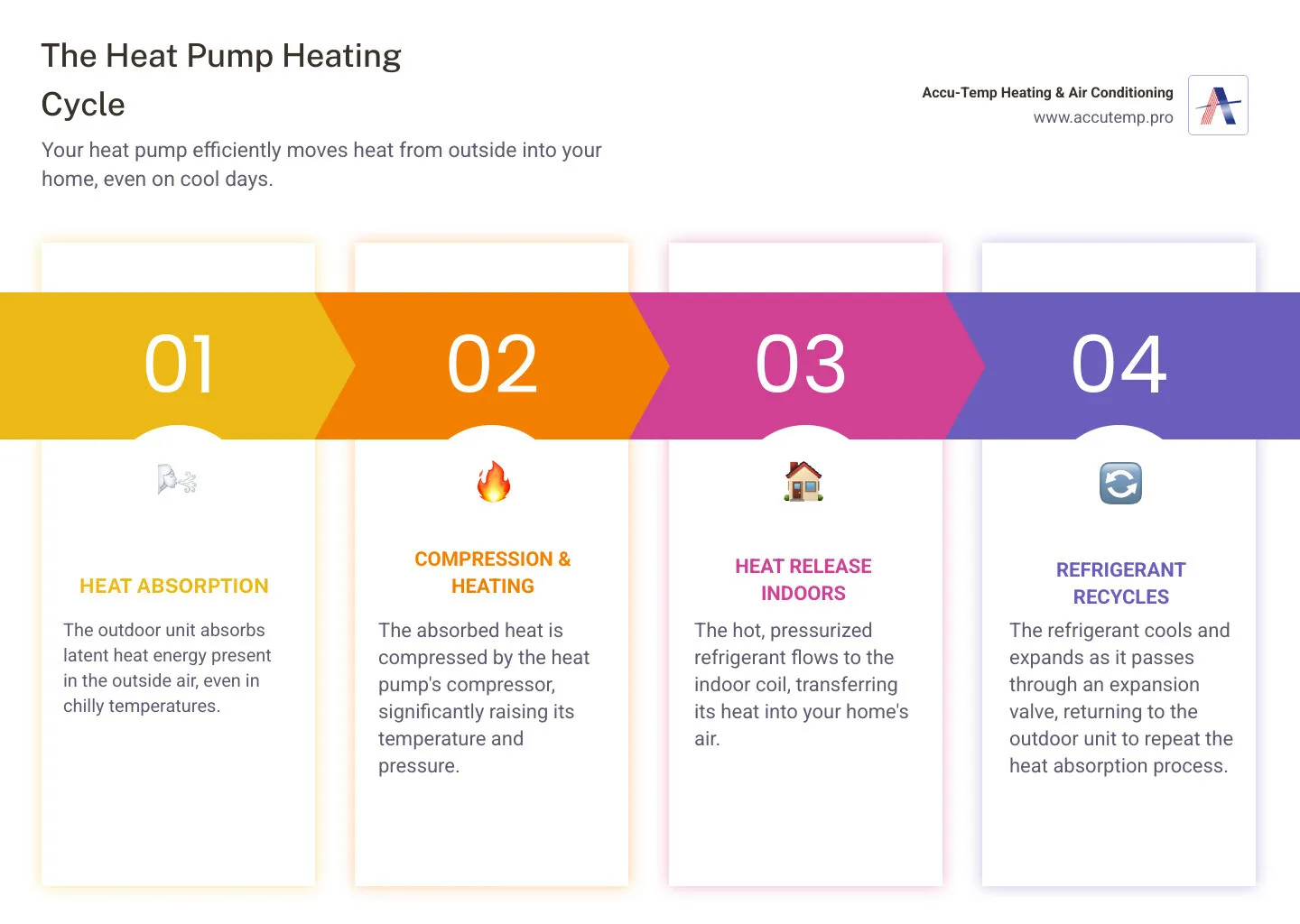
Before troubleshooting a heat pump not heating, it’s helpful to know how it works. Unlike furnaces that burn fuel, heat pumps move heat. Using a refrigeration cycle, they extract heat from the outside air—even when it’s cold—and transfer it into your home. This heat transfer process is highly efficient.
One key thing homeowners should know is that the air from a heat pump vent is typically 85-93 degrees Fahrenheit. Since this is cooler than your body temperature, it can feel lukewarm. If your home is maintaining its temperature, this is normal operation. Many service calls can be avoided by understanding this simple fact. For more details, see our Homeowner’s Guide to Residential Heat Pumps.
What is the Defrost Mode?
If you feel temporary cold air from your vents, your system might be in defrost mode. As your heat pump works, ice can form on the outdoor coils, blocking airflow. To melt it, the system briefly reverses, sending warm refrigerant outside. You might hear a whooshing sound and see water drain from the outdoor unit. This cycle is normal, lasts only a few minutes, and helps your system run efficiently. Learn more about this in our article: Why Heat Pumps Blow Lukewarm Air.
What is a Reversing Valve?
The component that lets your heat pump both heat and cool is the reversing valve. It controls the direction of the refrigerant. When you switch from heat to cool on your thermostat, this valve redirects the flow, either bringing heat indoors or moving it outdoors. If this core component fails or gets stuck, your heat pump not heating problem could be because it’s stuck in cooling mode. If you’re weighing your options, our guide on AC or Heat Pump? can help.
Simple DIY Checks Before You Call for Help
When your heat pump not heating leaves you cold, don’t panic. Many common issues have simple solutions you can handle yourself, potentially saving you a service call. Before picking up the phone, walk through these easy troubleshooting steps. For more guidance, see our Expert Tips for Troubleshooting Heat Pump Issues.
1. Check Your Thermostat Settings
This simple check often solves the problem. Make sure your thermostat is set to “HEAT” mode and the temperature is set higher than the current room temperature. Also, set the fan to “AUTO,” not “ON.” If the fan is set to “ON,” it will blow air constantly, even when the system isn’t heating, making the air feel cool. Finally, check if the thermostat needs new batteries. Incorrect thermostat settings are a frequent cause of heating issues.
2. Inspect the Air Filter
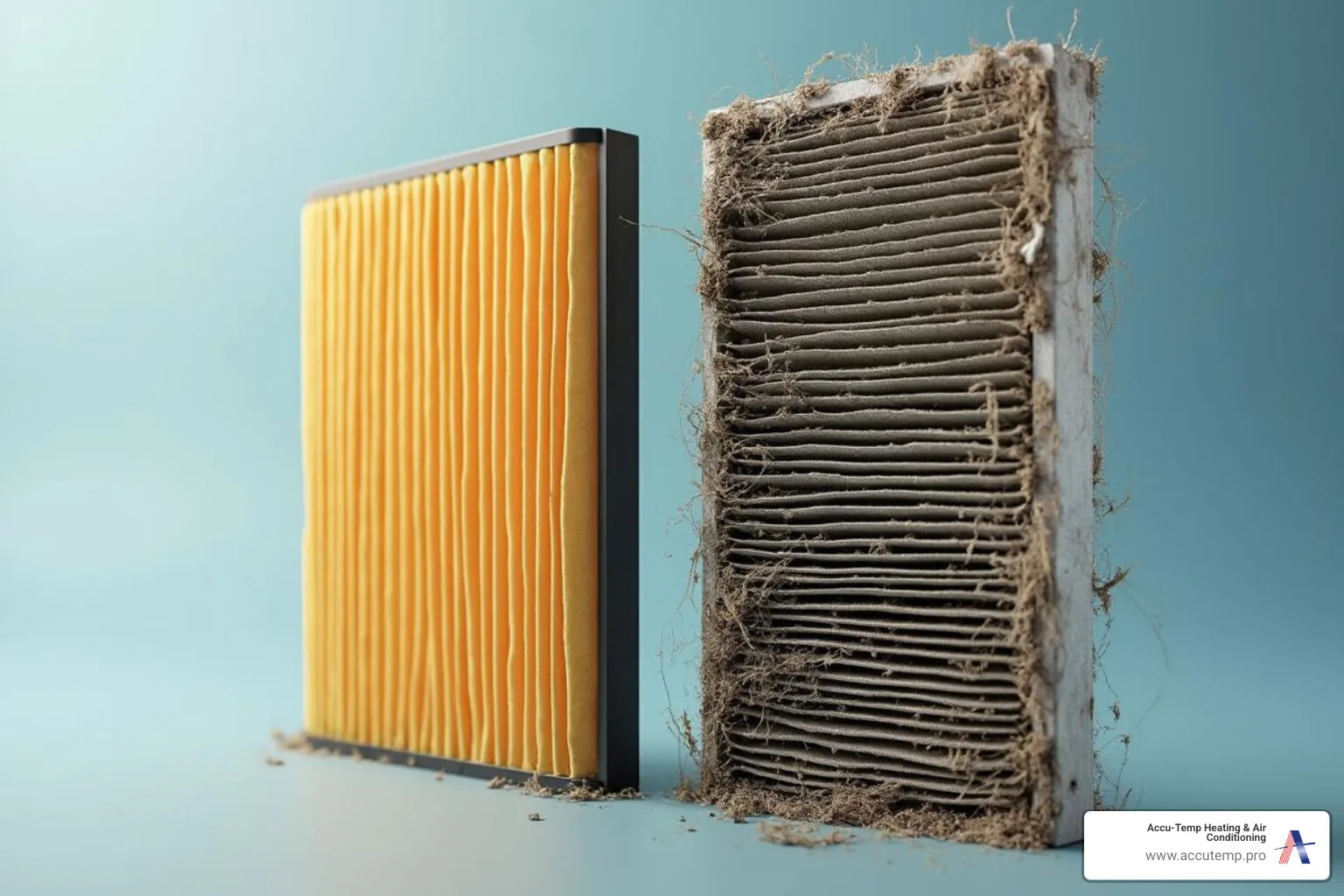
A dirty air filter is a top reason for a heat pump not heating effectively. It restricts airflow, forcing your system to work harder and less efficiently. This can cause the system to overheat and shut down or even lead to a frozen indoor coil. Check your filter monthly and replace it every 1-3 months. This quick, cheap fix can dramatically improve performance. For more on proper system care, see our Heat Pump Maintenance Guide.
3. Check for Tripped Breakers or Blown Fuses
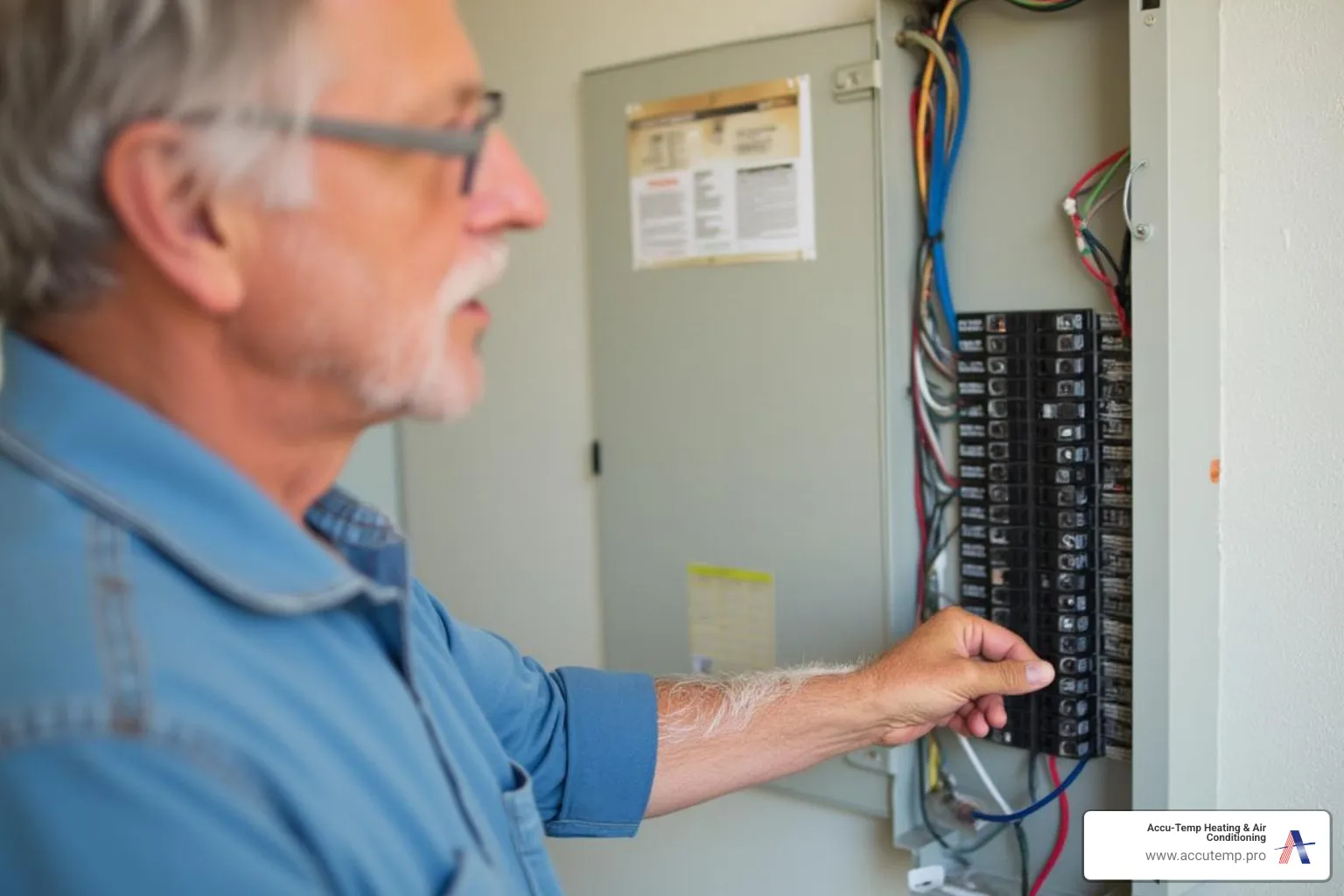
Your heat pump needs power to work. Go to your electrical panel and look for breakers labeled “HVAC,” “Air Handler,” or “Heat Pump.” If a breaker is tripped (in the middle or “OFF” position), flip it firmly to “OFF” and then back to “ON.” If the breaker trips again right away, it signals a more serious electrical problem that needs a professional.
4. Examine the Outdoor Unit
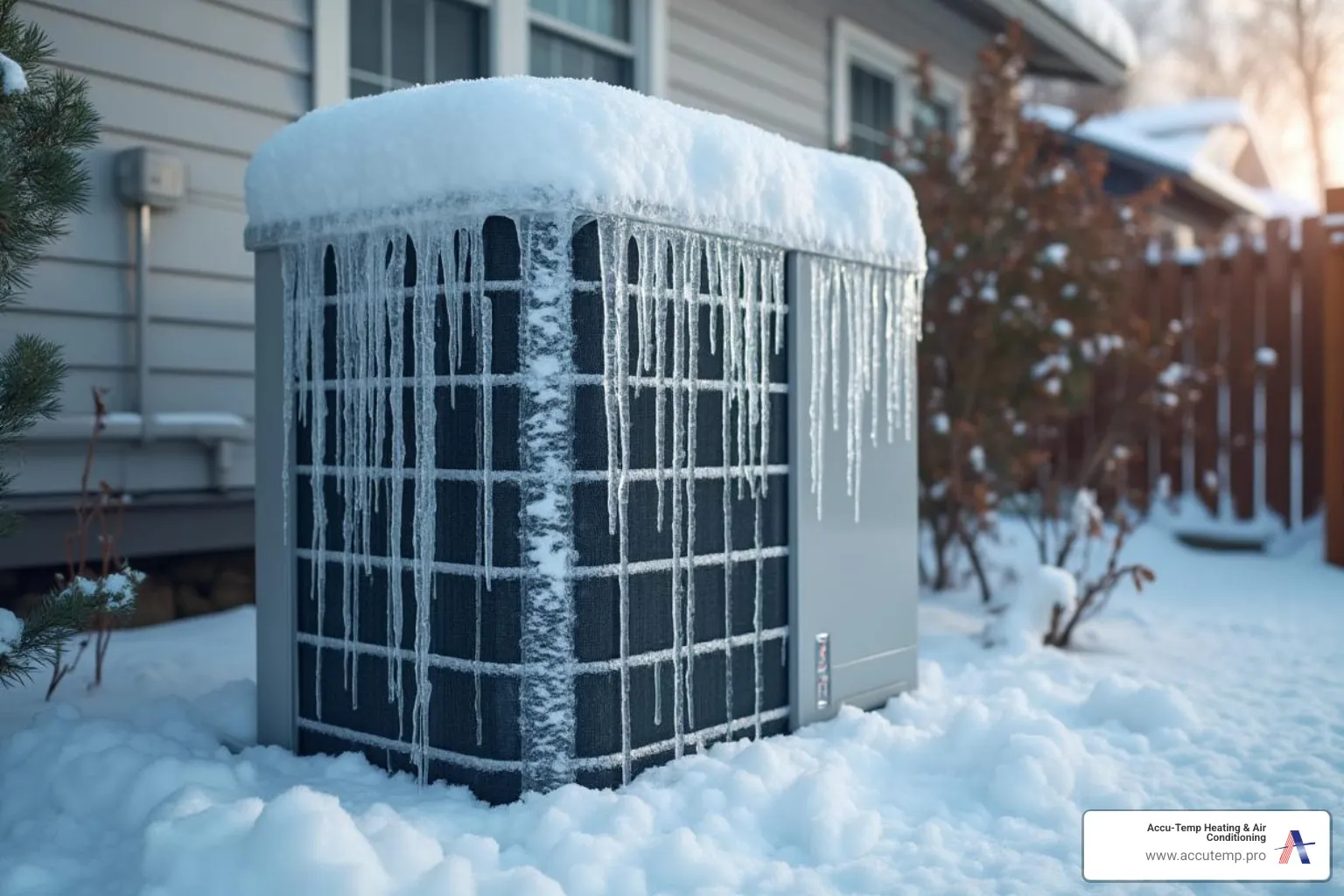
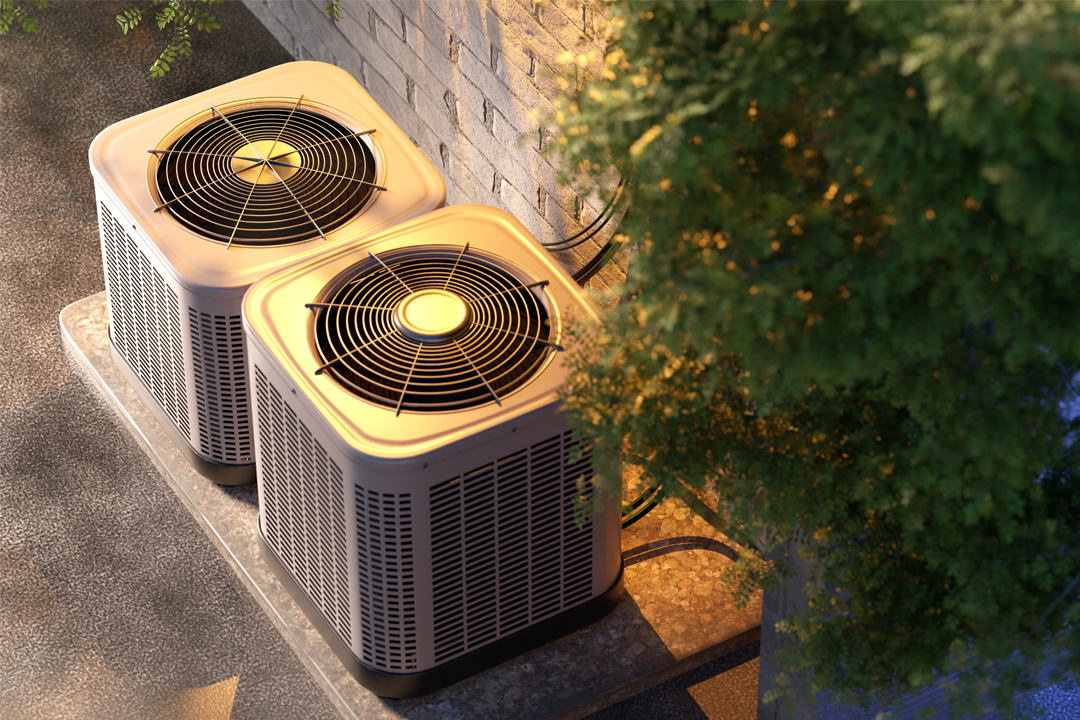
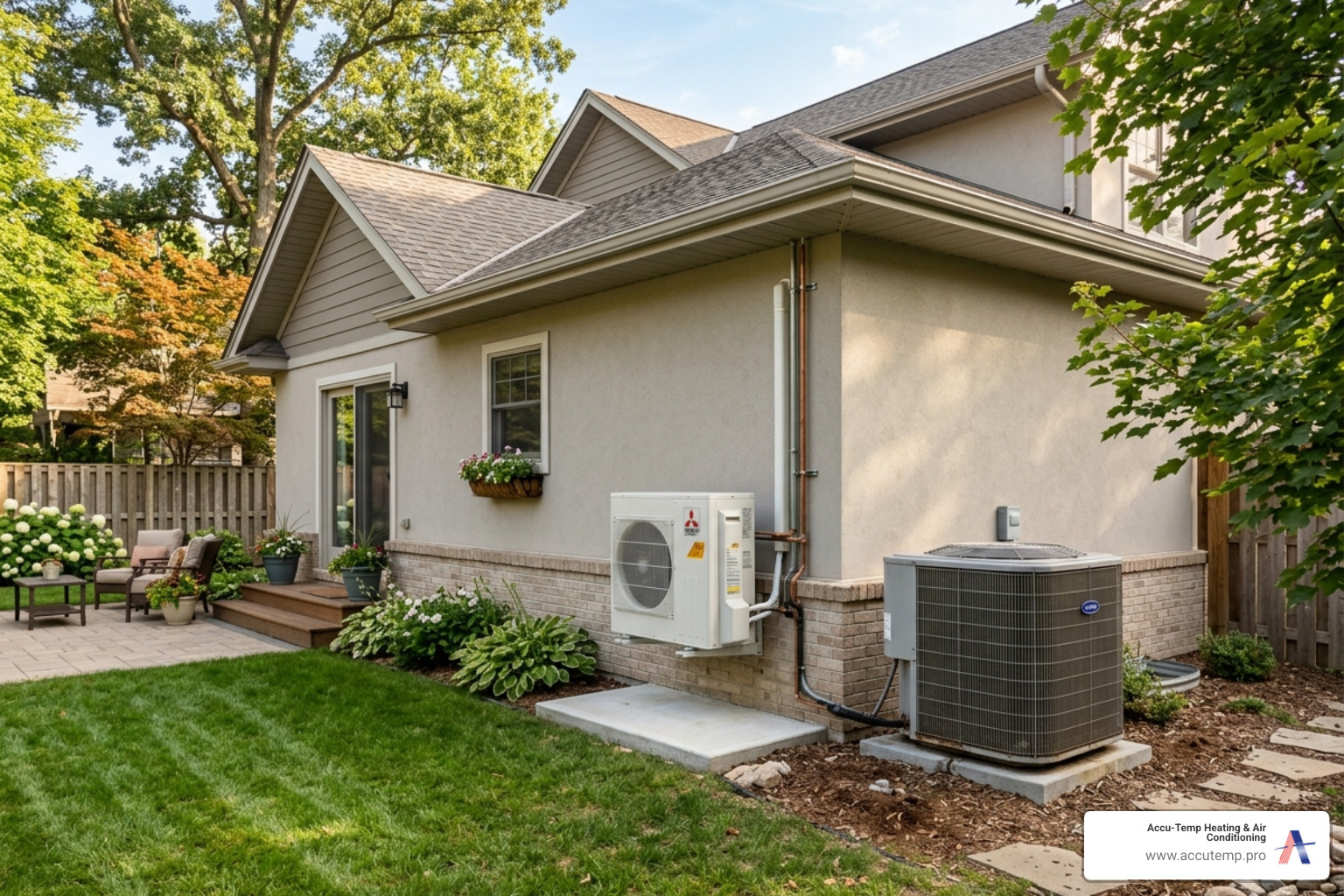
Your outdoor unit can’t pull heat from the air if it’s blocked. Ensure there are at least two feet of clearance around the unit, and clear away any leaves, twigs, or other debris. In winter, gently remove any heavy snow or ice buildup. You can pour lukewarm (not hot) water to melt thick ice, but never use sharp objects that could damage the coils. A dirty or obstructed outdoor unit severely hinders performance.
Why Your Heat Pump is Not Heating: Common Causes Requiring a Pro
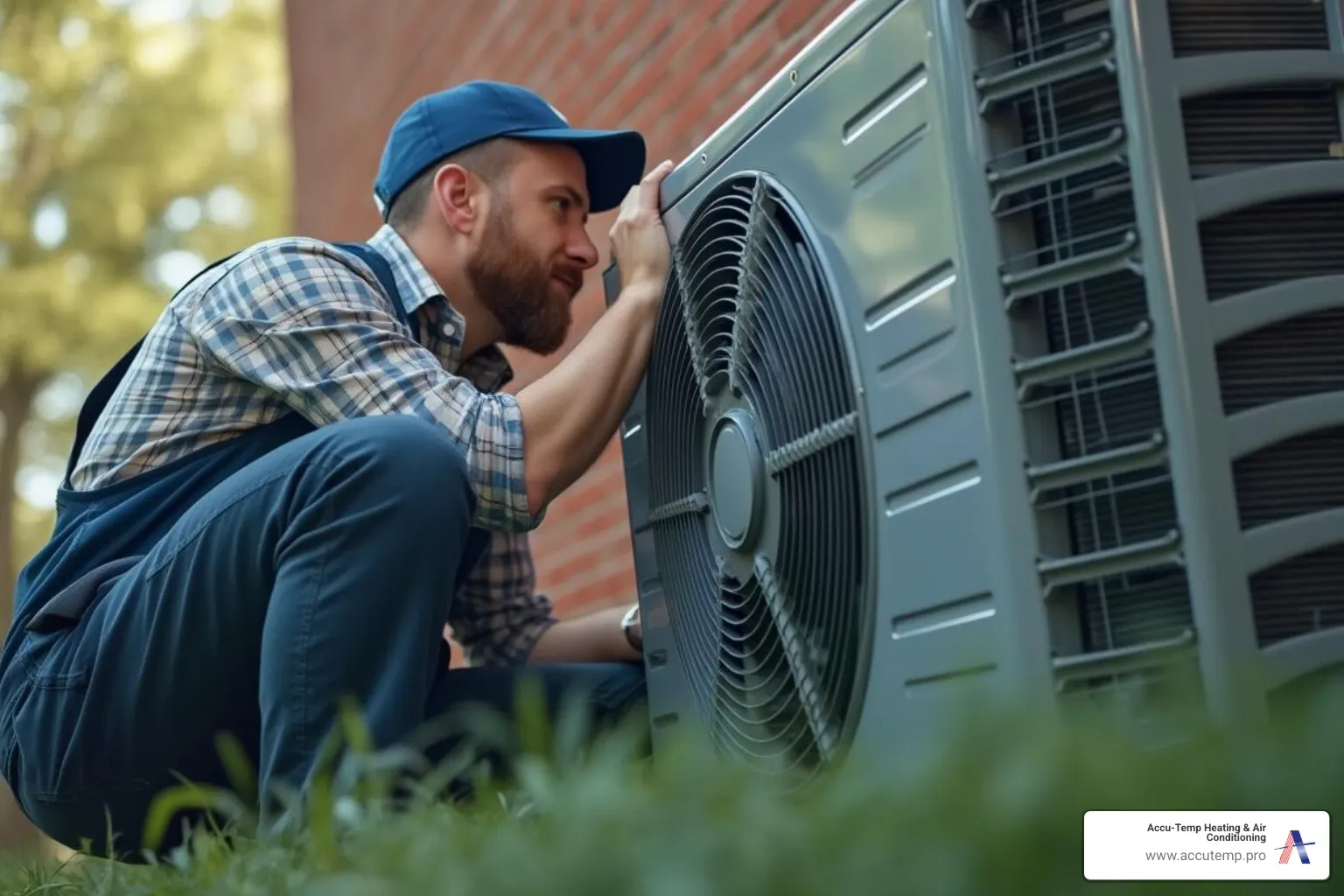
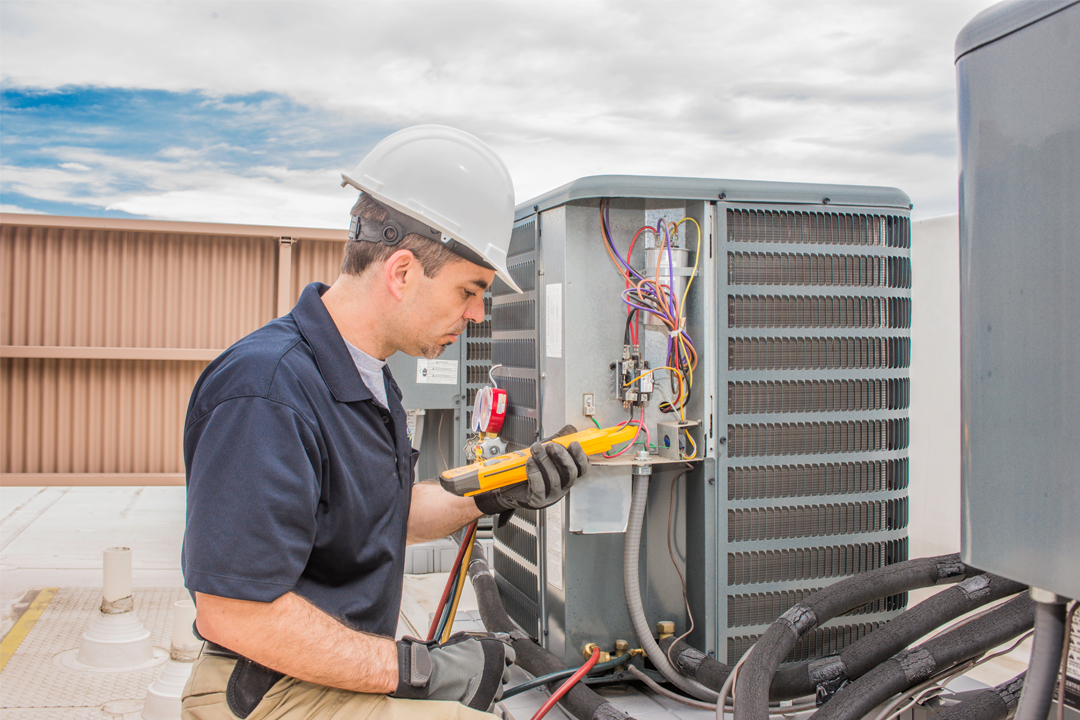
If the simple fixes don’t work, it’s time to call a professional. Complex issues involving internal components, electrical systems, and refrigerants require specialized tools and knowledge to repair safely. Trying to fix these yourself can be dangerous and lead to more costly damage. For a professional diagnosis, explore our Expert Heat Pump Repair services.
Advanced Issues Causing a Heat Pump Not Heating Problem
When DIY checks fail, the culprit could be one of several advanced problems:
- Reversing valve failure: The valve that switches between heating and cooling can get stuck, leaving you with cold air in the winter.
- Compressor problems: The compressor is the heart of your system. If it fails, you may hear grinding noises or find it can’t move heat effectively.
- Capacitor or motor failures: Capacitors help start the motors. If one fails, the fan or compressor motor won’t run.
- Control board malfunctions: A faulty electronic control board—the system’s “brain”—can cause erratic behavior or prevent the unit from starting.
Diagnosing these issues requires a trained technician. For more information, see our guide to Troubleshoot Common Heat Pump Errors.
Signs of a Refrigerant Leak
Refrigerant is essential for heat transfer. It’s in a closed loop and should never run low unless there’s a leak. Signs include:
- Hissing or gurgling sounds from the indoor or outdoor unit.
- Frozen refrigerant lines or ice on the indoor coil.
- Reduced heating capacity, where the system runs constantly but doesn’t warm the house.
- Oily residue around refrigerant line connections.
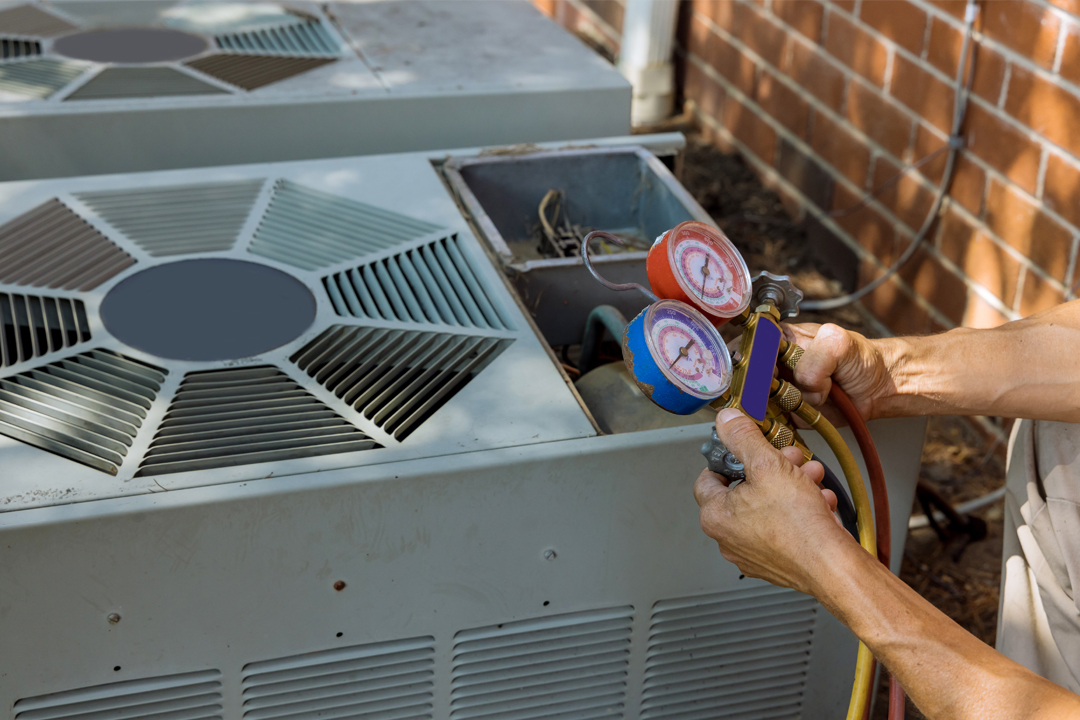
Refrigerant is a hazardous material, and a leak requires a professional to safely locate and repair it. Learn more about Common Heat Pump Refrigerant Issues.
Malfunctioning Auxiliary Heat Strips
During Florida’s colder days, your heat pump uses auxiliary heat strips (or emergency heat) for an extra boost. These electric coils turn on automatically when the heat pump can’t keep up on its own or during a defrost cycle. If these strips malfunction due to a bad relay, wiring issue, or burned-out element, you’ll lose that crucial backup heat. Your home will feel chilly, and the heat pump may run constantly trying to reach the set temperature. If you suspect your system is running nonstop, it could be an issue with the auxiliary heat. Learn more here: Why Heat Pump Won’t Stop Running.
Frequently Asked Questions About Heat Pump Heating Issues
We hear many questions from homeowners when their heat pump not heating becomes a concern. Here are answers to the most common ones.
Why is my heat pump blowing cold air when the heat is on?
This is a common worry, but it often has a simple explanation:
- Defrost Cycle: The most likely reason. Your heat pump is temporarily melting ice from its outdoor unit. This is normal and only lasts a few minutes.
- Incorrect Thermostat Settings: Check that the system is set to “HEAT” and the fan is on “AUTO.”
- Low Refrigerant: A leak can prevent the system from transferring enough heat, resulting in cool air. This requires a professional repair.
- Failing Reversing Valve: The valve could be stuck in cooling mode. A failing reversing valve can be the culprit.
- Short Cycling: If the system turns on and off too quickly, it may not run long enough to produce warm air. See our guide on Heat Pump Short Cycling: Top Causes.
Can a heat pump work in very cold Florida weather?
Yes. Modern heat pumps are highly efficient and designed to extract heat from the air even when temperatures drop near or below freezing. Florida’s climate is ideal for heat pump technology. For the rare, very cold days, most systems have built-in supplemental electric heat strips that provide backup heat to ensure your home stays comfortable. Proper system sizing is key to efficient performance in any weather.
How can I prevent my heat pump from breaking down in the winter?
Proactive care is the best way to avoid a heating failure. The most important steps are:
- Regular Professional Maintenance: An annual tune-up in the fall can catch small issues before they become big problems.
- Consistent Filter Changes: A clean filter ensures proper airflow and efficiency. Change it every 1-3 months.
- Keep the Outdoor Unit Clear: Remove leaves, debris, and snow from around the unit to maintain airflow.
- Pay Attention to Your System: If you notice strange noises or a drop in performance, address it early.
Regular care is the key to a reliable system. Learn about the Regular Heat Pump Service Benefits.
Stay Warm with Preventative Care and Expert Repair
When your heat pump not heating leaves you shivering, remember the simple troubleshooting steps. Always start by checking your thermostat settings, inspecting the air filter, resetting tripped breakers, and clearing the outdoor unit. These basic checks resolve many common issues and can save you a service call.
However, if you’ve tried these steps and the problem persists, it’s time to call the professionals. Issues like refrigerant leaks, a faulty reversing valve, or compressor problems require the expertise and tools of a certified HVAC technician. Attempting these repairs yourself can be dangerous and cause more damage.
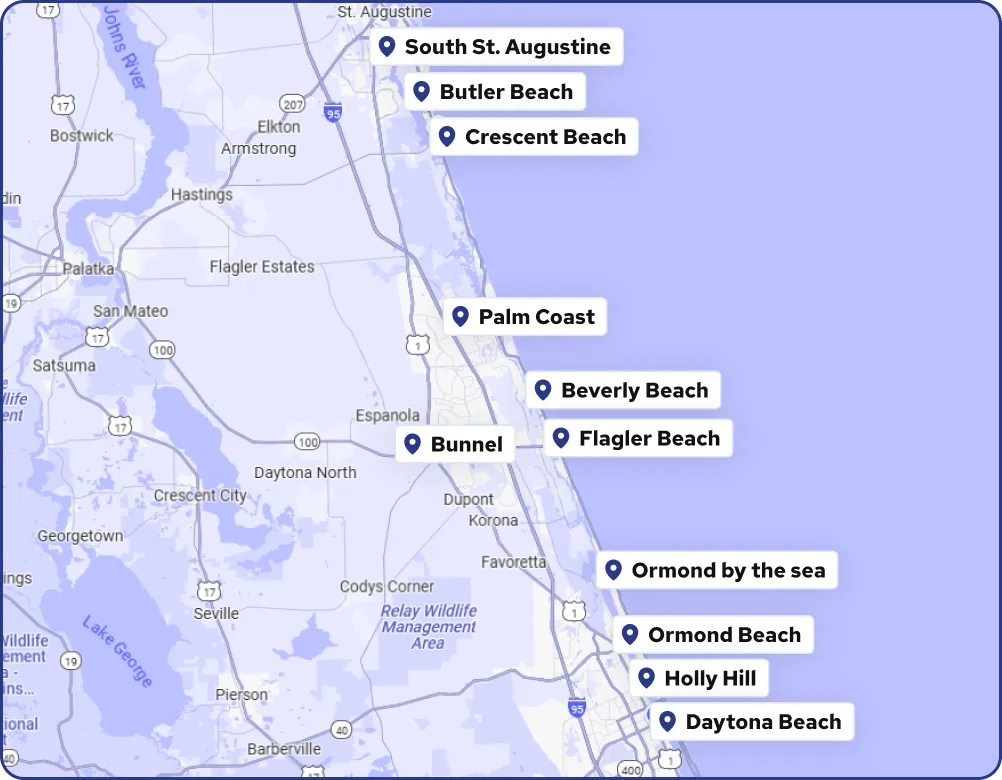
At Accu-Temp Heating & Air Conditioning, we are a family-owned provider serving the Palm Coast to Daytona Beach area. We offer comprehensive residential and commercial HVAC solutions with a 100% satisfaction guarantee. From Flagler Beach to Ormond Beach and South St. Augustine, our team is ready to help.
The best way to avoid heating emergencies is with regular preventative maintenance. An annual tune-up ensures your system runs efficiently and reliably all winter. Don’t wait for a breakdown to happen. For expert heat pump and AC repair in Palm Coast, FL, contact us today! Investing in maintenance is the key to lasting heat pump performance.
Contact Us
Latest articles

Service Areas