
Immediate Service Offerings and Quick Install Times
When you commit to upgrading your electrical service, you are investing in the immediate reliability of your home’s infrastructure. The primary goal of a service upgrade is to replace obsolete hardware with modern equipment capable of handling higher amperage loads. Many older homes in Flagler Beach still operate on 60-amp or 100-amp service, which is insufficient for today’s households running central air conditioning, electric vehicles, and high-end electronics.
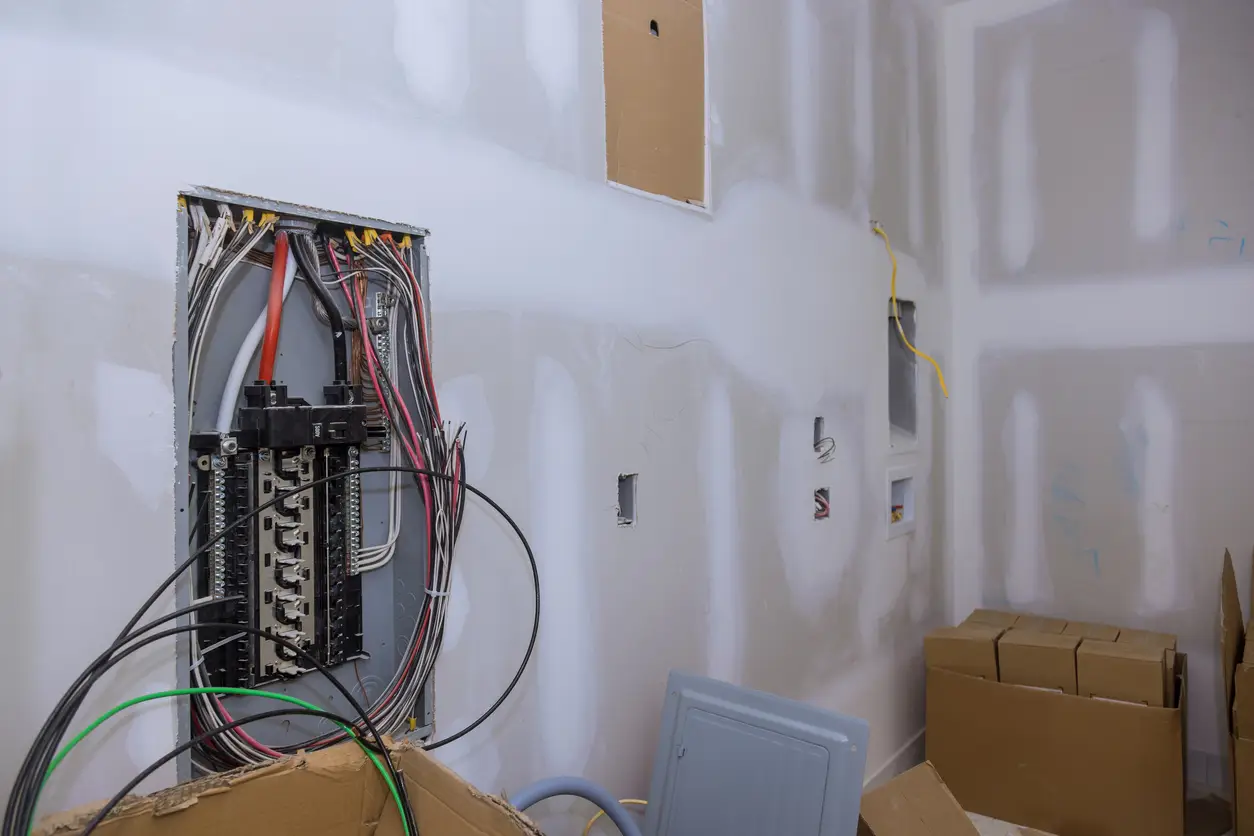
A standard upgrade typically involves transitioning to a 200-amp service. This increase allows your electrical system to breathe, preventing the voltage drops that damage sensitive electronics. The scope of work includes the removal of the old breaker box, the installation of a new enclosure, new circuit breakers, and often a new meter socket and entrance cable to match utility company specifications.
Time is a critical factor when dealing with electrical work. We understand that being without power is disruptive. Therefore, the upgrade process is designed for efficiency. Most residential panel upgrades are completed within a single day. The work begins early in the morning with the coordination of the utility provider to disconnect power, followed by the immediate swap of the panel, and concludes with inspection and reconnection by late afternoon.
You receive a completely labeled system, ensuring that every switch in your home is identified. This eliminates the guessing game when you need to shut off power to a specific room. Furthermore, modern panels come equipped with superior grounding systems and options for whole-home surge protection, a vital feature given Florida’s frequent lightning storms.
Your Upgrade Process: From Evaluation to Installation
A professional panel upgrade follows a strict, safety-focused protocol. We do not cut corners, as electrical work requires precision and adherence to strict engineering standards. The process is transparent, allowing you to understand exactly what is happening with your home’s power supply:
- Initial Load Calculation: The process begins with a detailed load calculation. This determines the total electrical demand of your home based on the square footage and the appliances you use. Technicians assess your HVAC units, water heaters, kitchen appliances, and any planned additions like pool pumps or EV chargers. This data dictates the size of the panel required to operate your home safely without overloading the system.
- Utility Coordination and Disconnect: Before any physical work begins, coordination with the local utility provider (such as FPL) is handled on your behalf. Permits are pulled, and an appointment is set for the power company to disconnect the service feed. This ensures the environment is safe for technicians to remove the old equipment.
- Removal and Preparation: The existing panel is carefully removed. Technicians inspect the wiring entering the box to check for signs of heat damage, fraying, or insulation breakdown. If the existing service entrance cable is deteriorated—common in coastal areas due to salt air—it is replaced. The mounting surface is prepared to ensure the new panel sits flush and secure.
- Installation and Circuit Integration: The new panel housing is mounted, and the grounding system is updated to meet current code requirements. This often involves driving new ground rods into the earth or bonding to the cold water pipe. Individual branch circuits are then re-connected to new breakers. This is a meticulous step where wires are organized, trimmed, and torqued to manufacturer specifications to prevent arcing.
- Labeling and Testing: Once all connections are made, the system is energized and tested circuit by circuit. Technicians verify that voltage is stable and that there are no shorts or ground faults. The panel schedule is written out clearly, so you know exactly which breaker controls the kitchen, the master bedroom, or the AC unit.
- Final Inspection and Reconnection: A municipal inspector reviews the work to ensure it meets all safety codes. Upon passing inspection, the utility company is authorized to permanently reconnect the power, restoring service to your upgraded home.
Deciding on Upgrade vs Repair: What You Need to Know
Homeowners often hesitate between repairing a malfunctioning breaker and replacing the entire panel. While a repair might seem cost-effective in the short term, it often serves as a bandage on a much larger issue. Understanding when a full replacement is technically necessary helps avoid wasted money on temporary fixes that do not address the root cause of electrical instability:
- Age and Brand Considerations: If your home was built between the 1950s and 1980s, check the brand of your electrical panel. Specific brands, such as Federal Pacific Electric (Stab-Lok) or Zinsco, have documented design flaws that can cause breakers to fail to trip during an overload. In these cases, repair is not a safe option; the hardware itself is a liability. If your panel is over 25 years old, internal components may have degraded to the point where they no longer function reliably, making replacement the only responsible choice.
- Signs of Physical Degradation: Physical damage is a clear indicator that repair is insufficient. If you notice rust on the panel enclosure or the breakers themselves, moisture has compromised the system. In coastal regions like Flagler Beach, salt air corrosion is a relentless enemy of outdoor electrical equipment. Rust increases resistance, which creates heat. If you hear buzzing sounds, smell burning plastic near the panel, or see scorch marks on the bus bar, the panel has suffered internal damage that cannot be spot-repaired.
- Capacity Limitations: Repairing a panel does not increase its capacity. If your lights flicker every time the air conditioner kicks on, or if you have to turn off one appliance to use another, your panel is maxed out. Adding “tandem” breakers (two circuits in one slot) to an already full panel is a common but dangerous workaround that can violate code and overheat the bus bar. If you are planning home renovations, adding a hot tub, or installing a modern HVAC system, a panel upgrade is technically required to support the new load.
- Safety and Insurance: Many insurance carriers are now refusing to write or renew policies for homes with outdated electrical services (like fuse boxes or 60-amp panels). Replacing the panel satisfies insurance requirements and ensures your policy remains valid. A repair will not change the amperage or the safety rating of the service, leaving you potentially uninsurable.
Compliance and Permits: Staying Ahead of Local Standards
Electrical work in Florida is heavily regulated, and for good reason. The combination of high humidity, storm activity, and heavy air conditioning loads creates a unique environment that demands strict adherence to safety codes. When upgrading a panel in Flagler Beach, navigating the permitting process is not optional; it is a legal requirement that protects your property value and liability:
- Permitting Requirements: Local building departments require a permit for any electrical service change-out. This process ensures that a neutral third-party inspector verifies the work quality. The inspection checks for proper wire sizing, correct grounding, and the installation of Arc Fault Circuit Interrupters (AFCIs) and Ground Fault Circuit Interrupters (GFCIs) in required areas. Skipping this step can result in fines, forced removal of work, and complications when selling your home.
- Utility Company Standards: Local utility providers have their own set of requirements regarding meter socket placement and height. Modern standards often require a bypass lever in the meter socket, which allows the utility to service the meter without cutting power to the house. An upgrade project ensures your connection point meets these current utility specifications, preventing service delays during future maintenance.
- Seasonality and Weather Considerations: Florida’s wet season creates specific challenges for electrical systems. Water intrusion is the leading cause of panel failure in the region. During an upgrade, we focus heavily on weatherproofing the service entrance. This includes using watertight fittings, weather-heads, and proper sealants where the cable enters the structure. For outdoor panels, stainless steel or NEMA 3R rated enclosures are recommended to resist corrosion from the salt air prevalent in coastal communities.
- Surge Protection Integration: With the frequency of lightning strikes in the area, the NEC now requires surge protection devices (SPDs) for all new service replacements. These devices are installed directly into or adjacent to the new panel and act as a gatekeeper, diverting excess voltage from lightning or grid spikes into the ground before it can damage your appliances. This is a standard part of compliance for modern upgrades.
Why Choose Us: Local Expertise and Reliable Outcomes
Selecting the right contractor for your electrical upgrade is a decision that impacts the safety of your home for decades. We approach every project with a focus on technical excellence and long-term reliability. Our team is not just replacing parts; we are engineering a power solution tailored to the specific demands of your household and the local climate:
- Technical Proficiency: We employ licensed technicians who specialize in service upgrades. This specialization means our team is efficient at diagnosing load issues and executing complex change-outs without unnecessary delays. We stay updated on the latest amendments to the National Electrical Code and local amendments specific to Flagler Beach, ensuring your installation is compliant the moment it is energized.
- High-Quality Materials: We utilize only copper bussing and top-tier breaker panels known for their durability and conductivity. We avoid using aluminum wiring for branch circuits and ensure that any existing aluminum service entrance cables are treated with antioxidant compounds to prevent corrosion. Every component installed is selected for its ability to withstand high heat and humidity.
- Customer-Centric Execution: We respect your property. Our process includes using drop cloths, wearing shoe covers, and leaving the workspace cleaner than we found it. We handle all logistics, from permit applications to scheduling inspections, providing you with a turnkey experience. You will never be left wondering about the status of your project or the safety of your power.
Accu-Temp Heating and Air Conditioning is committed to delivering electrical solutions that secure your home and power your life.