

Comprehensive Electrical Services Available Today
When electrical systems fail, the disruption to your daily life is immediate. You lose the ability to cool your home, cook food, or work remotely. More importantly, flickering lights or buzzing outlets often signal deeper, more dangerous issues behind the drywall. Accu-Temp Heating and Air Conditioning provides a full spectrum of electrical solutions designed to address these problems at the source, ensuring your infrastructure is capable of handling modern energy demands.
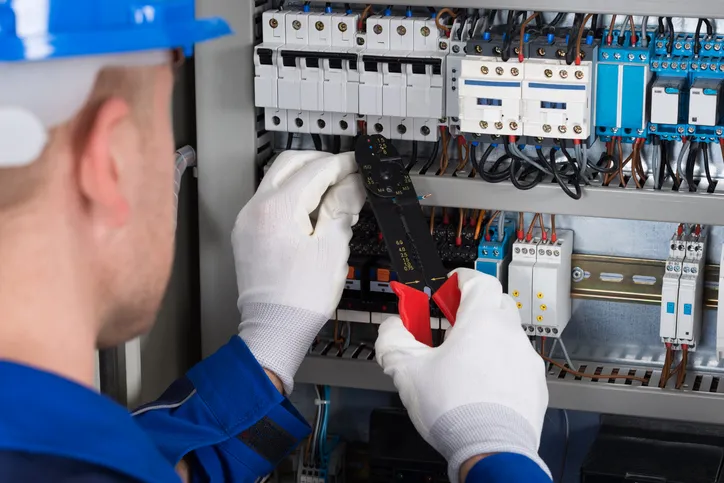
The scope of service covers everything from minor fixture repairs to whole-home rewiring projects. Licensed electricians arrive equipped to handle high-voltage concerns, low-voltage lighting, and complex panel architecture. The goal is to ensure that when a switch is flipped, the result is consistent, safe power delivery.
- Emergency Troubleshooting: Rapid identification of faults causing power loss, tripping breakers, or intermittent outages.
- Panel Upgrades and Replacements: swapping out obsolete fuse boxes or underpowered breaker panels to support modern appliances and HVAC systems.
- Whole-Home Surge Protection: Installation of hardwired defense systems to protect electronics from lightning strikes and grid surges common in Florida.
- Lighting Solutions: Installation of recessed lighting, security floodlights, and landscape lighting to improve visibility and aesthetics.
- Wiring and Rewiring: Replacement of dangerous aluminum wiring or ungrounded systems often found in older properties.
- Generator Integration: Setup of transfer switches and interlocks for portable or standby generators to maintain power during hurricane season.
- Safety Inspections: Detailed audits of the electrical system to satisfy insurance requirements or real estate transaction standards.
The Electrical Installation and Repair Process
Understanding how a professional electrician approaches a project helps eliminate the anxiety associated with home repairs. The process is structured to prioritize safety regulations and efficiency, ensuring that no shortcuts are taken with your property’s grid. This workflow applies whether you are installing a single ceiling fan or rewiring an entire wing of a house.
- Initial Diagnostic and Safety Check: The process begins with a thorough evaluation. For repairs, technicians use advanced multimeter tools and circuit tracers to locate the exact point of failure. For installations, they assess the current load capacity of your electrical panel to ensure the new addition will not overload the system. This step is crucial for preventing future fire hazards.
- Clear, Upfront Scope and Quote: Before any wire is cut, you receive a detailed explanation of the required work. This includes a breakdown of materials, labor, and necessary permits. You will know exactly what the job entails, eliminating surprise costs on the final invoice.
- Permitting and Code Compliance: Electrical work is heavily regulated. Professional teams handle the acquisition of necessary permits from the City of Palm Coast building department. This step ensures that all modifications meet the National Electrical Code (NEC) and local amendments, which is vital for your home’s resale value and insurance validity.
- Execution and Installation: Technicians proceed with the work using industrial-grade materials. This involves running conduit, fishing wires through walls with minimal damage to drywall, and securing connections to prevent arcing. Work areas are kept clean, and safety protocols such as “lockout-tagout” are used to ensure the power remains off while work is in progress.
- Final Testing and Inspection: Once the installation is physically complete, the system undergoes rigorous stress testing. Technicians check voltage drops, ground continuity, and GFCI functionality. If a permit was pulled, a final inspection with a city official is coordinated to sign off on the safety of the project.
Deciding Between Electrical Repair and Panel Replacement
Homeowners often grapple with the decision to repair an existing issue or invest in a full system upgrade. While a quick fix is often cheaper upfront, aging electrical infrastructure can become a money pit and a safety liability. Knowing when to stop repairing and start replacing is key to long-term home maintenance.
Signs that Repair is Sufficient:
- Isolated Issues: If a single outlet has stopped working due to a loose wire or a worn-out receptacle, a simple repair is the correct path.
- Fixture Failure: If a specific light fixture or fan motor has burned out, replacing that individual unit is standard maintenance.
- Recent Wiring: If your home was built or rewired in the last 15–20 years, the underlying infrastructure is likely sound, making repairs effective.
When Replacement is Necessary:
- Obsolete Panels: If your home still utilizes a fuse box, a Split-Bus panel, or specific brands known for failure (such as Federal Pacific or Zinsco), repair is not a safe option. These panels have high failure rates and may not trip during a surge, leading to fire risks. Replacement is mandatory for safety.
- Consistent Breaker Tripping: If you cannot run a microwave and a vacuum cleaner simultaneously without losing power, your panel lacks the amperage to support your lifestyle. Adding more breakers to a full panel is dangerous; a service upgrade (e.g., from 100 amps to 200 amps) is required.
- Aluminum Wiring: Homes built between the mid-60s and early 70s may contain aluminum branch wiring. This material expands and contracts with heat, leading to loose connections and arcing. While “pigtailing” repairs exist, a full rewire is the only permanent solution to eliminate fire risk.
- Scorching or Burning Smells: Any evidence of heat damage, melting plastic, or fishy odors near outlets or panels indicates severe internal failure. In these cases, components have degraded beyond the point of repair and must be replaced immediately.
- Lack of Grounding: Two-prong outlets indicate an ungrounded system. Adapters are not a safe long-term solution. Rewiring is necessary to provide a path for excess electricity, protecting both people and sensitive electronics.
Critical Considerations for Palm Coast Homeowners
Electrical work in this region requires specific attention to environmental factors and local regulations. The coastal environment and weather patterns in Flagler County dictate how electrical systems should be installed and maintained. Ignoring these local nuances can lead to premature equipment failure or code violations.
- Corrosion and Salt Air: Proximity to the ocean accelerates the corrosion of outdoor electrical components. Meter cans, service entrance cables, and outdoor disconnects are highly susceptible to rust. Local electricians use NEMA 3R rated enclosures and corrosion-resistant materials to extend the lifespan of exterior equipment.
- Hurricane Preparedness and Generators: Power reliability is a major concern during the Atlantic hurricane season. Many residents opt for generator interlock kits or transfer switches. It is illegal and dangerous to backfeed a generator into a home’s dryer outlet without an interlock, as this can electrocute utility workers repairing the lines. Proper installation ensures you can power your home safely during extended outages.
- Lightning and Surge Protection: Florida is the lightning capital of the United States. A standard power strip is insufficient to stop a voltage spike from a nearby strike. A tiered approach, utilizing a whole-home surge protector installed at the main panel combined with point-of-use protection, is the only way to safeguard expensive appliances like refrigerators, AC units, and computers.
- Permitting and FPL Coordination: Major electrical work, such as a panel change-out or meter can replacement, requires coordination with Florida Power & Light (FPL) to disconnect power at the pole. This must be scheduled in tandem with city inspections. Experienced local contractors handle this logistics chain to minimize the time your home is without power.
Why Professional Licensed Electricians Matter
In the age of DIY videos, the temptation to handle electrical work personally or hire an unlicensed handyman is high. However, electricity allows for zero margin for error. A crossed wire or a loose connection can remain dormant for months before causing a catastrophic fire. Professional intervention is not just about keeping the lights on; it is about liability and life safety.
Accu-Temp Heating and Air Conditioning employs technicians who understand the physics of electricity and the legalities of construction codes. When you hire a licensed professional, you are paying for the assurance that the load calculations are correct, the wire gauges are appropriate for the amperage, and the grounding systems are effective.
- Insurance Compliance: Most homeowner insurance policies have clauses that deny claims related to unpermitted electrical work. Professional documentation proves that work was done correctly.
- Real Estate Value: Unpermitted electrical upgrades can halt the sale of a home during the inspection phase. Certified work ensures a smooth closing process in the future.
- Warranty Protection: Professional installations come with labor and parts warranties. If a component fails prematurely, you have recourse. Unlicensed work leaves you paying for the same job twice.
- Safety Protocols: Professionals utilize protective gear and insulated tools to work safely on live or potentially live circuits, mitigating the risk of electrocution.