


When Your Heating System Fails: Understanding Emergency Situations
When you're facing a heating maintenance emergency in palm coast, fl, you need help fast. Whether it's a freezing morning, a system that won't turn on, or strange noises coming from your furnace, heating failures can disrupt your comfort and potentially pose safety risks to your family.
If you need immediate help:
- No heat at all → Check your thermostat settings and circuit breaker, then call a professional immediately
- Gas or burning smell → Turn off your system and call for emergency service right away
- Strange loud noises (banging, grinding) → Shut down your heater and schedule urgent repair
- Water pooling around your unit → Turn off the system and contact an HVAC technician
- System short cycling (turning on/off repeatedly) → This requires professional diagnosis to prevent further damage
For comprehensive HVAC solutions, visit our heating and air conditioning services in Palm Coast, or if you're ready to schedule emergency service, contact Accu-Temp Heating & Air Conditioning now.
Palm Coast experiences days near or below freezing each year, and while that might not sound like much, it's enough to reveal problems in heating systems that sit idle most of the year. High humidity, salt air, and dust buildup common to Florida's climate can accelerate wear and tear on heating components, making emergency situations more likely when you finally need warmth.
Regular HVAC maintenance can reduce the likelihood of breakdowns, but when emergencies do happen, knowing what to do—and when to call for help—makes all the difference. A well-maintained heating system can provide reliable service for many years, but neglecting warning signs or delaying repairs can lead to costlier problems and even complete system failure.
Recognizing the Signs: When to Call for Emergency Heating Repair
Imagine waking up to a chilly Palm Coast morning, expecting your heater to kick in, but all you get is silence or, worse, something far more alarming. Recognizing the signs of a heating emergency isn't just about comfort; it's about safety and preventing minor issues from becoming major headaches. When your heating system isn't performing as it should, it's often trying to tell you something. Knowing how to interpret those signals helps you decide when it's time to call in the professionals.
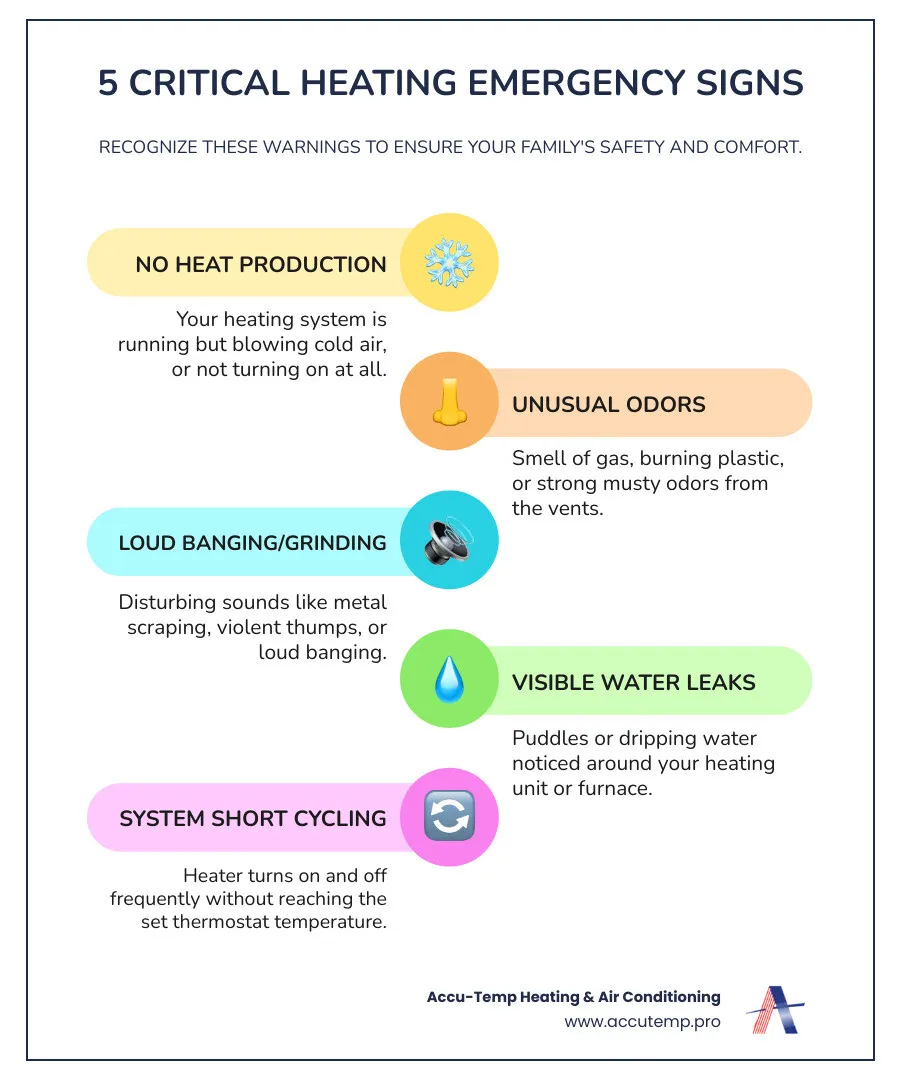
A complete or partial loss of heat is perhaps the most obvious sign that something is amiss. If your home feels cold despite your thermostat being set to a comfortable temperature, or if certain rooms are noticeably colder than others (uneven heating), your system is struggling. But the issues can extend beyond just a lack of warmth. Strange noises emanating from your unit, foul or unusual odors, and your system constantly turning on and off (short cycling) are all critical indicators that you might be facing a heating maintenance emergency in Palm Coast, FL. An unresponsive thermostat or a pilot light that refuses to stay lit are also red flags. Furthermore, a sudden and unexplained change in your energy bills could signal that your heating system is working harder than it should to compensate for an underlying problem, costing you more than just comfort.
Alarming Noises and Smells
Your heating system shouldn't sound like a percussion section or smell like a science experiment gone wrong. If it does, it's time to pay attention.
- Banging, Rattling, Whistling, Grinding: These aren't the soothing sounds of warmth being generated. Banging noises can indicate issues with the furnace igniting or expanding/contracting ductwork. Rattling often points to loose components within the system, like a blower wheel or a panel. A high-pitched whistling might signal airflow restrictions or a problem with a fan motor. Grinding noises are particularly concerning, as they often suggest worn-out motor bearings, which can lead to complete motor failure if not addressed promptly. These sounds are your system calling for help, indicating problems with moving parts or loose components that need attention.
- Burning Smell: When you first turn on your heater for the season, a slight burning dust smell can be normal as accumulated dust burns off. However, a persistent or strong burning odor, especially one that smells like burning plastic or electrical components, is a serious warning sign. It could indicate an electrical problem, such as overheating wires, which poses a fire hazard.
- Gas Odor: This is perhaps the most critical smell to detect. If you have a gas furnace and you smell gas, evacuate your home immediately and call your gas company and then your HVAC provider. Natural gas leaks are extremely dangerous and require urgent professional intervention.
- Musty Smell: A musty odor can suggest mold or mildew growth within your ductwork or around your unit, often due to moisture issues. While not an immediate explosion risk, it can significantly impact your indoor air quality and should be investigated.
Poor System Performance
Beyond the alarming sensory cues, observable changes in your heating system's performance are clear indicators of trouble.
- Lukewarm Air: If your vents are blowing air that's barely warm, your system isn't effectively heating your home. This could be due to a faulty heating element, a problem with the heat exchanger, or even an issue with your gas supply if you have a gas furnace.
- Uneven Heating: Are some rooms toasty while others remain stubbornly cold? Uneven heating suggests problems with your ductwork, a malfunctioning zone control system, or an issue with the heat distribution within your furnace. This can lead to significant discomfort and higher energy use as your system struggles to reach the set temperature in all areas.
- System Won't Turn On: This is the ultimate "no-go" signal. If your heater simply refuses to start, it could be a simple fix like a tripped circuit breaker or a dead thermostat battery, but it could also point to more complex electrical issues, a malfunctioning igniter, or a complete system shutdown.
- Constant Running: Conversely, a heating system that runs continuously without reaching the thermostat's set temperature is also a problem. This indicates an inefficiency, a system that's too small for your home, or a major component issue that prevents it from shutting off properly. This will lead to unnecessary energy consumption and accelerated wear and tear.
- Water Leaks: While more commonly associated with AC units, water pooling around your heating system can occur, especially with heat pumps. Condensate drain leaks can lead to water damage, mold growth, and potentially electrical hazards if water reaches sensitive components. If you notice any water around your unit, it needs to be addressed promptly.
Why Heating Systems Fail: Common Causes in Palm Coast's Climate
In Palm Coast, many heating systems sit idle for months before being called into action for chilly days. This climate pattern, combined with high humidity and coastal salt air, creates specific challenges for HVAC reliability. Understanding the common causes of failure—from environmental factors to clogged filters, electrical faults, and mechanical wear—can help you prepare for unexpected cold snaps and potential emergencies.
The Impact of Florida's Weather on Your Heater
While we might not experience prolonged winters like our northern neighbors, Palm Coast's weather still plays a crucial role in heating system failures.
- High Humidity: Pervasive humidity, even in cooler months, can contribute to moisture buildup within heating systems. This moisture, if not properly managed, can accelerate corrosion of metal components and create an environment conducive to mold and mildew growth, particularly in ductwork.
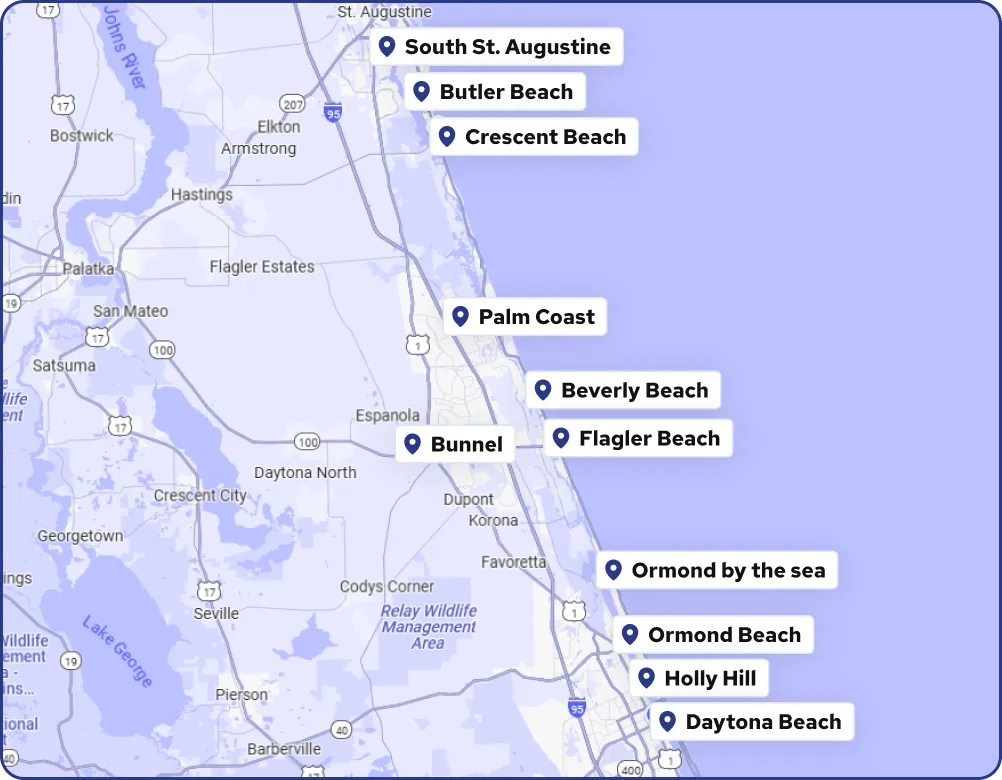
- Salt Air Corrosion: For homes near the coast in areas like Palm Coast, Flagler Beach, or Ormond by the Sea, salt in the air is a constant factor. This salt can be highly corrosive to outdoor units and exposed metal components, leading to premature wear and system failure if not regularly cleaned and maintained.
- Dust and Debris Buildup: Despite the sunny skies, dust, pollen, and other airborne debris are prevalent in Florida. These particles can accumulate on coils, motors, and filters, reducing efficiency and putting strain on your system.
- Strain from Sudden Use: A big factor is often the sudden demand placed on a system that has been dormant for months. A heater that hasn't been run since last winter might have subtle issues that go unnoticed until it's suddenly forced into full operation. This sudden strain can expose weaknesses in components, leading to breakdowns precisely when you need warmth the most.
Common Mechanical and Electrical Failures
Beyond the unique climate challenges, heating systems are complex machines susceptible to common mechanical and electrical issues.
- Ignitor or Pilot Control Problems: For gas furnaces, the ignitor or pilot light is crucial for starting the heating process. If it's dirty, faulty, or if the gas flow is interrupted, your furnace won't produce heat.
- Blower Motor Failure: The blower motor is responsible for circulating heated air throughout your home. If it fails or becomes weak, you'll experience little to no airflow, even if the furnace is generating heat. This can be caused by worn bearings or electrical issues.
- Broken Belts: In some older furnace models, a broken or slipping blower belt can prevent the fan from turning, leading to a lack of airflow. This often manifests as a squealing sound before complete failure.
- Faulty Wiring: Electrical issues are a common cause of heating system breakdowns. Loose connections, frayed wires, or wiring problems within the system can prevent components from receiving power or lead to short circuits. This can range from a simple, easily fixable connection to a more complex internal wiring fault.
- Tripped Circuit Breakers: Sometimes, the issue isn't with the furnace itself but with its power supply. An overloaded circuit or a temporary electrical surge can trip the circuit breaker connected to your heating system, cutting off its power. While often an easy fix, a frequently tripping breaker suggests a deeper electrical problem that needs professional diagnosis.
Your Immediate Action Plan for a Heating Maintenance Emergency in Palm Coast, FL
When your heater goes out unexpectedly, especially on a chilly Palm Coast night, it can feel like a crisis. But panic won't get the warmth back. Having a clear, immediate action plan can help you stay safe, potentially resolve minor issues, and prepare for professional help.
First and foremost, safety is paramount. If you smell gas, electrical burning, or notice smoke, immediately turn off your system at the thermostat and the main power switch, evacuate your home, and call emergency services (like your gas company or fire department) before contacting an HVAC professional. For less severe issues, there are a few simple troubleshooting steps you can take. Always remember that if you're uncomfortable or unsure, it's best to call a professional. Delaying a necessary repair for a heating maintenance emergency in Palm Coast, FL can lead to worse damage, potential safety hazards, and more extensive repairs down the road.
Simple Troubleshooting Steps
Before you pick up the phone, a few quick checks can sometimes resolve the problem or at least help with a faster diagnosis.
- Check Thermostat Batteries: This might seem obvious, but dead or low batteries are a surprisingly common cause of an unresponsive thermostat. Replace them if needed.
- Ensure System is Set to "Heat": Double-check that your thermostat is set to "Heat" mode and that the temperature setting is higher than the current room temperature. Sometimes, a family member might have inadvertently switched it to "Cool" or "Off."
- Verify Power Switch is On: Many furnaces have a power switch located nearby, often resembling a light switch. Ensure it hasn't been accidentally turned off.
- Check Circuit Breaker: Go to your home's electrical panel and look for a tripped breaker labeled for your furnace or HVAC system. If it's tripped (usually halfway between "On" and "Off"), flip it completely off, then back on. If it trips again immediately, do not attempt to reset it further and call a professional. This indicates an electrical fault.
- Look for Blocked Vents: Ensure that no furniture, rugs, or other items are blocking your return air vents or supply registers. Restricted airflow can cause your system to overheat and shut down or simply prevent heat from circulating effectively.
Safety Precautions and When to Call for Help
While troubleshooting, always keep safety in mind. Some situations absolutely warrant an immediate call to a professional, or even emergency services.
- Smell of Gas: If you detect the distinct odor of natural gas (often described as rotten eggs), do not use any electrical appliances, turn off your gas supply if safe to do so, leave your home, and call your gas provider and emergency services. Contact your HVAC company once the gas leak is secured.
- Electrical Burning Odors: A smell like burning plastic or rubber indicates an electrical issue, possibly an overheating motor or wiring. Turn off your system at the breaker and call an HVAC technician immediately. This is a fire hazard.
- Loud Banging Noises: While minor banging can be ductwork expanding, persistent or very loud banging often signals a serious mechanical failure within the furnace, such as a damaged blower wheel or heat exchanger. Turn off the system to help prevent further damage and call for service.
- Water Pooling: Any significant water pooling around your furnace or heat pump could indicate a serious leak, potentially damaging electrical components or causing structural damage and mold. Turn off the system's power and contact an HVAC professional.
- Risks of Delaying Repairs: Ignoring these warning signs or attempting DIY fixes beyond basic troubleshooting can have serious consequences. You risk further damaging important components, turning a manageable repair into a larger project. More importantly, issues like gas leaks or electrical faults pose health and fire risks, including carbon monoxide concerns. In emergency HVAC situations, response times can significantly impact repair needs and your family's comfort and safety.
The Power of Prevention: How Regular Maintenance Stops Emergencies
"An ounce of prevention is worth a pound of cure" is especially true for your home's heating system in Palm Coast. While Florida's winters are mild, neglecting your heater for months on end can lead to unpleasant surprises when those few cold days arrive. Regular maintenance is a strategic investment in your comfort, safety, and peace of mind.
Routine HVAC maintenance can significantly reduce the likelihood of breakdowns. That means fewer unexpected emergency calls, fewer chilly mornings, and less stress for you and your family. Beyond preventing emergencies, proper care helps extend your system's lifespan, improve its energy efficiency, and maintain any manufacturer warranties you might have.
How Regular HVAC Maintenance in Palm Coast Prevents Emergencies
Professional maintenance is more than just a quick check-up; it's a comprehensive service designed to keep your system running smoothly and identify potential issues before they escalate into a full-blown heating maintenance emergency in Palm Coast, FL.
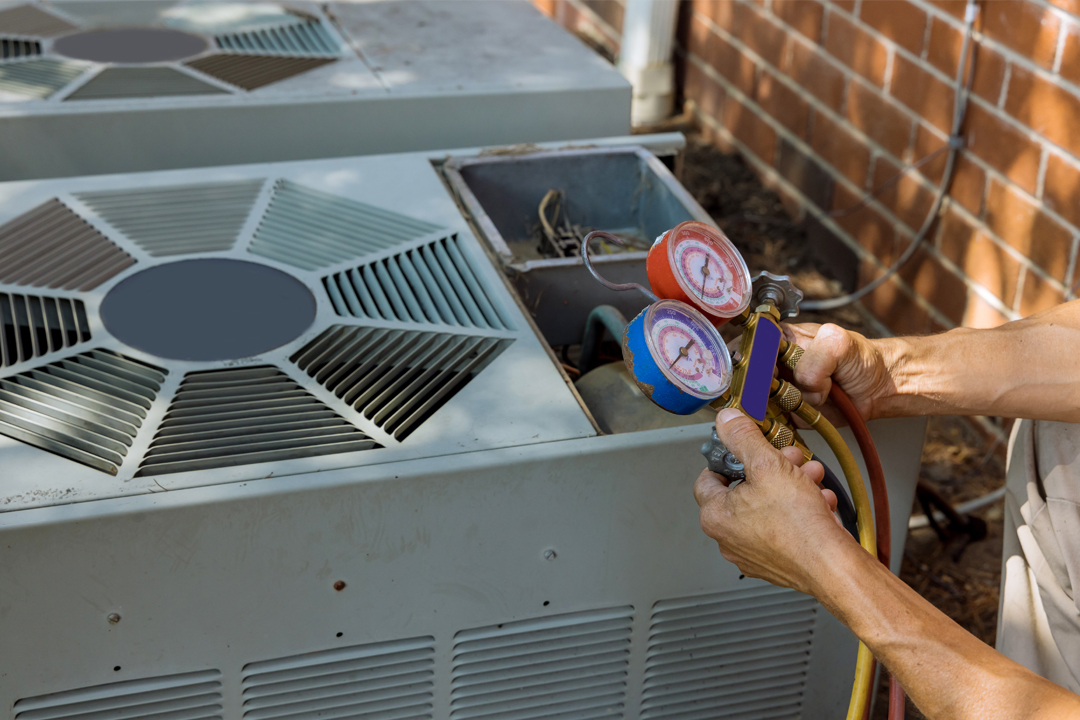
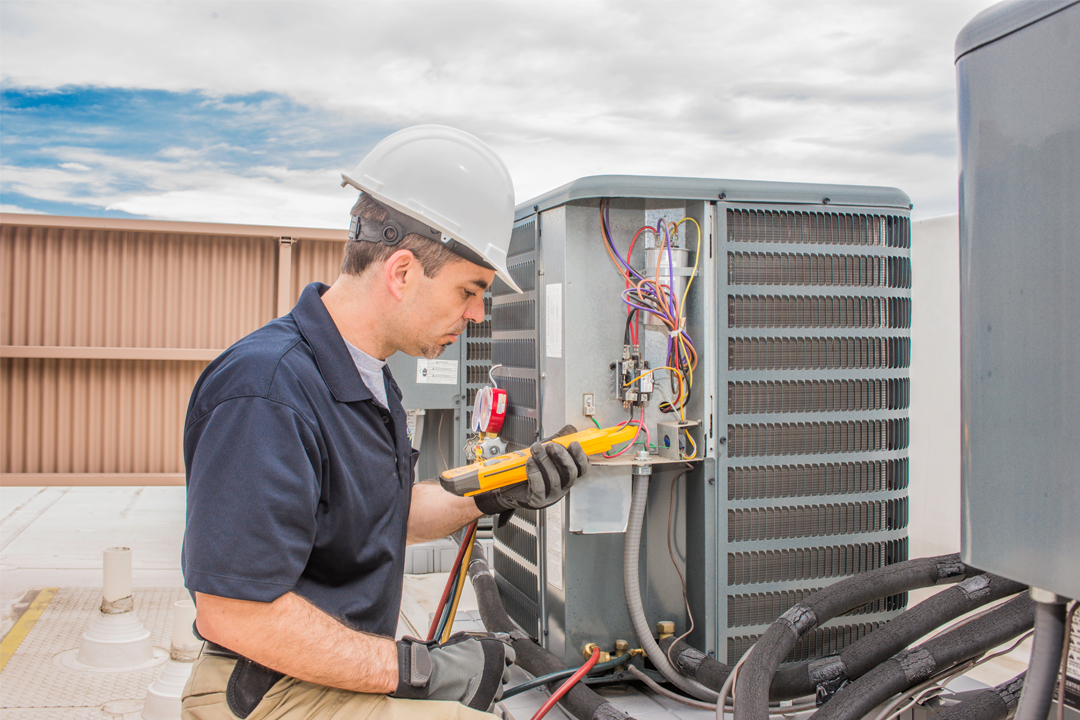
- Professional Tune-Ups: During a tune-up, technicians perform a thorough inspection of your entire heating system. This includes checking electrical connections, testing safety controls, and calibrating your thermostat. These proactive steps help ensure everything is operating within manufacturer guidelines.
- Cleaning Internal Components: Over time, dust, dirt, and debris can accumulate on critical components like burners, heat exchangers, and blower motors. Cleaning these parts not only improves efficiency but also helps prevent blockages and overheating that could lead to breakdowns.
- Inspecting Electrical Connections: Loose or corroded electrical connections can cause intermittent operation, system shutdowns, or even fire hazards. During maintenance, wiring is carefully inspected and tightened as needed, helping to ensure a safe and reliable power supply to your unit.
- Lubricating Moving Parts: Components like blower motors and fans have moving parts that require proper lubrication to operate smoothly. Without it, friction can cause premature wear, overheating, and eventual failure.
- Identifying Wear and Tear Early: One of the biggest benefits of regular maintenance is the early detection of worn-out or failing components. Technicians can spot small cracks in the heat exchanger, a weakening motor, or a deteriorating belt before it causes a complete system failure, allowing for timely repairs and preventing many emergencies.
DIY Preventative Measures for Homeowners
While professional maintenance is essential, there are several simple steps you can take between visits to keep your heating system in better shape.
- Changing Air Filters Regularly: This is arguably the easiest and most impactful DIY task. A clogged air filter restricts airflow, forcing your system to work harder, reducing efficiency, and increasing the risk of breakdowns. Check your filter monthly and replace it every 1–3 months, especially during peak usage or if you have pets.
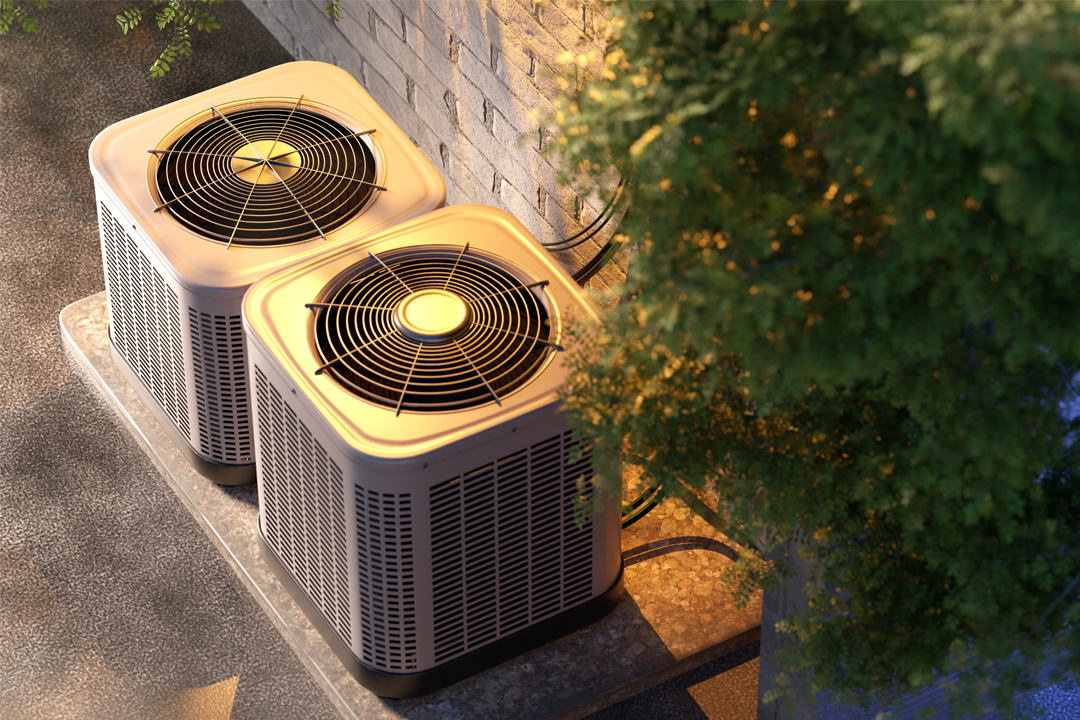
- Keeping Outdoor Unit Clear: If you have a heat pump, ensure the outdoor unit is free from leaves, grass clippings, dirt, and other debris. Clear at least two feet of space around the unit to allow for proper airflow.
- Testing the System Before Colder Weather: Don't wait for the first cold snap to find your heater isn't working. In late fall, before the real chill sets in, turn on your heating system for about 15–20 minutes. Listen for unusual noises, check for warm air, and ensure it cycles on and off properly. This gives you time to schedule a repair if needed, avoiding an emergency situation.
- Visually Inspecting Ductwork: Periodically check visible sections of your ductwork for any obvious leaks, disconnections, or damage. Leaky ducts can lead to significant heat loss and reduced system efficiency.
By combining these simple habits with regular professional HVAC maintenance, you build a strong defense against unexpected heating emergencies.
What to Expect When You Call a Local Palm Coast Professional
When a heating emergency strikes, you need more than just a repair; you need reassurance, expertise, and a swift response. That's precisely what you should expect when you call a local Palm Coast professional. Local technicians understand the unique needs of homes in this community, from Bunnell to Daytona Beach, and are focused on restoring your comfort quickly and efficiently.
Choosing a nearby HVAC company offers distinct advantages. Technicians are familiar with the specific challenges posed by the coastal climate and local building styles. Fast response times are a priority, because in an emergency, every minute counts. This local expertise helps with efficient diagnosis and repair so your heating maintenance emergency in Palm Coast, FL is handled with care.
Questions to Ask Your HVAC Technician
When the technician arrives, don't hesitate to ask questions. Clear communication helps you feel confident about the repair process.
- Diagnosis of the Problem: Ask for a clear explanation of what caused the breakdown. A good technician will explain it in simple terms, avoiding jargon.
- Repair Options: In some cases, there might be more than one way to fix an issue. Ask about all viable repair options, along with the pros and cons of each, so you can make an informed decision.
- Parts Availability: In an emergency, knowing if a necessary part is readily available can impact the repair timeline. Ask about parts on hand, ordering times, and the estimated completion of the repair.
- System Safety Check: After the repair, ask for a brief overview of any safety checks performed and whether there are any immediate concerns or recommendations for preventing future issues. The technician should ensure your system is operating safely and efficiently before leaving.
The Risks of Delaying a heating maintenance emergency in palm coast, fl
It might be tempting to put off a heating repair, especially if the weather isn't too severe. Perhaps you think the problem will resolve on its own, or that you can manage without heat for a while. However, delaying a heating maintenance emergency in Palm Coast, FL can lead to far more significant problems.
- Further System Damage: A minor issue left unaddressed can quickly lead to a major system failure. For example, a worn-out component can put undue stress on other parts, causing a chain reaction of breakdowns. What could have been a simple part replacement may turn into the need for more extensive repairs.
- Potential Safety Hazards: Some heating issues, such as electrical faults or gas leaks, pose immediate dangers to your household. Delaying these repairs puts your family at risk of fire, electrical shock, or carbon monoxide exposure. It's not worth the risk.
- Carbon Monoxide Risk: If you have a gas-fired furnace, a cracked heat exchanger or improper ventilation can lead to carbon monoxide leaks. This odorless, colorless gas is highly toxic. Any suspicion of a CO issue requires immediate evacuation and professional attention.
- Higher Future Repair Bills: The longer you wait, the more extensive and complex the repair typically becomes. Problems that start small can cause damage to additional components over time, leading to more parts and labor being needed than if the issue had been addressed early.
- Complete System Failure: In the worst-case scenario, delaying repairs can lead to the complete and irreversible failure of your heating system. That means you could be faced with the inconvenience of being without heat during cold weather and needing a full system replacement instead of a manageable repair.
Stay Warm and Safe with Professional Heating Services
Navigating a heating emergency can be stressful, but with the right knowledge and a reliable partner, you can help ensure your home remains a haven of warmth and safety. In Palm Coast, where the winter chill can catch you off guard, being prepared is key. You have learned about the critical signs that demand attention, the common culprits behind breakdowns, and the immediate steps you can take to protect your home and family.
The unique climate of Palm Coast, with its humidity and occasional cold snaps, places specific demands on your heating system. This makes regular, proactive maintenance not just beneficial, but essential. By investing in professional tune-ups and practicing simple DIY preventative measures, you greatly reduce the risk of facing a sudden heating maintenance emergency in Palm Coast, FL.
When an emergency does occur, you need prompt, expert assistance from a trusted local HVAC provider serving Palm Coast, Bunnell, Flagler Beach, New Smyrna Beach, Ormond Beach, Daytona Beach, and nearby communities. A knowledgeable team can diagnose the problem, explain your options, and restore your comfort with minimal disruption.
Don't let a heating emergency leave you in the cold. Take preventative steps, recognize the warning signs, and keep contact information for a dependable HVAC company handy so help is only a phone call away.
Find more info about heating and air conditioning services in Palm Coast, FL, and get the support you need to stay warm and safe all season long: More info about heating and air conditioning services in Palm Coast, FL.
Contact Us
Latest articles


Service Areas