


Struggling with a sudden AC breakdown in the middle of the Florida heat puts your safety and comfort at immediate risk. When humidity levels rise and temperatures spike, you need a solution that restores your environment without delay; contact us now to schedule emergency service or discuss our flexible financing options. Accu-Temp Heating and Air Conditioning ensures your home remains a sanctuary against the weather with rapid, reliable repair services designed for the specific climate challenges of Holly Hill.
- Immediate response: Technicians are on call 24/7 to handle all emergency situations and restore cooling fast.
- Expert service: We bring over 20 years of local expertise in diagnosing and fixing complex HVAC systems.
- Guaranteed satisfaction: You receive comprehensive warranties on all parts and labor for total peace of mind.
Licensed and certified with flexible financing options available.
Comprehensive HVAC Services: What Happens During Your Visit
When your cooling or heating system fails, the priority is diagnosing the root cause accurately rather than simply applying a bandage to the symptom. In Holly Hill, where systems run heavily throughout the year, wear and tear can manifest in subtle ways before causing a total shutdown. A professional service visit begins with a thorough assessment of the entire system operation. This ensures that the repair addresses the immediate failure while also identifying potential future issues that could lead to another breakdown.
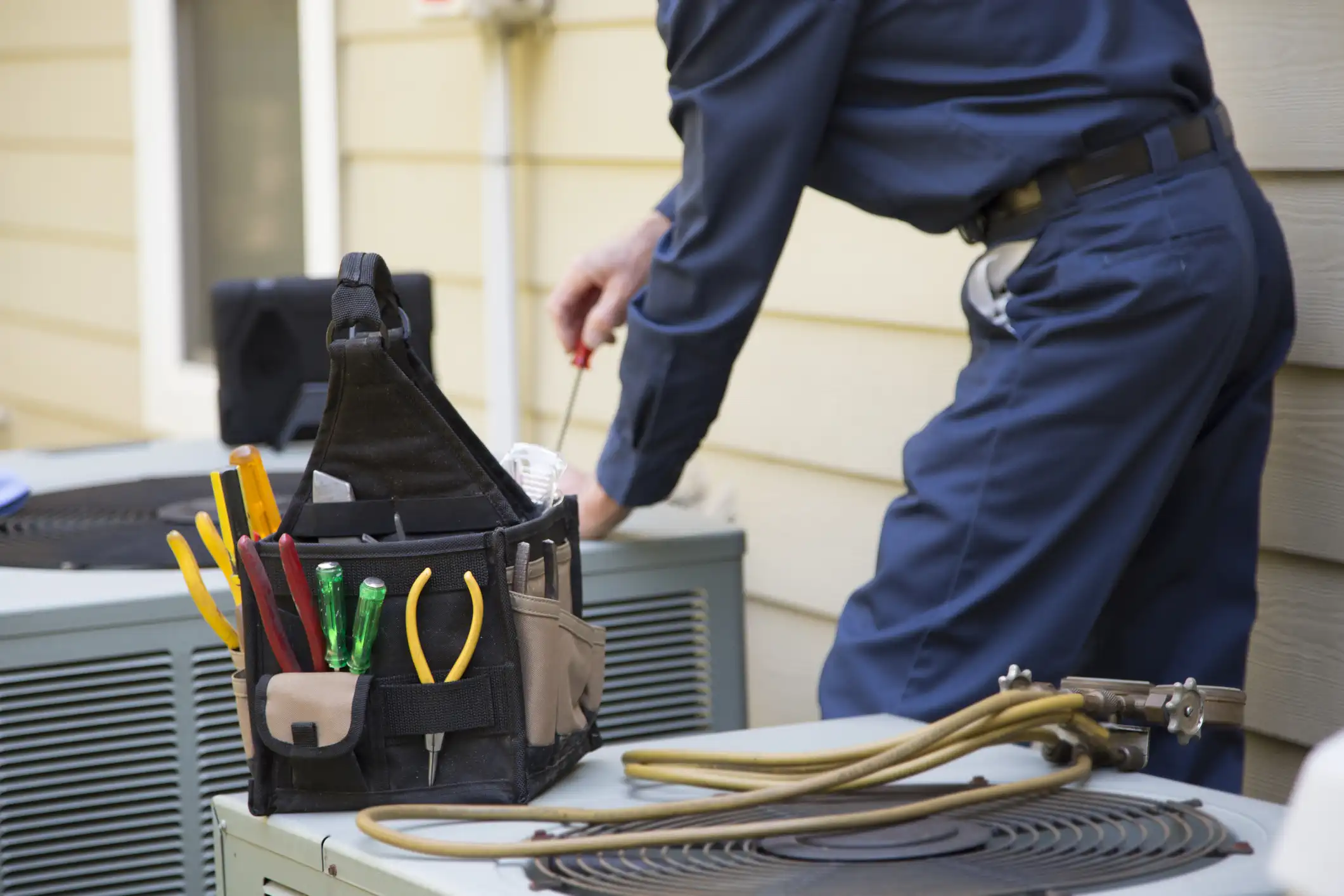
Upon arrival, a licensed technician performs a systematic evaluation of your HVAC unit. This process includes checking refrigerant levels to ensure they match manufacturer specifications, as improper charge acts as a primary cause of compressor failure and reduced efficiency. The technician inspects electrical components, tightening loose connections and measuring voltage and amperage on motors to prevent electrical fires or component burnout. Furthermore, airflow analysis determines if blockages in the ductwork or dirty coils are forcing the system to work harder than necessary.
The scope of service extends beyond simple mechanical repairs. Technicians examine the condensate drain line, a critical component in Florida’s humid climate. A clogged drain can cause water damage to your property and increase indoor humidity levels. By clearing these lines and treating them to prevent algae growth, the service protects both the equipment and the home structure. If the issue requires part replacement, the focus shifts to sourcing OEM (Original Equipment Manufacturer) parts that guarantee compatibility and longevity.
Maintenance and repair services also include a focus on Indoor Air Quality (IAQ). Because the HVAC system circulates air throughout the living space, it acts as the lungs of the home. Technicians inspect air filters and evaporator coils for signs of microbial growth or excessive dust buildup. Addressing these contaminants improves the efficiency of the heat exchange process and ensures that the air circulating in the home is clean and safe to breathe. This holistic approach to service restores comfort and extends the operational lifespan of the equipment.
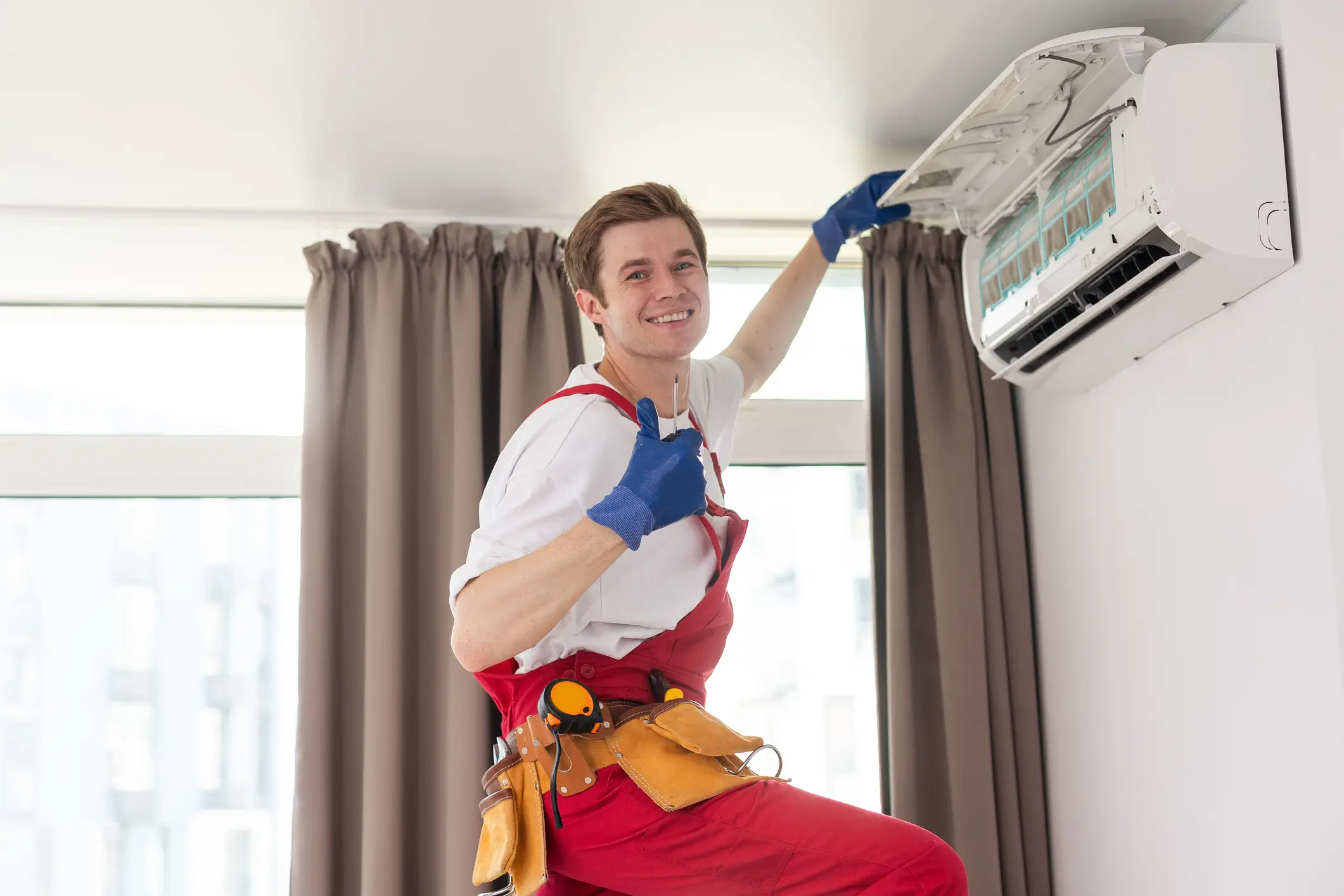
The Installation and Replacement Process
Installing a new HVAC system involves precise engineering and strict adherence to building standards. Simply swapping an old unit for a new one without proper calculation often leads to inefficiency, uneven cooling, and premature system failure. A professional installation follows a rigorous process to ensure the new system is perfectly matched to the specific thermal requirements of the home.
- Load Calculation and Sizing: The process begins with a Manual J load calculation. This engineering standard calculates the exact heating and cooling load of the structure based on square footage, insulation levels, window orientation, and local climate data. Oversized units cycle on and off too frequently, failing to remove humidity, while undersized units run continuously without reaching the set temperature. Correct sizing is the foundation of efficiency.
- System Selection: Based on the load calculation, the next step involves selecting the appropriate equipment. This includes choosing the right SEER2 (Seasonal Energy Efficiency Ratio) rating to balance upfront costs with long-term energy savings. Options may include single-stage systems for standard cooling, two-stage systems for better humidity control, or variable-speed inverters for maximum efficiency and precision comfort.
- Ductwork Inspection and Modification: Before the new unit goes in, the existing ductwork undergoes a thorough inspection. Leaky or poorly sized ducts can lose up to 30% of conditioned air before it reaches the living space. If necessary, modifications are made to the plenum or duct runs to ensure proper static pressure and airflow delivery. This step guarantees that the new high-efficiency system delivers the performance it was rated for.
- Safe Removal and Disposal: Technicians safely disconnect the old unit, recovering any remaining refrigerant according to EPA guidelines to prevent environmental contamination. The old equipment is removed and disposed of properly, ensuring a clean workspace for the new installation.
- Installation and Calibration: The new condenser and air handler are installed using hurricane-rated tie-downs, a requirement for Florida weather safety. Refrigerant lines are brazed with nitrogen to prevent oxidation, and the system is vacuumed to remove moisture before being charged. Finally, the system is calibrated, and the thermostat is programmed to optimize performance.
Deciding Between Repair and Replacement
Homeowners often face the difficult decision of whether to invest in repairs for an aging system or to opt for a full replacement. Making the right choice depends on a combination of financial logic, system age, and performance history. A common industry standard used to guide this decision is the "5,000 Rule." If the age of the system multiplied by the cost of the repair exceeds 5,000, replacement is generally the more economical choice.
Age is the most significant factor. In the coastal environment near Holly Hill, HVAC systems typically last between 10 to 15 years. Salt air can accelerate corrosion on the condenser coils, reducing this lifespan. If a unit is over 10 years old and requires a major component replacement, such as a compressor or blower motor, investing in a new system often yields a better return on investment. New systems come with 10-year parts warranties, whereas repairs on old systems usually only carry a short-term guarantee on the specific part changed.
Efficiency metrics also play a role. Older systems often have SEER ratings of 10 or 12, significantly lower than the current minimum standards. Upgrading to a modern system with a SEER2 rating of 15 or higher can reduce energy bills by 20% to 40%. This monthly savings can offset the monthly cost of financing a new installation. Additionally, older systems may still rely on R-22 refrigerant, which has been phased out and is prohibitively expensive to restock. If an older unit develops a refrigerant leak, replacement is almost always the only viable option.
Frequency of breakdowns is the final indicator. If a system requires multiple service calls within a single year, it has likely entered the end-of-life phase. Continuing to pay for incremental repairs creates a "money pit" scenario. Accu-Temp Heating and Air Conditioning technicians provide transparent assessments, helping you weigh the cumulative cost of recent repairs against the price and benefits of a modern, reliable system.
Local Considerations: Seasonality and Codes
Operating an HVAC system in Florida requires specific attention to local environmental factors and regulations. The climate is characterized by long, intensely hot summers and high humidity levels that persist even during milder months. This environment places a heavy latent load on air conditioners, meaning the system must work just as hard to remove moisture as it does to lower the temperature. Systems that are not properly maintained or sized will struggle to control humidity, leading to clammy indoor conditions and potential mold growth.
- Permitting and Compliance: HVAC work involves significant electrical and mechanical alterations, requiring strict adherence to the Florida Building Code. Professional contractors handle the entire permitting process, ensuring that the installation meets all safety and energy codes. This includes verifying that the breaker size matches the unit's amperage and that the disconnect box is accessible and compliant. Unpermitted work can lead to fines and complications when selling a home.
- Hurricane Preparedness: Local codes mandate specific anchoring for outdoor condenser units. High winds during hurricane season can turn an unsecured AC unit into a dangerous projectile. Installations must use approved hurricane straps or secure mounting bolts to concrete pads. Routine maintenance also involves checking these anchors to ensure they haven't rusted or loosened over time.
- Coastal Corrosion: The proximity to the ocean introduces salt spray into the air, which is highly corrosive to aluminum and copper coils. Standard units can deteriorate rapidly in this environment. Local services often recommend units with special epoxy coatings or marine-grade protection to prevent premature corrosion. Regular rinsing of the outdoor coil is also a critical maintenance step for homeowners in this region to extend the life of the equipment.
- Energy Rebates and Incentives: Local utility providers and federal programs frequently offer rebates for upgrading to high-efficiency systems. These incentives are designed to reduce the load on the electrical grid during peak summer usage. A knowledgeable contractor will assist in identifying available rebates, such as those for installing heat pumps or smart thermostats, helping to lower the overall investment cost.
Why Professional Execution Matters
The difference between a reliable, efficient system and one that causes constant headaches often lies in the quality of the service provider rather than the brand of the equipment. High-quality equipment installed poorly will underperform, while standard equipment installed perfectly can deliver years of reliable service. Professional execution involves a commitment to training, certification, and accountability.
Technicians with NATE (North American Technician Excellence) certification have demonstrated a mastery of real-world working knowledge of HVAC systems. This certification ensures that the individual working on your equipment understands the physics of airflow, the chemistry of refrigerants, and the intricacies of electrical circuits. This level of expertise reduces the likelihood of callbacks and ensures that problems are fixed right the first time.
Transparency in pricing and process is another hallmark of professional service. You should receive a clear explanation of the issue, a written estimate before work begins, and a breakdown of what was done after the job is complete. There should be no hidden fees or surprise charges. Furthermore, respect for your property—using drop cloths, wearing shoe covers, and leaving the workspace clean—indicates a professional attitude that extends to the technical work as well.
Securing Your Comfort for the Long Term
Maintaining a comfortable indoor environment requires a proactive approach to your heating and cooling needs. Whether you are facing an urgent repair in the heat of summer or planning a strategic replacement to improve energy efficiency, the quality of the contractor you choose dictates the outcome. By focusing on diagnostics, proper sizing, code compliance, and preventative maintenance, you protect your investment and ensure your home remains a refuge from the elements.
Don't wait for a total system failure to address your HVAC needs. Accu-Temp Heating and Air Conditioning stands ready to deliver the expertise and rapid response required to keep your system running at peak performance. Secure your comfort and efficiency today.
Contact us now to schedule your service or consultation.
Contact Us
Why Choose One Company for Everything?

Simplicity

Expertise

Savings
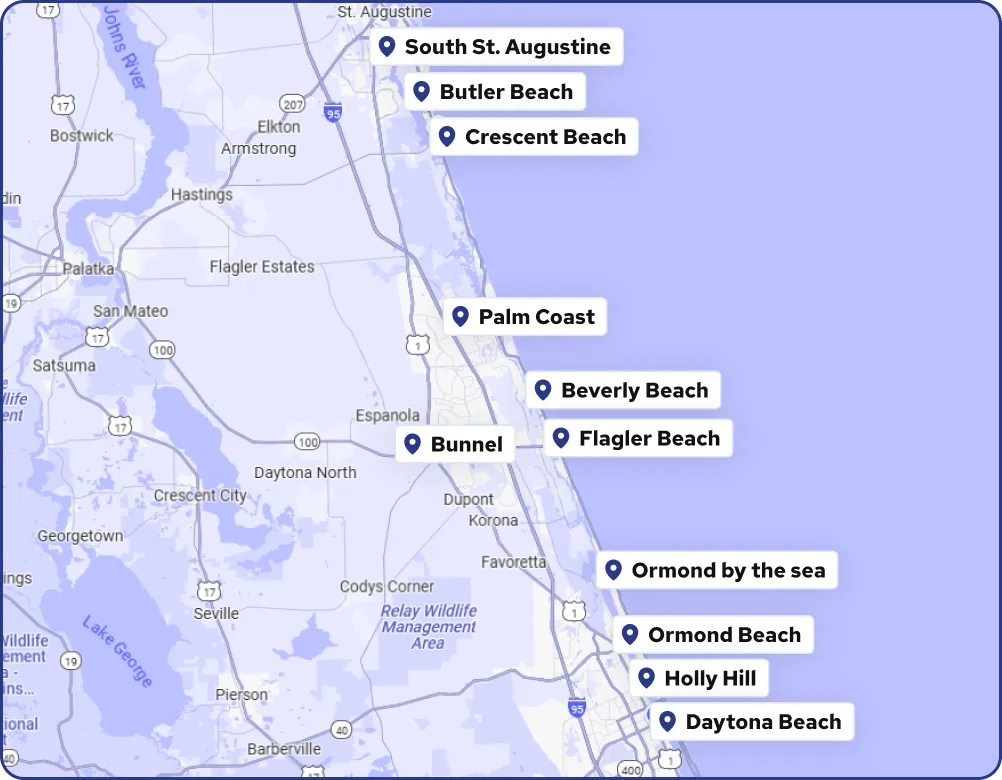
Service Areas