


Living in St Augustine means your air conditioning system is more of a lifeline than a luxury, and a breakdown during peak heat requires immediate, professional intervention. If your system is blowing warm air, making grinding noises, or failing to dehumidify your home, you need a solution now—contact us to schedule a diagnostic visit or discuss financing options.
Florida’s humidity and high temperatures place immense strain on residential cooling equipment, leading to rapid wear and unexpected failures. Whether you are facing a complete system shutdown or inefficient cooling that drives up utility costs, our team provides the technical expertise required to restore your indoor environment.
- Restore consistent, cool airflow to every room in your home.
- Lower monthly energy expenditures by optimizing system performance.
- Prevent minor mechanical issues from escalating into major component failures.
- Access licensed support with a focus on long-term system reliability.
All repairs and installations are backed by comprehensive warranties and performed by certified technicians familiar with local building codes.

Comprehensive HVAC Diagnostics and Repair Scope
When you request service, the immediate goal is to accurately identify the root cause of the failure rather than simply swapping out parts. Modern HVAC systems are complex networks of electrical, mechanical, and chemical components. A professional diagnostic visit involves a systematic inspection of the entire unit to ensure that the fix applied today prevents a recurrence tomorrow.
In the St Augustine area, specific components fail more frequently due to the operating environment. The service visit focuses on isolating these issues through a rigorous checklist.
- Electrical Component Testing: The most common cause of sudden failure involves the electrical system. Technicians test the capacitors, which store energy to start the compressor and fan motors. If a capacitor is swollen or reading below its microfarad rating, it prevents the unit from starting. Contactors are inspected for pitting or burning, which can restrict voltage flow. All wiring connections are tightened to prevent arcing and overheating.
- Refrigerant Charge Verification: The system cannot cool without the correct amount of refrigerant. Technicians attach gauges to measure subcooling and superheat levels. If the levels are low, it indicates a leak that must be located and sealed before recharging. An overcharged system is equally dangerous, as it can send liquid refrigerant back to the compressor, causing catastrophic failure.
- Airflow and Condensate Management: Restricted airflow freezes evaporator coils and overheats heat exchangers. The service includes checking the blower motor amperage and inspecting the air filter. Furthermore, the condensate drain line is flushed. In Florida's humid climate, algae and slime build up quickly in drain lines, leading to water backups that trigger safety float switches and shut down the system.
- Mechanical Inspection: The compressor and fan motors are checked for amperage draw and heat generation. Abnormal vibrations or noises are investigated to determine if bearings are worn or if internal components are loose. This thorough mechanical review helps predict potential failures before they leave you without cooling.
The System Replacement and Installation Process
There comes a point where a system is too old or damaged to repair safely or economically. Installing a new HVAC system is a construction project that requires precise calculation and execution. It is not a simple appliance swap. The process is designed to ensure the new unit is perfectly matched to your home’s thermal properties.
- Load Calculation and Sizing: The process begins with a Manual J load calculation. This engineering calculation considers the square footage, insulation levels, window orientation, and local St Augustine climate data. Installing an oversized unit causes short-cycling, which fails to remove humidity, while an undersized unit runs continuously without reaching the set temperature. Correct sizing is non-negotiable for efficiency.
- Safe Removal and Disposal: The existing equipment is disconnected from electrical and gas lines. EPA-certified protocols are followed to recover and reclaim the old refrigerant, preventing environmental contamination. The old unit is removed from the property, and the installation site is prepped. This often involves leveling the ground pad or reinforcing the attic platform to support the new equipment.
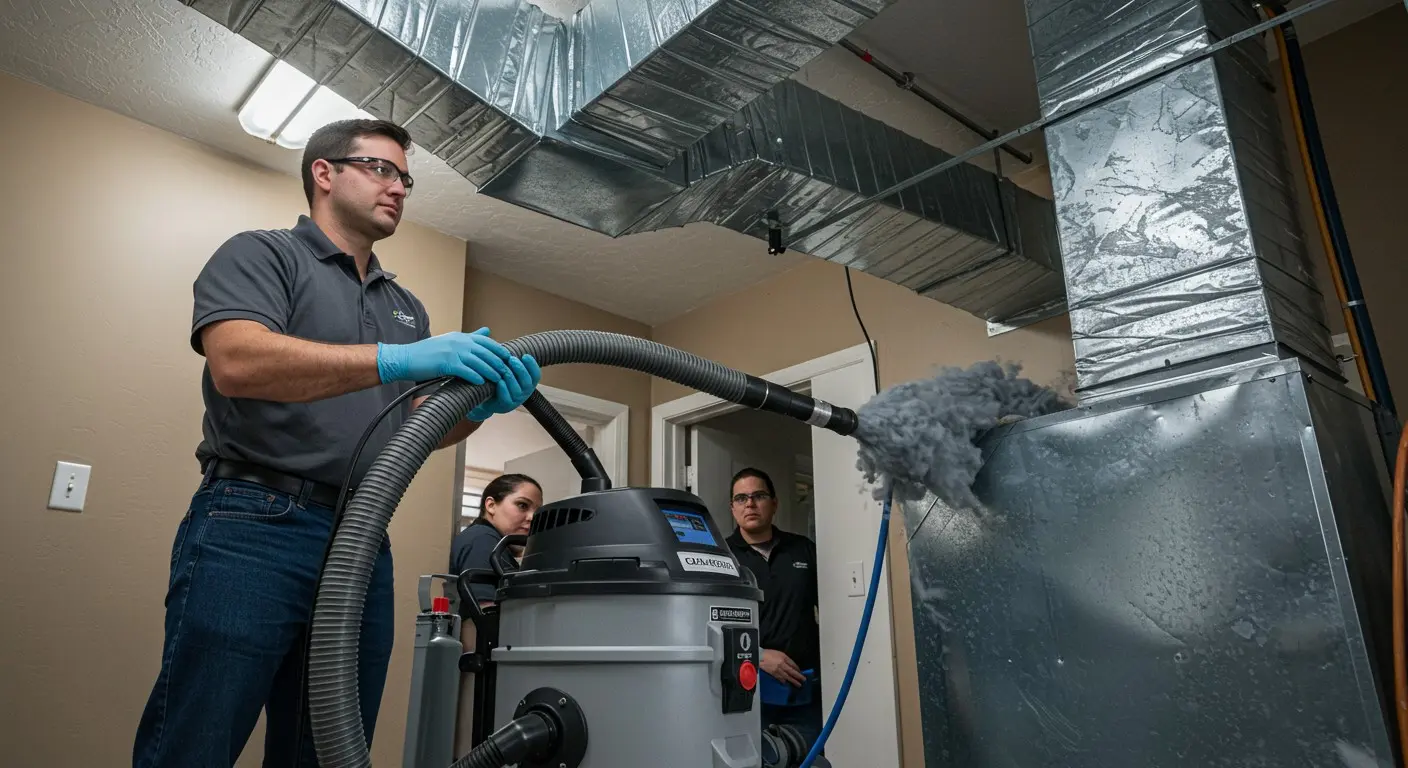
- Ductwork and Air Quality Integration: Before the new unit is connected, the ductwork is inspected for leaks or disconnects. A high-efficiency system is wasted on leaky ducts. Modifications are made to the plenum to ensure proper airflow transition. If you have opted for indoor air quality add-ons, such as UV lights or whole-home dehumidifiers, these are integrated into the system during this phase.
- System Commissioning: Once the physical installation is complete, the system is not just turned on; it is commissioned. This involves pulling a deep vacuum on the refrigerant lines to remove moisture and non-condensibles. The refrigerant charge is weighed in to factory specifications. Finally, static pressure tests are conducted to verify that air is moving through the system at the correct velocity.
Critical Decision Guide: Repairing vs. Replacing Your Unit
Homeowners often face the difficult choice between approving a costly repair or investing in a new system. This decision should be based on data and financial logic rather than immediate urgency. There are clear indicators that shift the balance from repair to replacement.
- The 50% Rule: A general industry standard is the 50% rule. If the cost of the repair approaches or exceeds 50% of the value of a new system, replacement is usually the smarter financial move. This is particularly true if the warranty on the existing unit has expired. Spending thousands on a compressor for a 12-year-old unit is rarely a good return on investment.
- Refrigerant Type Availability: Older systems often utilize R-22 (Freon), a refrigerant that has been phased out due to environmental regulations. Supplies of R-22 are dwindling, and the cost has skyrocketed. If your system uses R-22 and develops a leak, repairing it is often cost-prohibitive compared to upgrading to a system that uses the current standard, R-410A, or newer refrigerants.
- Frequency of Breakdowns: If you have required multiple service calls within the last 12 months, the system has likely reached the end of its reliable lifespan. "Nickel and diming" repairs add up quickly. A new system eliminates these repair costs and resets the warranty clock, providing up to 10 years of protection on parts.
- Energy Efficiency Ratings: Older units may have a SEER (Seasonal Energy Efficiency Ratio) rating of 10 or 12. Modern standards and new options can reach SEER ratings of 20 or higher. The energy savings from upgrading a 15-year-old system can often offset a significant portion of the monthly payment for a new installation.
Navigating Local Florida Climate and Regulatory Factors
Operating HVAC equipment in Florida presents unique challenges that are not present in other regions. Accu-Temp Heating and Air Conditioning understands that the local environment dictates how systems should be maintained and installed. From salt air corrosion to permitting requirements, local knowledge is essential.
- Humidity Control is Paramount: In St Augustine, air conditioning is primarily about humidity control. A system that cools the air but leaves it humid results in a clammy, uncomfortable home and promotes mold growth. Systems must be configured with specific blower speeds and thermostat settings to maximize moisture removal. Variable-speed air handlers are often recommended to run at lower speeds for longer periods, effectively acting as whole-home dehumidifiers.
- Corrosion Protection in Coastal Areas: Proximity to the ocean introduces salt spray into the air. Salt is highly corrosive to the aluminum and copper components found in condenser coils. Without protection, the fins on the coil will disintegrate, ruining the unit’s ability to transfer heat. We recommend specifically treating coils or selecting units built with coastal packages to withstand the harsh salt environment.
- Permitting and Code Compliance: HVAC replacements are regulated construction activities. In Florida, a building permit is required for system replacements to ensure the installation meets safety codes and energy standards. This includes verifying that the wire size and breaker size match the new unit and that the hurricane strapping is sufficient to secure the unit during high winds. Professional contractors handle the entire permitting and inspection process, ensuring your home insurance remains valid and you avoid municipal fines.
Why Technical Expertise Matters for Long-Term Efficiency
The longevity of your heating and cooling equipment is directly tied to the quality of the installation and maintenance it receives. While the brand of the equipment matters, the skill of the hands installing it matters more. Improper brazing can leave contaminants in the line set. Poor electrical connections can cause fires.
Choosing a service provider involves looking for teams that invest in continuous training. HVAC technology is evolving rapidly, with communicating thermostats, inverter-driven compressors, and smart-home integration becoming standard. Technicians must be adept at using digital diagnostic tools to fine-tune these sophisticated systems.
Furthermore, transparency in the service process is vital. You should receive a clear explanation of what is wrong, why it happened, and what the options are to fix it. This includes a breakdown of what acts of maintenance can prevent future issues. Whether it is keeping vegetation trimmed back from the outdoor unit or changing filters monthly during the summer, an educated homeowner is a partner in system efficiency.
We focus on delivering results that improve the comfort and safety of your home. By adhering to strict service protocols and utilizing high-quality parts, we ensure that your system is prepared to handle the peak demands of the season.
Secure Your Indoor Comfort Today
Don't wait for a minor noise to turn into a total system failure during a heatwave. Whether you require emergency repair to get the air moving again or are planning a high-efficiency system upgrade, professional help is available. Ensure your home remains a cool sanctuary against the humidity and heat.
Contact Accu-Temp Heating and Air Conditioning now to schedule your service or request a free estimate on a new system.
Contact Us
Why Choose One Company for Everything?

Simplicity

Expertise

Savings
Service Areas