


Unreliable Climate Control Disrupts Your Home Comfort
Does your AC falter in the Florida heat, just when you need relief the most? At Accu-Temp Heating and Air Conditioning, we ensure your environment stays cool and comfortable with prompt, reliable service. When a cooling system fails in Korona or the surrounding areas, the internal temperature of a home can rise to dangerous levels within hours, threatening both the structure of the property and the health of its occupants. Contact us today to schedule your diagnostic visit, inquire about financing, or request immediate service.
We provide homeowners with distinct, measurable outcomes:
- Same-day service availability to quickly restore your comfort and safety.
- Energy-efficient solutions designed to significantly lower monthly utility bills.
- Expert, certified technicians you can trust to perform the job correctly the first time.
- All services are backed by a full warranty and flexible financing options to ensure your project fits your budget.
Immediate HVAC Solutions for Critical Failures
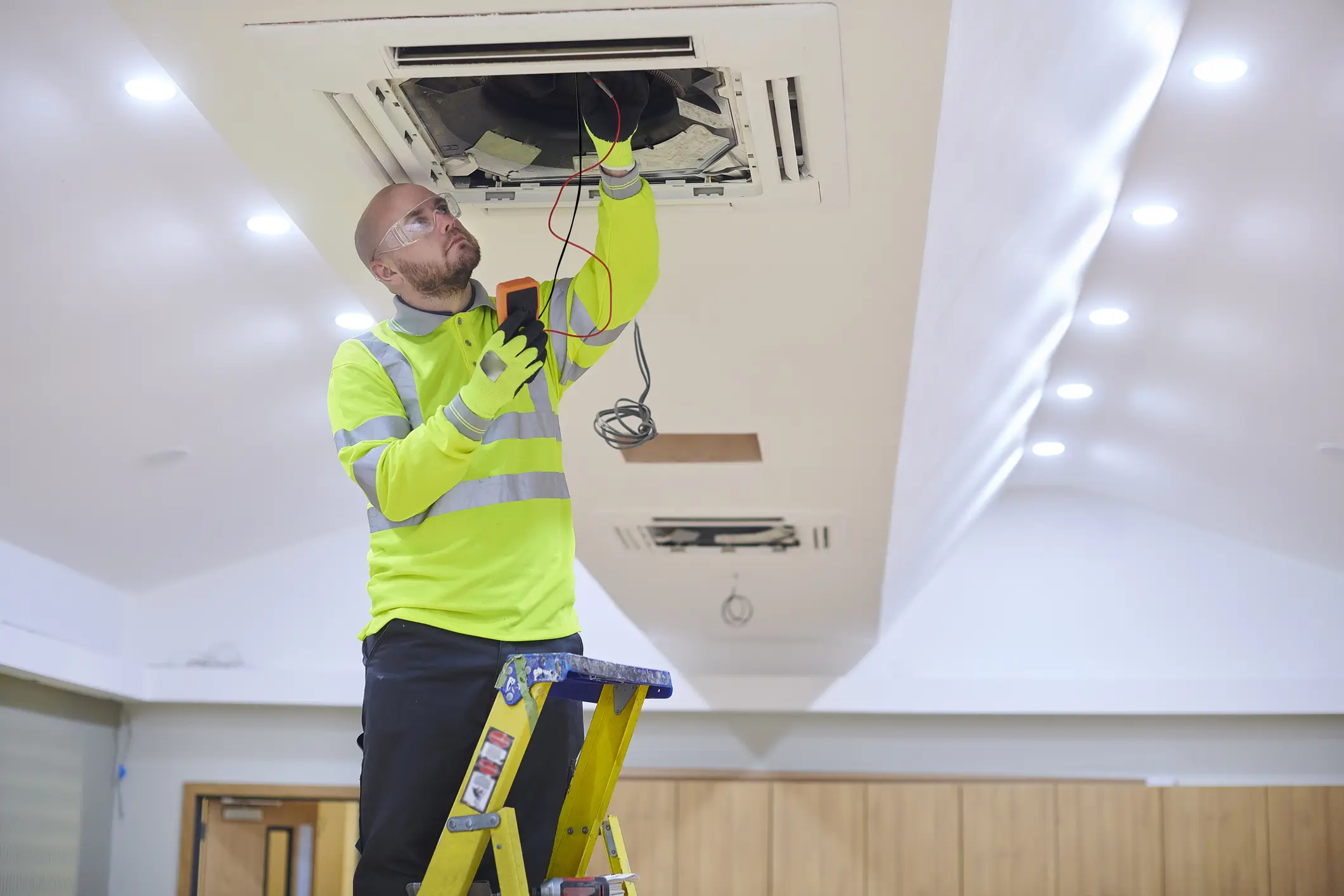
When an air conditioning or heating system stops functioning, the priority is identifying the root cause immediately. Systems rarely fail without warning, yet the final breakdown often occurs during peak usage times, such as the hottest afternoons of July or the unexpected chill of a January night. A professional response focuses on accurate diagnostics rather than guesswork. Technicians arrive equipped to test electrical components, measure refrigerant levels, and inspect airflow restrictions that cause system paralysis.
High-humidity environments like Florida place immense strain on compressors and capacitors. A failing capacitor is a common issue that prevents the outdoor unit from starting, leaving the indoor blower pushing warm air. Similarly, clogged condensate drain lines can trigger safety float switches, shutting down the entire unit to prevent water damage. Addressing these issues requires specific tools to clear blockages and test electrical loads.
The focus of immediate repair is to minimize downtime. Homeowners in Korona need a service that carries a robust inventory of "truck stock"—universal parts like contactors, fuses, and motors—to resolve issues on the initial visit. Waiting days for a simple part is not an option when the heat index rises. Professional intervention ensures that a minor repair does not escalate into a catastrophic system failure, preserving the longevity of the existing equipment.
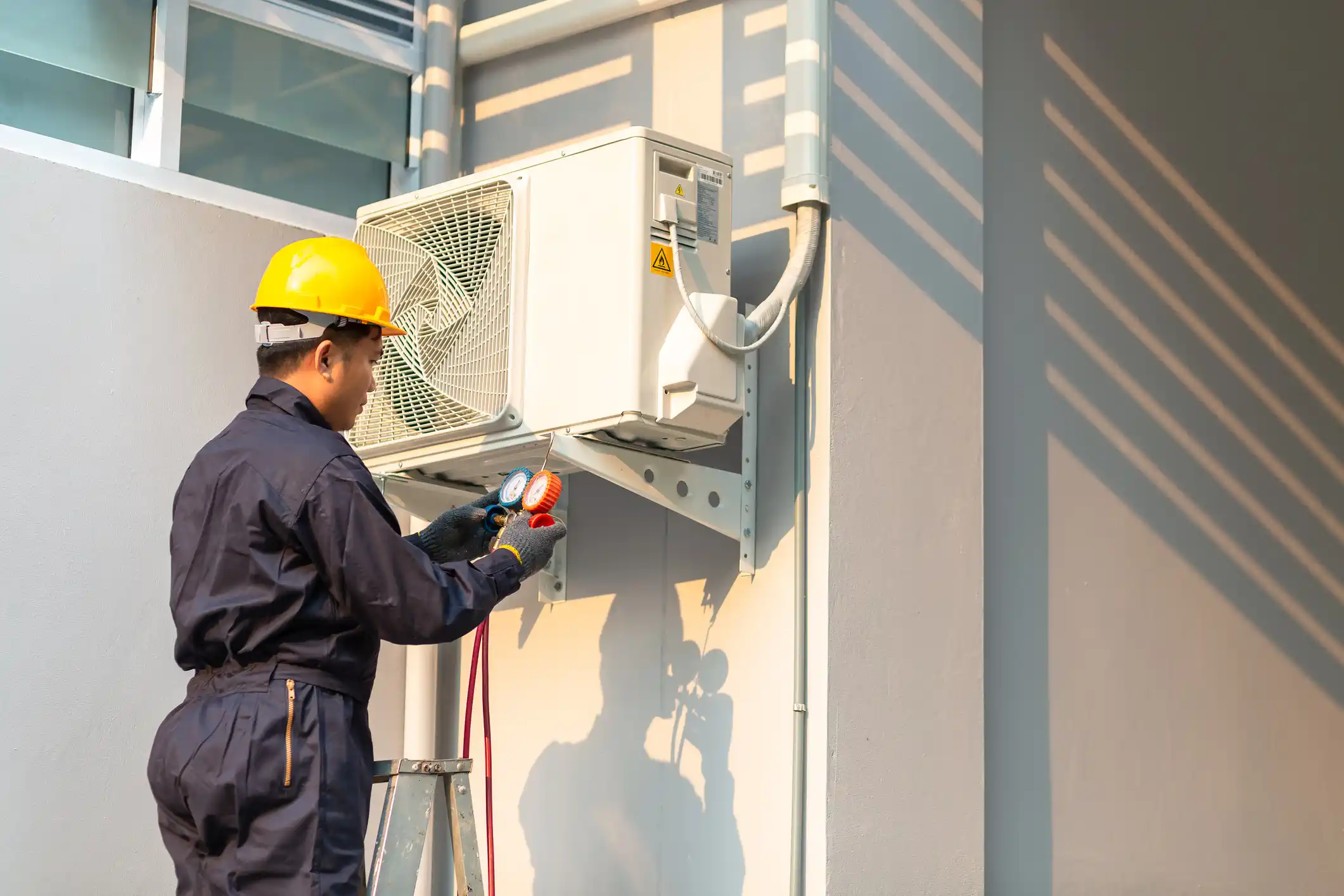
Comprehensive Climate Control Services Available Now
Modern HVAC contractors provide a spectrum of services designed to manage the entire lifecycle of a heating and cooling system. From the moment a unit is installed to its final days of operation, specific interventions are required to maintain efficiency.
Air Conditioning Repair and Diagnostics
Repair services go beyond swapping out parts. They involve a deep analysis of the refrigeration cycle. Technicians check for superheat and subcooling levels to ensure the refrigerant charge is exact. An overcharged or undercharged system will struggle to remove humidity, leading to a clammy indoor environment. Leak detection is also critical; finding the source of a refrigerant leak protects the environment and prevents recurring service calls.
Heating System Maintenance and Upkeep
While Florida is known for heat, winter nights require a functional heating source. Heat pumps, which reverse the refrigeration cycle to provide warmth, have specific maintenance needs. The reversing valve must be operational, and the auxiliary heat strips—often used as emergency heat—must be tested for electrical continuity. Neglecting the heating side of a system can lead to the "burning dust" smell or complete failure when the first cold front arrives.
Indoor Air Quality Improvements
Tight building envelopes improve energy efficiency but trap pollutants inside. Services now include the integration of air quality solutions directly into the HVAC infrastructure. This includes the installation of UV germicidal lights to prevent mold growth on evaporator coils and high-efficiency media filters that capture dust, pollen, and dander. Dehumidification systems are also essential in this region to keep moisture levels between 45% and 55%, preventing biological growth within the ductwork.
Step-by-Step Guide to Your HVAC Installation
A proper installation is the single most important factor in determining the lifespan and efficiency of a new HVAC system. Equipment that is installed incorrectly will never achieve its SEER (Seasonal Energy Efficiency Ratio) rating, wasting money every month. The process follows a strict technical protocol to ensure code compliance and optimal performance.
- First, a technician conducts a Manual J load calculation. This engineering calculation determines the exact heating and cooling requirements of the specific structure based on square footage, insulation levels, window orientation, and local climate data. Guessing the size based on the previous unit is a malpractice that leads to short-cycling or inadequate cooling.
- Next, the existing equipment is safely disconnected and removed. This involves reclaiming old refrigerant according to EPA standards to prevent atmospheric release. The area is prepped, and the existing ductwork is inspected for leaks or disconnects that could compromise the new system.
- Then, the new air handler and condenser are positioned. Copper line sets are brazed using nitrogen purging to prevent oxidation inside the pipes. This step is crucial; oxidation flakes can clog the sensitive metering devices in modern high-efficiency units.
- Following the connection, the system is pressure-tested with nitrogen to ensure there are no leaks. Once the pressure holds, a vacuum pump removes moisture and non-condensables from the lines, creating a pure environment for the refrigerant.
- Finally, the system is charged, started, and commissioned. Technicians measure static pressure, airflow, and temperature splits to verify the system is operating within the manufacturer's specified parameters.
Deciding Between Repair and Replacement
Determining whether to repair an aging unit or invest in a replacement is a financial and logical decision driven by data. Homeowners often face this dilemma when a major component, like a compressor or evaporator coil, fails. There are clear indicators that shift the balance from repair to replacement.
The "50% Rule" is a standard industry metric. If the cost of the repair approaches 50% of the value of a new system, replacement is generally the wiser investment. This is particularly true if the equipment is out of warranty. Putting extensive money into an old system does not reset its odometer; other parts are still prone to failure.
Age is the second critical factor. In the harsh Florida climate, the average lifespan of an air conditioner is often shorter than the national average, typically falling between 10 to 15 years due to corrosion and heavy usage. If a unit is over 10 years old and requires a significant repair, the efficiency gains from a new system often justify the replacement cost. Modern systems with variable-speed compressors and high SEER ratings can reduce energy consumption by 30% to 50% compared to units made a decade ago.
Accu-Temp Heating and Air Conditioning helps homeowners navigate this analysis by providing transparent pricing on both repairs and new system installations, allowing for a side-by-side comparison of immediate costs versus long-term savings.
Freon availability also dictates this decision. Older units utilizing R-22 refrigerant are becoming prohibitively expensive to service due to the global phase-out of this ozone-depleting substance. Upgrading to a system that uses R-410A or newer refrigerants future-proofs the home and ensures serviceability.
Navigating Local Regulations and Environmental Factors
Operating in Florida requires adherence to specific building codes and an understanding of unique environmental stressors. HVAC work is regulated to ensure safety and energy conservation.
Managing Florida Humidity and Salinity
For residents in Korona and coastal areas, salt air corrosion is a persistent threat. Standard aluminum fins on condenser coils can deteriorate rapidly, leading to loss of heat transfer and eventual failure. Solutions include selecting units with epoxy-coated coils or specialized coastal packages designed to withstand the corrosive atmosphere. Furthermore, humidity control is not a luxury but a necessity. Systems must be sized correctly to run long enough to pull moisture from the air. An oversized unit will cool the room quickly but shut off before dehumidifying, resulting in a cold, damp home.
Permitting and Efficiency Standards
Professional HVAC work requires permitting. Replacing a system without a permit is a violation of local building codes and can complicate the sale of a home or void insurance claims related to the system. The permit process ensures that a third-party inspector validates the installation, checking for proper electrical connections, breaker sizing, and structural integrity.
Current regulations also dictate minimum efficiency standards. Department of Energy (DOE) regulations require new installations in the Southeast region to meet specific SEER2 minimums. These standards ensure that new infrastructure contributes to overall grid stability and reduces the carbon footprint of the home.
Technical Qualifications and Service Standards
Selecting a contractor involves verifying technical credentials that prove competency. The HVAC industry requires rigorous training to handle high-voltage electricity, high-pressure gases, and complex mechanical systems.
- Licensing and Insurance: A legitimate contractor holds a state-issued license that allows them to operate legally. This license is proof that the company has met the educational and experience requirements mandated by the state. General liability and workers' compensation insurance protect the homeowner from liability in the event of an accident on the property.
- Certification: NATE (North American Technician Excellence) certification is a hallmark of a technician’s knowledge. It signifies that the individual has passed specialized tests regarding installation and service protocols.
- Factory Training: Manufacturers constantly update technology. Authorized dealers invest in ongoing training for their teams to master the nuances of variable refrigerant flow (VRF) systems, communicating thermostats, and inverter-driven compressors.
Homeowners should expect clear communication regarding the scope of work. A professional service provider offers written estimates that detail the labor, parts, and equipment involved. There should be no ambiguity regarding what is included in a tune-up or an installation. Transparency builds the trust necessary for a long-term service relationship.
Secure Your Comfort and Efficiency Today
Your home’s climate system is the engine of your daily comfort. Ignoring signs of inefficiency, odd noises, or inconsistent temperatures leads to higher costs and inevitable breakdowns. Whether you require an urgent repair to combat the heat or a strategic replacement to improve energy efficiency, professional intervention is the only path to reliable results.
Do not let a compromised system dictate your quality of life. Ensure your HVAC infrastructure is handled by qualified professionals who understand the specific demands of the Florida climate.
Take control of your indoor environment now. Contact our team to schedule your service, request an estimate, or discuss your financing options.
Contact Us
Why Choose One Company for Everything?

Simplicity

Expertise

Savings
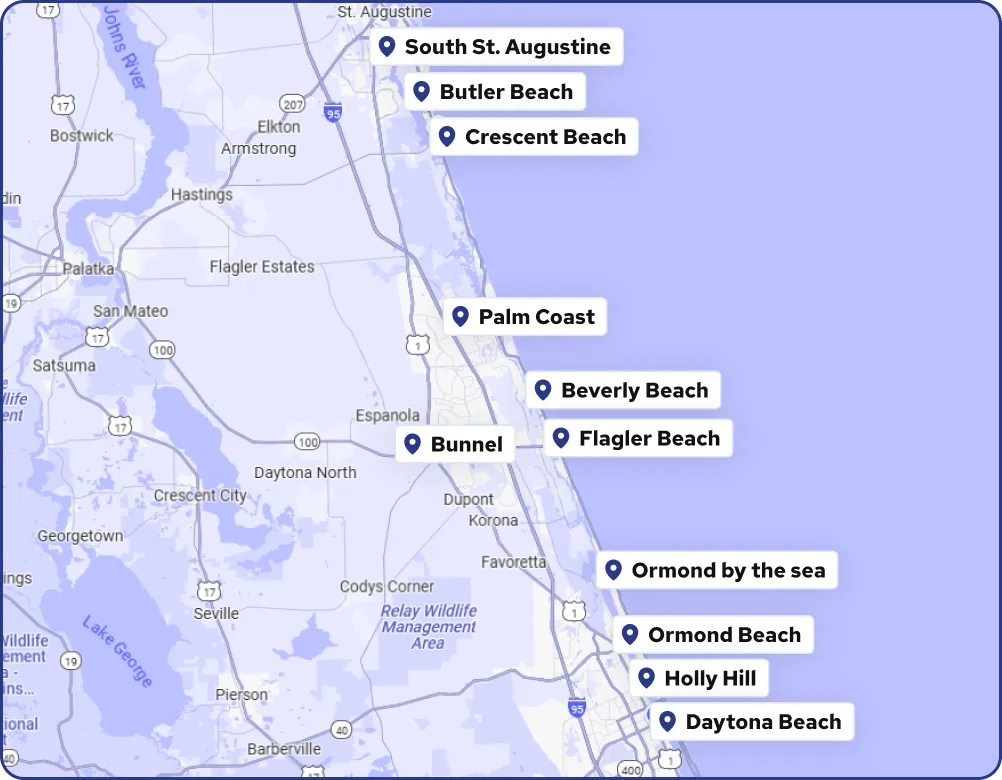
Service Areas