


Facing Unexpected HVAC Issues?
When your heating or cooling system fails, it’s more than discomfort—it disrupts your life and daily routine; contact us immediately to schedule a dispatch or discuss financing options for your system. Accu-Temp Heating and Air Conditioning ensures rapid, reliable fixes to restore your comfort and peace of mind in Oak Hill and the surrounding areas. We prioritize technical accuracy and speed to ensure your home returns to a safe temperature without unnecessary delays.
- Same-Day Service: Quick dispatch anywhere in the service area to address urgent breakdowns.
- Transparent Pricing: No hidden fees, clear estimates, and upfront quotes before work begins.
- Round-the-Clock Support: 24/7 emergency services available for critical system failures.
We are a fully licensed, bonded, and insured contractor offering up to 10-year warranties on new installations to protect your investment.
Restoring Climate Control to Your Property
A malfunctioning HVAC system in the humid climate of Oak Hill requires immediate and decisive action. The goal of a professional service visit is not just to patch a leak or replace a fuse, but to ensure the entire system operates at peak efficiency. When a technician arrives at your property, the focus is on a comprehensive diagnostic process that identifies the root cause of the failure rather than just the symptoms.
Modern HVAC systems are complex networks of electrical components, refrigerants, and airflow mechanics. A comprehensive service call addresses all three pillars of climate control: temperature regulation, humidity removal, and air quality. Whether you are dealing with a frozen evaporator coil, a seized compressor, or an unresponsive thermostat, the resolution begins with a systematic evaluation of your equipment.
Upon arrival, the service includes a detailed inspection of the following components:
- Electrical Connectivity: Technicians test capacitors, contactors, and relays to ensure voltage is being distributed correctly throughout the system. Loose connections or worn components are often the cause of intermittent failures.
- Refrigerant Charge: Proper refrigerant levels are critical for heat exchange. Low levels indicate a leak that must be located and sealed, while high levels can damage the compressor.
- Airflow Analysis: Static pressure tests measure the resistance within your ductwork. Restricted airflow strains the blower motor and reduces cooling capacity, leading to higher energy bills.
- Condensate Drain Inspection: Clogged drain lines can trigger safety switches that shut down the unit to prevent water damage. Clearing these lines is a standard part of restoring operation.
- Mechanical Integrity: Motors and fans are checked for proper rotation, balance, and lubrication. Any grinding or screeching noises are addressed before they lead to catastrophic motor failure.
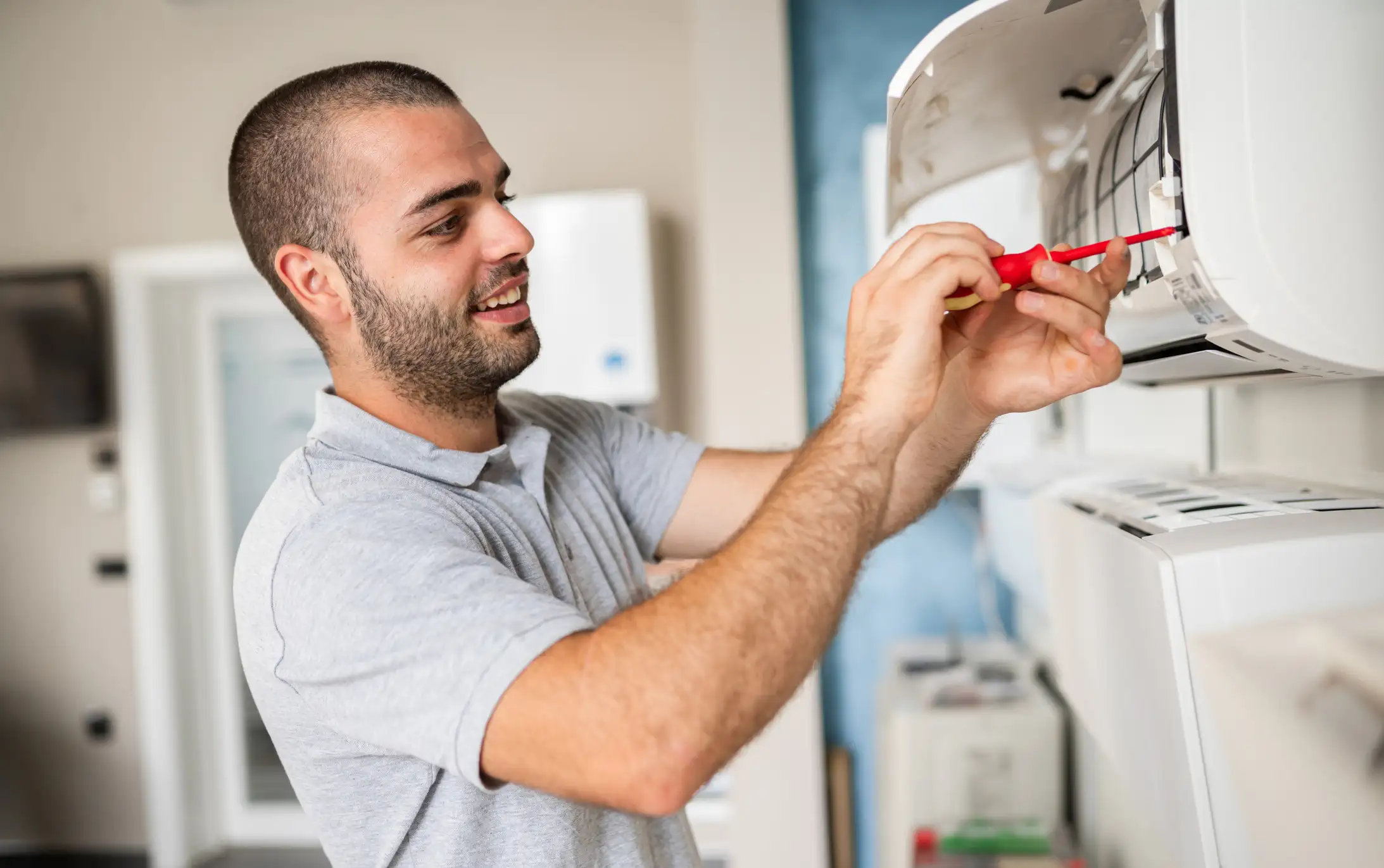
Comprehensive HVAC Installation Scope
There comes a point where repairing an aging system is no longer the most economical or practical choice. Installation is not merely swapping one box for another; it is a construction project that requires precise engineering to match the equipment to the specific thermal characteristics of your home. An improperly sized unit will short-cycle, failing to remove humidity effectively, or run continuously without reaching the set temperature.
The installation process follows a strict protocol to ensure longevity and efficiency. This begins with a Manual J load calculation. This calculation considers square footage, insulation levels, window orientation, and local climate data to determine the exact BTU capacity required. In Oak Hill, where humidity is a constant factor, getting the sizing right is the difference between a comfortable home and one that feels clammy and damp.
The installation workflow involves several critical phases:
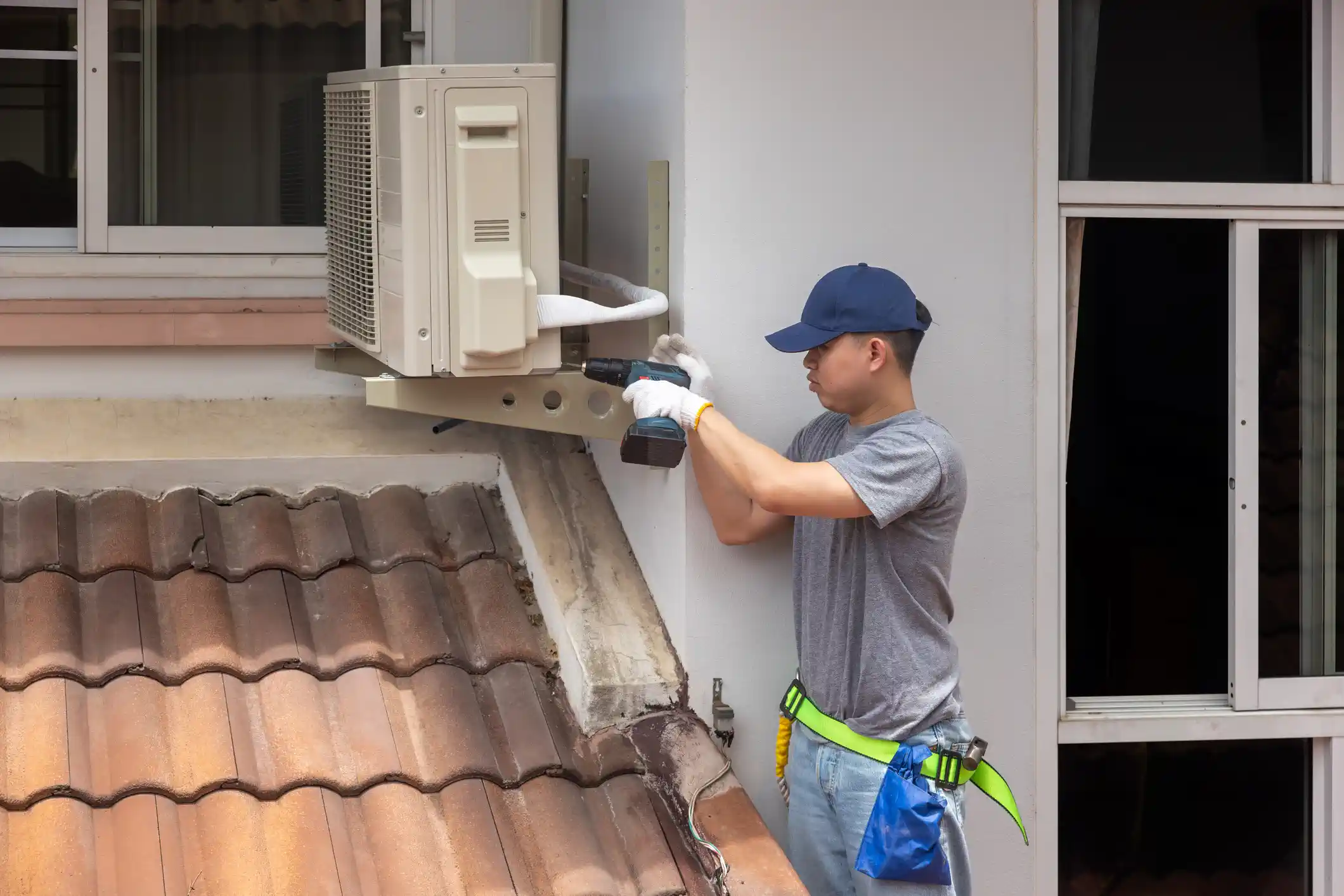
- Site Preparation: The area is prepped to ensure the new unit sits on a level, stable surface. For outdoor condensers, this often involves placing a new hurricane-rated pad that elevates the unit above standing water and debris.
- Ductwork Modification: The existing plenum and transition ducts are often modified to fit the new equipment. Ensuring an airtight seal at these connection points is vital for preventing conditioned air from leaking into the attic or crawlspace.
- Refrigerant Line Set Brazing: The copper lines connecting the indoor and outdoor units are brazed using nitrogen purging. This prevents oxidation inside the pipes, which can clog the sensitive metering devices of modern high-efficiency systems.
- System Evacuation: A vacuum pump removes moisture and non-condensable gases from the lines. Achieving a deep vacuum (measured in microns) is non-negotiable for the long-term health of the compressor.
- Commissioning and Testing: Once charged with refrigerant, the system is tested in various modes. Technicians measure superheat and subcooling to verify that the heat transfer process is occurring exactly as the manufacturer designed.
Deciding Between Equipment Repair and Replacement
Homeowners often face the difficult decision of whether to invest in another repair or commit to a full system replacement. This decision should be based on data and financial logic rather than guesswork. Several variables influence the recommendation provided by Accu-Temp Heating and Air Conditioning, including the age of the unit, the frequency of breakdowns, and the cost of operation.
The "50% Rule" is a standard industry metric used to guide this decision. if the cost of the repair approaches or exceeds 50% of the value of a new system, replacement is generally the wiser financial move. Additionally, looking at the history of the equipment helps identify if the current issue is an isolated incident or part of a pattern of deterioration.
Consider the following factors when evaluating your options:
- Equipment Age: Most air conditioners and heat pumps have a service life of 10 to 15 years. If your system is over 12 years old and requires a major component like a compressor or evaporator coil, replacement offers better long-term value.
- Refrigerant Type: Older systems utilize R-22 (Freon), which has been phased out and is exponentially expensive to replenish. Upgrading to a system that uses R-410A or newer refrigerants eliminates this rising cost liability.
- Efficiency Ratings (SEER2): Modern systems have significantly higher Seasonal Energy Efficiency Ratios (SEER2). Replacing a 10 SEER unit with a 15+ SEER system can result in immediate and substantial reductions in monthly electricity costs, helping the new unit pay for itself over time.
- Warranty Status: A repair typically only warranties the specific part replaced. A new installation comes with a fresh manufacturer’s warranty covering all major components, usually for 10 years.
- Comfort Consistency: If your current system leaves hot spots in certain rooms or fails to keep up during the hottest part of the day, a repair will rarely solve the underlying design or capacity issue. Replacement allows for correction of these comfort deficits.
Regional Considerations for Effective Climate Control
Operating HVAC equipment in Florida presents unique challenges that are not present in other regions. The combination of high heat, extreme humidity, and proximity to salt water requires specific hardware choices and maintenance protocols. In Oak Hill, the salt air can accelerate corrosion on the aluminum fins and copper tubing of the outdoor condenser.
To combat this, specific coatings and materials are recommended. Coastal-rated hardware is designed to withstand the corrosive environment, preventing the rapid deterioration that leads to refrigerant leaks. Furthermore, the high humidity load means that your system acts as a dehumidifier just as much as an air cooler. If the system is not running long enough cycles, it cools the air but leaves moisture behind, leading to mold growth and poor indoor air quality.
Local building codes and permit requirements also play a significant role in HVAC projects. Compliance is mandatory for safety and insurance validity.
- Permitting: Major repairs and all replacements require a permit from the local municipality. This ensures the work meets current safety standards and energy codes.
- Hurricane Strapping: Florida code mandates that outdoor units be securely anchored to their concrete pads with specific hurricane straps to prevent movement during high-wind events.
- Float Switches: Local code requires redundant condensate safety switches to prevent water damage to ceilings and floors in the event of a drain line blockage.
- Electrical Upgrades: When installing more powerful or efficient equipment, the existing electrical disconnect and breaker sizing must be verified against the National Electric Code (NEC) to prevent fire hazards.
- Duct Sealing: Energy codes increasingly require verification that ductwork is sealed to prevent cooling loss in unconditioned spaces like attics, which is a major source of energy waste in the region.
Technical Precision and Operational Standards
The difference between a functioning system and an optimized system lies in the technical precision of the service provider. High-quality HVAC service is defined by adherence to manufacturer specifications and industry best practices. Technicians must be proficient in both thermodynamics and electrical theory to properly diagnose modern, computer-controlled HVAC equipment.
We utilize advanced diagnostic tools, including digital manifolds and thermal imaging, to see what is happening inside the system without guesswork. This data-driven approach ensures that parts are not replaced unnecessarily. Every truck is stocked with a wide inventory of universal parts, ensuring that most common repairs can be completed in a single trip, restoring your comfort immediately.
Maintenance is the final piece of the operational puzzle. Regular maintenance is not just about changing a filter; it is a comprehensive tune-up that keeps efficiency high and amperage draws low.
- Coil Cleaning: Dirty coils act as insulators, preventing heat transfer and forcing the compressor to work harder. Chemical cleaning restores the coil’s ability to absorb and release heat.
- Electrical Tightening: Vibration loosens electrical connections over time. Tightening these connections prevents arcing and burnt wires.
- Thermostat Calibration: Ensuring your thermostat reads the temperature accurately prevents the system from over-running or under-performing.
- Blower Wheel Cleaning: Dust buildup on the blower wheel reduces the volume of air the fan can move. Cleaning this component restores airflow and reduces strain on the motor.
When you require professional intervention for your climate control system, you need a partner who understands the technical demands of the equipment and the specific environmental challenges of the region. Accu-Temp Heating and Air Conditioning provides the expertise required to manage your indoor climate effectively, ensuring durability and efficiency.
Secure your property's comfort and efficiency today — schedule your service.
Engineered HVAC Solutions With Zero Compromise
Quick fixes don’t solve deeper system inefficiencies—and when performance matters, only precision will do. Homeowners searching for a dependable HVAC contractor in Oak Hill, FL, trust Accu-Temp Heating and Air Conditioning for full-scope diagnostics, same-day repairs, and compliant installations that stand the test of time. Every visit is backed by technical accuracy, transparent pricing, and licensed professionals who follow strict protocols—not shortcuts. From system recharges to full change-outs, we deliver work that’s built to last.
Work With HVAC Professionals Who Get It Right The First Time
Contact Us
Why Choose One Company for Everything?

Simplicity

Expertise

Savings
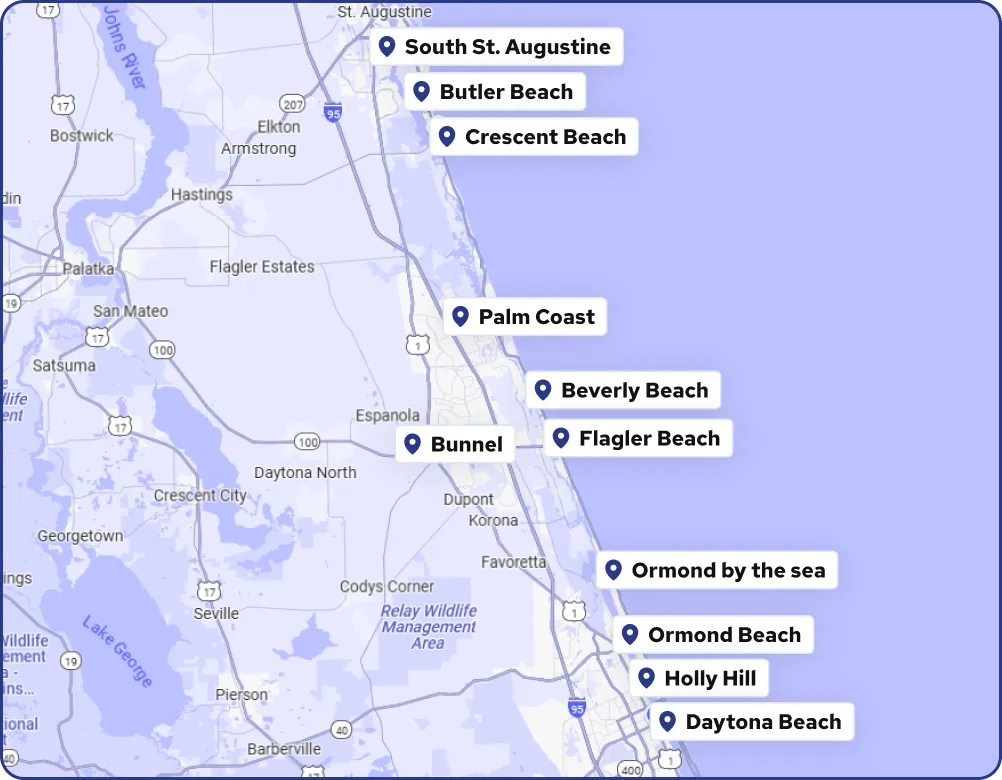
Service Areas