


Living in Florida means your air conditioning is a necessity, not a luxury, and a breakdown during a heatwave requires immediate attention. If your system has failed to keep up with the high humidity or has stopped working entirely, contact us immediately or apply for financing to restore comfort to your home without delay.
In coastal areas like Ormond Beach, the combination of salt air, intense heat, and high humidity puts immense strain on HVAC equipment. When a system fails, the internal temperature of a home can rise to dangerous levels within hours. We provide rapid, decisive solutions to get your cooling or heating back online. Whether you are dealing with a frozen evaporator coil, a failed compressor, or a thermostat that has lost connection, our team identifies the root cause and implements a fix that lasts.
- Same-day service availability to prevent prolonged exposure to heat and humidity.
- High-efficiency system options designed to lower monthly utility costs while improving dehumidification.
- Transparent warranties and clear pricing structures so you know exactly what the job entails.
We are fully licensed and strictly adhere to local building codes, offering flexible financing options to ensure you never have to compromise on safety or comfort.
Immediate Help for HVAC Issues: Fast, Reliable Service
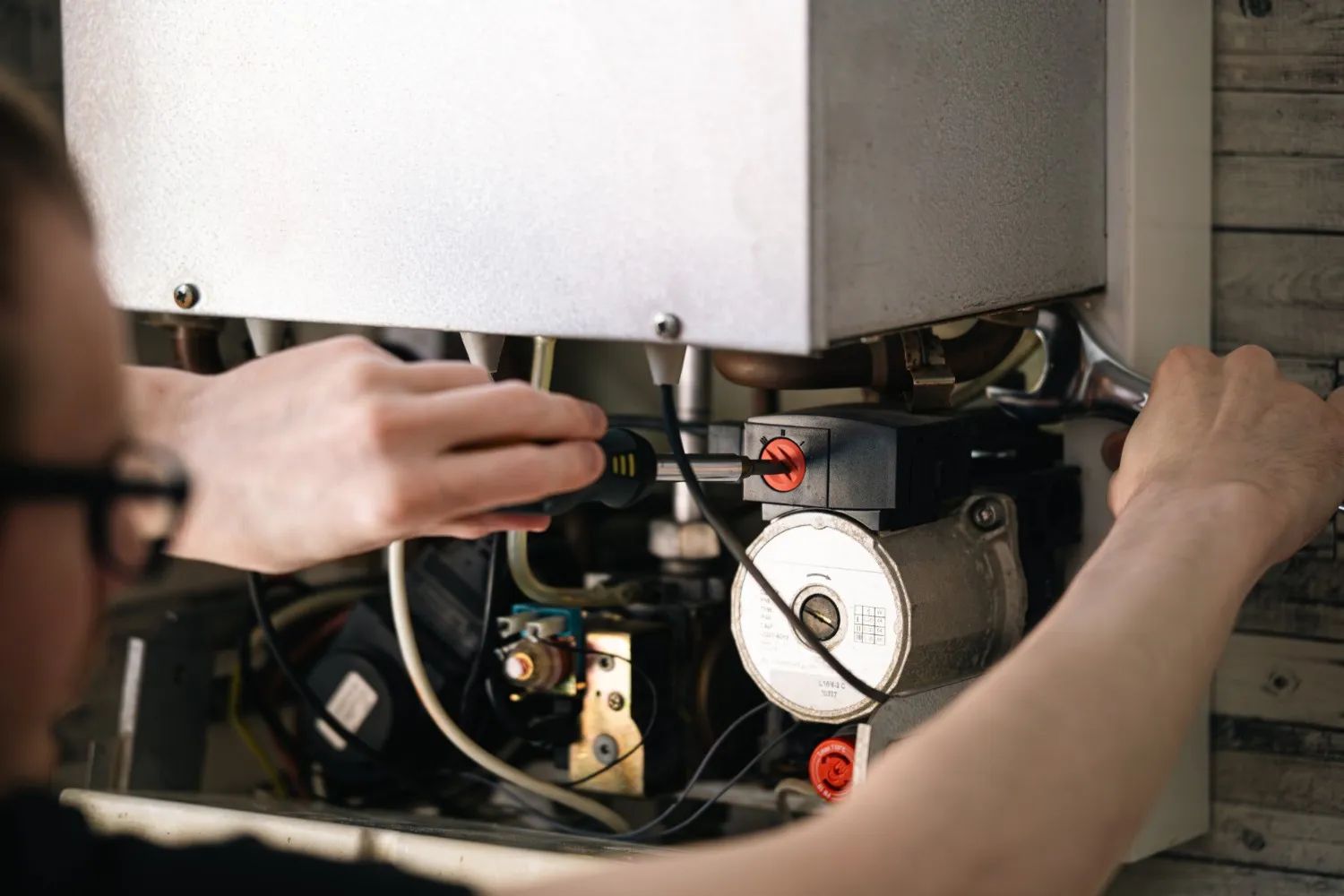
When an air conditioner or heat pump malfunctions, time is the most critical factor. In a humid climate, a lack of airflow does more than just make the room uncomfortable; it allows moisture to accumulate on surfaces, increasing the risk of mold growth and structural damage. Our technicians arrive equipped to handle common and complex failures immediately. We focus on diagnosing the electrical and mechanical components of your system to distinguish between a minor part failure and a systemic breakdown.
Common issues we resolve include:
- Refrigerant Leaks: Low refrigerant levels often indicate a leak in the coils or line set. Simply adding more refrigerant is not a solution. We locate the leak, repair the seal, and recharge the system to manufacturer specifications to ensure efficient heat transfer.
- Electrical Component Failure: Capacitors, contactors, and relays frequently burn out due to the high cycling rates required during summer. We replace these components with high-quality parts to restore power to the compressor and fans.
- Drainage Blockages: Algae and sediment can clog the condensate drain line, causing water to back up and trigger the safety float switch, which shuts down the unit. We clear these lines and treat them to prevent future buildup.
- Sensor Malfunctions: If the thermostat is not communicating correctly with the air handler, the system may short-cycle or run continuously without cooling. We recalibrate or replace sensors to ensure accurate temperature control.
Our approach prioritizes restoring your environment to a safe temperature. We arrive with fully stocked service vehicles, minimizing the need for return trips and ensuring that most repairs are completed on the spot.
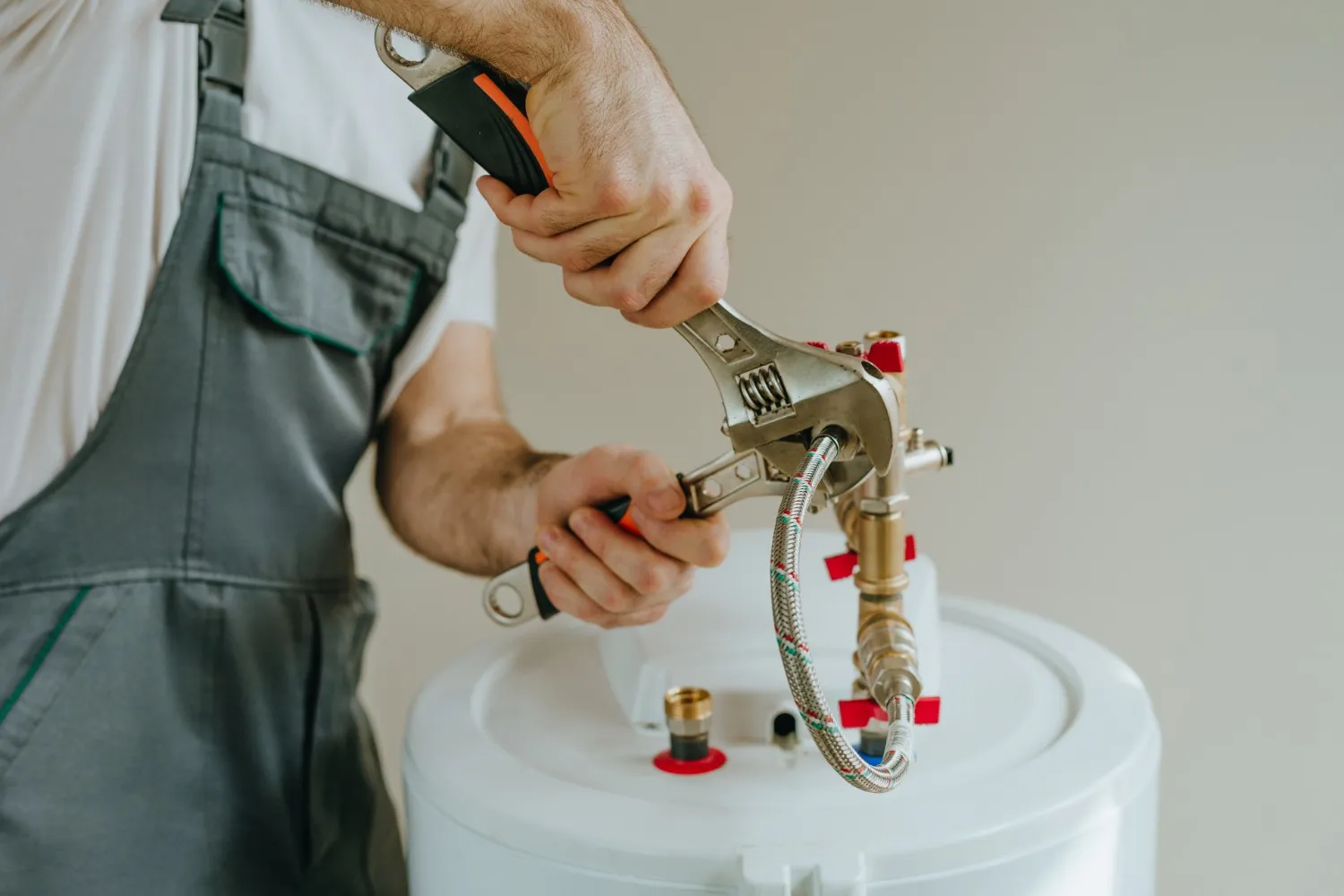
What You Get: Comprehensive Services from Installation to Maintenance
Effective HVAC service goes beyond simple repairs. It involves a holistic approach to managing the indoor climate, ensuring that every component of the system works in harmony. From the outdoor condenser unit to the ductwork hidden in the attic, every part plays a role in efficiency and comfort.
- Air Conditioning and Heat Pump Services: In our region, heat pumps are a prevalent solution because they handle both cooling and heating efficiently. We service all makes and models of central air systems and ductless mini-splits. This includes cleaning condenser coils that may be coated in salt spray, checking amp draws on motors to predict failures before they happen, and verifying that the reversing valve functions correctly for those rare chilly nights.
- Ductwork and Air Distribution: The best unit in the world cannot perform if the ductwork is compromised. Leaky ducts pull hot, humid attic air into your living space, forcing the AC to work harder and driving up energy bills. We inspect ductwork for tears, disconnected joints, and poor insulation. Sealing and insulating ducts improve system longevity and ensure that the cool air you pay for actually reaches the rooms in your house.
- Indoor Air Quality Solutions: Humidity control is the secondary job of your AC, but often standard units need help. We integrate dehumidifiers and advanced filtration systems directly into the HVAC assembly. This reduces allergens and keeps relative humidity levels within the optimal range of 40-50%, protecting wood furniture and flooring from warping.
Installation Process Simplified: Step-by-Step Guide
Installing a new HVAC system is a major construction project that affects the value and safety of your property. We do not use a "one size fits all" approach. A system that is too large will short-cycle and fail to dehumidify, while a system that is too small will run continuously and fail to cool. Accu-Temp Heating and Air Conditioning follows a rigorous protocol to ensure every installation meets the specific thermal profile of your home.
- Load Calculation: First, we perform a detailed Manual J load calculation. This assesses the square footage, window direction, insulation levels, and heat-generating appliances in your home to determine the exact BTU capacity required.
- System Selection: Next, we assist in selecting a unit with the appropriate SEER2 rating. Higher SEER2 ratings indicate better energy efficiency, which is crucial for lowering long-term operational costs in Florida’s climate.
- Ductwork Inspection and modification: Before the new unit is placed, we verify that the existing ductwork is sized correctly to handle the airflow of the new system. If the return air drops are too small, we modify them to prevent static pressure issues.
- Installation and Brazing: We position the air handler and condenser, brazing the copper line sets under a nitrogen purge. This critical step prevents oxidation inside the pipes, which can ruin the compressor valves later.
- Vacuum and Charge: We pull a deep vacuum on the refrigerant lines to remove all moisture and non-condensables. Once the vacuum holds, we weigh in the precise amount of refrigerant required.
- Commissioning: Finally, we start the system and measure static pressure, temperature split, and airflow. We do not leave until the system is performing strictly within the manufacturer's engineering data.
Choosing Between Repairs and Replacement: What You Need to Know
Deciding whether to repair an aging unit or invest in a new system is a financial calculation based on efficiency, age, and repair cost. Making the wrong choice can lead to wasted money on a dying unit or unnecessary capital expenditure.
- The 50% Rule: A general guideline used in the industry is the 50% rule. If the cost of the repair approaches 50% of the value of a new system, replacement is generally the wiser financial move. This is particularly true if the equipment is out of warranty.
- Age and Refrigerant Type: In coastal environments like ours, the lifespan of an outdoor unit is often shorter due to corrosion. If your system is over 10 years old and requires a major component like a compressor or coil, replacement is usually recommended. Additionally, older systems may use R-22 refrigerant, which has been phased out and is prohibitively expensive to restock. Upgrading to a system that uses R-410A or newer refrigerants ensures future serviceability.
- Efficiency Gains: Newer systems adhere to stricter SEER2 standards. Replacing a 10-year-old unit with a modern, high-efficiency model can result in significant energy savings. Modern systems often feature variable-speed compressors and blowers, which run at lower speeds to maintain temperature and humidity more consistently than single-stage units that blast cold air and then shut off.
Stay Compliant: Local Regulations and Efficient Systems
HVAC work is heavily regulated to ensure safety and energy conservation. In Florida, specific building codes dictate how systems must be anchored and installed. Ignoring these regulations can lead to fines, failed inspections when selling a home, and safety hazards during severe weather.
- Permitting and Inspections: Every system replacement requires a permit from the local building department. This ensures that the electrical connections are safe, the breaker size matches the unit, and the installation meets current energy codes. We handle the entire permitting process, scheduling the required inspections to verify that the work complies with all municipal standards.
- Hurricane Codes: Coastal winds pose a threat to outdoor equipment. Building codes require that condenser units be mounted on hurricane-rated pads and secured with specific tie-down straps or clips. This prevents the unit from becoming a projectile during a storm and protects the refrigerant lines from rupturing.
- Energy Rebates and Incentives: Local utility providers often offer rebates for upgrading to high-efficiency systems. To qualify, the installation must be performed by a licensed contractor, and the system must meet specific AHRI (Air-Conditioning, Heating, and Refrigeration Institute) match-ups. We ensure that your new system qualifies for any available federal tax credits or local utility rebates, helping to offset the initial investment.
Why Choose Us? Experience, Certifications, and Customer Satisfaction
Selecting a contractor is about trust and technical competency. Your HVAC system is a complex integration of electrical, mechanical, and chemical systems. We employ technicians who are certified to handle these complexities safely and effectively.
- Technical Certification: Our team holds certifications from North American Technician Excellence (NATE), the industry standard for HVAC expertise. This signifies that our technicians have passed rigorous testing on real-world working knowledge of HVAC systems. We understand thermodynamics, airflow dynamics, and electrical theory, allowing us to fix problems that other providers might miss.
- Coastal Expertise: We specifically understand the challenges of maintaining equipment in a salt-air environment. We know which materials resist corrosion and how to treat coils to extend their life. Our maintenance plans are tailored to address the accelerated wear and tear found in coastal regions.
- Warranty Protection: We stand behind our work with robust labor warranties that complement the manufacturer's parts warranty. If an issue arises related to our installation or repair, we resolve it. We register all equipment on your behalf to ensure you receive the full benefit of the manufacturer's coverage.
When your comfort is at stake, you need a partner who delivers technical precision and reliable results. Don't let a faulty system disrupt your life or damage your home.
Schedule your expert HVAC service or consultation now
Restore Comfort and Protect Your Home with Confidence
Florida’s climate leaves no room for HVAC uncertainty. Between extreme heat, thick humidity, and the corrosive coastal environment of Ormond Beach, your system must be reliable, efficient, and properly maintained. When problems occur, waiting too long can lead to unsafe indoor temperatures, rising energy bills, and preventable system damage. That’s why Accu-Temp Heating and Air Conditioning is committed to delivering rapid response times, precise diagnostics, and solutions built to withstand the unique challenges of our region. From repairing emergency failures to installing high-efficiency systems engineered for coastal durability, our team prioritizes your comfort, safety, and long-term savings.
If your air conditioner or heat pump is struggling—or you’re ready to explore a replacement that offers better humidity control and lower utility costs—now is the time to act. Our licensed, NATE-certified technicians provide dependable service backed by transparent pricing, strong warranties, and flexible financing designed to fit your budget.
Contact Us
Why Choose One Company for Everything?

Simplicity

Expertise

Savings
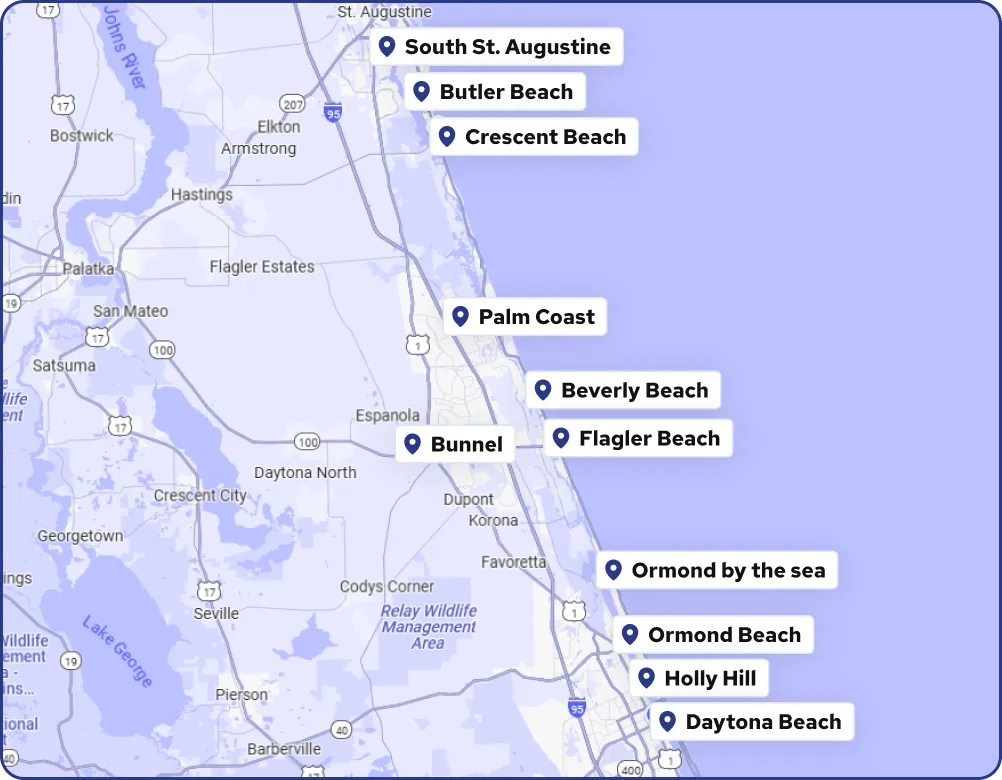
Service Areas