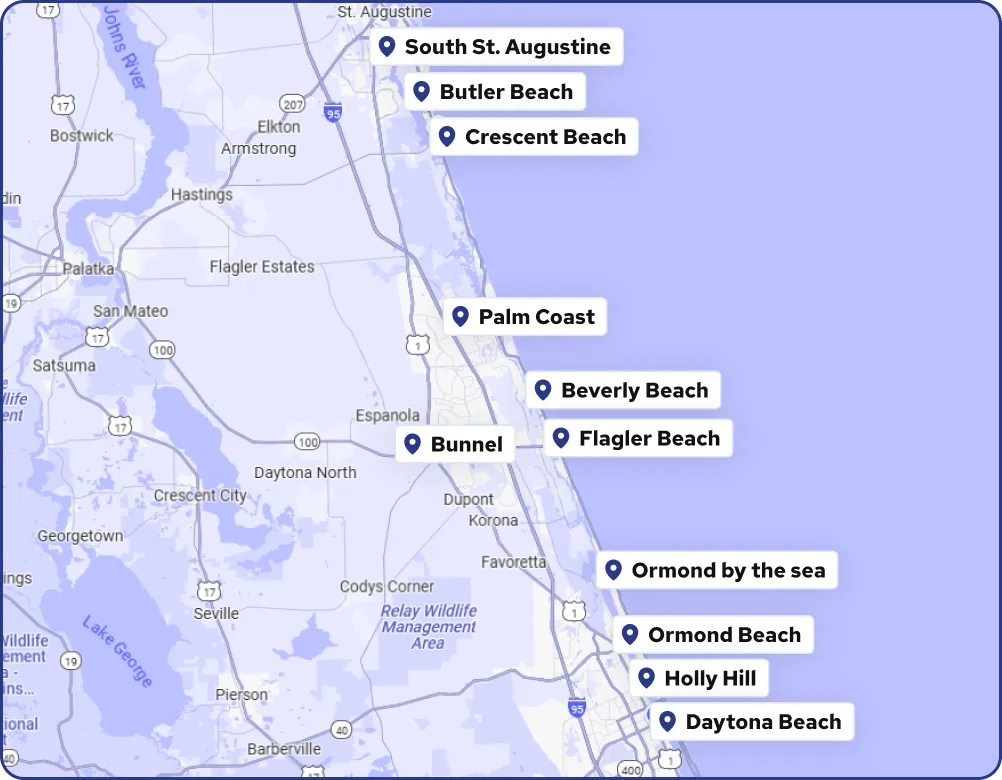



Battling the Florida heat and humidity can be taxing without a reliable HVAC system, as high temperatures turn minor malfunctions into urgent emergencies. Discover how our expert technicians ensure your home remains a sanctuary, no matter the weather in Daytona or the surrounding areas. Contact us immediately to schedule service or discuss financing options for a new system.
- Rapid response teams available to address system failures and restore cooling capacity.
- Energy-efficient solutions designed to reduce monthly utility bills and enhance indoor comfort.
- Custom maintenance plans tailored to the coastal Florida climate, ensuring longevity and performance.
All services are fully licensed, insured, and backed by a comprehensive warranty for peace of mind.
Comprehensive HVAC Solutions Available Now
When your air conditioning or heating system fails, the priority is restoring safety and comfort to your home. HVAC service is not just about swapping out parts; it is about diagnosing the thermal dynamics of your property to ensure consistent airflow and humidity control. Accu-Temp Heating and Air Conditioning provides a full spectrum of services designed to handle the specific demands of subtropical climates.
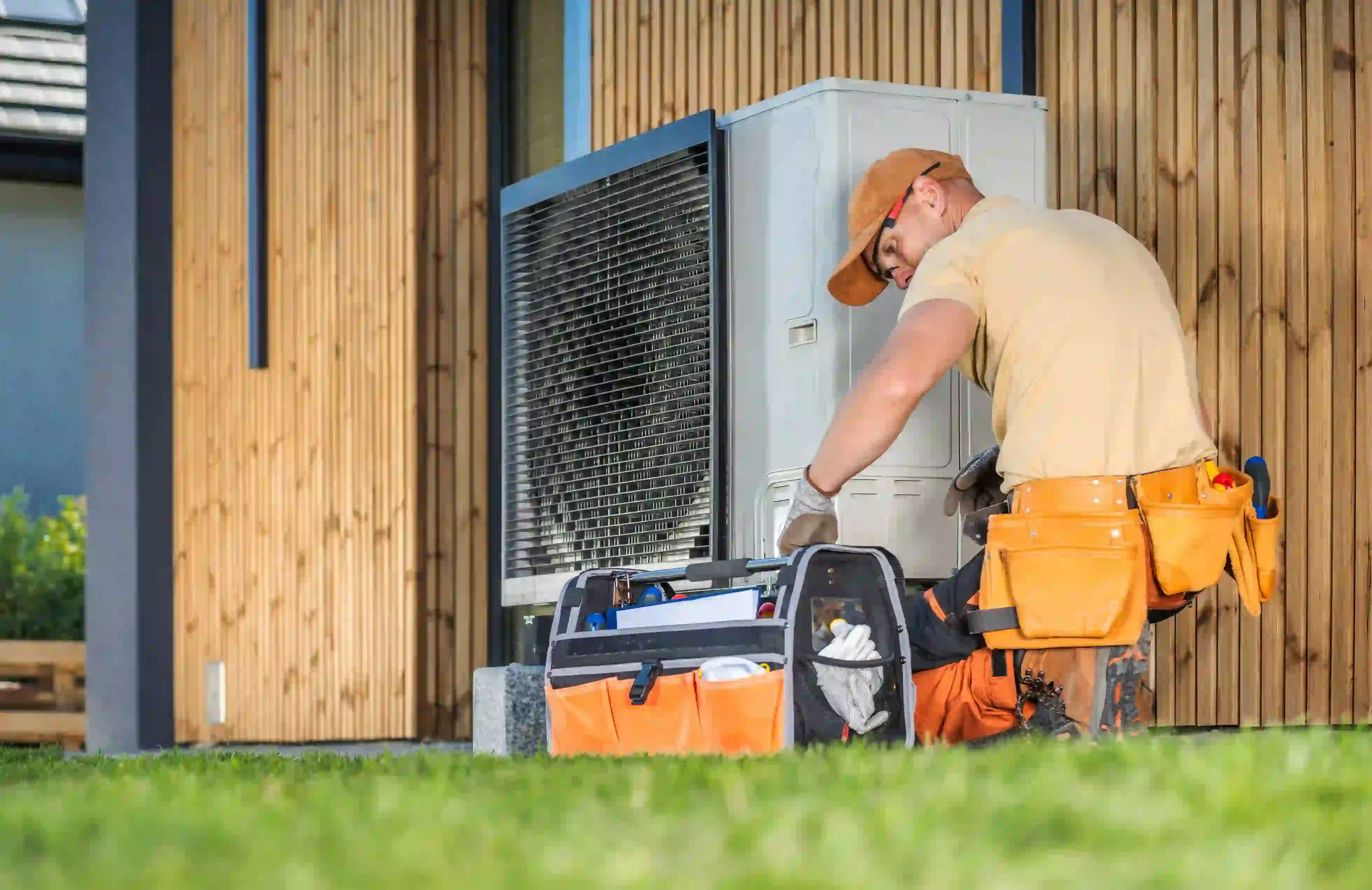
Diagnostic and Repair Protocols
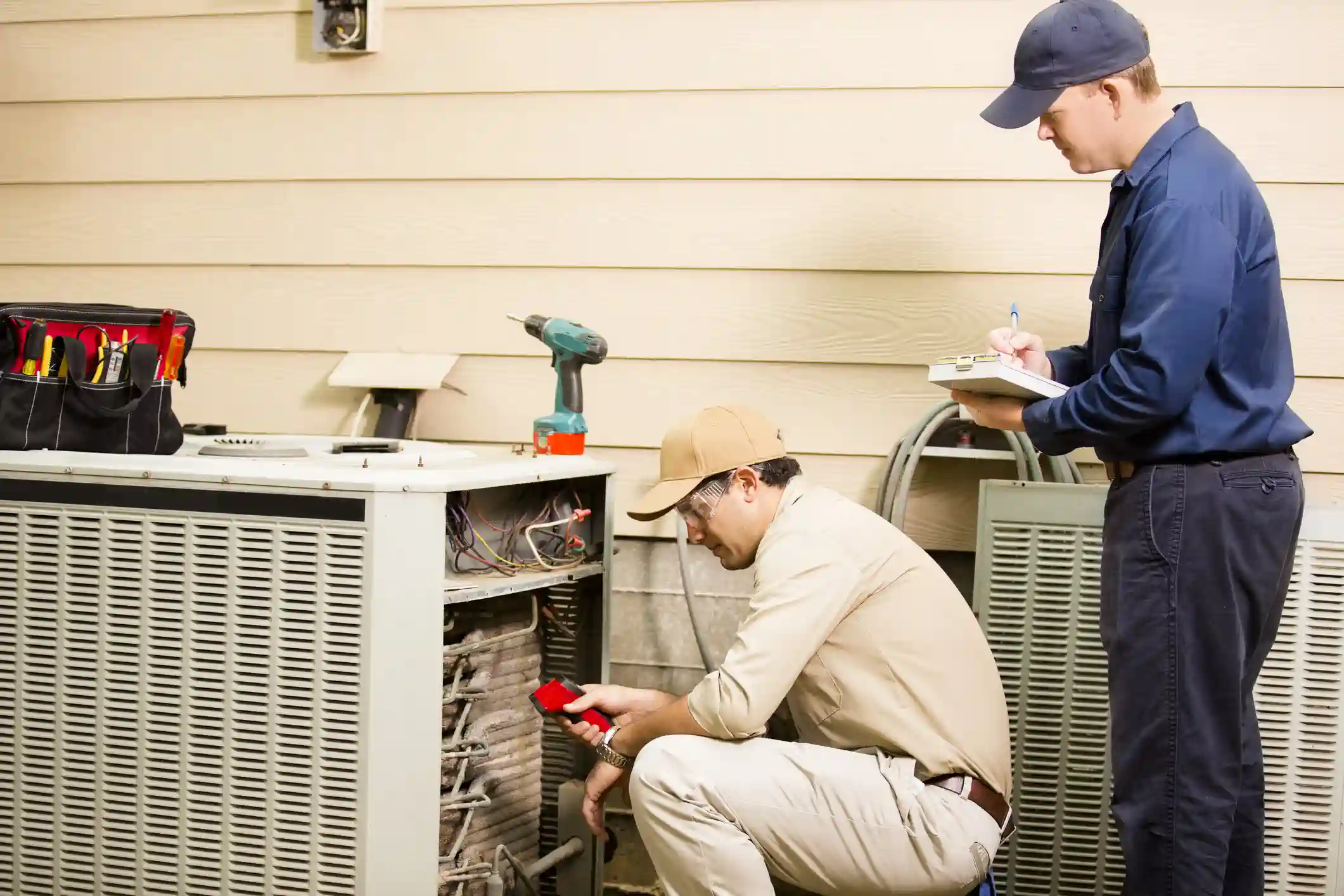
Modern HVAC systems rely on complex communication between the thermostat, the control board, and mechanical components. When a technician arrives, the focus is on identifying the root cause of the failure rather than just treating the symptom.
- Electrical Analysis: Technicians inspect capacitors, contactors, and wiring connections. Loose or corroded connections often cause intermittent failures or complete system shutdowns.
- Refrigerant Charge Verification: Proper refrigerant levels are critical for heat exchange. Low levels indicate a leak that must be repaired, while overcharged systems can damage the compressor.
- Airflow Assessment: Static pressure tests measure the resistance within your ductwork. Restricted airflow freezes coils and strains the blower motor, leading to premature failure.
- Condensate Drain Cleaning: In humid environments, algae and sludge can block drain lines, triggering safety switches that shut down the unit to prevent water damage.
System Maintenance for Longevity
Routine maintenance is the only way to prevent unexpected breakdowns during the peak summer months. A comprehensive tune-up involves more than a filter change; it requires a deep clean and calibration of the entire system.
- Coil Cleaning: Dirty condenser coils cannot release heat effectively, causing the system to run longer and consume more electricity. Chemical cleaning removes salt spray, dust, and debris.
- Moving Part Lubrication: Motors and fans require reduced friction to operate efficiently. Lack of lubrication leads to overheating and seizing.
- Thermostat Calibration: Ensuring the thermostat reads the temperature accurately prevents the system from short-cycling, which wears down the compressor.
The Installation and Replacement Process
Installing a new HVAC system is a major construction project that alters the infrastructure of your home. The quality of the installation dictates the efficiency and lifespan of the equipment. A high-end unit installed poorly will perform worse than a standard unit installed correctly.
- Load Calculation and Sizing: First, a technician performs a Manual J load calculation. This calculation accounts for square footage, insulation levels, window placement, and local climate data. Oversized units cool the air too quickly without removing humidity, leading to a clammy indoor environment. Undersized units run continuously, failing to reach the set temperature.
- Ductwork Inspection and Modification: Next, the existing ductwork is evaluated to ensure it can handle the airflow of the new system. Leaky or collapsed ducts result in significant energy loss. Modifications may be necessary to optimize air distribution to every room.
- Equipment Placement and Securing: Then, the indoor and outdoor units are positioned. In hurricane-prone areas, the outdoor condenser must be anchored to a concrete pad using specific tie-downs to meet local building codes.
- Brazing and Vacuuming: Technicians braze the copper refrigerant lines and use a vacuum pump to remove all moisture and air from the system. Moisture left in the lines mixes with refrigerant to form acid, which eats away at the motor windings.
- Final Charge and Testing: Finally, the system is charged with the precise amount of refrigerant mandated by the manufacturer. The technician measures subcooling and superheat to verify the unit is operating at peak efficiency before signing off on the job.
Deciding Between Repair and Replacement
Determining whether to invest in a repair or commit to a new system is a financial and logistical decision. While repairs fix immediate issues, they do not reset the odometer on an aging unit. There are specific metrics used to evaluate the viability of a system.
The 50% Rule and Age Factor
Industry standards suggest that if the cost of a repair approaches 50% of the value of a new system, replacement is the more prudent financial choice.
- System Age: Most air conditioners in Florida last between 10 and 12 years due to the heavy workload and salt air. If a unit is over 10 years old and requires a major component like a compressor, replacement offers better long-term value.
- Refrigerant Type: Older systems utilizing R-22 refrigerant are becoming prohibitively expensive to repair as R-22 is phased out. Upgrading to a system that uses R-410A or newer refrigerants ensures future serviceability.
- Frequency of Breakdowns: One repair is an anomaly; repeated breakdowns indicate the system is reaching the end of its lifecycle. Continually paying for service calls often exceeds the monthly cost of financing a new, warrantied unit.
Efficiency and Comfort Considerations
Newer technology offers benefits that go beyond simple temperature control. If your current system struggles to keep up with heat waves or leaves the house feeling humid, a modern replacement solves these structural issues.
- SEER2 Ratings: New efficiency standards (SEER2) mean that modern units consume significantly less electricity to provide the same amount of cooling. The savings on monthly utility bills can offset a portion of the installation cost.
- Variable Speed Technology: Unlike single-stage units that run at 100% capacity or zero, variable-speed systems adjust their output to match the cooling demand. This results in quieter operation and superior humidity removal.
Navigating Local Climate and Regulatory Requirements
Operating an HVAC system in Daytona and the surrounding coastal region presents unique challenges that are not found in other parts of the country. The combination of salt air, high humidity, and strict building codes requires a specialized approach to service and installation.
Corrosion Protection
Properties located near the ocean are subject to salt spray, which rapidly corrodes aluminum fins and copper tubing on the outdoor condenser.
- Coastal Coatings: Specialized coatings can be applied to the coils to create a barrier against salt and moisture. This extends the life of the condenser and maintains heat transfer efficiency.
- Hardware Selection: Using stainless steel or coated fasteners prevents rust from compromising the structural integrity of the unit housing.
Permits and Building Codes
HVAC work is regulated to ensure safety and energy efficiency. Homeowners must ensure that any contractor working on their property adheres to municipal requirements.
- Permitting: Replacement of an HVAC system generally requires a building permit. This ensures the installation meets safety standards and that the electrical connections are up to code.
- Hurricane Preparedness: Florida building codes mandate that outdoor units be secured to withstand high-velocity winds. Improperly secured units can become dangerous projectiles during a storm.
- Rebate Eligibility: Many local utility companies offer rebates for upgrading to high-efficiency systems. These rebates often require proof of professional installation and specific SEER ratings, which must be documented by the contractor.
Humidity Management
In this region, the latent heat load (humidity) is often as difficult to manage as the sensible heat load (temperature).
- Dehumidification: Standard AC units remove humidity as a byproduct of cooling. However, during shoulder seasons when the temperature is mild but humidity is high, the AC may not run long enough to dry the air. Whole-home dehumidifiers or two-stage cooling systems are recommended to maintain indoor relative humidity below 60%, preventing mold growth and protecting wood furniture.
Professional Execution and System Integrity
The difference between a functional system and an optimal system lies in the technical execution of the service. Accu-Temp Heating and Air Conditioning utilizes advanced diagnostic tools and adheres to strict industry protocols to ensure every job is done correctly the first time.
Technical Expertise
Modern HVAC equipment involves sophisticated electronics and precise mechanical tolerances.
- NATE Certification: Technicians with North American Technician Excellence (NATE) certification have demonstrated a mastery of real-world working knowledge of HVAC systems. This certification verifies competency in installation, service, and maintenance.
- Combustion Safety: For homes with gas heating, proper venting and combustion analysis are matters of life and safety. Technicians check heat exchangers for cracks and ensure carbon monoxide is properly vented outside the home.
Warranty and Accountability
Professional service includes the backing of warranties that protect the homeowner's investment.
- Manufacturer Warranties: Validating a manufacturer warranty requires proof of installation by a licensed contractor. DIY repairs or unlicensed work can void these warranties, leaving the homeowner liable for future part failures.
- Labor Guarantees: Reputable contractors stand behind their workmanship. If an issue arises post-installation related to the labor, it is addressed promptly without additional cost to the homeowner.
Indoor Air Quality Integration
HVAC systems are the lungs of the home. Professional service includes evaluating the impact of the system on indoor air quality.
- Filtration Upgrades: Standard one-inch filters protect the equipment but do little for air quality. Technicians can install media cabinets that house thick, pleated filters capable of capturing smaller particulate matter like allergens and smoke.
- UV Light Purification: Installing UV lights within the air handler or ductwork helps neutralize airborne bacteria and prevents mold from growing on the damp evaporator coil.
Secure the comfort and safety of your home today.
Contact us now to schedule your comprehensive HVAC service or estimate.
Safeguard Your Home’s Comfort With Daytona’s Trusted HVAC Professionals
In a climate as demanding as Daytona’s, where intense heat, heavy humidity, and ocean-driven corrosion are constant threats, a dependable HVAC system is essential—not optional. When your air conditioning or heating system falters, your home can quickly become uncomfortable or even unsafe. That’s why Accu-Temp Heating and Air Conditioning is dedicated to delivering rapid, precision-driven solutions tailored to the unique challenges of coastal Florida living. From diagnostic accuracy to code-compliant installations and humidity-management strategies, our approach ensures your system performs reliably in every season.
Whether you’re dealing with a sudden breakdown, exploring energy-efficient upgrades, or proactively maintaining your system for long-term performance, our certified technicians provide clarity, expertise, and craftsmanship on every visit. With advanced diagnostic protocols, corrosion-resistant installation practices, and industry-backed warranties, we deliver more than temporary fixes—we deliver lasting peace of mind.
Your home should remain a cool, healthy, and comfortable retreat regardless of the weather outside. Our team is ready to help you achieve that with reliable service and transparent guidance.
Contact Us
Why Choose One Company for Everything?

Simplicity

Expertise

Savings
Service Areas