


Why Your Heat Pump Stops Cooling in Florida's Heat
When your heat pump not cooling becomes a reality during Florida's sweltering summer, you need answers fast. A heat pump that fails to cool can quickly turn your home into a sauna, especially when outdoor temperatures soar.
Quick diagnosis for a heat pump not cooling:
- Check thermostat settings - Ensure it's set to "Cool" and the temperature is below the current room temperature.
- Inspect the air filter - A dirty filter restricts airflow and can cause the system to blow warm air.
- Verify power supply - Check circuit breakers for both indoor and outdoor units.
- Examine the outdoor unit - Remove debris and ensure proper airflow around the condenser.
- Look for ice buildup - Frozen coils indicate refrigerant or airflow issues that require professional help.
Heat pumps provide year-round comfort by heating in winter and cooling in summer. When the cooling function fails, the problem often stems from simple issues like incorrect thermostat settings or dirty components. While you can fix some problems with basic troubleshooting, others—like refrigerant leaks or frozen coils—require professional repair to avoid safety risks and costly damage.
Understanding the warning signs helps you know when to try a simple fix versus when to call for expert help.
First Steps: Simple Homeowner Checks for a Heat Pump Not Cooling
When your heat pump stops cooling, don't panic. Several simple checks can often resolve the issue without a professional visit, saving you time and money.
Check Your Thermostat Settings
A simple thermostat adjustment is often the culprit behind a heat pump not cooling. First, ensure your thermostat is set to "Cool" mode, not "Heat" or "Fan Only." Next, check that your desired temperature is at least 2 degrees below the current indoor temperature, or it won't call for cooling.
Also, set the fan to "Auto," not "On." The "On" setting runs the fan constantly, which will circulate warm air when the cooling cycle is off. Finally, if your thermostat is battery-powered, low batteries can cause communication issues. A quick battery swap might be all it needs. For smart thermostats, a reset (following manufacturer instructions) can sometimes clear minor errors.
For more tips, see our guide on How to Use and Take Care of a Heat Pump the Right Way.
Inspect the Air Filter
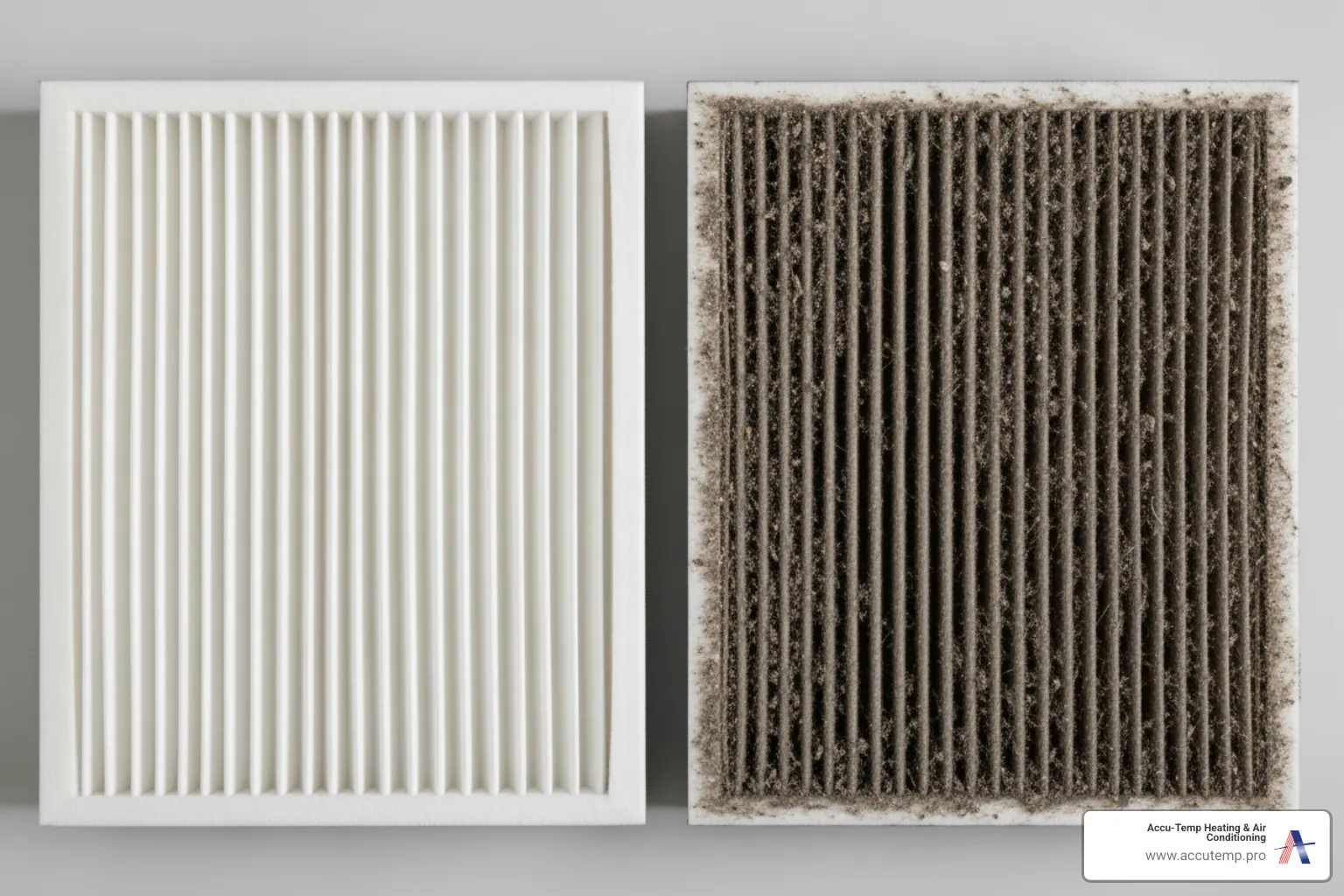
If your thermostat settings are correct, check your air filter. A dirty or clogged air filter is one of the most common reasons a heat pump not cooling efficiently.
When the filter is clogged with dust and debris, airflow becomes severely restricted. This forces your heat pump to work harder, leading to reduced cooling and higher energy bills. In severe cases, restricted airflow can cause your evaporator coil to freeze over.
We recommend checking your air filter monthly and replacing it every 30 to 90 days, depending on your filter type and household needs (e.g., pets, allergies). It's a simple, inexpensive task that makes a huge difference in performance and dehumidification. Learn more in our article: Why Your Heat Pump isnt Dehumidifying.
Verify Power to the System
If your heat pump isn't turning on at all, a power issue is a likely culprit. Start by checking your electrical panel for tripped circuit breakers labeled for your HVAC system (both indoor and outdoor units). Flip any tripped breaker completely off, then firmly back to the "on" position. If it immediately trips again, do not keep resetting it. This indicates a more serious electrical problem that requires a professional.
Also, ensure any power disconnect switches near your indoor and outdoor units are in the "on" position. If the unit still won't turn on, the problem might be more complex, and it's time to call for service.
Investigating Airflow and the Outdoor Unit
After checking the basics inside, it's time to look at your outdoor unit. It can't move heat away from your home if it's fighting against blocked airflow or dirty components.
Clean the Outdoor Unit and Coils
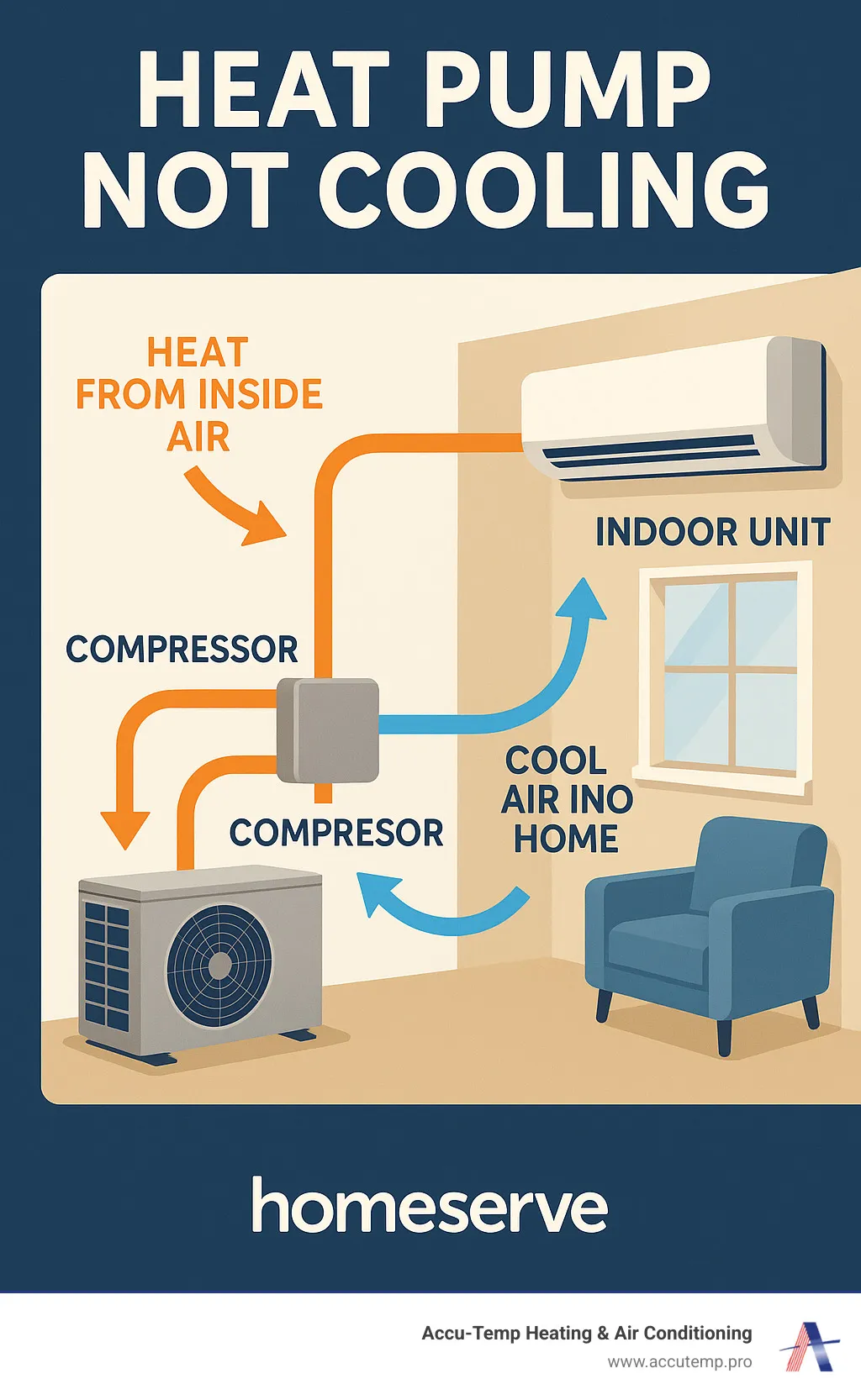
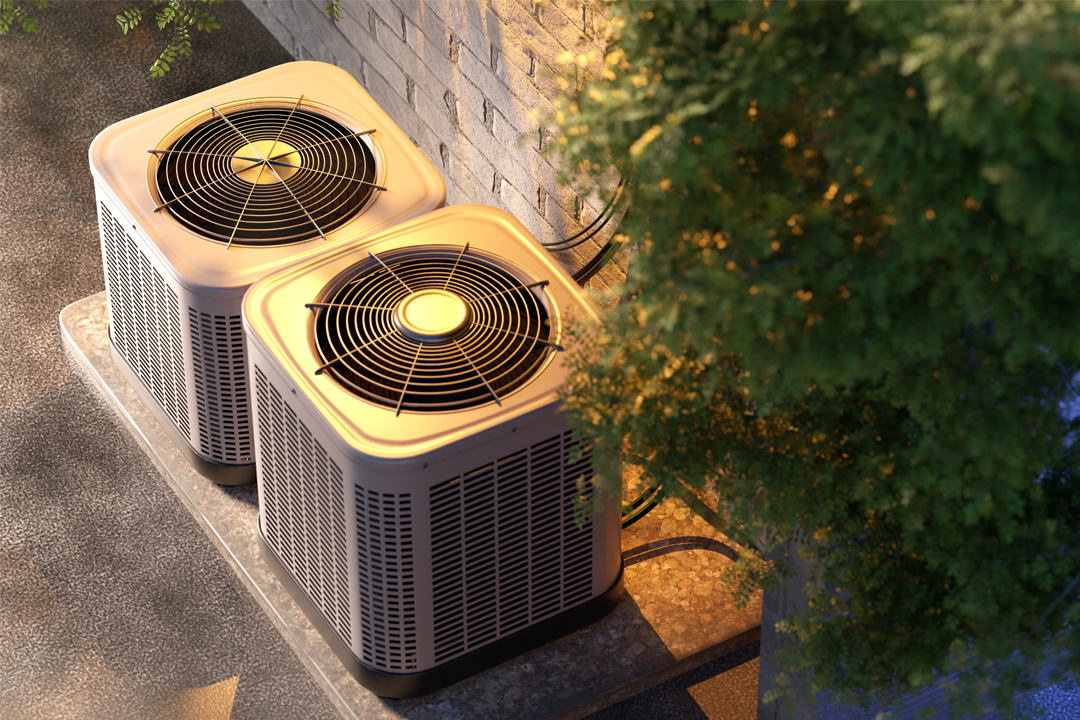
Your outdoor unit (the condenser) releases heat absorbed from inside your home. Over time, its coils collect leaves, grass clippings, and dirt. This buildup acts like an insulating blanket, making it difficult to release heat effectively and forcing the system to work harder.
To clean it, first turn off all power to the unit at the circuit breaker. Clear away any large debris like leaves and twigs. Then, use a garden hose to gently rinse the coils from the inside out, pushing dirt away from the unit. Use a gentle spray, as high pressure can bend the delicate fins and restrict airflow.
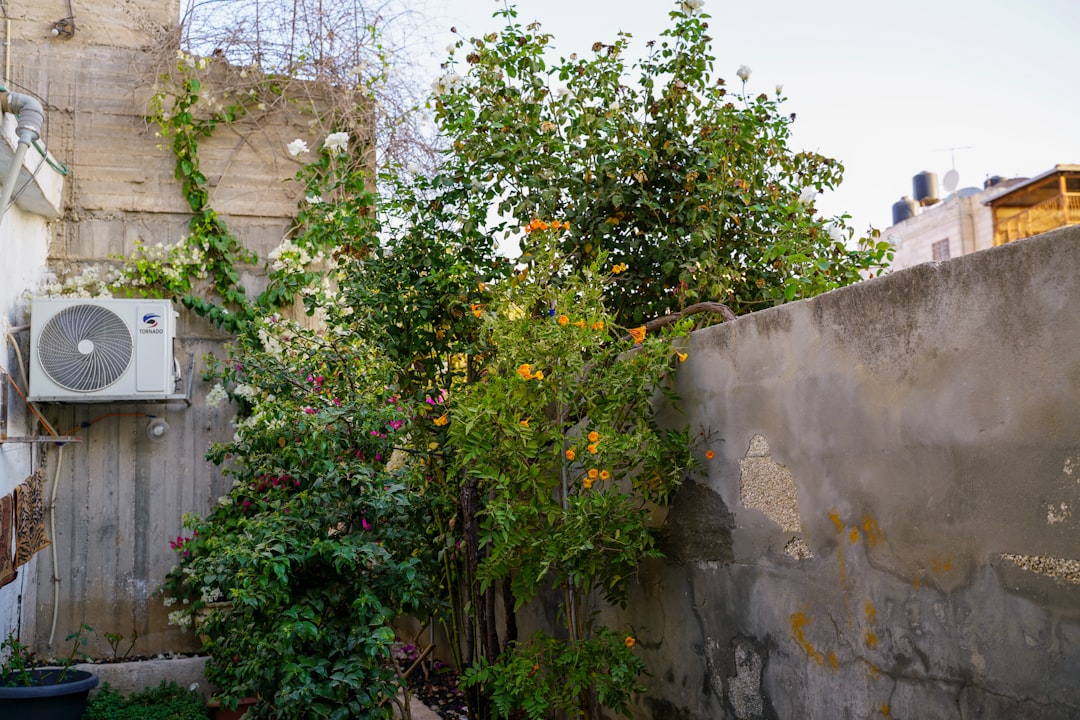
It's also crucial to maintain at least two feet of clearance around the entire outdoor unit. Trim back plants and move any stored items that could block airflow. While you can handle basic cleaning, a professional cleaning is more thorough. Check out our guides on Proper Heat Pump Maintenance and Heat Pump Maintenance Guide for more tips.
Ensure Vents and Registers Are Open
Sometimes, the issue with your heat pump not cooling is that the cool air can't get where it needs to go. Walk through your home and check that all supply vents (where cool air comes out) and return air grilles (where warm air is pulled in) are open and not blocked by furniture, curtains, or rugs.
Blocked vents create pressure imbalances and prevent rooms from cooling evenly. Contrary to popular belief, closing vents in unused rooms does not save energy. Your HVAC system is designed for a specific airflow volume; closing vents can strain the blower motor and reduce overall efficiency. For best performance, keep all vents open and unobstructed.
Common Mechanical and Electrical Failures
If basic troubleshooting doesn't solve your heat pump not cooling issue, the problem is likely a more complex mechanical or electrical failure. These issues require professional training and tools to diagnose and repair safely. Attempting DIY repairs on these components can be dangerous and will likely void your warranty.
The Reversing Valve is Stuck
The reversing valve is what allows a heat pump to switch between heating and cooling modes by changing the direction of refrigerant flow. If this valve gets stuck, your heat pump not cooling might be because it's jammed in heating mode. You might hear a clicking noise from the outdoor unit as the valve attempts to switch, or the air from your vents may remain warm regardless of the thermostat setting. A persistently stuck reversing valve requires professional repair. You can learn more about what is a reversing valve and how it works.
Your System has a Refrigerant Leak
Refrigerant is essential for moving heat. It doesn't get "used up," so if your system is low on refrigerant, it has a leak. This is a common reason for a heat pump not cooling properly. Signs of a leak include:
- Hissing or gurgling sounds from the unit.
- Ice forming on the indoor or outdoor coils.
- The system runs constantly but blows lukewarm air.
- A sudden increase in energy bills.
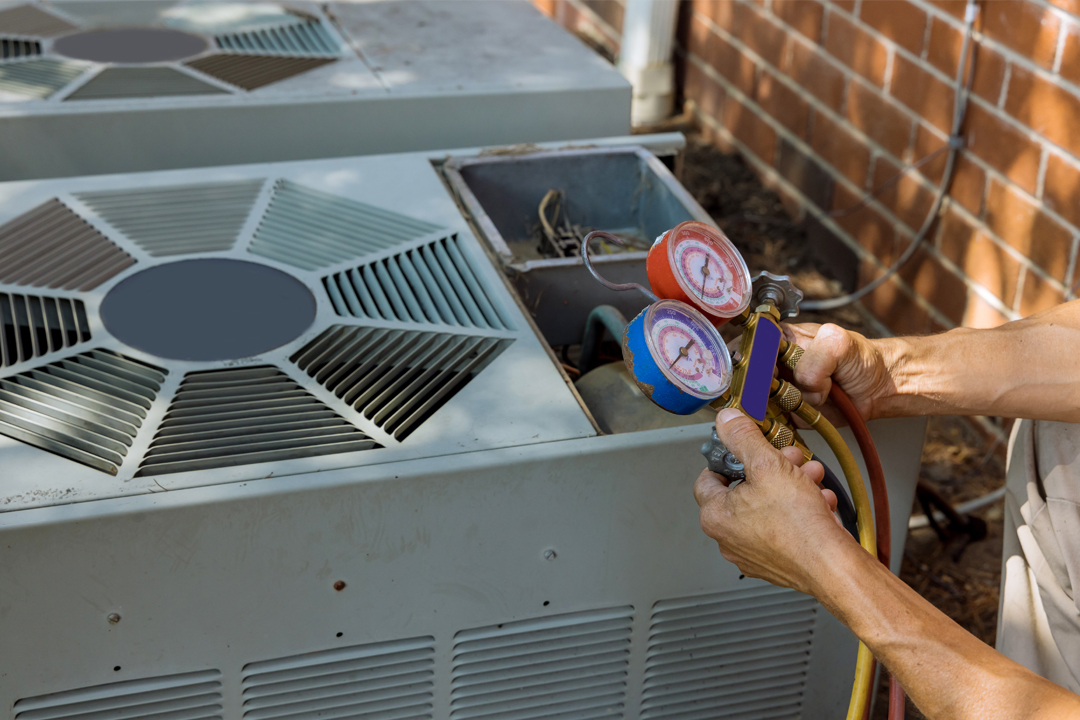
Only an EPA-certified HVAC professional can legally handle refrigerant. They must locate and repair the leak before recharging the system to the correct level. Simply adding more refrigerant is a temporary and costly fix that doesn't solve the underlying problem.
The Evaporator Coil is Frozen
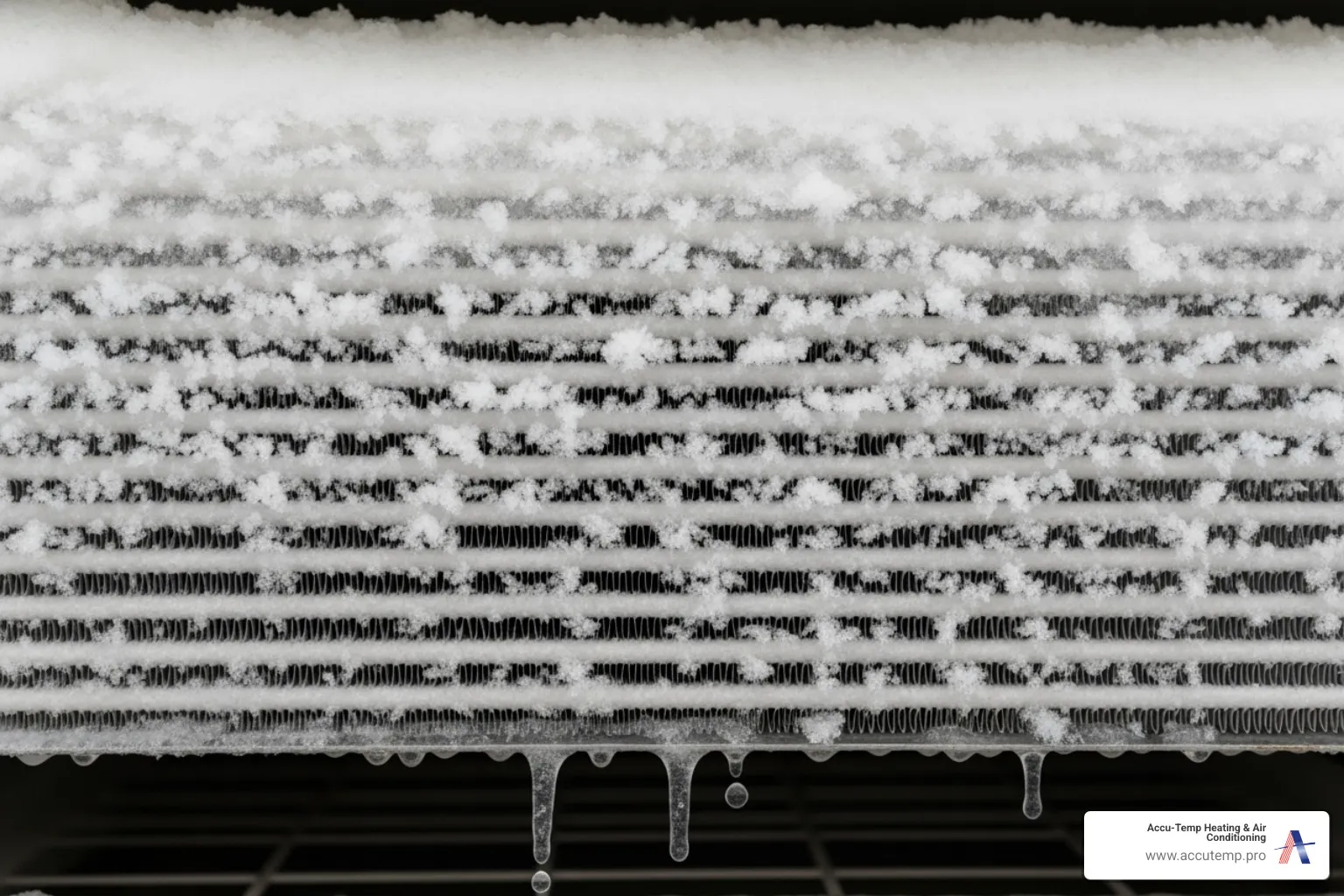
A frozen evaporator coil is another common reason for a heat pump not cooling. When ice forms on the coil, it blocks airflow and prevents the coil from absorbing heat from your home's air. Instead of cool air, you'll get warm air from your vents, if any air comes out at all.
Freezing is typically caused by two issues: restricted airflow (from a dirty filter or blocked vents) or low refrigerant levels. If you find a frozen coil, turn off your heat pump's cooling function immediately and switch the fan to "On" or "Fan Only" to help the ice melt. This can take several hours. While it thaws, replace the air filter if it's dirty. If the coil refreezes after thawing, you likely have a refrigerant leak or another issue that requires professional service. For more on this, see our guide on Common Mini-Split Heat Pump Issues.
When to Call a Professional and What to Expect
While DIY troubleshooting is great for simple fixes, some heat pump not cooling issues require the specialized knowledge and tools of a certified HVAC technician. Knowing when to call a pro is about safety and protecting your investment.
Signs You Need an Expert for a heat pump not cooling
If you've completed the homeowner checks and the problem persists, it's time to call for help. Contact a professional immediately if you notice any of these red flags:
- Loud or unusual noises: Banging, screeching, grinding, or squealing sounds often indicate a serious mechanical failure, such as a problem with the fan motor or bearings.
- Electrical smells: Any burning or strange electrical odors are a serious hazard. Turn off your system at the breaker and call for service immediately.
- Frequent cycling: If your system turns on and off rapidly without completing a full cooling cycle (short cycling), it's putting immense strain on the compressor. This can be caused by several issues, including low refrigerant. Learn more here: Why Heat Pump Won't Stop Running.
- Breaker trips repeatedly: If your circuit breaker trips more than once, it signals an electrical fault. Do not keep resetting it, as this can be dangerous and cause more damage.
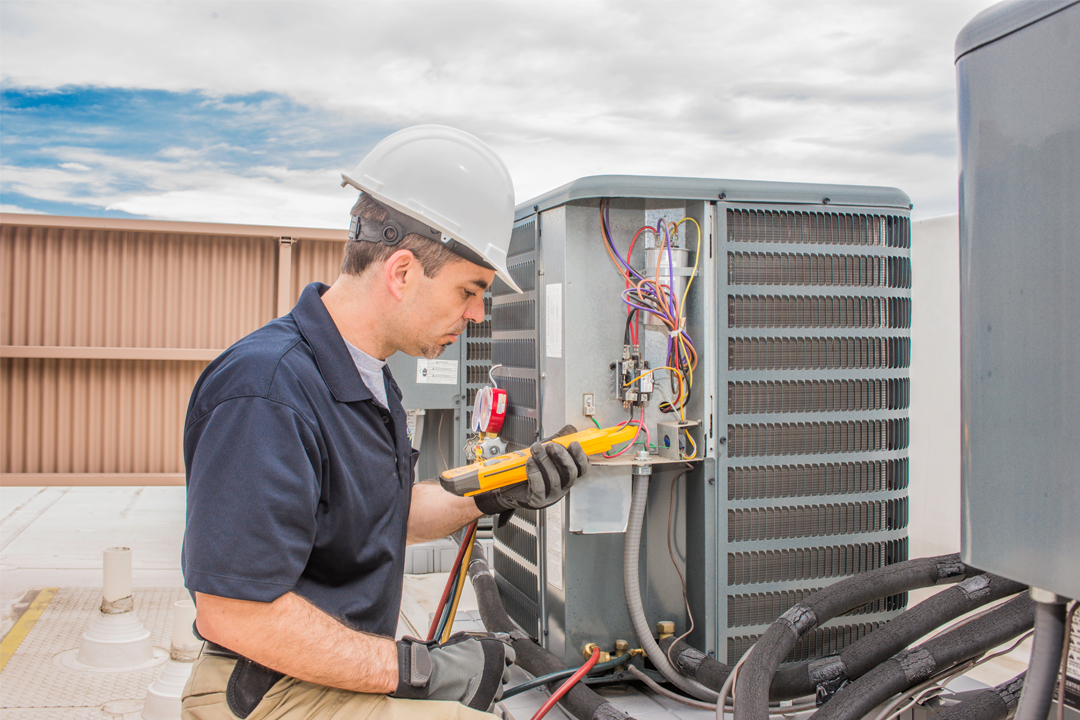
When our technicians arrive, they will perform a thorough diagnosis, explain the findings clearly, and provide you with repair options. For general information, the Department of Energy has helpful resources on heat pump systems.
Risks of Ignoring a heat pump not cooling
It can be tempting to ignore a struggling heat pump, but delaying repairs can lead to more expensive and inconvenient problems.
- Compressor damage: Issues like low refrigerant or frozen coils put tremendous stress on the compressor. A failed compressor is one of the most expensive HVAC repairs, sometimes costing nearly as much as a new unit.
- Increased energy bills: A malfunctioning heat pump works harder and runs longer, causing a noticeable spike in your utility bills.
- Complete system failure: A minor issue can escalate into a total breakdown, leaving you without any cooling during the hottest time of the year.
- Water damage: A repeatedly freezing and thawing coil can cause the condensate drain pan to overflow, leading to water damage to your ceilings, walls, or floors.
Frequently Asked Questions about Heat Pump Cooling Issues
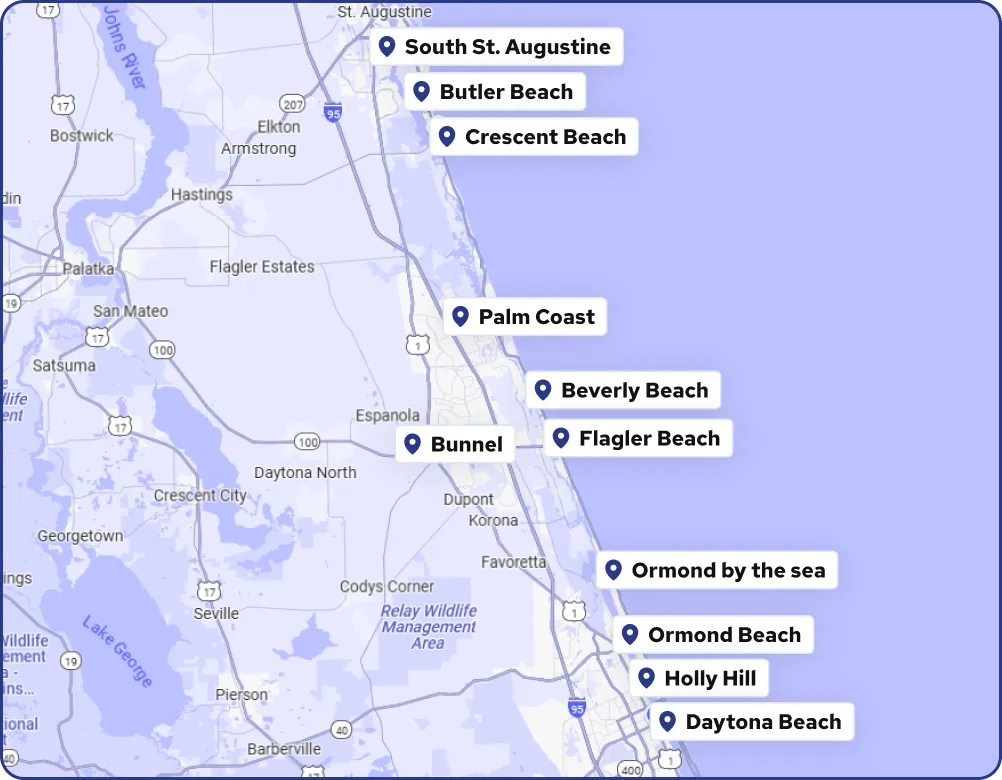
We've helped many homeowners in the Palm Coast and Daytona Beach areas with their heat pump not cooling problems. Here are answers to the most common questions we hear.
Why is my heat pump running but not blowing cold air?
If your system is running but the air isn't cool, something is interrupting the heat transfer process. The most common causes are:
- A dirty air filter: This is the number one culprit. A clogged filter chokes off the airflow your system needs.
- Low refrigerant: If your system has a leak, it won't have enough refrigerant to cool the air effectively.
- Dirty coils: Grime on the indoor or outdoor coils prevents them from transferring heat properly.
- A failed compressor or stuck reversing valve: These are mechanical failures that stop the cooling process even if the fans are running.
How do I know if my reversing valve is bad?
The reversing valve switches your heat pump between heating and cooling. If it fails, your system may get stuck in the wrong mode. The most common signs are:
- Stuck in one mode: The system blows warm air when set to "Cool," or vice-versa.
- Clicking sounds: You may hear clicking from the outdoor unit as the valve tries but fails to switch.
- Lukewarm air: If the valve is partially stuck, the air may be neither hot nor cold.
Diagnosing a bad reversing valve requires a professional technician.
Can a dirty filter really stop my heat pump from cooling?
Yes, absolutely. A clogged air filter is one of the most common and preventable causes of a heat pump not cooling. It severely restricts the flow of air your system needs to operate. This lack of airflow can cause the indoor evaporator coil to get too cold and freeze into a block of ice. Once the coil is frozen, it can no longer absorb heat from your home, and you'll get warm air from your vents. This also puts immense strain on the system's blower motor, leading to premature failure and more expensive repairs.
Conclusion
When your heat pump not cooling during a Florida summer, it's a major inconvenience. Fortunately, you now know how to handle many common issues yourself. Start with the simple checks: correct the thermostat settings, replace a dirty air filter, and clear debris from your outdoor unit. These steps can often restore your cooling without a service call.
However, some problems like refrigerant leaks, a stuck reversing valve, or electrical issues are not DIY fixes. For these complex and potentially dangerous problems, it's crucial to call a professional. Attempting to fix them yourself can lead to more expensive damage.
The best way to avoid a heat pump not cooling crisis is through regular maintenance. Professional service catches small issues before they become major failures, ensuring your system runs efficiently and lasts its full lifespan. Learn more about the Regular Heat Pump Service Benefits.
At Accu-Temp Heating & Air Conditioning, we're your local, family-owned HVAC team serving the Palm Coast to Daytona Beach area. We understand the frustration of a broken cooling system and back all our work with a 100% satisfaction guarantee. Your comfort is our priority.
Don't let a malfunctioning heat pump disrupt your summer. Schedule your AC repair in Palm Coast, FL today and let us restore comfort to your home.
Contact Us
Latest articles


Service Areas