




How can we help today?
Choose an option to see quick actions and get help faster.
Simple Methods To Easily Find Out The Humidity Levels In Your House
There are three methods by which you can find out how much moisture content is in your home's air.
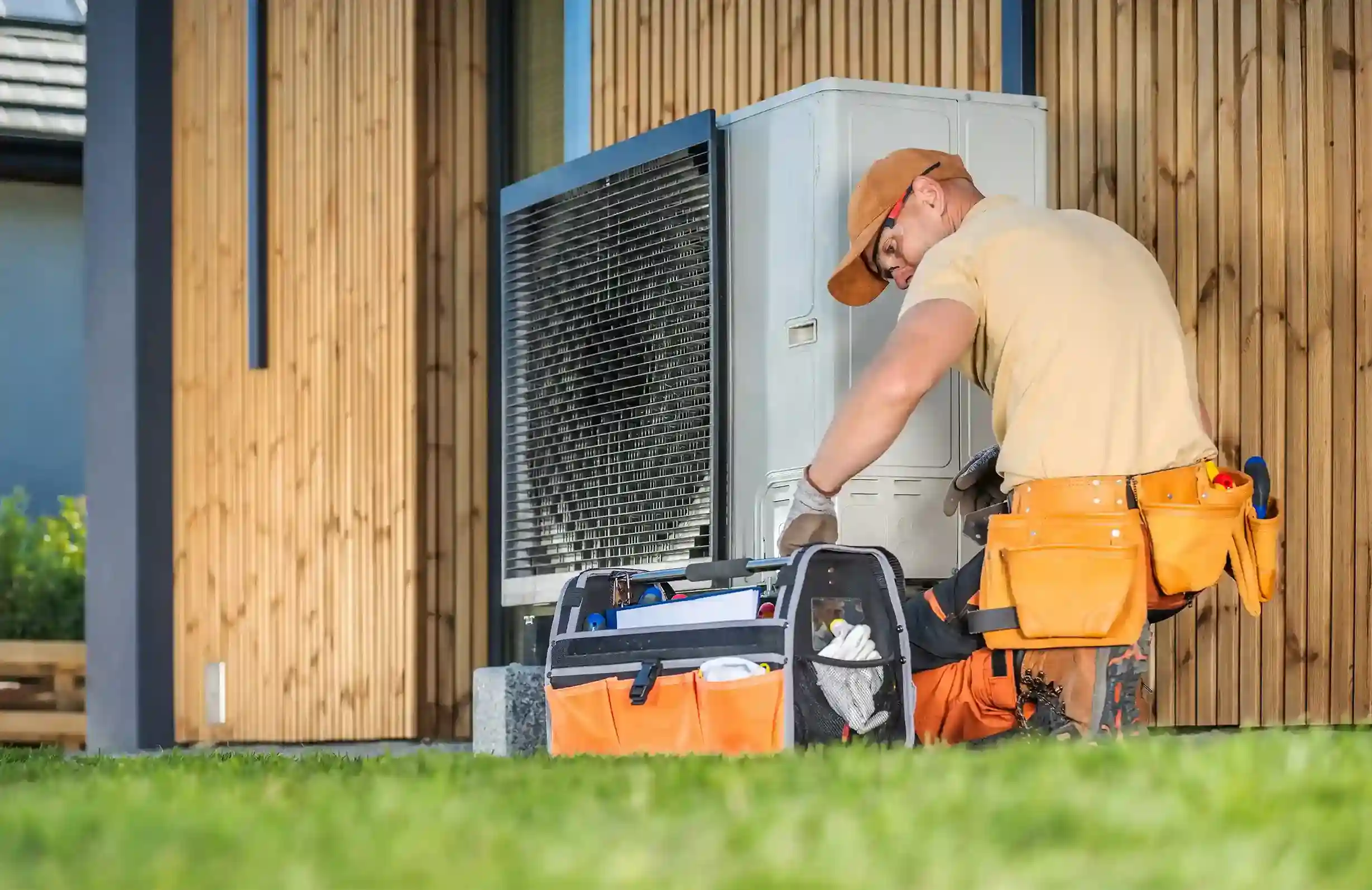
- HVAC or Indoor Air Quality Technician: The most effective and quick way is to call the experts for HVAC repair in Palm Coast, FL, and surrounding areas. The technician will use a hygrometer, (technical equipment that helps measure the amount of water vapor in the air, soil, or in closed spaces.)
- The Ice Cube Method: It is a simple method and gives you a rough idea about the water vapor levels in the living space. You need a glass of water with a few ice cubes floating in it. Follow the given steps to test the humidity levels:
- Step 1: Fill a glass of water with 2-3 ice cubes and leave it unaltered for five minutes. Avoid keeping the glass in the kitchen, and place it somewhere in a quiet and shady environment.
- Step 2: After five minutes, check for the condensation droplets on the glass’ interior surface.
- Step 3: If condensation forms on the sides of the glass, it means the humidity levels are high. If there are no signs, it means decreased humidity levels in your residence’s air.
- Wet and Dry Bulb Thermometer Method: It gives a little more accurate results than the previous method for checking the humidity levels.
- Step 1: Take the first thermometer and mark it as a dry thermometer. Keep it aside on the table.
- Step 2: Take a cotton ball and dip it in room-temperature water. Take all the excess water out and wrap it around the second thermostat’s bottom. Fix the position of the cotton ball with the help of a rubber band.
- Step 3: Keep the two thermostats side by side and leave them for 5-10 minutes.
- Step 4: Calculate the difference between the two thermometer temperatures and check what the difference says about the humidity from the chart. If the dry bulb temperature is 75F and the wet bulb indicates 62.5F, the relative humidity is approximately 49% in the air.
What Should Be The Ideal Humidity Level In The Residence Atmosphere?
The ideal humidity levels change according to the changes in the seasons. In the summer season, the humidity level in residence should be between 40-50%. However, the ideal humidity level is between 30-40% in winter.
- To Sum Up: You should maintain humidity levels because dry air and excess moisture air can lead to health problems. Contact us for AC repair in Daytona Beach to know more about our services.
Contact Us
Thank you! Your submission has been received!
Oops! Something went wrong while submitting the form.
Latest articles

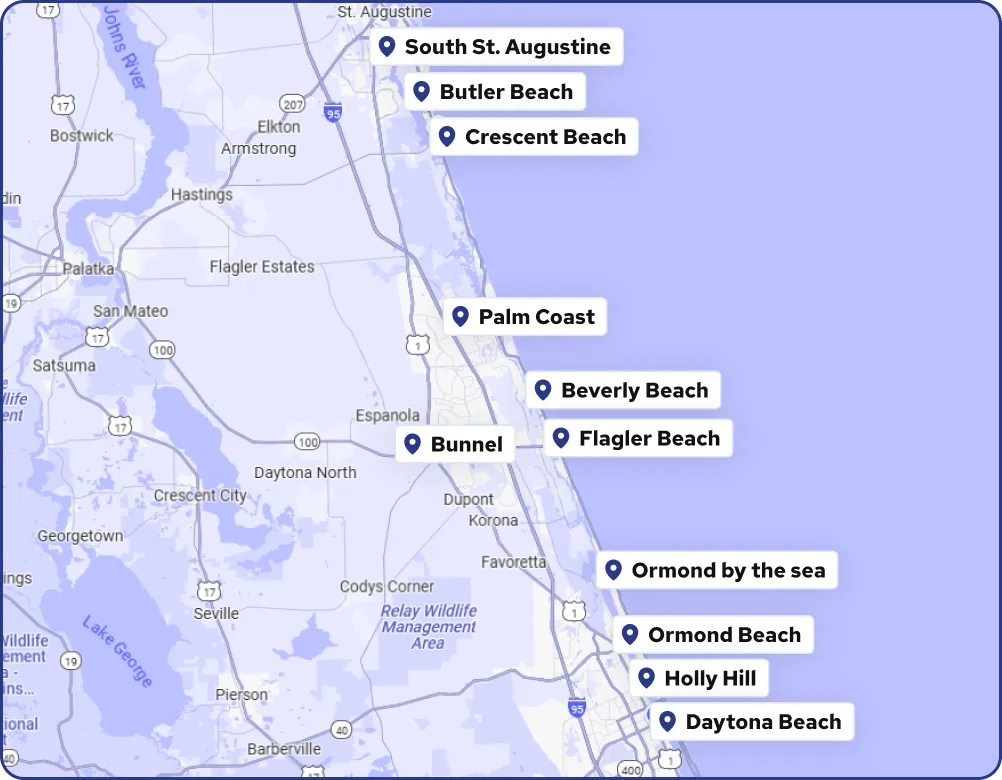
where we operate
Service Areas

Physical Address
408 South Daytona Ave., Flagler Beach, FL 32136
Contact
(386) 222-1540
Contact
accutemppc@gmail.com
Schedule
24/7
License
AC - CAC 1815058
Plumbing - CFC 1434131

Copyright © 2025 Accu-Temp Heating & Air Conditioning. All Rights Reserved.