


The Real Answer to "Is It Safe to Do Your Own Electrical Work?"
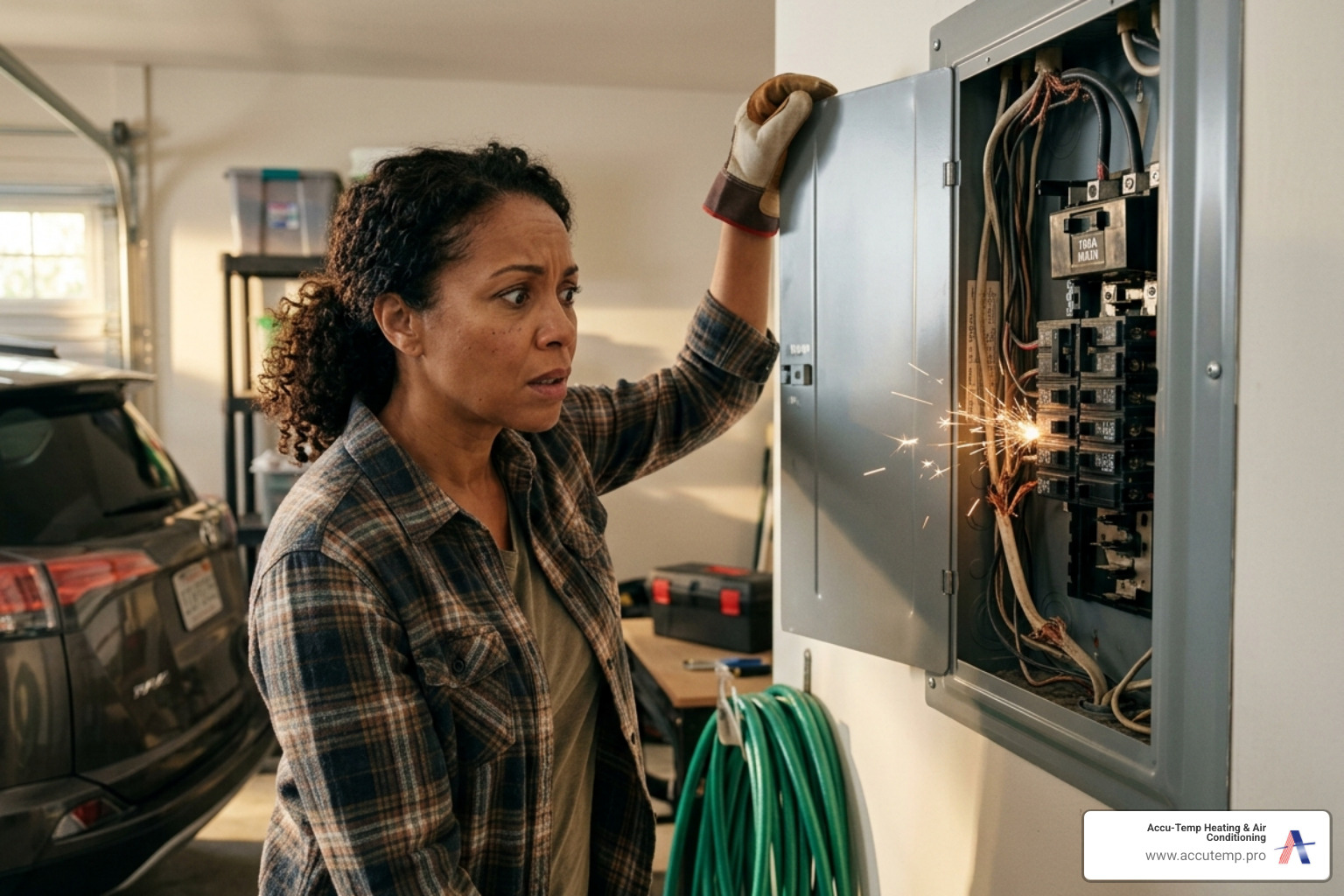
Is it safe to do your own electrical work? The short answer: it depends on the task — but the risks are far greater than most homeowners realize.
Here's a quick breakdown:
| Task Type | Safe for DIY? |
|---|---|
| Replacing a light switch or outlet (existing circuit, power off) | Generally yes, with caution |
| Installing a ceiling fan (existing wiring) | Sometimes, with proper knowledge |
| Resetting a tripped breaker | Yes |
| Adding a new circuit or outlet | No — permit and inspection required |
| Upgrading an electrical panel | No — always hire a licensed electrician |
| Any 240V work (dryers, AC units, ranges) | No — serious electrocution risk |
| Wiring a home addition or new construction | No — requires permits and professional oversight |
The truth is, electrical work sits in an unusual middle ground. Some tasks are genuinely manageable for a careful, informed homeowner. Others are legally restricted, physically dangerous, or both. And in Florida — where aging homes meet high cooling demands — the stakes are even higher.
According to the Electrical Safety Foundation International, more than 51,000 home electrical fires occur in the U.S. every year, many tied directly to improper wiring or amateur repairs. That number isn't meant to scare you away from changing a light switch — it's meant to underscore why knowing the line between a simple fix and a serious hazard can protect your home, your family, and your wallet.
This guide will walk you through exactly where that line is, what Florida law says about homeowner electrical work, and when calling a licensed professional isn't just the smart move — it's the only safe one.
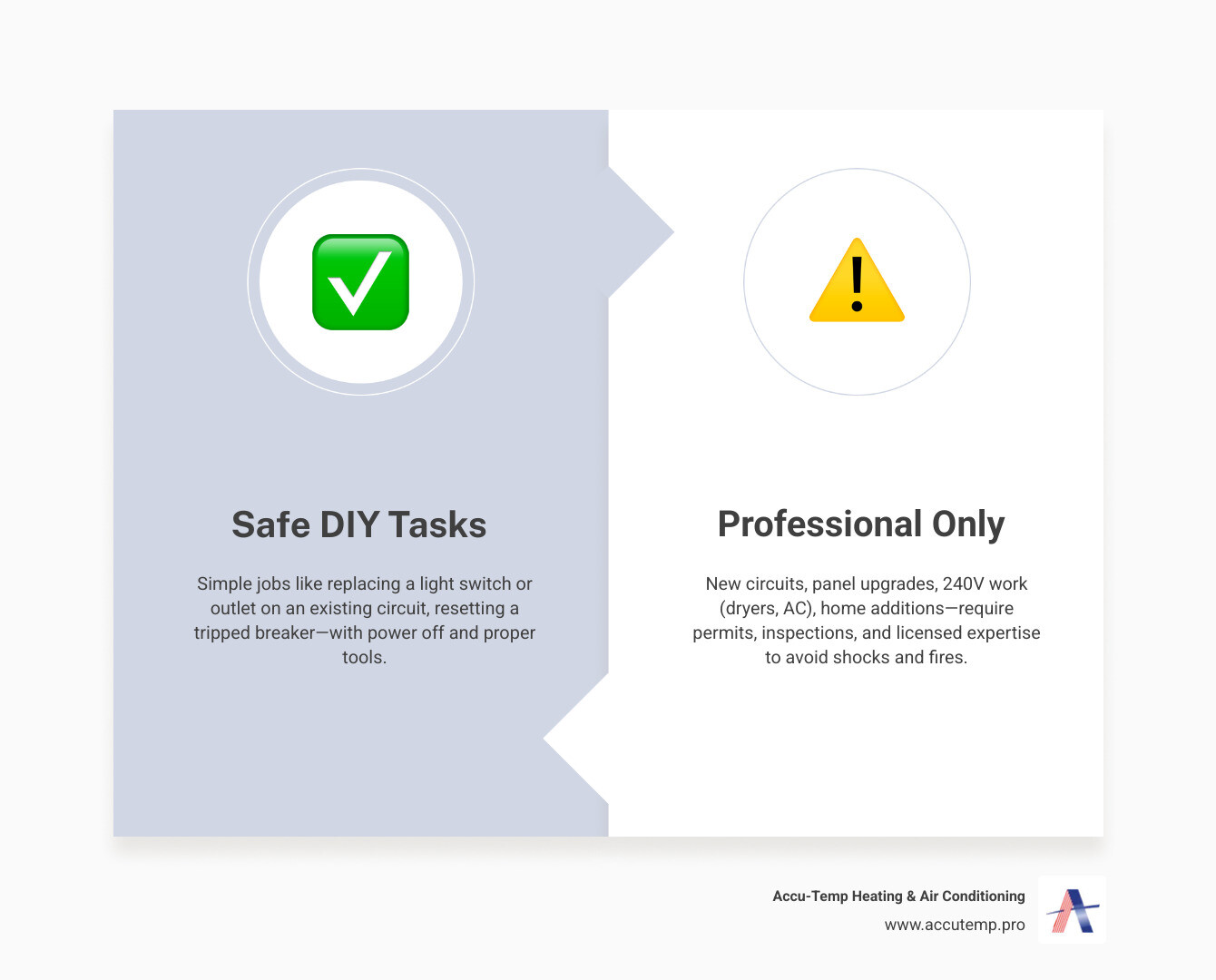
Is It Safe to Do Your Own Electrical Work? Understanding the Risks
When we look at the question, is it safe to do your own electrical work, we have to look past the immediate satisfaction of a "job well done" and consider the invisible dangers. Electricity is a silent force. Unlike a leaky pipe that leaves a puddle, a poor electrical connection might sit behind your drywall for months or even years before it finally fails—often with catastrophic results.
The Immediate Danger: Electrical Shock and Lethal Voltage
The most obvious risk is physical injury. Standard household outlets in Florida run at 120 volts, which is more than enough to stop a human heart under the right conditions. If you are working on a 240V circuit—the kind used for your water heater or air conditioner—the danger increases exponentially. Even if a shock isn't fatal, it can cause severe internal burns and nerve damage.
The Long-Term Threat: Fire Hazards and Arc Faults
The statistics are sobering. With approximately 51,000 home electrical fires occurring annually in the U.S., a significant portion is attributed to amateur repairs and improper wiring. One of the most common causes of these fires is an "arc fault." This happens when electricity jumps (or arcs) across a gap in a damaged wire or a loose connection. These arcs can reach temperatures of several thousand degrees, easily igniting nearby wood framing or insulation.
Professional Electrical Services focus heavily on preventing these thermal events. Licensed electricians are trained to ensure every connection is torqued correctly and every wire is rated for the load it carries. Without this expertise, a DIYer might accidentally create a "hot spot" that smolders inside the wall until it’s too late.
The Importance of Safety & Grounding
Proper Safety & Grounding is another area where DIY projects often go wrong. Grounding provides a safe path for electricity to follow if there is a fault in the system. If a homeowner replaces a two-prong outlet with a three-prong version without actually connecting a ground wire, they create a "false sense of security." In the event of a surge or short, the appliance casing could become "live," shocking anyone who touches it.
Legal Requirements and the National Electrical Code (NEC)
Beyond the physical risks, there are significant legal hurdles to consider. Most people assume that because they own their home, they can do whatever they want inside the walls. However, electricity is a matter of public safety.
In areas like Palm Coast and Daytona Beach, electrical work is governed by the National Electrical Code (NEC). This massive volume of regulations is updated every three years to reflect new safety technologies and findings. When you hire an Electrician in Palm Coast, FL, you aren't just paying for labor; you’re paying for their knowledge of these complex codes.
Why is it safe to do your own electrical work only with a permit?
In many jurisdictions, performing electrical work without a permit is illegal. Permits serve a vital purpose: they trigger a mandatory inspection by a city or county official. This inspector acts as a second pair of eyes to ensure the work is up to code.
If you choose to bypass this process, you lose several layers of protection:
- Liability Protection: If an unpermitted repair causes a fire, your insurance company may deny the claim.
- Property Records: Unpermitted work can show up during a title search or home inspection, potentially tanking a future home sale.
- Safety Assurance: Without an inspection, you have no objective proof that your Wiring & Outlets are actually safe.
For major tasks like Electrical Panel Upgrades in Flagler Beach, FL, a permit is non-negotiable. These upgrades involve the main service entrance of your home and carry the highest risk of fire or utility-side issues.
Determining if it is safe to do your own electrical work on HVAC systems
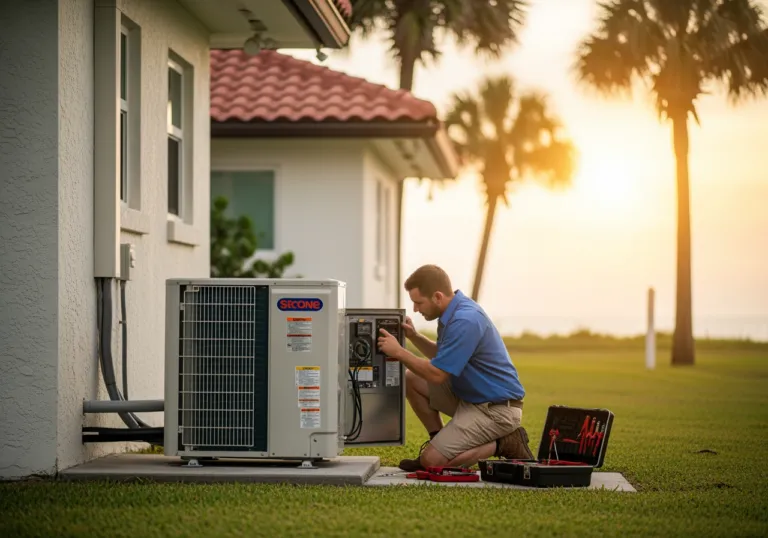
Your air conditioning system is likely the largest electrical consumer in your home. Because it draws so much power, the electrical requirements are incredibly strict. We often see homeowners try to troubleshoot their own units, but this can lead to expensive damage.
For example, if your AC circuit breaker keeps tripping in summer, it’s usually a sign of an underlying electrical problem—not just a "bad breaker." Replacing a breaker with a higher-amperage version to "stop the tripping" is a recipe for a house fire, as the wires will overheat before the breaker ever trips again.
Furthermore, HVAC systems are susceptible to power surges. Understanding how power surges damage AC systems requires knowledge of capacitor discharge and voltage spikes. Attempting to DIY these repairs can result in "frying" the expensive control boards or, worse, sustaining a massive shock from a capacitor that holds a charge even when the power is off.
When to DIY vs. When to Call a Professional
Knowing your limits is the hallmark of a smart homeowner. To help you decide, we've categorized common tasks based on their complexity and risk level.
| Task | DIY Potential | Why? |
|---|---|---|
| Changing a lightbulb | High | No contact with live wiring. |
| Replacing a standard wall switch | Medium | Safe if power is confirmed OFF at the breaker. |
| Switches & Outlets Installation | Medium | Requires understanding of polarity and grounding. |
| Installing a smart thermostat | Medium/High | Low voltage, but requires correct wiring to the HVAC unit. |
| Adding a new 120V circuit | Low | Requires permit, drilling through studs, and panel work. |
| Panels & Breakers work | None | Extreme risk of arc flash and electrocution. |
| 240V Appliance Wiring | None | High amperage; errors lead to immediate fire or death. |
Essential safety precautions for minor electrical tasks
If you do decide to tackle a minor task, such as replacing a dated outlet, you must follow a strict safety protocol. Never assume a circuit is dead just because you flipped a switch.
- De-energize the Circuit: Turn off the breaker and lock the panel if possible so no one else turns it back on while you’re working.
- Test, Then Test Again: Use a non-contact voltage tester to verify the wires are actually dead.
- Use Insulated Tools: Always use tools with rubber-grip handles rated for electrical work.
- Match Wire Gauges: Never connect a 14-gauge wire to a 20-amp circuit. The wire is too thin for the fuse, leading to overheating.
- Check Your Connections: A loose wire is a fire waiting to happen. Ensure all wire nuts are tight and no copper is exposed outside the connector.
Essential DIY Tool List:
- Non-contact voltage tester (the most important tool you'll own).
- Insulated screwdrivers (Phillips and Flathead).
- Wire strippers (properly sized for 12 and 14-gauge wire).
- Lineman’s pliers for twisting wires.
- Multimeter for testing continuity and voltage levels.
Long-Term Consequences of Amateur Wiring
The "cost" of a DIY electrical job isn't just the price of the parts. The real cost often comes years later. We have seen many "handyman specials" during our service calls in Palm Coast and Daytona Beach that have caused significant headaches for homeowners.
Insurance Claim Denials
This is the "hidden" risk that most people ignore. If a fire occurs in your home and the fire marshal determines it started at a junction box you wired yourself without a permit, your insurance company has a legal "out." Many policies specifically exclude coverage for damage caused by unlicensed or unpermitted electrical work. You could be left with a charred house and zero financial help to rebuild it.
Home Resale Value and Inspections
When you go to sell your home, a professional home inspector will look at your electrical panel and outlets. They are trained to spot "amateur" work—things like "double-tapping" breakers (putting two wires under one screw), using electrical tape instead of junction boxes, or improper wire colors.
These findings go into a report that can:
- Force you to pay for professional repairs at the last minute.
- Lower your asking price.
- Cause the buyer to walk away entirely.
Hidden Code Violations
Sometimes, DIY work looks fine on the outside but violates the NEC in ways you can't see. For example, "overcrowding" a junction box—stuffing too many wires into a small plastic box—prevents heat from dissipating. Over time, the insulation on those wires can melt, leading to a short circuit inside your wall.
Frequently Asked Questions about DIY Electrical Safety
Can DIY electrical work void my homeowner's insurance?
Yes, it absolutely can. Most insurance policies require that all major systems (electrical, plumbing, HVAC) be maintained according to local building codes. If you perform unlicensed repairs that result in fire or injury, the insurance carrier may argue that you increased the risk beyond the terms of your policy, leading to a denied claim.
What are the most common mistakes made during DIY electrical work?
The most frequent errors we see include:
- Loose Connections: Not tightening screws or wire nuts enough, which causes arcing.
- Improper Wire Stripping: Nicking the copper wire while removing insulation, which creates a weak point that can overheat.
- Bypassing GFCIs: Failing to install Ground Fault Circuit Interrupters in kitchens, bathrooms, and outdoor areas.
- Wrong Breaker Sizing: Putting a 20-amp breaker on a 15-amp wire (14-gauge).
- Overcrowded Boxes: Forcing too many connections into a single box, leading to heat buildup.
Is it legal to wire my own home addition in Florida?
In many parts of Florida, including Volusia and Flagler counties, an owner-occupant can pull a "homeowner permit" for their primary residence. However, this often requires passing a basic competency exam provided by the building department. Even with a permit, the work must be inspected and approved by a county official. It is important to note that this exception usually does not apply to rental properties or commercial buildings—those must always be handled by a licensed contractor.
Conclusion
At the end of the day, is it safe to do your own electrical work? While you might save a few dollars on labor by swapping out a light fixture yourself, the potential long-term costs—from house fires to insurance denials—are simply too high for most complex tasks.
At Accu-Temp Heating & Air Conditioning, we’ve been serving the Palm Coast, Daytona Beach, and St. Augustine areas since 2006. We understand the unique challenges of Florida homes, from salt-air corrosion to the high electrical demands of our brutal summers. Whether you need a simple outlet installation or a full panel upgrade, our team provides the peace of mind that only comes with professional expertise and a 100% satisfaction guarantee.
Don't leave your family's safety to a YouTube tutorial. Schedule your professional electrical service today and let us ensure your home is powered safely and efficiently.
Contact Us
Latest articles

.webp)

Service Areas