


Your air conditioner should operate in cycles, turning on when your home needs cooling and shutting off once the desired temperature is reached. However, if your AC repeatedly starts and stops within a short period, it may indicate a problem that needs attention. This behavior, commonly known as short cycling, can affect indoor comfort, increase energy consumption, and place unnecessary strain on your cooling system.
For homeowners in Florida, where air conditioning systems work hard throughout much of the year, understanding why an AC unit keeps turning on and off can help prevent larger problems. Recognizing the possible causes and knowing when to contact an HVAC professional can make a significant difference in maintaining reliable cooling.
What Is AC Short Cycling?
Short cycling occurs when an air conditioning system shuts off before completing a normal cooling cycle and then starts again shortly afterward. Instead of running long enough to maintain a consistent indoor temperature, the system repeatedly switches between operating and resting.
The length of a normal cooling cycle varies depending on outdoor temperatures, system size, thermostat settings, and other conditions. However, frequent starts and stops accompanied by inconsistent cooling may indicate that something is wrong.
Short cycling can also increase wear on certain components, particularly those involved in starting and operating the compressor. Identifying the underlying cause is important because the problem may worsen if left unaddressed.
Dirty Air Filters and Restricted Airflow
One of the most common reasons an air conditioner may cycle improperly is restricted airflow. When an air filter becomes clogged with dust, dirt, and debris, the system may struggle to circulate enough air through the indoor equipment.
Restricted airflow can cause the evaporator coil to become excessively cold and potentially freeze. Depending on the system's protective controls, this may interrupt normal operation or contribute to inconsistent cooling.
Homeowners should check their air filters regularly and replace them according to the manufacturer's recommendations. If the system continues cycling improperly after the filter has been addressed, a professional inspection may be necessary.
Thermostat Problems and Incorrect Placement
Your thermostat controls when the air conditioner turns on and off. If it is malfunctioning, incorrectly calibrated, or installed in an unsuitable location, it may send signals that cause the cooling system to operate irregularly.
For example, a thermostat positioned near direct sunlight, a heat-producing appliance, or an air supply vent may detect temperatures that do not accurately represent conditions throughout the home.
Electrical issues, loose wiring, and certain thermostat settings can also interfere with normal operation.
An HVAC technician can evaluate whether the thermostat is functioning correctly and determine whether its location or configuration is contributing to frequent cycling.
An Air Conditioning System That Is Too Large
Bigger is not always better when it comes to air conditioning equipment. An oversized AC system may cool the area around the thermostat too quickly, causing the unit to shut off before it has operated long enough to provide balanced cooling and adequate humidity removal.
This can result in frequent starts and stops, uneven temperatures, and indoor humidity concerns.
Proper HVAC sizing depends on several factors, including the home's square footage, insulation, windows, layout, and cooling requirements. A professional load calculation helps determine the appropriate system capacity.
If short cycling has been a persistent issue since installation, improper equipment sizing may be worth investigating.
Refrigerant Problems and System Protection Controls
Your air conditioner relies on refrigerant to absorb heat from inside your home and release it outdoors. If the refrigerant charge is incorrect, system performance may suffer.
Low refrigerant caused by a leak can contribute to poor cooling, frozen coils, and abnormal operating conditions. In some systems, pressure protection controls may interrupt operation when unsafe conditions are detected.
Refrigerant problems require professional diagnosis. Simply adding refrigerant without identifying the underlying cause may not resolve the issue.
A qualified HVAC technician can evaluate refrigerant pressures, inspect for potential leaks, and determine the appropriate repair.
Electrical and Mechanical Component Problems
Air conditioning systems contain electrical and mechanical components that must work together for proper operation. Problems involving capacitors, contactors, control boards, motors, or compressor protection devices can sometimes cause irregular cycling.
For example, an overheating compressor may shut down through its internal protection mechanism and attempt to restart after cooling. Electrical faults can also interrupt normal operation.
These conditions should not be ignored because repeated starting attempts or abnormal shutdowns may place additional stress on expensive equipment.
Professional diagnosis is particularly important when cycling problems are accompanied by unusual noises, burning odors, or difficulty starting.
Why Frequent Cycling Should Not Be Ignored
An AC system that repeatedly turns on and off may still provide some cooling, making the problem easy to overlook. However, continued short cycling can affect both comfort and equipment performance.
Frequent cycling may increase electricity consumption, contribute to unnecessary component wear, and prevent the system from effectively managing indoor humidity.
In Florida's humid climate, insufficient runtime can leave a home feeling uncomfortable even when the thermostat displays the desired temperature.
Addressing the problem early may help prevent more extensive repairs and restore consistent cooling performance.
When to Contact an HVAC Professional
If your air conditioner repeatedly starts and stops, begin by checking the thermostat settings and inspecting the air filter. Make sure supply and return vents are not blocked by furniture or other obstructions.
If these basic checks do not resolve the issue, professional service is recommended. An experienced technician can evaluate airflow, thermostat operation, electrical components, refrigerant conditions, and overall system performance to identify the cause.
Avoid repeatedly resetting breakers or attempting electrical or refrigerant repairs yourself. These problems require appropriate training and equipment.
Keep Your AC Running Reliably With Accu-Temp
An air conditioner that frequently turns on and off may be experiencing anything from a simple airflow restriction to a more significant electrical or mechanical problem. Identifying the cause promptly can help restore reliable cooling, reduce unnecessary wear, and protect your home's comfort.
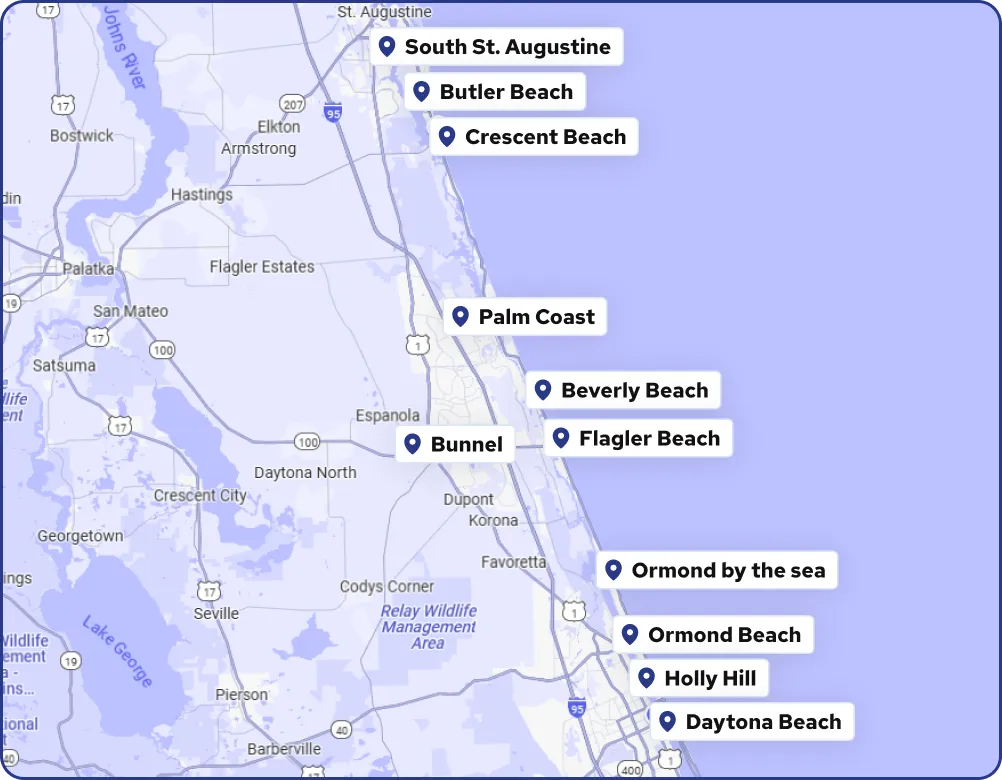
Accu-Temp provides professional AC repair, maintenance, and installation services throughout Palm Coast, Flagler County, and surrounding communities. Whether your system is short cycling, struggling to cool, or showing other signs of trouble, the Accu-Temp team can help identify the issue and recommend an appropriate solution.
If your air conditioner keeps turning on and off unexpectedly, contact Accu-Temp today to schedule professional HVAC service.
Contact Us
Latest articles


Service Areas