



Immediate Heat Pump Repair Solutions Available
A stalled heat pump in the middle of a humid afternoon or a chilly evening creates an urgent need for professional intervention, especially when indoor temperatures begin to match the extremes outside. In Flagler Beach, where the climate shifts from intense humidity to damp cold, a functioning system is not a luxury but a necessity for habitability and property protection. Contact us now to schedule an emergency diagnostic or to discuss financing options for your repair.
When your system fails, you need a solution that restores climate control efficiently without unnecessary delays or hidden costs. We provide a streamlined approach to diagnostics and repair, ensuring your home returns to a comfortable baseline as quickly as possible.
- Experience same-day repair services to restore your comfort swiftly.
- Transparent pricing and financing options available to suit your budget.
- Certified and experienced technicians ensuring high-quality repair.
Fully licensed service with comprehensive warranties on all repairs.
Diagnostic and Repair Services Delivered Today
When a heat pump malfunctions, the root cause often lies deep within the electrical or refrigerant systems. Unlike standard air conditioners, heat pumps rely on complex reversing valves and dual-mode operations to manage both heating and cooling. A failure in one mode can often compromise the entire system. Our technicians arrive equipped to handle the specific challenges presented by coastal environments, where salt air and high humidity accelerate component degradation.
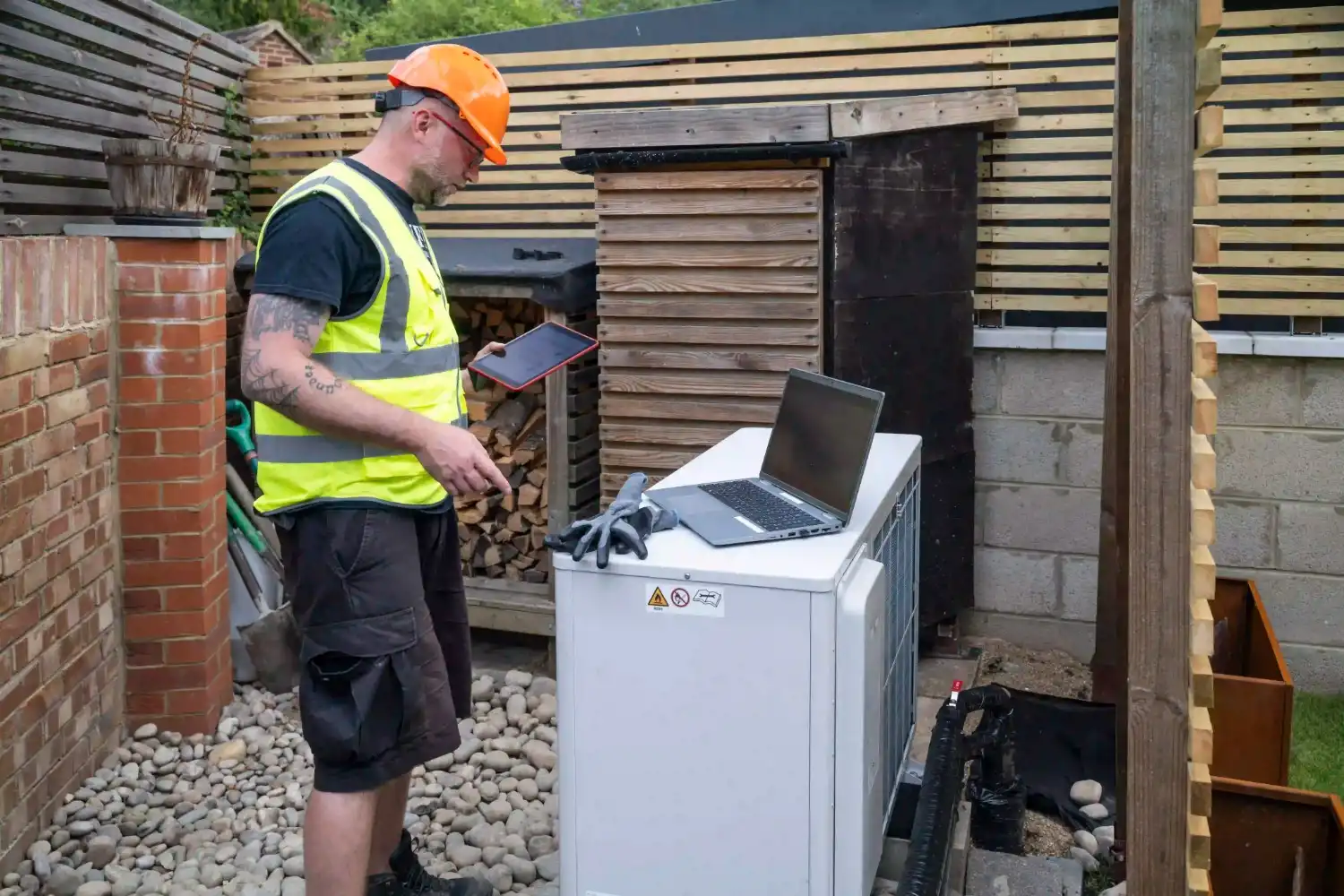
Residents in Flagler Beach require a service provider who understands that "repair" means more than a quick patch. It involves a comprehensive assessment of the evaporator and condenser coils, the compressor’s amperage draw, and the integrity of the electrical connections. Upon arrival, the focus is on isolating the variable causing the breakdown—whether it is a refrigerant leak, a frozen coil, or a seized motor—and implementing a permanent fix.
The scope of service includes a full electrical audit of the heat pump. Loose connections or corroded wires can cause intermittent failures that are difficult to diagnose without specialized equipment. Technicians check the defrost control board, ensuring the system can effectively melt ice accumulation during colder snaps, and verify the thermostat calibration to ensure the temperature reading on the wall matches the actual output of the unit.

Systematic Troubleshooting and Repair Protocols
Effective heat pump repair follows a strict, logical process designed to eliminate guesswork. The technician does not simply swap parts until the unit turns on; instead, they follow a rigorous troubleshooting sequence to identify the primary failure point and any secondary issues that may have contributed to the breakdown. This ensures that the repair addresses the source of the problem, preventing recurrence.
- Initial System Assessment: The process begins with a visual and auditory inspection. Technicians listen for irregular sounds, such as grinding or hissing, which indicate mechanical stress or refrigerant leaks. They also inspect the outdoor unit for physical damage or debris obstruction that limits airflow.
- Electrical and Mechanical Testing: Using multimeters and gauges, the technician measures voltage and amperage across motors and capacitors. They test the start and run capacitors to ensure they are within the manufacturer’s specified microfarad rating. If the compressor is humming but not starting, this electrical testing determines if the issue is a failed capacitor or a locked compressor.
- Refrigerant Charge Verification: Heat pumps are critically sensitive to refrigerant levels. An overcharged or undercharged system will struggle to transfer heat effectively. Technicians attach gauges to measure subcooling and superheat levels. If the charge is low, they conduct a leak search using electronic detectors or UV dye to locate the breach before adding more refrigerant.
- Component Replacement and Testing: Once the fault is isolated, the defective component is removed and replaced with OEM-grade parts. After installation, the system is not merely turned on; it is stress-tested. The technician cycles the unit between heating and cooling modes (if applicable) to verify the reversing valve operation and monitors the temperature differential (Delta T) across the supply and return air to confirm efficiency.
Determining the Viability of Repair Versus Replacement
Homeowners often face a critical decision when a heat pump fails: is it more partial to invest in a repair or to allocate funds toward a replacement? This decision relies on concrete data regarding the unit's age, condition, and repair history, rather than guesswork.
- The 50% Rule: Industry standards suggest that if the cost of the repair approaches or exceeds 50% of the value of the system (or the cost of a new unit), replacement is the more financially sound option. Major component failures, such as a compressor burnout or a leaking condenser coil out of warranty, often trigger this threshold.
- System Age and Efficiency: Heat pumps in Florida generally have a service lifespan of 10 to 15 years due to the heavy workload required by the subtropical climate. If a unit is over 12 years old and requires a significant repair, the diminishing returns of keeping an inefficient system running must be considered. Newer systems offer higher SEER (Seasonal Energy Efficiency Ratio) ratings, which can significantly lower monthly utility bills, offsetting the cost of installation over time.
- Frequency of Breakdowns: A system that requires frequent service calls indicates that it is nearing the end of its operational life. "Nickel and diming" repairs—fixing a capacitor one month, a fan motor the next, and a contactor the month after—often accumulate to a total cost higher than a new system. If the reliability of the unit is in question, particularly before the peak of summer or winter, replacement offers peace of mind.
- Refrigerant Type: Older systems utilizing R-22 refrigerant are becoming increasingly expensive to service due to the phase-out of this chemical. If a massive leak occurs in an R-22 system, the cost of the refrigerant alone may make repair economically unfeasible compared to upgrading to a system using R-410A or newer alternatives.
Regional Factors Impacting Heat Pump Performance
Operating a heat pump in Flagler Beach presents specific challenges that do not exist in inland or dry climates. The proximity to the ocean introduces salt spray into the air, which is highly corrosive to aluminum fins and copper tubing found in outdoor condenser units. Over time, this corrosion reduces the heat transfer capability of the coils, leading to higher operating pressures and premature failure.
- Corrosion Management: Repair services in this region often involve addressing corrosion-related leaks or electrical failures. Technicians check for "fin rot," where the aluminum fins disintegrate, leaving the copper tubing exposed and reducing efficiency. In some cases, applying protective coatings after repairs can extend the remaining life of the unit.
- Humidity Control: The humid subtropical climate means the heat pump acts as a primary dehumidifier. If the system is short-cycling (turning on and off too quickly) due to a sensor error or oversized components, it fails to remove moisture from the air. This leads to a clammy indoor environment and promotes mold growth. Repairs often involve adjusting blower speeds or calibrating the thermostat to ensure long enough run times for effective dehumidification.
- Permitting and Codes: When repairs escalate to major component replacements or full system change-outs, adherence to local building codes is mandatory. Flagler Beach has specific requirements regarding wind load anchoring for outdoor units to ensure they remain secure during tropical storms and hurricanes. Professional repair services ensure that any structural modifications or electrical work comply with current safety standards and permit regulations.
Resolving Common Heat Pump Malfunctions
Accu-Temp Heating and Air Conditioning technicians frequently encounter a specific set of failures inherent to heat pump technology. Understanding these mechanisms helps in realizing why professional diagnosis is required immediately upon failure.
- Reversing Valve Failures: The reversing valve is the component that distinguishes a heat pump from a standard air conditioner. It physically redirects the flow of refrigerant to switch between heating and cooling. If this valve gets stuck, the system will blow cold air when heat is requested, or vice versa. Diagnosing this requires verifying the voltage to the solenoid coil and checking the pressure differential. A stuck valve usually requires a complete replacement of the component, which involves brazing and refrigerant handling.
- Frozen Outdoor Coils: In the winter, it is normal for a heat pump to develop a thin layer of frost, which the defrost cycle removes. However, if the unit becomes encased in a block of ice, it indicates a problem. This can be caused by a bad defrost timer, a faulty sensor, or a broken fan motor. If the ice is not removed, it can crush the coil fins and damage the fan blades. Immediate repair restores the defrost cycle to protect the physical integrity of the unit.
- Auxiliary Heat Strip Issues: When temperatures drop significantly, heat pumps rely on electric heat strips (auxiliary heat) to supplement the heating capacity. If the air coming from the vents feels lukewarm during a cold snap, the heat strips may have failed or a sequencer (the switch that controls them) may be burned out. Repairing this ensures that the home can maintain temperature even when the outdoor conditions are below the balance point of the heat pump.
- Electrical Contactor Pitting: The contactor is a heavy-duty switch that controls power to the compressor and fan. Every time the system cycles on, high voltage arcs across the contacts. Over thousands of cycles, these contacts become pitted and carbonized. This creates resistance, which generates heat and can eventually weld the contactor shut (causing the unit to run continuously) or prevent it from closing (causing the unit to never start). Replacing worn contactors is a standard but vital repair to prevent compressor damage.
Optimizing Efficiency After Repairs
Once the immediate repair is completed, the focus shifts to ensuring the system operates at peak efficiency. A heat pump that runs but consumes excessive electricity is still a liability to the homeowner. Post-repair optimization ensures that the energy consumed translates directly into comfort.
- Airflow Balancing: Restricted airflow is a primary killer of efficiency. Technicians inspect the blower wheel for dust buildup, which acts as a drag on the motor. They also verify that supply and return registers are open and unobstructed. Proper static pressure within the ductwork is verified to ensure the blower motor is not overworking.
- Coil Cleaning: Even a microscopic layer of dirt on the evaporator or condenser coils acts as an insulator, preventing heat transfer. As part of a comprehensive service, cleaning these coils allows the refrigerant to absorb and release heat with minimal resistance. This lowers the amperage draw of the compressor and reduces monthly energy costs.
- Thermostat Calibration: Modern smart thermostats often have complex algorithms for staging heat and cool cycles. Technicians ensure that the thermostat is programmed correctly for the specific type of heat pump installed. Incorrect settings can cause the expensive auxiliary heat to run unnecessarily, driving up bills.
Technical Expertise and Service Guarantees
The difference between a temporary patch and a lasting solution lies in the technical expertise of the service provider. Heat pumps are sophisticated machines that require a deep understanding of thermodynamics and electrical theory.
- Certified Technicians: Technicians undergo rigorous training to stay updated on the latest inverter-driven technology and communicating systems. This knowledge allows for accurate diagnostics on modern, high-efficiency units that do not respond to traditional troubleshooting methods.
- Warranty Protection: Repairs are backed by warranties that cover both parts and labor. This provides assurance that if a replaced component fails prematurely, it will be rectified without additional cost to the homeowner. Utilizing OEM parts maintains the manufacturer’s original equipment warranty and ensures the system operates as designed.
- 24-Hour Availability: Failures rarely happen at convenient times. Access to 24-hour emergency service ensures that residents in Flagler Beach are not left without climate control during weekends or holidays. Rapid response times minimize the discomfort and potential property damage associated with prolonged system outages.
Final Diagnostic and Resolution
Maintaining a functional heat pump is essential for navigating the variable weather patterns of the Florida coast. Whether dealing with a sudden breakdown, a gradual decline in performance, or efficiency concerns, professional intervention is the only way to secure the longevity of the system.
From addressing refrigerant leaks to replacing complex control boards, the goal remains the same: reliable, efficient, and quiet operation. Do not let a minor malfunction escalate into a catastrophic system failure. Trust the local experts at Accu-Temp Heating and Air Conditioning to diagnose the issue accurately and provide a lasting repair solution.
Contact us today to schedule your diagnostic service and restore your home’s comfort immediately.
Repairs That Restore Full System Integrity
Delays in resolving system malfunctions often lead to increased energy waste and premature component failure. With certified heat pump repair in Flagler Beach, FL, Accu-Temp Heating and Air Conditioning addresses the underlying electrical, refrigerant, or airflow issues with precision—not temporary workarounds. Our diagnostics deliver real-time clarity, so your system returns to peak operation without repeated service visits.
Request Heat Pump Repair That Eliminates Recurring Failures
Contact Us
Why Choose One Company for Everything?

Simplicity

Expertise

Savings
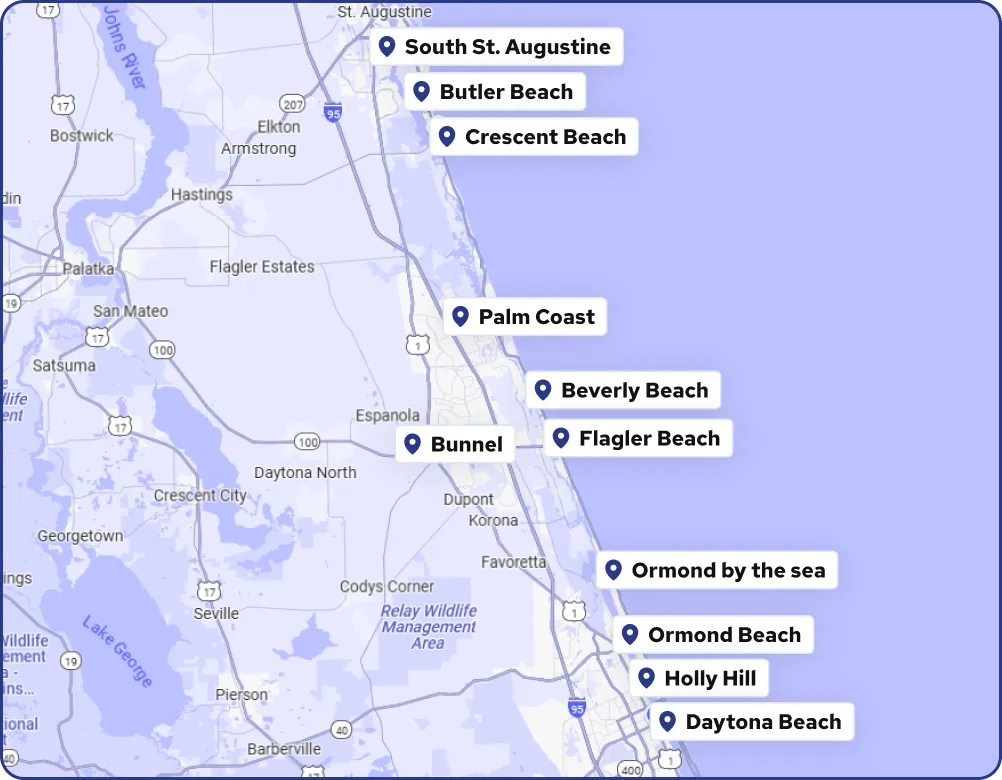
Service Areas