


Rapid Relief and Reliable Cooling Solutions
Feeling the brunt of Butler Beach’s summer heat with an underperforming AC unit demands an immediate, professional response. When humidity levels spike and temperatures rise, you need a service provider that guarantees restoring your indoor comfort without delay; contact us for a consultation or financing options to secure your new system today.
Living in Butler Beach means dealing with salt air, intense UV exposure, and high humidity, all of which take a toll on residential cooling equipment. If your current system is failing to keep up, swapping it for a modern, high-efficiency unit is often the most logical financial and comfort-based decision. We provide a seamless transition from your old, inefficient unit to a state-of-the-art cooling system designed to withstand coastal conditions.
Our installation services prioritize your immediate needs:
- Expert installation aimed at minimizing downtime so you can beat the heat fast.
- Energy-efficient system designs that lower monthly utility bills and handle high humidity loads.
- Comprehensive warranty coverage on labor and parts to ensure long-term peace of mind.
Rest assured, our team is fully licensed and insured, offering flexible financing to make your upgrade accessible. Accu-Temp Heating and Air Conditioning is dedicated to providing technical excellence in every replacement project we undertake.
Today’s AC Installation: What to Expect
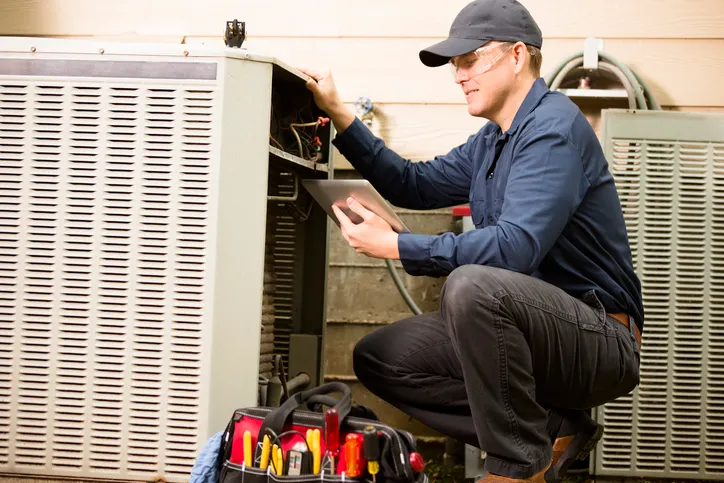
When you schedule an installation today, the focus is on upgrading your home’s infrastructure to handle modern climate demands. A new air conditioning system is not merely a box that sits outside; it is a complex thermal exchange system that must be integrated perfectly with your home's existing ductwork and electrical capacity.
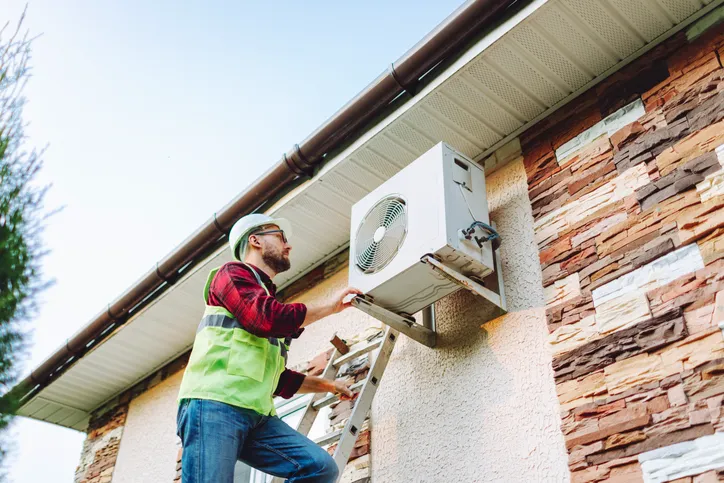
Homeowners in Butler Beach often find that older systems lack the sophisticated humidity control required for this region. Modern installations involve equipment with higher SEER2 (Seasonal Energy Efficiency Ratio) ratings. This metric indicates how much cooling a system delivers for each unit of energy consumed. By moving to a current standard, you are effectively reducing the electrical load required to cool your home, which translates to direct savings.
The scope of a standard installation includes:
- Site Evaluation: Verification of the pad stability and clearance distances to ensure proper airflow and code compliance.
- System Matching: Ensuring the condenser (outdoor unit) and air handler (indoor unit) are perfectly matched to maximize efficiency and lifespan.
- Dehumidification Capacity: prioritizing units that offer superior moisture removal, which is critical for preventing mold growth and maintaining comfort in Florida’s subtropical climate.
- Disposal: Complete removal and environmentally responsible disposal of the old unit and refrigerant.
Our AC Installation Process: Step-by-Step Guide
A correct installation is arguably more important than the brand of the equipment itself. Even the most expensive air conditioner will fail prematurely if installed incorrectly. We follow a rigorous, technical protocol to ensure every system operates at peak performance from the moment it is turned on.
- Assessment and Load Calculation: The process begins with a precise calculation of your home's cooling load. We do not simply read the size of your old unit and replace it with the same capacity. Renovations, window upgrades, or changes in insulation can alter the heating and cooling load of a home. We perform a Manual J load calculation to determine the exact tonnage required. An oversized unit will short-cycle, failing to remove humidity, while an undersized unit will run continuously without reaching the set temperature.
- Preparation and Safety Measures: Before any equipment is moved, technicians prepare the workspace to protect your property. This involves laying down drop cloths and ensuring a clear path to the installation site. Safety disconnects are checked, and electrical circuits are verified to handle the amperage of the new equipment.
- Indoor and Outdoor Installation: Technicians proceed to install the indoor evaporator coil and air handler. This step requires precise fitting to the supply and return plenums to prevent air leakage. Simultaneously, the outdoor condenser is positioned on a composite pad that dampens vibration and elevates the unit away from standing water or debris.
- Refrigerant Line Connection and Brazing: The copper refrigerant lines connecting the indoor and outdoor units are brazed using nitrogen purging. This technical step is vital; flowing nitrogen through the lines while brazing prevents oxidation and scale buildup inside the pipe. If scale forms, it can clog the sensitive expansion valves in modern AC units, leading to immediate failure.
- Vacuum and Charge: Once connected, a vacuum pump is used to remove all moisture and air from the lines, measuring the vacuum in microns. After achieving a deep vacuum, the refrigerant is released or weighed in according to the manufacturer's subcooling and superheat specifications. This ensures the system cools efficiently and the compressor is not stressed.
- Final Commissioning: The final step involves a complete system startup. Technicians measure static pressure in the ducts, check temperature splits between supply and return air, and verify the thermostat operation. This data confirms that the installation meets all engineering standards.
Assessing Your Needs: When to Install a New AC
Deciding between another repair bill and a full replacement is a common dilemma for homeowners. While repairs can extend the life of a unit, there is a tipping point where the cost of operation and the frequency of breakdowns make retention financially unwise.
- The 50% Rule: A general industry standard is the 50% rule: if the cost of the repair approaches 50% of the value of a new system, replacement is the better investment. However, you must also factor in the age of the unit. If an AC unit is over 10 years old and requires a major component like a compressor or fan motor, investing in a new system often yields a better return on investment due to energy savings alone.
- Refrigerant Considerations: Older systems utilize R-22 refrigerant, which has been phased out due to environmental regulations. Supplies of R-22 are dwindling and becoming prohibitively expensive. If your older unit has a refrigerant leak, simply topping it off is no longer a cost-effective strategy. Modern systems use R-410A or newer, eco-friendly refrigerants that are readily available and efficient.
- Efficiency Gaps: Technology has advanced significantly in the last decade. A unit installed 12 years ago may have a SEER rating of 10 or 12. Today’s minimum standards are higher, and high-efficiency units can reach SEER ratings of 20 or more. Replacing a 10 SEER unit with a 16 SEER unit can reduce cooling costs by a significant margin, essentially paying for a portion of the installation through monthly savings.
- Comfort Issues: If you notice hot spots in certain rooms, loud operation noises, or humidity levels that make the air feel sticky even when the AC is running, these are signs the system is losing compression or airflow capacity. A new installation rectifies these comfort issues instantly.
Navigating Butler Beach’s AC Installation Requirements
Installing air conditioning in Butler Beach requires specific attention to local geography and regulation. The proximity to the ocean introduces salt spray, which is highly corrosive to aluminum and copper. Standard units without protection can suffer from "fin rot," where the heat exchange fins deteriorate, causing the system to lose capacity and eventually fail.
Coastal Protection Measures
For homes near the coast, we often recommend units with specialized coatings or all-aluminum coils that resist corrosion. Additionally, stainless steel hardware and fasteners are essential to prevent rust from compromising the structural integrity of the outdoor unit.
Permits and Local Codes
St. Johns County enforces specific building codes related to HVAC installations. These codes dictate everything from the electrical disconnect box location to the hurricane strapping required for the outdoor unit.
- Wind Resistance: Outdoor units must be anchored securely to the concrete pad to withstand high wind loads associated with tropical storms and hurricanes.
- Permitting: Proper permits must be pulled before work begins. This ensures that the installation is inspected by a county official and meets all safety and energy codes.
- Electrical upgrades: In some older beach homes, the electrical panel may need to be assessed to ensure it can handle modern equipment, although modern inverter-driven systems often draw less startup amperage than older units.
Accu-Temp Heating and Air Conditioning handles the permitting process entirely, ensuring that your installation is fully compliant with local regulations, avoiding potential fines or complications when you sell your home.
Why Choose Us: Our Customer Commitment and Credentials
Selecting a contractor is the final variable in the equation. You need a team that combines technical proficiency with a deep understanding of local climate challenges. We differentiate ourselves through transparency, technical rigor, and a refusal to cut corners.
- Technical Training and Certification: Our technicians undergo continuous training to stay ahead of industry advancements. Whether it is variable-speed compressors, smart thermostat integration, or complex zoning systems, we have the expertise to install it correctly. We adhere strictly to manufacturer specifications, which is crucial for maintaining the validity of your equipment warranty.
- Transparent Pricing and Process: We believe in clear communication. You will receive a detailed proposal outlining the scope of work, the equipment model numbers, and the timeline. There are no hidden fees or surprise charges on the day of installation.
- Post-Installation Support: Our relationship does not end when the truck drives away. We register your equipment warranties for you and offer maintenance plans designed to keep your new system running at factory specifications for years to come. Proper maintenance is key to protecting your investment, especially in a demanding environment like Butler Beach.
- Local Reliability: We understand the urgency of a broken AC in Florida. We prioritize scheduling to ensure you are not left in the heat longer than necessary. Our logistics are streamlined to ensure parts and equipment are available when we arrive at your property.
When you are ready to upgrade your comfort and lower your energy costs, trust the experts who understand the unique demands of your home.
Take control of your indoor climate today. Contact us now to schedule your AC installation or consultation.
High-Standard AC Installation That Meets Your Property’s Demands
System replacement requires more than equipment—it demands accurate sizing, planning, and execution. Accu-Temp Heating and Air Conditioning delivers top-tier AC installation & replacement in Butler Beach, FL, aligning new systems with duct design and performance metrics for complete operational alignment. We install for load, not guesswork.
Request a Site-Based AC Replacement Consultation
Contact Us
Why Choose One Company for Everything?

Simplicity

Expertise

Savings
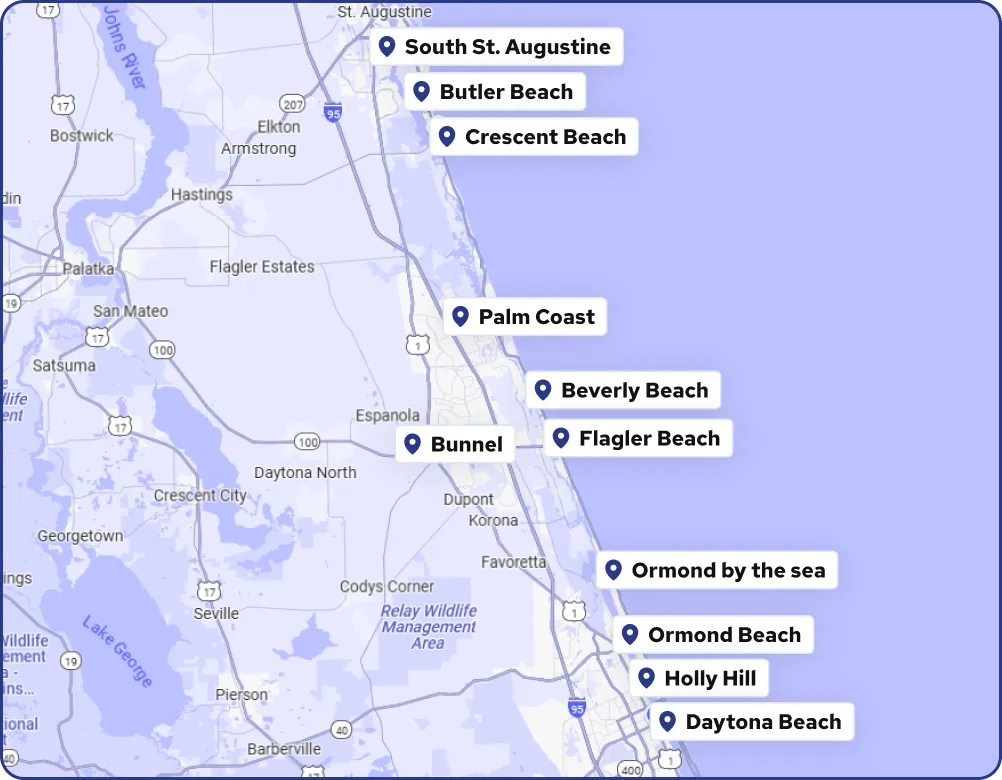
Service Areas