



Beat the Heat: Fast, Reliable AC Installations
Facing unbearable heat and humidity in Holly Hill makes a functioning air conditioner a necessity, not a luxury. Ensure your comfort with professional, swift AC installation that matches your schedule and budget constraints. Contact us immediately to schedule an estimate or click here to view our financing options.
- Enjoy a cooler home quickly with same-day installation options available.
- Maximize efficiency with systems tailored to handle Holly Hill’s specific humidity levels.
- Transparent pricing and no hidden fees – know the full cost upfront.
Fully licensed and insured—satisfaction is guaranteed with every installation.
What You Get With A Professional Installation
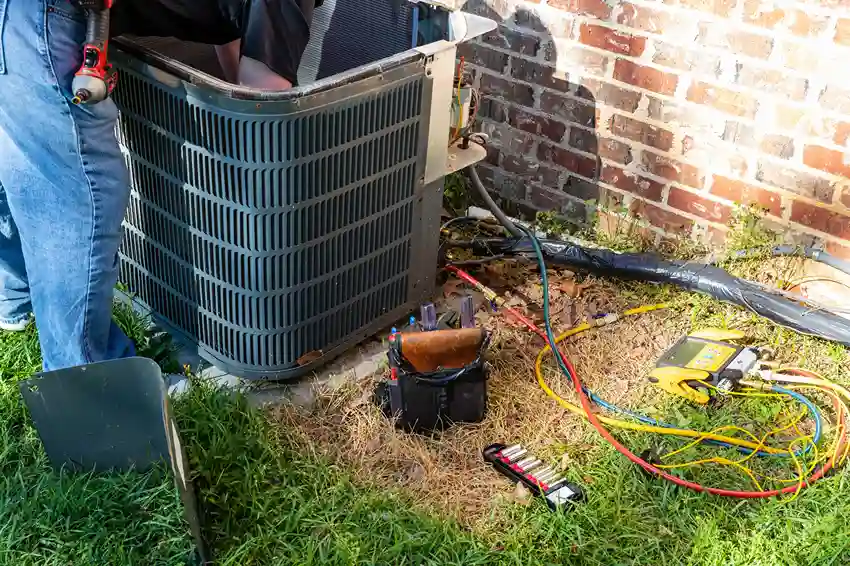
When you invest in a new air conditioning system, you are purchasing more than just the metal box that sits outside your home. The performance, longevity, and efficiency of that unit are entirely dependent on the quality of the installation. In Holly Hill, where the climate swings from intense summer humidity to mild winters, the installation package must be comprehensive to ensure the system can handle the workload.
Accu-Temp Heating and Air Conditioning provides a complete turnkey installation service designed to minimize disruption to your home while maximizing system performance. This process includes a thorough assessment of your current infrastructure. We do not simply swap out boxes; we evaluate the existing ductwork, the electrical capacity, and the thermostat compatibility. If the ductwork is leaking or undersized, even the most expensive high-efficiency unit will fail to cool your home effectively.
Modern installation standards also include strict adherence to energy efficiency protocols. We ensure that the system you choose meets the current SEER2 (Seasonal Energy Efficiency Ratio) standards required for the Southeast region. This includes:
- Proper Equipment Sizing: We perform load calculations to ensure the unit is neither too big (which causes short-cycling and humidity issues) nor too small (which causes the unit to run constantly without cooling).
- Debris Removal: The complete removal and environmentally responsible disposal of your old unit and any installation debris.
- System Calibration: Fine-tuning the refrigerant charge and airflow settings to manufacturer specifications immediately upon startup.
- Smart Thermostat Integration: Setup and demonstration of programmable or smart thermostats to help you manage energy usage.
How The AC Installation Process Works
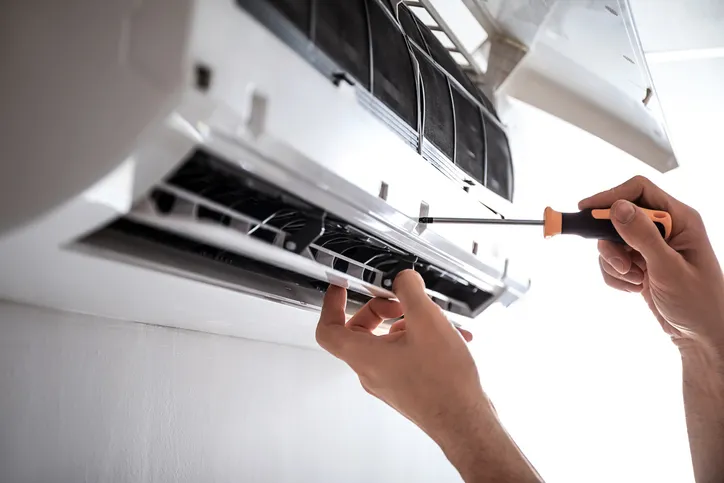
A structured installation process eliminates guesswork and ensures that your cooling system is ready to operate at peak efficiency from the moment we leave your property. We follow a strict protocol to ensure safety, code compliance, and technical accuracy.
- Site Evaluation and Sizing: The process begins with a manual load calculation. This determines the exact cooling capacity required for your specific square footage, window placement, insulation levels, and orientation relative to the sun. This step is critical because an oversized unit will cool the air too quickly without removing humidity, leading to a clammy indoor environment.
- Worksite Preparation: Technicians prepare the area to protect your property. This involves laying down drop cloths to protect flooring and ensuring a clear path to the service area. Safety is paramount, so we also shut off electrical power to the HVAC circuit before beginning work.
- Removal of Existing Equipment: The old condenser (outdoor unit) and air handler (indoor unit) are disconnected. We responsibly recover any remaining refrigerant from the old system according to EPA guidelines to prevent environmental contamination.
- Ductwork and Line Set Inspection: Before the new unit is placed, we inspect the copper refrigerant lines and the ductwork connections. If the existing copper lines are compatible and in good condition, they are flushed and cleaned. If not, new lines are run. We also check the plenum connection to ensure an airtight seal.
- Equipment Positioning: The new outdoor unit is placed on a composite pad to ensure it remains level and is elevated off the ground to protect against water accumulation or debris. The indoor unit is secured, and the evaporator coil is installed.
- Connections and Brazing: Technicians connect the refrigerant lines using nitrogen brazing techniques. This prevents oxidation inside the copper tubing, which can clog the sensitive valves of modern high-efficiency systems. Electrical connections are tightened and verified for proper voltage.
- Vacuum and Charge: A vacuum pump is used to remove all moisture and air from the lines. Once a deep vacuum is achieved, the system is released with the factory refrigerant charge. We then fine-tune the charge based on "subcooling" and "superheat" measurements specific to the weather conditions in Holly Hill on that day.
- Final Commissioning: The system is powered on and tested. We measure static pressure to verify airflow, check temperature splits between supply and return air, and ensure the thermostat is communicating correctly.
When Replacement Beats Repair
Deciding between repairing an aging unit or investing in a new installation is a financial calculation based on the age of the system, the cost of repairs, and future energy savings. While a repair might seem cheaper upfront, an old, inefficient system acts as a slow leak on your finances through high utility bills and frequent breakdowns.
Consider replacement if your system meets the following criteria:
- The 50% Rule: If the cost of the repair equals or exceeds 50% of the value of a new system, replacement is the smarter financial move.
- System Age: If your air conditioner is over 10 years old and requires a major repair (like a compressor or motor), it is nearing the end of its useful life. In coastal areas, salt air corrosion can shorten this lifespan even further.
- R-22 Freon Dependency: If your older unit relies on R-22 refrigerant (Freon), repair costs will be astronomical. R-22 has been phased out, making it scarce and expensive. Modern systems use R-410A or newer, eco-friendly refrigerants.
- Rising Energy Bills: As components wear out, motors work harder, and coils get dirty, efficiency drops. If your energy bills are climbing despite normal usage, the system has lost its efficiency rating. A new system can lower cooling costs by 20% to 40% immediately.
- Uneven Cooling: If some rooms are freezing while others are hot, or if the humidity inside the house remains high even when the AC is running, the unit’s compressor or coils may be failing.
- Excessive Noise: Grinding, squealing, or banging noises often indicate internal mechanical failure that is costly to fix and likely to recur.
Understanding Efficiency Ratings and System Types
Selecting the right machinery is just as important as the physical installation. Homeowners have multiple options regarding the technology that cools their homes.
- SEER2 Ratings: The Seasonal Energy Efficiency Ratio measures how much cooling a system delivers per dollar of electricity used. The higher the number, the lower your monthly bill. In Florida, the minimum standard is 14.3 SEER2, but systems can go up to 20+ SEER2. While higher SEER units cost more upfront, they often pay for themselves through utility savings over the first few years.
- Single-Stage vs. Variable-Speed: A single-stage AC runs at 100% capacity whenever it is on. It blasts cold air and then shuts off. A variable-speed (inverter) system can ramp up or down, running at lower speeds to maintain a constant temperature. This is particularly beneficial in our area because longer, slower run times are far superior at removing humidity from the air.
- Heat Pumps: Given our mild winters, a heat pump is often the most efficient choice. It looks and acts like an AC in the summer but reverses operation to provide efficient heating in the winter, eliminating the need for gas furnaces or expensive electric strip heat.
Local Considerations for Holly Hill Installations
Installing air conditioning in Volusia County requires specific knowledge of local building codes, environmental factors, and utility requirements. A generic installation approach often leads to compliance issues or premature equipment failure.
- Permitting and Inspections: All HVAC replacements in this area require a building permit. This ensures the installation meets safety codes regarding electrical connections and structural integrity. A final inspection by a county official is typically required to close out the permit. We handle the entire permitting process, ensuring you are compliant without the administrative headache.
- Hurricane Preparedness: Local codes mandate that outdoor condenser units be anchored securely to withstand high winds. We use code-compliant tie-downs and hurricane straps to ensure the unit does not become a projectile during a storm.
- Corrosion Protection: The proximity to the Halifax River and the Atlantic Ocean means the air in Holly Hill contains salt. This accelerates corrosion on standard aluminum fins. We recommend units with coastal protection packages or epoxy-coated coils to extend the life of the condenser.
- Condensate Drainage: High humidity means your AC will produce gallons of water daily. We install redundant drain systems with float switches. If the primary drain line clogs with algae (common in Florida), the float switch shuts the unit off to prevent water damage to your ceilings or floors.
Why Professional Installation Matters
The difference between a system that lasts 15 years and one that fails in 5 often comes down to the installation practices. A "budget" installation that cuts corners on vacuuming the lines or sizing the ductwork will cost significantly more in the long run.
- Warranty Integrity: Manufacturers strictly enforce warranty terms. If a unit is installed by an unlicensed contractor or if the registration is not submitted within the required window, the warranty may be voided. We ensure all equipment is registered properly so you are protected.
- Ductwork Integrity: An AC unit is a closed loop. If your return ducts are pulling in hot attic air, or your supply ducts are leaking cooled air into the crawlspace, you are wasting money. Professional installation includes an assessment of the "air side" of the system.
- Correct Refrigerant Charge: Studies show that a significant percentage of residential AC units are under or overcharged. An incorrect charge increases electricity usage and strains the compressor. We use digital gauges to ensure the charge is exact.
Secure Your Comfort Today
You do not have to endure the stifling heat or worry about whether your old unit will make it through another summer. A modern, professionally installed air conditioning system provides reliable comfort, lower energy bills, and peace of mind.
We provide clear answers, transparent timelines, and technical excellence for every project. From pulling the permits to the final airflow check, the team at Accu-Temp Heating and Air Conditioning handles every detail so you can relax in a cool, comfortable home.
Don't wait for a total breakdown. Schedule your installation quote today.
Contact Us
Why Choose One Company for Everything?

Simplicity

Expertise

Savings
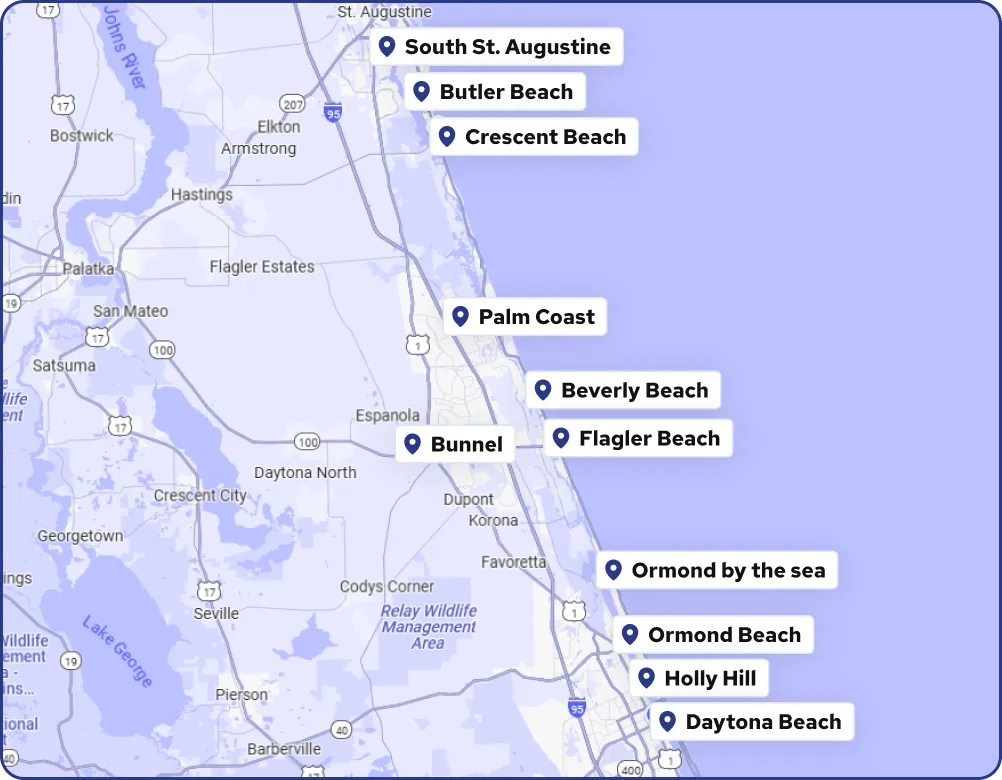
Service Areas