


Is Your Cooling System Failing? Fast, Reliable Installation Is Available
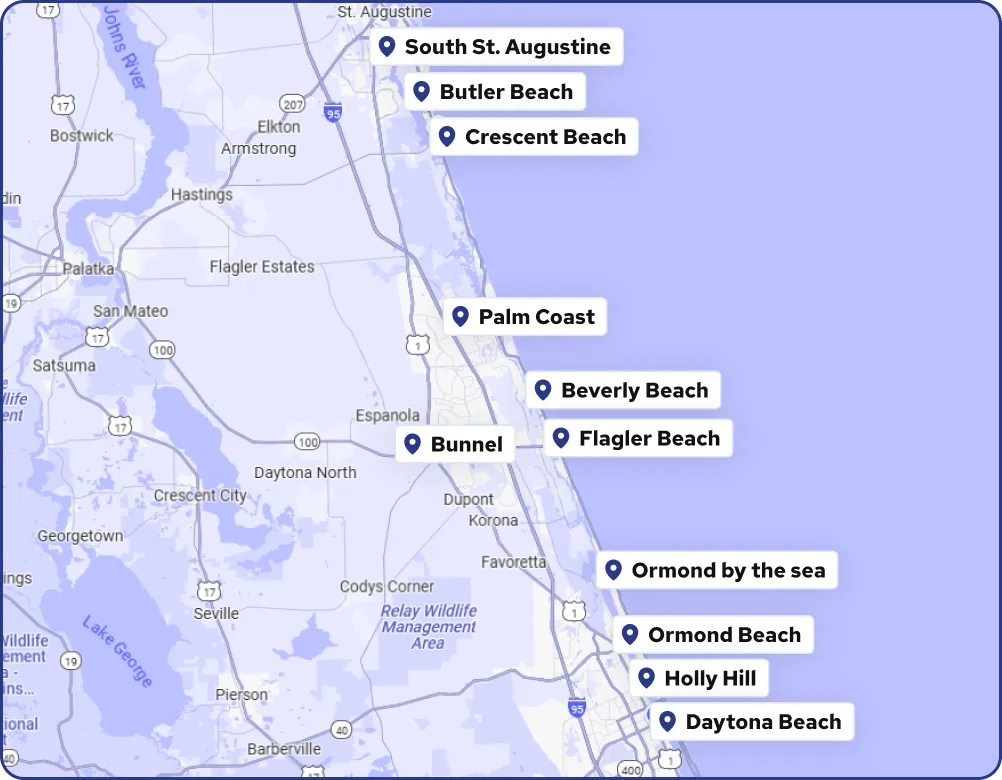
Heat and humidity in Palatka Beach shouldn’t compromise your comfort, yet a breakdown during peak temperatures can turn your home into a sauna in hours. If your system has failed or is struggling to keep up, contact us immediately to schedule a consultation or inquire about available financing options.
When the air stops blowing cold, you need a solution that goes beyond a quick patch. You need a system designed to handle the specific climate demands of this region.
- Quick installations typically completed within 24 hours of your call.
- Energy-efficient units available to help reduce your long-term costs.
- Upfront pricing with no hidden fees—know your investment in advance.
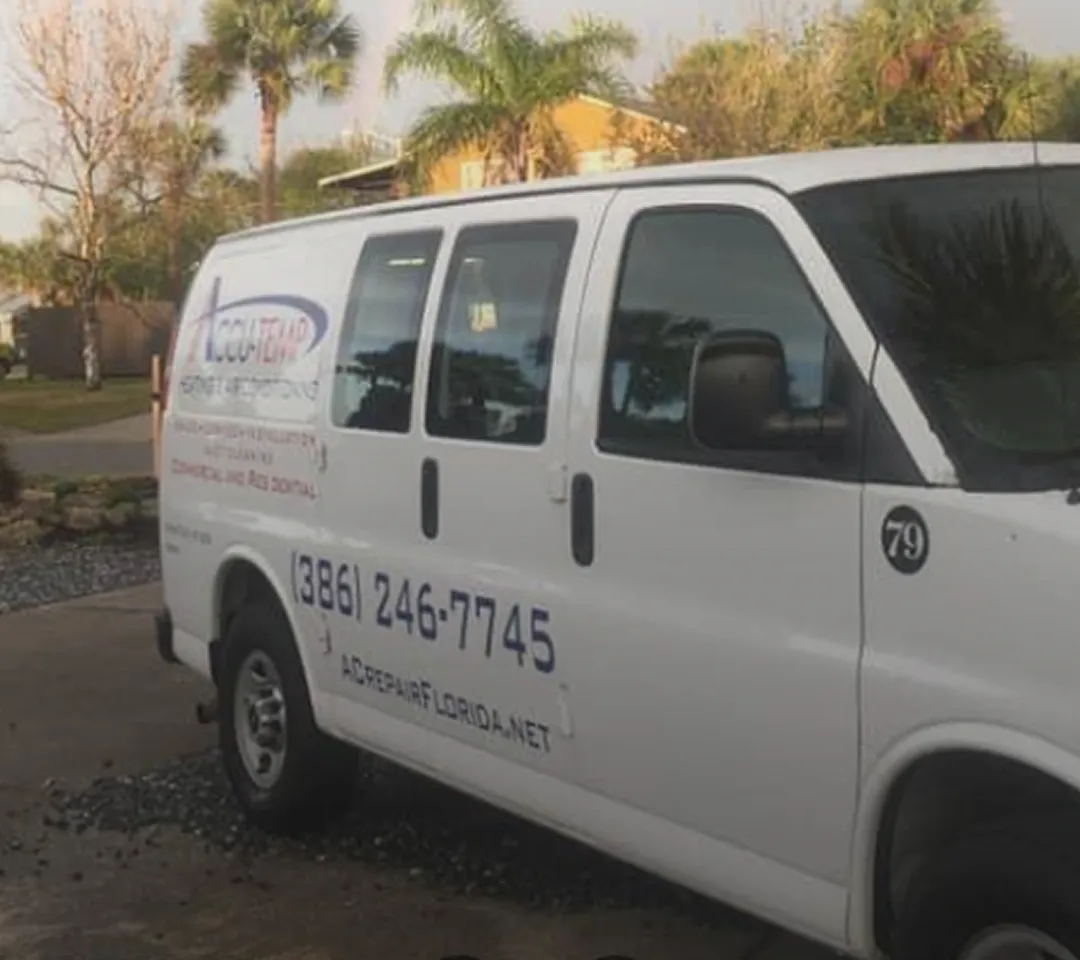
All installations comply with local building codes, with extended warranties and flexible financing available. Accu-Temp Heating and Air Conditioning ensures your home returns to a comfortable temperature swiftly and stays that way for years to come.
What to Expect: Process, Scope, and Timing of Your AC Installation
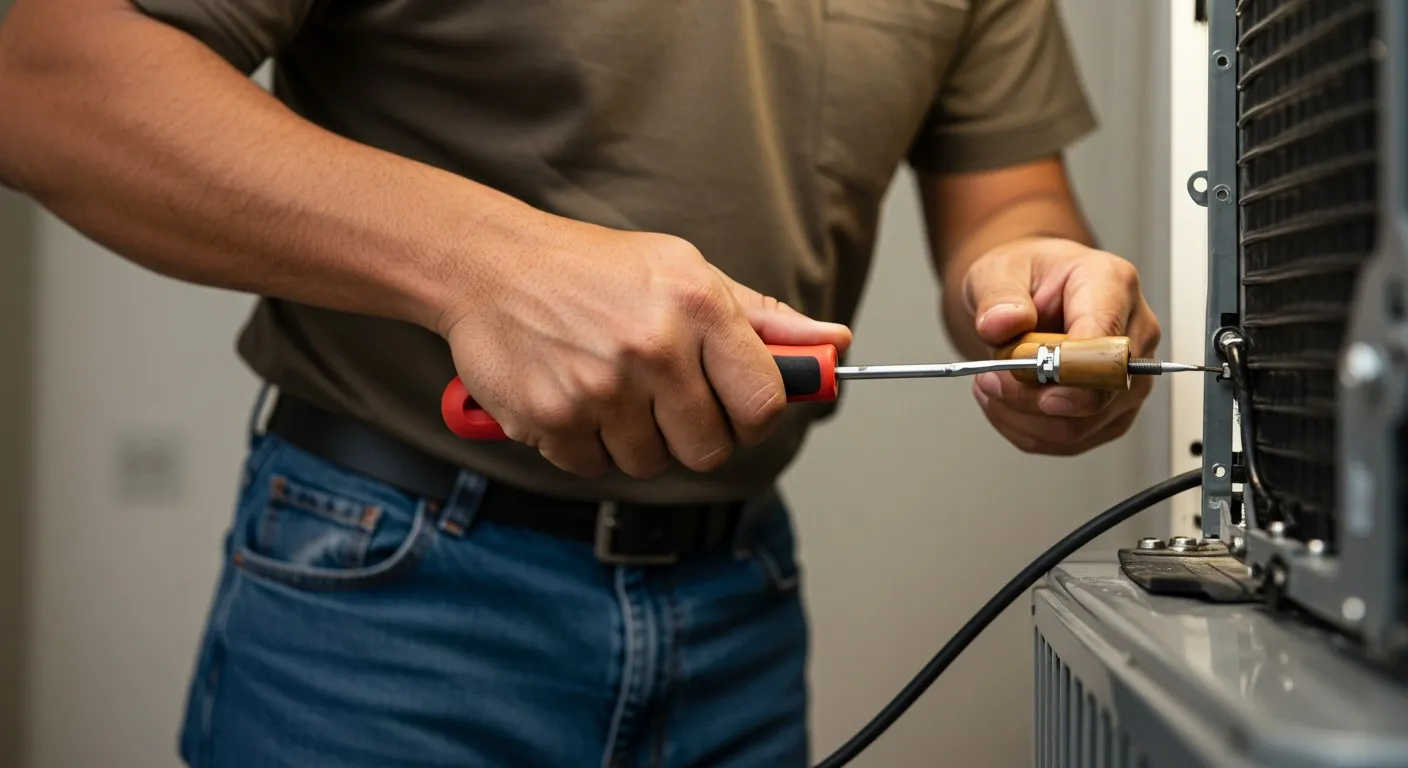
When you commit to a new air conditioning installation, you are investing in the primary defense against Florida’s intense heat. The scope of a proper installation goes far beyond simply swapping one metal box for another. It involves a comprehensive assessment of your home’s thermal characteristics to ensure the new unit performs efficiently under the heavy workload required in Palatka Beach.
The timeline for installation is often the biggest concern for homeowners. In most emergency replacement scenarios, the goal is to have the new system up and running within a single day. Once the specific unit is selected and the site is prepped, the physical removal and installation process typically takes between six to eight hours. This timeframe can vary slightly depending on the complexity of the existing ductwork or the location of the air handler, particularly if it is located in a tight attic or crawl space.
You should expect a thorough evaluation of your current infrastructure before the new unit arrives. This includes checking the refrigerant lines, the electrical capacity of your circuit breaker, and the condition of the drain lines. Modern systems often require different electrical specifications than older models. Ensuring your electrical panel can handle the load of a high-efficiency system is part of the initial scope. Furthermore, because humidity control is just as important as temperature control in this region, the matching of the condenser (outdoor unit) to the evaporator coil (indoor unit) is critical. Mismatched systems often lead to short-cycling, where the unit cools the air too quickly without removing the moisture, leaving your home feeling clammy.
.webp)
Understanding the AC Installation Process: A Step-by-Step Guide
A professional installation follows a rigorous protocol to ensure the longevity of the system and the safety of your property. Skipping steps during the installation often results in premature failure or voided manufacturer warranties. The process is designed to minimize disruption to your daily routine while adhering to strict industry standards.
Site Preparation and Protection
- Technicians begin by laying down drop cloths and protective coverings to safeguard your flooring and furniture.
- The electrical power to the existing HVAC system is disconnected at the main panel to ensure safety.
- The area around the outdoor condenser is cleared of debris, vegetation, or obstructions to allow for proper airflow and leveling.
Removal of the Existing System
- The old refrigerant is pumped out of the system and recovered into certified cylinders. Releasing refrigerant into the atmosphere is illegal and environmentally harmful; proper recovery is a mandatory compliance step.
- The old compressor and air handler are disconnected from the electrical wiring and ductwork.
- The units are physically removed from the property and loaded for proper disposal or recycling.
Installation of New Equipment
- A new pad is often placed for the outdoor condenser to ensure it sits level and stable, preventing vibration noise and strain on the copper lines.
- The indoor air handler is positioned and sealed to the existing supply and return plenums. This seal must be airtight to prevent conditioned air from leaking into the attic or garage.
- New copper refrigerant lines are installed or existing lines are thoroughly flushed and cleaned to remove contaminants.
- A filter drier is installed in the refrigerant line to absorb any moisture or impurities that might enter the system during the connection process.
Electrical and Drainage Connections
- High-voltage wiring is connected to the disconnect box and the unit, ensuring wire sizes meet the amperage requirements of the new equipment.
- Low-voltage control wiring is connected to the thermostat.
- The condensate drain line is reconstructed, often with safety float switches installed. These switches shut off the unit automatically if the drain clogs, preventing water damage to your ceilings or floors.
Vacuum and Charging
- A vacuum pump is attached to the system to remove oxygen and moisture from the lines. This deep vacuum is essential; moisture left inside the lines will mix with oil to create acid, which destroys the compressor.
- Once the vacuum holds, the factory-specified amount of refrigerant is released into the system.
- Technicians measure subcooling and superheat levels to fine-tune the charge, ensuring maximum efficiency.
Final Testing and Commissioning
- The system is powered on and cycled through all operational modes.
- Airflow is measured at the registers to ensure balanced distribution throughout the home.
- The thermostat is programmed according to your preferences.
Deciding Between AC Repair and Replacement: A Quick Guide
Determining whether to inject more money into an aging system or to invest in a new installation is a financial and logical decision. While repairs are often the lower upfront cost, they can be more expensive over time if the system is nearing the end of its useful life. In the climate of Palatka Beach, air conditioners work significantly harder than in other parts of the country, meaning a unit that is 10 years old here may have the wear and tear of a 15-year-old unit elsewhere.
The 50% Rule
- Industry experts often suggest the "50% Rule." If the cost of the repair approaches 50% of the value of a new system, replacement is generally the smarter financial move.
- This calculation should also factor in the age of the unit. If the system is over 10 years old and the repair cost is high, putting that money toward a new warranty-backed unit prevents throwing good money after bad.
Refrigerant Type and Availability
- Older systems utilize R-22 refrigerant (often known as Freon), which has been phased out due to environmental regulations.
- The cost of R-22 has skyrocketed as supplies dwindle. If your older unit has a refrigerant leak, the cost to recharge it alone can sometimes rival the monthly payment on a new system.
- Newer systems use R-410A or A2L refrigerants, which are more efficient, environmentally friendly, and affordable to service.
Efficiency and Energy Bills
- Air conditioners are rated by Seasonal Energy Efficiency Ratio (SEER) or SEER2.
- An older unit might operate at 10 SEER or lower due to wear. Modern standards require a minimum of 14.3 SEER2 in the Southeast region.
- Upgrading from a 10 SEER unit to a 16 SEER system can result in significant reductions in monthly energy bills, effectively helping the new system pay for itself over time.
Comfort and Humidity Control
- As compressors wear out, they lose their ability to pump refrigerant efficiently. This results in longer run times and poor humidity removal.
- If your home feels sticky even when the thermostat reads the correct temperature, the system is no longer effectively dehumidifying. Replacement allows for the installation of two-stage or variable-speed compressors that excel at humidity control.
Navigating Local Permits and Seasonal Considerations for AC Installation
Operating in Palatka Beach requires strict adherence to local regulations and an understanding of the specific environmental challenges present in Florida. Installing an HVAC system is a construction activity that modifies the electrical and mechanical systems of your home, triggering the need for proper oversight.
Permitting Requirements
- Local municipalities require building permits for all HVAC replacements. This is not just a formality; it acts as a consumer protection mechanism.
- A permit ensures that a third-party inspector verifies the installation meets safety codes, specifically regarding electrical connections and structural integrity.
- Unpermitted work can cause significant issues when you try to sell your home, as open permits or lack of documentation can delay or kill a real estate transaction.
- Professional installers handle the permit application, scheduling, and inspection coordination on your behalf.
Seasonal Installation Timing
- The subtropical climate involves high humidity and a distinct rainy season, usually peaking in the summer months.
- Scheduling installations during the morning hours is often preferred to avoid the afternoon thunderstorms common in the region, which can halt outdoor work and expose the system to moisture before it is sealed.
- While emergency replacements happen year-round, proactive replacement during the milder spring or autumn months often allows for more flexible scheduling and faster turnaround times compared to the peak summer rush.
Coastal and Environmental Factors
- Even if you are not directly on the oceanfront, the salt content in the air and high humidity levels in this region can accelerate corrosion on the outdoor unit’s fins and coils.
- It is often recommended to select units with enhanced coil protection or corrosion-resistant coatings.
- Local codes also dictate hurricane tie-down requirements. The outdoor unit must be anchored securely to the concrete pad to withstand high winds during storm season.
Why Choose Us? Credentials and Customer Stories
Selecting the right contractor is just as important as selecting the right equipment brand. The quality of the installation determines 70% to 80% of the system’s overall efficiency and lifespan. A top-tier unit installed poorly will perform worse than a mid-range unit installed perfectly.
Technical Certification and Training
- Technicians undergo rigorous training to stay updated on the latest HVAC technologies, including inverter-driven compressors and smart thermostat integration.
- Proper sizing is verified through load calculations rather than guessing based on the previous unit's size. This ensures the unit is neither too big (causing mold issues) nor too small (running constantly).
- Accu-Temp Heating and Air Conditioning prioritizes technical precision, ensuring that refrigerant charges are exact to the manufacturer’s specifications.
Warranty and Support
- Manufacturer warranties cover parts, but they often require proof of professional installation to remain valid.
- Labor warranties are provided to give homeowners peace of mind that if an issue arises related to the workmanship, it will be corrected without additional cost.
- Post-installation support includes registering the equipment for you and explaining how to operate and maintain the new system for peak performance.
Transparency and Integrity
- Estimates are provided in writing with a clear breakdown of equipment, labor, and permit fees.
- There are no surprise charges on the day of installation.
- The focus is on solving the cooling problem effectively, not upselling unnecessary accessories.
Beat the Heat With Expert AC Installation Services
When your AC fails, you need a partner who acts quickly and follows through on every promise. From the initial load calculation to the final inspection, the process is handled with professionalism and care. Whether you are upgrading for efficiency or replacing a dead unit in an emergency, Accu-Temp Heating and Air Conditioning is ready to help restore your home’s comfort.
Don’t let the heat take over your home—schedule your professional AC installation today.
Contact Us
Why Choose One Company for Everything?

Simplicity

Expertise

Savings
Service Areas