


Immediate AC Installation for Uninterrupted Comfort
Stuck with a malfunctioning air conditioner in the sweltering summer of Palm Coast, FL? Get fast, reliable AC installation that brings back your comfort; contact us now to schedule your assessment or discuss financing options.
When the heat index rises, waiting days for relief is not an option. You need a solution that addresses both the immediate heat and long-term efficiency of your home. Accu-Temp Heating and Air Conditioning specializes in rapid, precise system replacements that restore order to your household environment.
- Experienced technicians available 24/7 to ensure a quick installation.
- Enhance your home comfort with high-efficiency AC systems—installed within the day.
- Transparent pricing with no hidden costs, providing peace of mind.
All installations are fully licensed, with extended warranties available for added security.
Comprehensive System Replacement and Installation Services
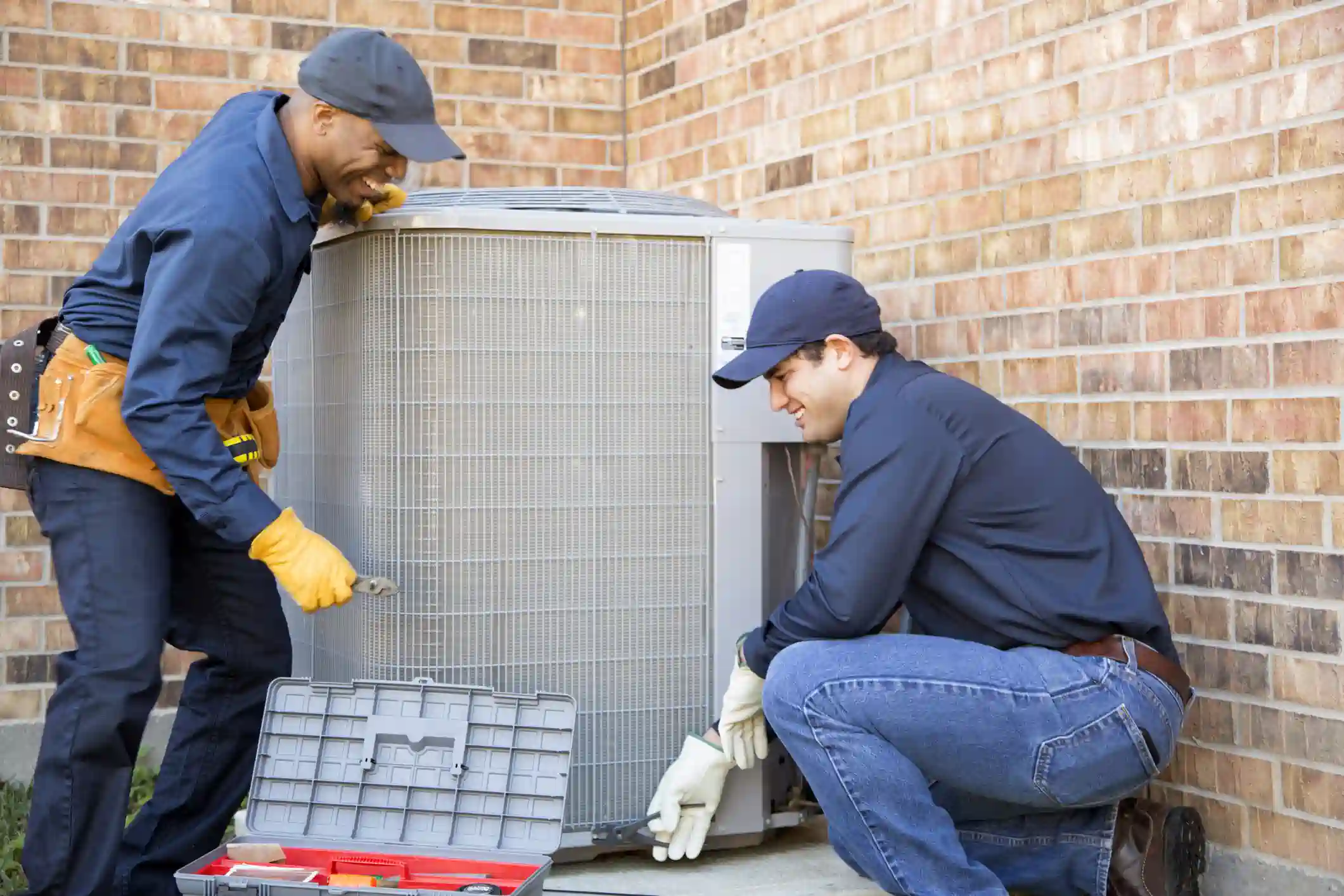
When you commit to a new air conditioning installation, you are purchasing more than just a metal box; you are investing in the next decade of your home's indoor climate. The focus is on delivering a turnkey solution that transitions your home from a state of discomfort to optimized cooling immediately.
Modern installation services go beyond simple equipment swapping. The process begins with a detailed evaluation of your current infrastructure to ensure compatibility with modern, high-efficiency standards. Older homes in the region often have ductwork or electrical connections designed for systems with much lower SEER (Seasonal Energy Efficiency Ratio) ratings. A professional installation includes the necessary adjustments to these components to ensure the new unit performs at its rated efficiency.
Included in a standard installation is the complete removal and environmentally safe disposal of your old unit. Refrigerant gases from the old system must be reclaimed according to EPA standards, preventing environmental contamination. Following the removal, the installation team prepares the site, whether it is a rooftop setup, a side-yard condenser pad, or an attic air handler.
The scope of work also covers the calibration of the thermostat and the testing of airflow balance. A unit that is installed but not balanced will result in hot and cold spots throughout the house. The goal is to leave you with a system that provides consistent temperature control in every room, humidity management, and air filtration that meets the specific needs of your household.
The Installation Process Step-by-Step
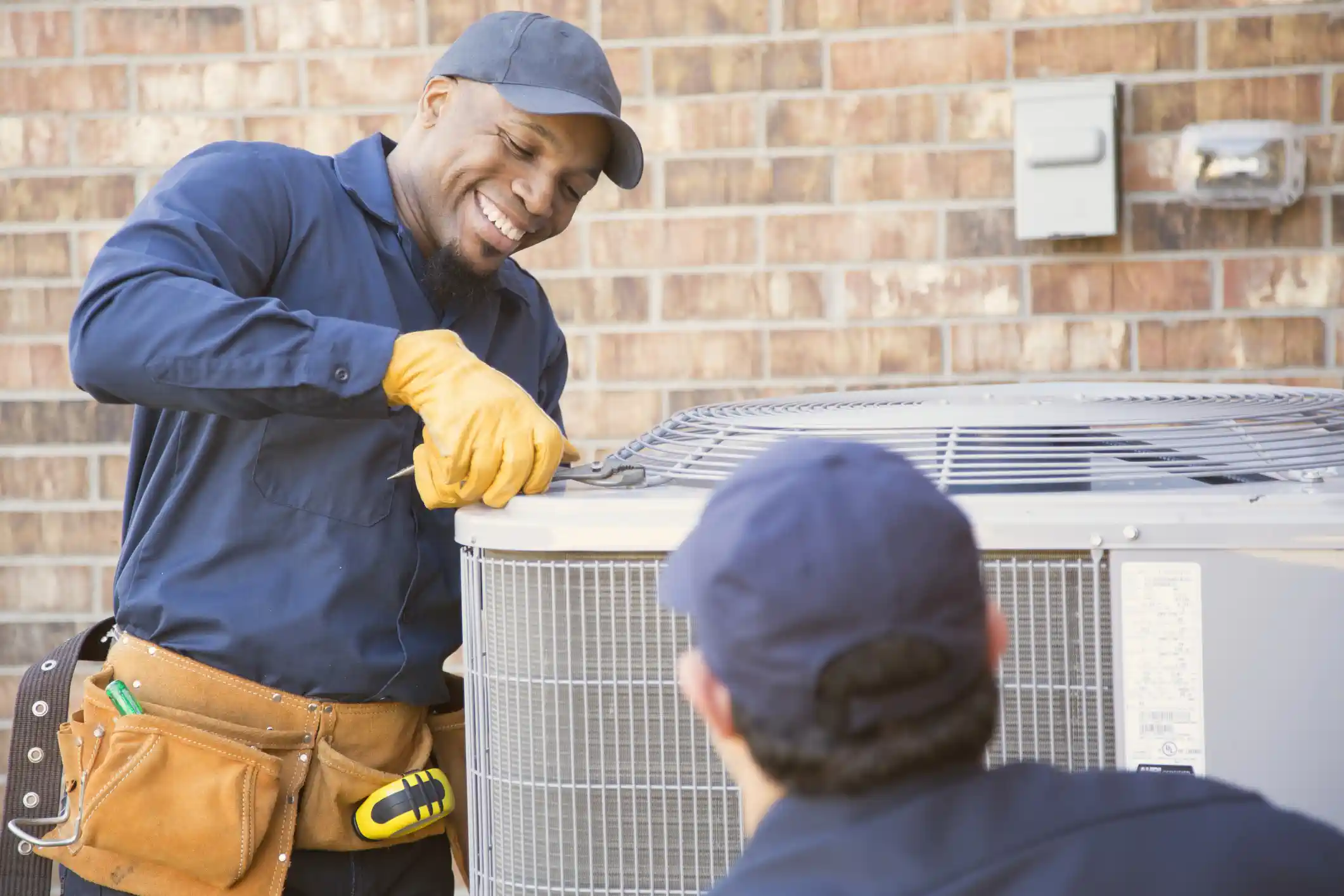
A systematic approach to installation ensures that no detail is overlooked and that the system operates at peak performance from the moment it is turned on. We utilize a rigorous checklist to manage the workflow, ensuring safety and precision at every stage.
- Site Assessment and Load Calculation: Before any equipment is moved, technicians perform a Manual J load calculation. This calculation considers the square footage, insulation levels, window orientation, and local climate data to determine the exact cooling capacity required. Installing a unit that is too large will cause short-cycling and humidity issues, while a unit that is too small will run continuously without cooling the space. This step ensures the equipment is perfectly sized for your specific property.
- Safe Removal of Existing Equipment: Power to the existing HVAC system is shut off at the breaker panel and the disconnect box. Technicians verify the circuit is dead before proceeding. The old refrigerant is pumped out into recovery cylinders to prevent venting into the atmosphere. The old condenser and air handler are then disconnected from the electrical lines and refrigerant piping and carefully removed from the property.
- Infrastructure Preparation and Repair: Once the old unit is gone, the installation area is inspected. For outdoor units, the composite pad is leveled or replaced to ensure the new condenser sits flat, which is vital for the longevity of the compressor. For indoor units, the plenum (the box connecting the AC to the ductwork) is inspected for leaks or damage. If the existing copper refrigerant lines are being reused, they are flushed to remove any contaminants or old oil that could damage the new system.
- Equipment Positioning and Connection: The new air handler and condenser are positioned. Technicians braze the refrigerant lines using nitrogen to prevent oxidation inside the copper tubing. This is a critical quality control step that prevents future blockages. Electrical connections are made, ensuring the wire gauge and breaker size match the new unit's amperage requirements. A new filter drier is installed to trap moisture and debris.
- Vacuum and Charge: Before releasing the new refrigerant, a deep vacuum is pulled on the lines to remove all moisture and non-condensable gases. This step is non-negotiable for system longevity. Once the vacuum holds, the refrigerant is released or weighed in according to the manufacturer’s specifications.
- Final Testing and Commissioning: The system is powered on and tested. Technicians measure static pressure, airflow, and temperature splits (the difference in temperature between supply and return air) to verify the system is cooling effectively. The thermostat is programmed, and the user is briefed on operation and maintenance.
When Replacement Is the Smarter Financial Move
Homeowners often struggle with the decision to repair an aging unit or invest in a new one. While repairs can seem cheaper upfront, there are specific thresholds where replacement becomes the only logical financial decision. Understanding these variables helps in making an informed choice that saves money over the lifespan of the home ownership.
- The 50% Rule: A general industry standard is that if the cost of the repair approaches 50% of the value of a new system, replacement is the better option. Putting half the cost of a new unit into an old machine that may break down again in six months is rarely a sound investment.
- The Age of the System: Air conditioners in Florida typically last between 10 and 15 years due to the high workload and salt air environment. If a unit is over 10 years old and requires a major component replacement, such as a compressor or fan motor, the diminishing returns on that repair are steep. New systems offer warranties that protect you from repair costs for up to 10 years.
- Rising Energy Bills: AC units lose efficiency as they age. If you notice a steady increase in your utility bills despite usage remaining constant, your system is working harder to produce the same amount of cooling. Modern systems have significantly higher SEER ratings than units manufactured a decade ago. Upgrading can often reduce cooling costs by 20% to 40%, helping the new system pay for itself over time.
- Refrigerant Type: Older systems utilize R-22 refrigerant (Freon), which has been phased out due to environmental regulations. As supplies of R-22 dwindle, the cost to recharge a leaking system has skyrocketed. If your older unit has a refrigerant leak, repairing it is often cost-prohibitive compared to installing a modern system that uses widely available, eco-friendly refrigerants like R-410A or newer alternatives.
- Comfort and Air Quality Issues: If your current system struggles to maintain a consistent temperature, leaves the house feeling humid, or creates excessive dust, it is failing to do its job. New installations often include variable-speed technology and advanced filtration that drastically improve indoor air quality and humidity control—essential factors for comfort in this region.
Regional Considerations for Installation
Operating an HVAC system in Palm Coast requires specific attention to environmental factors that do not exist in other parts of the country. The combination of intense heat, high humidity, and proximity to the ocean creates a unique set of challenges that must be addressed during installation.
- Humidity Control: The primary job of an AC in this region is dehumidification. If an AC unit is oversized, it will cool the air too quickly and shut off before it has removed the moisture. This leads to a cold, clammy house and promotes mold growth. Accu-Temp Heating and Air Conditioning prioritizes precise load calculations to ensure the unit runs long enough to effectively dehumidify the air, keeping your home dry and comfortable.
- Corrosion Protection: Salt spray from the ocean can corrode standard aluminum and copper coils rapidly. For homes located near the coast, we recommend systems with enhanced corrosion protection or specialized coatings on the condenser coils. This simple addition can extend the life of the outdoor unit by several years, preventing premature failure due to salt damage.
- Building Codes and Permits: Local building codes regarding HVAC installations are strict to ensure safety and energy efficiency. Permits are required for all system replacements. This process ensures that the electrical work meets current safety standards and that the unit is properly anchored to withstand high winds during hurricane season. Professional installers handle the entire permitting process, ensuring your installation is fully compliant and passes all municipal inspections.
- Drainage Requirements: Because AC units in this climate remove massive amounts of water from the air, condensate drainage is critical. Codes require secondary drain pans and float switches to prevent water damage to ceilings and floors if the primary drain line clogs. Ensuring these safety mechanisms are correctly installed is a vital part of the service.
Why Professional Execution Matters
The reliability of an air conditioning system depends as much on the quality of the installation as it does on the brand of the equipment. A top-tier unit installed poorly will fail sooner and run less efficiently than a mid-range unit installed perfectly.
Technical expertise ensures that the intricate balance of airflow, refrigerant pressure, and electrical voltage is maintained. Technicians trained in the specific nuances of modern HVAC technology prevent common issues such as refrigerant leaks, electrical shorts, and compressor burnout. By adhering to manufacturer specifications and best practices, professional installers protect the validity of your warranty. Most manufacturers will void the warranty if the equipment was not installed by a licensed professional.
Furthermore, professional service respects your property. Use of drop cloths, shoe covers, and thorough cleanup processes ensures that the only evidence of the work is the cool air filling your home. The transition is seamless, handled by experts who understand the urgency of restoring your environment.
When the time comes to replace your air conditioner, the priority is precision, speed, and long-term reliability. Do not let a breakdown compromise your safety or comfort.
Secure your home comfort today—schedule your expert AC installation now.
Professional Installation That Delivers Long-Term Efficiency
A properly sized, expertly installed system makes the difference between reliable cooling and constant breakdowns. With our AC installation and replacement services in Palm Coast, FL, Accu-Temp Heating and Air Conditioning ensures every component is installed to spec, tested for performance, and calibrated for peak operation. We handle permit compliance, energy efficiency goals, and system recommendations tailored to your home.
Request Your AC Installation From a Licensed, Precision-Focused Team
Contact Us
Why Choose One Company for Everything?

Simplicity

Expertise

Savings
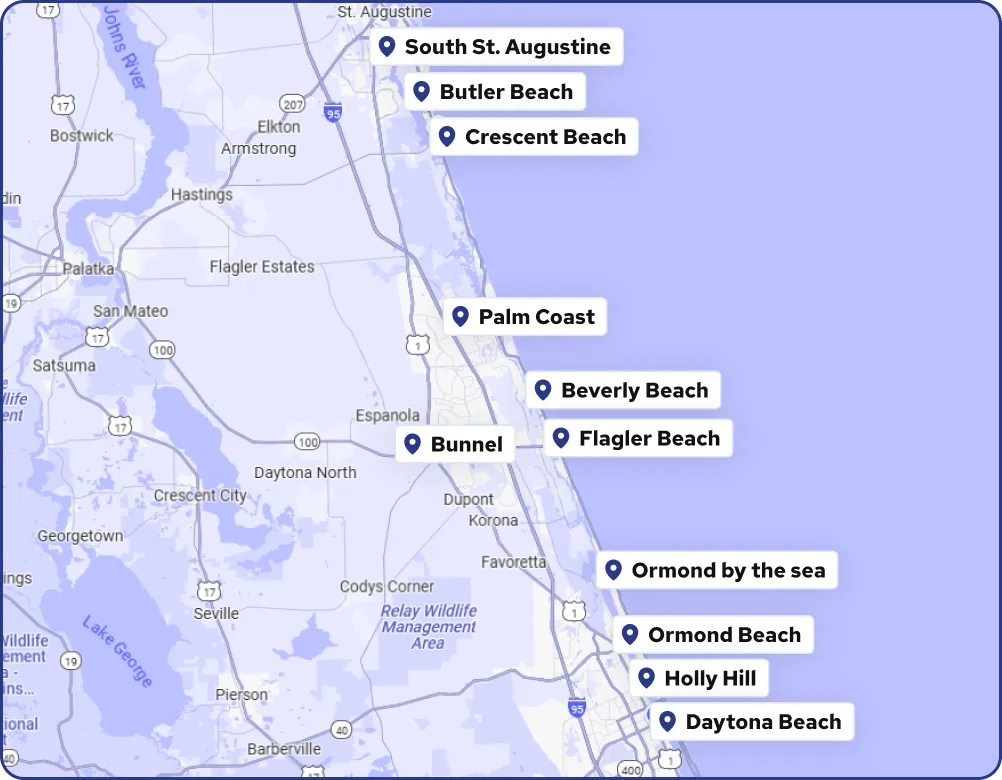
Service Areas