


Restoring Comfort When Your Cooling System Suddenly Fails
It is another sizzling summer day in Crescent Beach, and your air conditioner has just quit, leaving your home rapidly warming up in the intense Florida humidity. You are looking for a fast, dependable solution to beat the heat before the temperature inside becomes unbearable; contact us immediately to schedule a diagnostic visit and restore your cooling. Accu-Temp Heating and Air Conditioning provides the technical expertise required to resolve system failures efficiently.
- Same-day service availability to restore your home’s comfort levels quickly.
- Upfront estimates provided before work begins, ensuring no hidden fees.
- 24/7 availability for emergency breakdowns during nights or weekends.
All technicians are fully certified, and every repair service is backed by a 100% satisfaction warranty to ensure your system runs correctly.
Immediate Assessment and Diagnostic Protocols
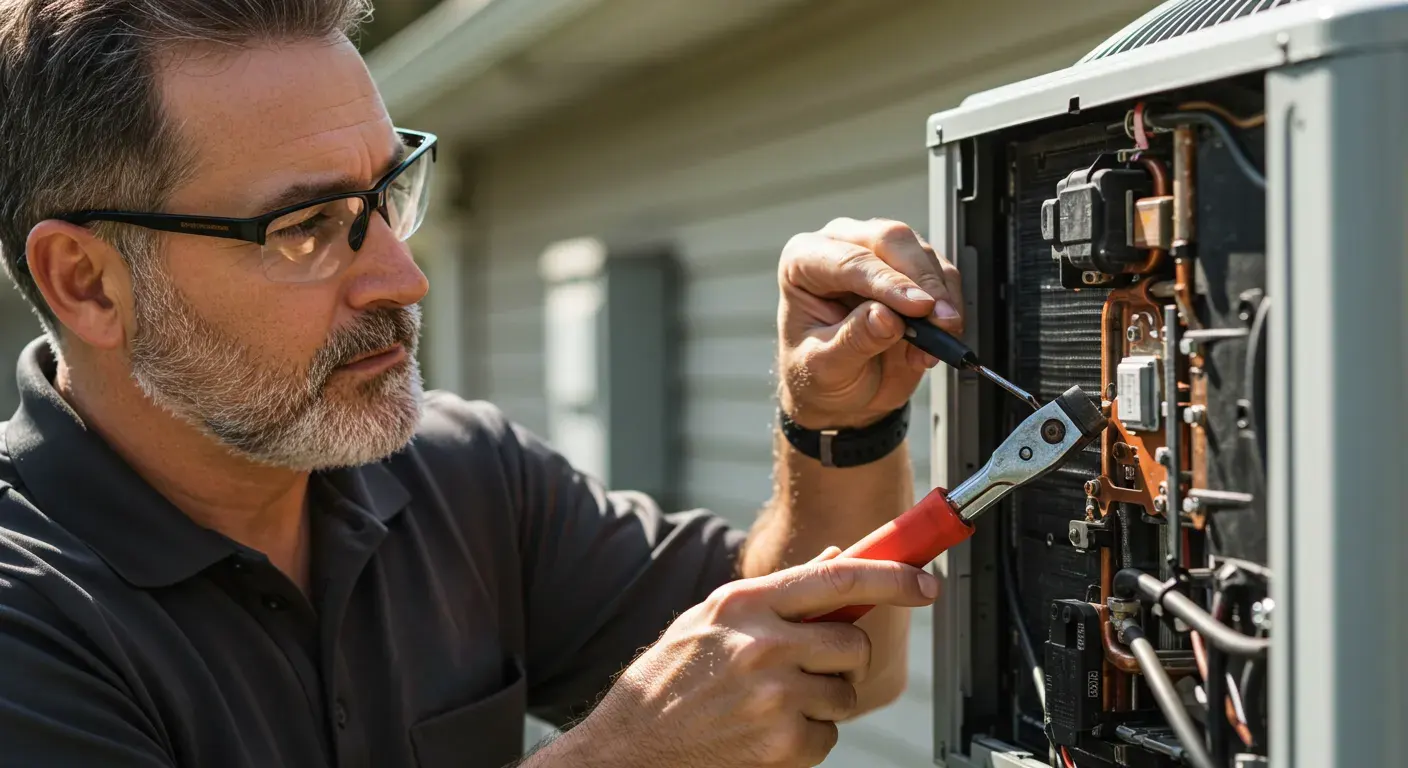
When an air conditioning system fails in a high-humidity environment, time is a critical factor. The immediate goal is to identify the root cause of the breakdown and implement a solution that prevents recurrence. Upon arrival, a technician performs a comprehensive evaluation of the HVAC unit to pinpoint whether the issue stems from electrical failure, mechanical obstruction, or refrigerant imbalances.
The diagnostic process involves a thorough inspection of the system's vital components. This includes testing the thermostat communication, measuring airflow static pressure, and inspecting the condenser coil for blockages. In coastal areas like Crescent Beach, special attention is paid to the condition of the outdoor unit, as salt spray and sand can accelerate wear on electrical contacts and fan motors.
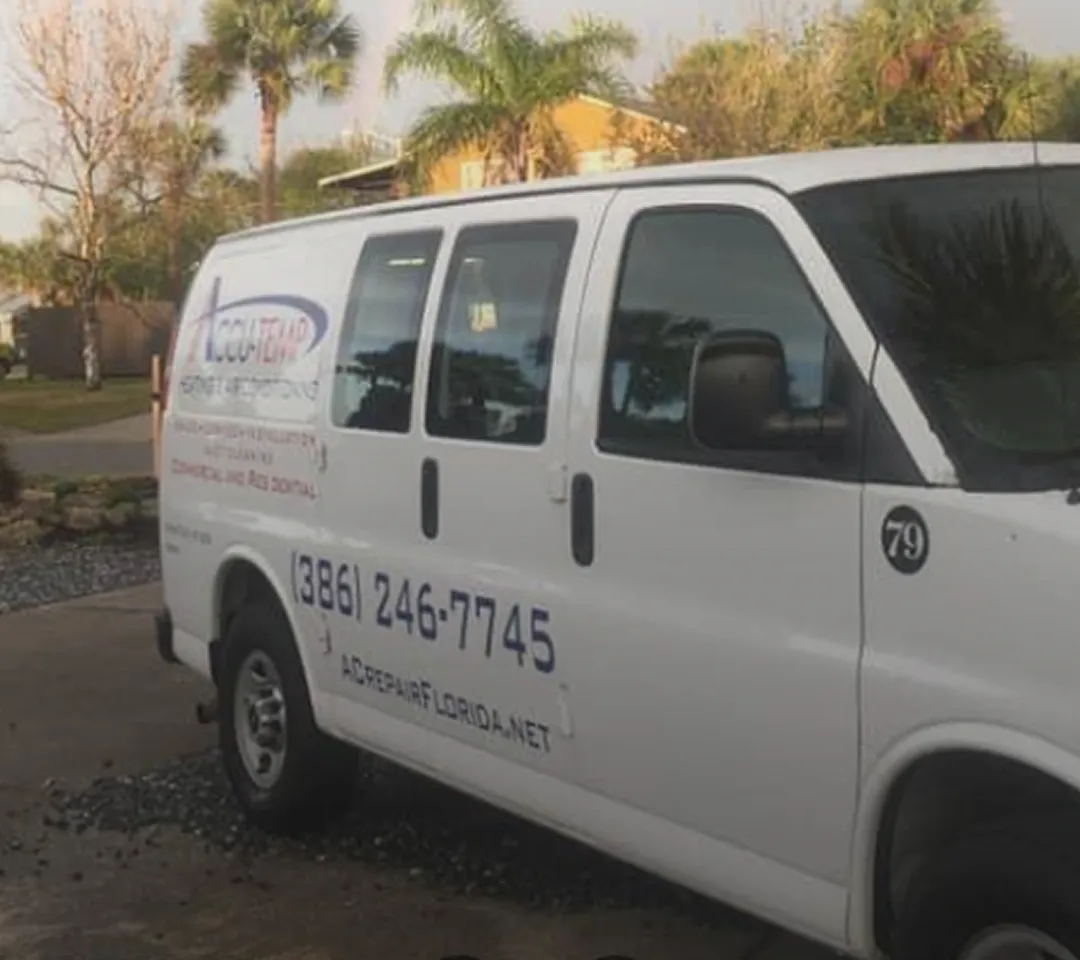
Technicians arrive in service vehicles stocked with common parts such as capacitors, contactors, and fan motors. This preparation allows for many repairs to be completed during the initial visit, eliminating the need to wait for parts to be ordered. The objective is to transition from a broken system to a fully operational cooling cycle within hours, minimizing the disruption to your daily routine and protecting your home from humidity damage.
The Component Repair Process
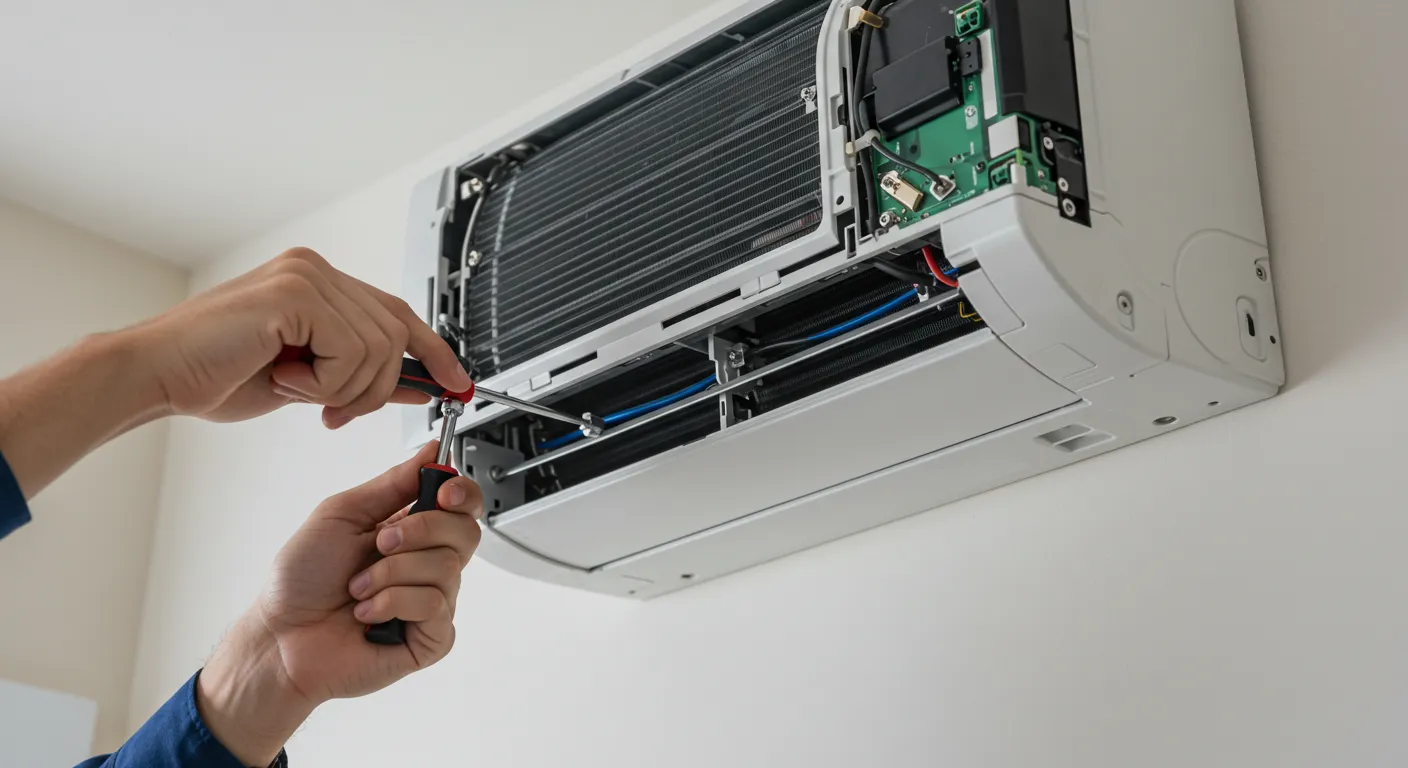
Repairing a central air conditioning system requires a systematic approach to ensure safety and efficiency. Rather than applying a temporary patch, the focus is on restoring the equipment to manufacturer specifications. This process varies depending on the severity of the issue but generally follows a structured workflow to guarantee the system operates at peak performance.
- System Isolation: The process begins by shutting off power to the unit at the breaker panel and the disconnect box. This ensures the safety of the technician and prevents electrical surges during the repair work.
- Component Access and Removal: The technician removes the service panels to access the internal components. If a specific part, such as a failed compressor capacitor or a burnt-out contactor, is identified as the culprit, it is carefully disconnected and removed.
- Installation of New Parts: High-quality, OEM-grade replacement parts are installed. During this step, technicians also inspect surrounding wiring for signs of heat damage or fraying, replacing any compromised connections to prevent future electrical shorts.
- Refrigerant Charge Verification: If the repair involves the refrigerant cycle, gauges are attached to measure subcooling and superheat levels. If a leak was repaired, the system is vacuumed to remove moisture before being recharged to the precise levels required by the manufacturer.
- System Testing and Calibration: Once repairs are complete, the power is restored. The technician cycles the system, checking the amperage draw of the motor and compressor to ensure they are within safe operating ranges. The temperature drop across the evaporator coil is measured to confirm the unit is actively cooling.
Deciding Between Repair and System Replacement
Homeowners often face the difficult decision of whether to invest in another repair or to replace the entire system. Making the right financial choice requires analyzing the age of the unit, the cost of the current repair, and the history of breakdowns. While a quick fix is often the most convenient short-term solution, recurring issues can signal that a system has reached the end of its service life.
The Age of the System
Air conditioning units in Florida typically have a lifespan of 10 to 15 years due to the heavy workload required by the climate. If your unit is approaching or has exceeded this age range, major component failures—such as a compressor or coil leak—often indicate that the system is mechanically totaled. Continuing to repair a unit in this age bracket can result in diminishing returns, as energy efficiency degrades and the likelihood of another breakdown increases.
The 50% Rule
A standard industry benchmark for this decision is the 50% rule. If the cost of the necessary repair approaches or exceeds 50% of the value of a new system, replacement is generally the more strictly economic choice. Investing thousands of dollars into an aging compressor or a rusted coil is rarely advisable when that capital could go toward a new system with a full warranty and higher efficiency ratings.
Refrigerant Considerations
Older systems that utilize R-22 refrigerant (Freon) are becoming increasingly expensive to service. Because R-22 has been phased out due to environmental regulations, the cost of recharging a leaking system is prohibitive. If your unit relies on R-22 and has developed a leak, Accu-Temp Heating and Air Conditioning generally recommends transitioning to a modern system that uses R-410A or newer refrigerants, as this eliminates the reliance on obsolete and costly chemicals.
Frequency of Breakdowns
If you have required multiple repairs within the last twelve months, the system is likely unreliable. Frequent breakdowns suggest that the internal components are failing in succession. In this scenario, a replacement offers peace of mind and eliminates the recurring expense of service calls and emergency diagnostics.
Local Climate Challenges and Operational Requirements
Operating an AC system in Crescent Beach presents unique challenges compared to inland locations. The combination of intense tropical heat, high humidity, and proximity to the ocean creates a harsh environment for mechanical equipment. Understanding these local factors is essential for maintaining a reliable cooling system.
Salt Air and Corrosion
The proximity to the ocean introduces salt-laden air to the outdoor condenser unit. Salt is highly corrosive to aluminum fins and copper tubing. Over time, this corrosion restricts heat transfer, causing the system to work harder to cool the home, which eventually leads to compressor failure or refrigerant leaks. Repairs in this region often involve inspecting for galvanic corrosion and potentially applying protective coatings to extend the life of the metal components.
Humidity Management
In this region, an air conditioner does more than just lower the temperature; it is the primary dehumidifier for the home. When a unit malfunctions, indoor humidity levels spike rapidly, creating an environment conducive to mold growth and causing discomfort even if the temperature is relatively low. Technicians prioritize ensuring that the evaporator coil and drain lines are functioning correctly to maintain proper moisture removal rates.
Permitting and Regulations
Major repairs, specifically those involving system replacements or significant ductwork modification, may require adherence to local building codes. Ensuring that electrical connections meet current safety standards and that refrigerant handling complies with EPA regulations is part of the professional service. When a replacement is necessary, proper permitting ensures the installation is inspected and safe for occupancy.
Storm Season Preparation
The heavy precipitation experienced from June to October, along with the threat of tropical storms, places additional stress on HVAC systems. Power surges from lightning strikes can damage circuit boards and capacitors. Furthermore, debris from high winds can clog the outdoor unit, restricting airflow. Post-storm inspections are often necessary to clear debris and verify that the system has not sustained electrical damage.
Specialized AC Failure Symptoms
Recognizing the specific signs of air conditioning failure allows for faster intervention before minor issues escalate into catastrophic damage. While a complete system shutdown is obvious, many failures present early warning signs that manifest through sound, smell, or performance lags.
Audible Indicators
- Screeching or Squealing: This typically indicates a motor issue, likely involving the blower motor or the outdoor fan motor. It suggests that a belt is slipping (on older units) or that bearings require lubrication or replacement.
- Buzzing or Clicking: Electrical components, such as the contactor or relay, often make a buzzing sound when they are failing to engage. Rapid clicking usually signifies a capacitor failure or a signal issue between the thermostat and the unit.
- Hissing: A distinct hissing noise typically points to a refrigerant leak. As the high-pressure gas escapes from the copper lines or coils, it produces this sound. This is an urgent issue that requires immediate professional handling.
Olfactory Indicators
- Burning Smell: An acrid odor resembling burning plastic or rubber usually indicates an electrical short or a motor overheating. If this smell is detected, the system should be turned off immediately to prevent a fire hazard.
- Musty Odors: A pervasive musty or "dirty sock" smell suggests biological growth within the system, often on the evaporator coil or inside the ductwork. This is frequently caused by poor drainage or high humidity levels inside the unit.
Performance Indicators
- Short Cycling: If the AC turns on and off frequently without completing a full cooling cycle, it is short cycling. This places immense strain on the compressor and causes energy bills to skyrocket. It can be caused by an oversized unit, a clogged filter, or low refrigerant levels.
- Warm Air from Vents: If the thermostat is set to cool but the air blowing from the registers is warm or room temperature, the compressor is likely not running, or the system is completely out of refrigerant.
Why Professional Execution Matters
The difference between a lasting repair and a temporary patch lies in the diagnostic accuracy and the quality of the workmanship. Professional intervention ensures that the system is not only running but operating at the efficiency levels intended by the manufacturer.
Accurate Load Calculation and Airflow Analysis
Simply swapping parts does not address underlying issues like restricted airflow or improper duct sizing. Professional technicians assess the static pressure of the system to ensure the blower motor is moving the correct volume of air. This protects the new parts from premature failure caused by overheating or freezing.
Safety and Electrical Compliance
Air conditioning systems operate on high-voltage electricity. Mishandling capacitors or wiring can result in severe injury or property damage. Professionals are trained to handle high-voltage circuits safely and ensure all wiring connections are tight and insulated, reducing the risk of electrical fires.
Warranty Preservation
Attempting DIY repairs or hiring unlicensed labor can void the manufacturer’s warranty on your HVAC equipment. Professional repairs are documented, and certified technicians use approved parts, preserving the warranty coverage on the compressor and other major components. This documentation is crucial should a major warranty claim be necessary in the future.
Securing Your Home Comfort
A functioning air conditioner is a necessity, not a luxury, when living in the coastal Florida climate. Whether you are dealing with a complete system failure, a refrigerant leak, or an electrical malfunction, professional diagnostic and repair services provide the solution required to restore a livable indoor environment. By addressing issues immediately, you protect your home from humidity damage and ensure your family remains cool.
Do not let a broken air conditioner compromise your safety or comfort. For reliable, same-day service that prioritizes technical accuracy and customer satisfaction, Accu-Temp Heating and Air Conditioning is ready to mobilize — contact us today.
Call now to dispatch a certified technician and get your AC running today.
Contact Us
Why Choose One Company for Everything?

Simplicity

Expertise

Savings
Service Areas