


Is Your Cooling System Losing the Battle Against Humidity?
When your air conditioner begins to falter during a sweltering Daytona afternoon, the rising indoor temperature quickly shifts from a minor inconvenience to a critical comfort issue. You need a responsive team that understands how to restore performance and efficiency without unnecessary delays or excuses. For immediate scheduling or to discuss financing options for major repairs, contact us.
- Rapid diagnostic response to identify the root cause of cooling failures.
- Comprehensive maintenance protocols designed to counteract salt air corrosion and high humidity.
- Technical precision from licensed professionals who ensure your system meets manufacturer specifications.
We are fully licensed and insured, providing transparent assessments and upfront solutions for your cooling infrastructure.
Comprehensive AC Maintenance Scope
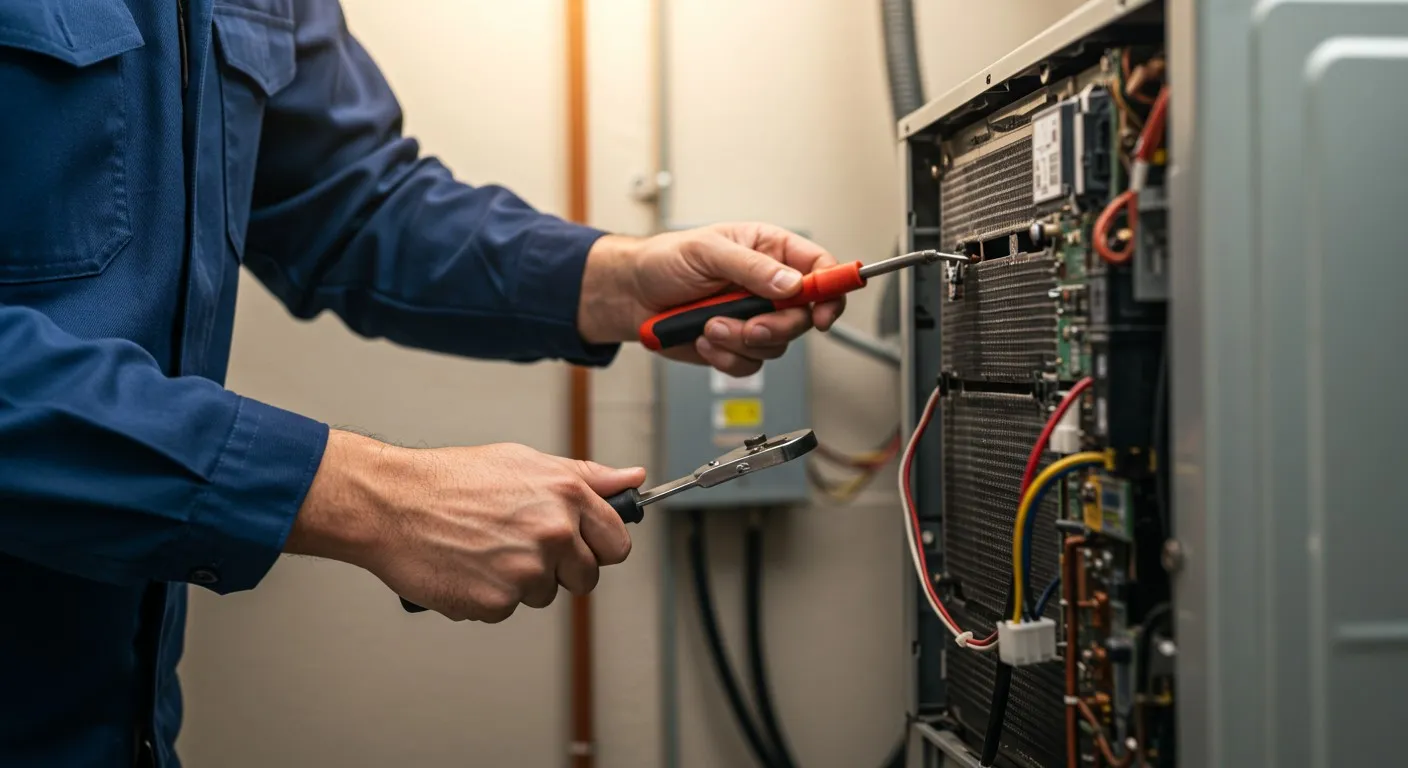
Effective air conditioning service goes beyond a simple filter change; it involves a rigorous inspection and calibration of the entire cooling system. In coastal environments like Daytona, equipment is subjected to higher levels of stress due to constant humidity and salt exposure. A professional maintenance visit focuses on optimizing the heat transfer process and ensuring the mechanical components operate within safe electrical ranges.
The primary objective of a service visit is to return the unit to factory specifications. Over time, vibration can loosen electrical connections, and airflow obstructions can artificially raise the system's operating temperature. Addressing these issues proactively prevents catastrophic component failure during the peak summer months.
Our service includes the following critical checkpoints:
- Evaporator and Condenser Coil Cleaning: Dirt and debris act as an insulator on coils, preventing the system from absorbing heat from inside your home or releasing it outside. We chemically clean these coils to restore proper heat transfer.
- Refrigerant Level Inspection: We measure superheat and subcooling levels to ensure the refrigerant charge is exact. Undercharged or overcharged systems work harder to cool the space, driving up energy costs.
- Condensate Drain Line Clearing: Algae and biological growth thrive in wet environments. We clear the drainage system to prevent water backups that can trigger safety switches or cause water damage to the property.
- Electrical Component Analysis: Technicians tighten all electrical connections and measure the voltage and amperage on motors. This identifies parts that are drawing too much power, signaling an imminent failure.
- Thermostat Calibration: Ensuring the thermostat reads temperature accurately is vital for consistent comfort and preventing short-cycling.
- Lubrication of Moving Parts: Reducing friction in motors and fans minimizes resistance, lowers electricity usage, and extends the lifespan of the hardware.
- Blower Motor Inspection: The blower requires a specific airflow rate to move air efficiently through the ductwork. We assess the wheel for dust buildup, which can unbalance the motor.
The Service and Restoration Process
Understanding what happens during a service call helps homeowners make informed decisions about their property. The process is systematic, ensuring no component is overlooked. When a technician arrives, the focus is on diagnosing current performance against the system's rated potential.
The Diagnostic Phase
The process begins with a complete system run-up. The technician listens for irregular noises, such as rattling or grinding, which indicate mechanical looseness or bearing failure. Static pressure is measured to determine if the ductwork is restricting airflow. This data provides a baseline for the health of the system.
Deep Cleaning and Adjustment
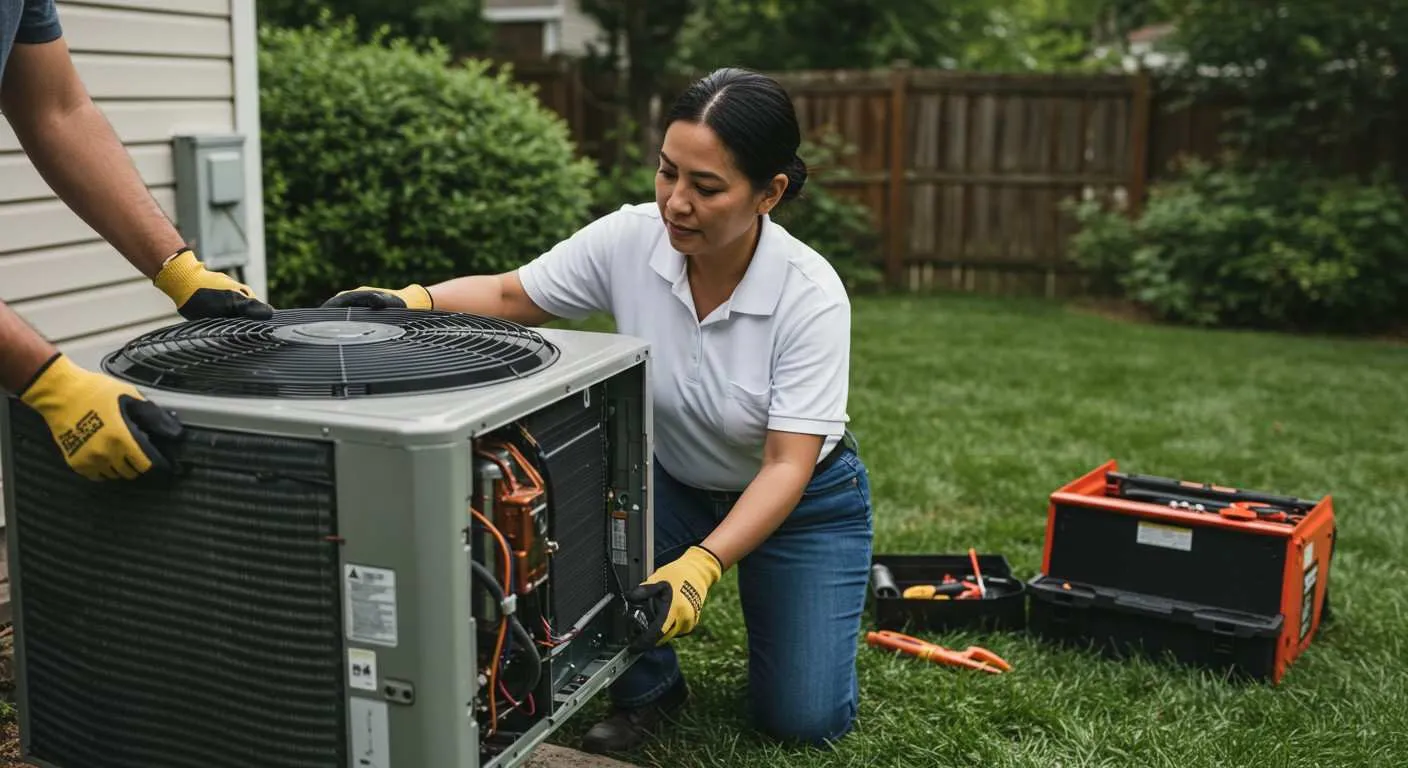
Once the baseline is established, the physical work begins. Power is disconnected for safety. Panels are removed to access internal components. Debris such as leaves, grass clippings, and sand are removed from the outdoor condenser unit. The technician then focuses on the electrical compartment, looking for pitted contactors or swollen capacitors that need replacement.
Testing and Verification
After cleaning and adjustments are made, the system is restarted. The technician monitors the system through a full cooling cycle. They verify that the temperature drop across the evaporator coil (the "split") is within the correct range, typically between 18 and 22 degrees Fahrenheit. This confirms that the system is actually dehumidifying and cooling the air as intended.
Reporting and Recommendations
Finally, you receive a detailed report of the work performed. If a part is near the end of its lifecycle, you are informed immediately. This allows you to plan for a replacement part on your timeline rather than facing an emergency breakdown later.
Deciding Between Repair and Replacement
Homeowners often face the difficult choice of sinking money into an existing unit or investing in a new system. This decision should be based on data, not guesses. While Accu-Temp Heating and Air Conditioning focuses on extending the life of your current equipment whenever possible, there are mathematical tipping points where replacement becomes the more financially sound option.
The 50% Rule
A general industry standard is the 50% rule. If the cost of the necessary repair approaches 50% of the value of a new system, replacement is generally the better investment. This is particularly true if the unit is out of warranty, as you are paying for both parts and labor on a depreciating asset.
Age and Efficiency
In the Daytona area, the lifespan of an AC unit is often shorter than the national average due to environmental factors. If a system is over 10 to 12 years old and requires a major component like a compressor or evaporator coil, repair is rarely cost-effective. Newer systems operate at higher SEER (Seasonal Energy Efficiency Ratio) ratings. Replacing a 10 SEER unit with a modern 16+ SEER unit can result in significant monthly energy savings, which helps offset the installation cost over time.
Frequency of Breakdowns
If your system has required multiple repairs in the last two years, it has likely entered the "nickel and dime" phase. Constant minor repairs add up quickly and result in recurring downtime. A reliable system should not require service calls outside of routine maintenance.
Refrigerant Type
Older systems utilize R-22 refrigerant (Freon), which has been phased out and is exponentially expensive to source. If an older R-22 unit develops a leak, replacement is almost always the only logical path, as the cost to recharge the system is prohibitive and does not solve the underlying leak or age issues.
Navigating Local Climate Challenges
Operating an air conditioning system in Volusia County presents unique challenges that generic maintenance guides do not address. The environment is aggressive toward mechanical equipment, and local regulations play a role in how services are rendered.
Combating Salt Corrosion
For properties located near the coast, salt spray is a constant threat. Salt acts as an electrolyte, accelerating the corrosion of aluminum fins and copper tubing in the condenser. This leads to "fin rot," where the fins literally crumble away, destroying the unit's ability to dissipate heat. Our service protocols prioritize checking for corrosion and recommending protective coatings or rinsing schedules to mitigate this damage.
Managing Extreme Humidity
Florida’s humidity places a massive latent load on your AC. The system must work harder to remove moisture from the air before it can effectively lower the temperature. If a system is short-cycling (turning on and off too quickly), it cools the air but leaves the humidity high, leading to a clammy indoor environment and potential mold growth in ducts. Proper maintenance ensures the system runs long enough to dehumidify effectively.
Permitting and Regulations
When a repair escalates to a system replacement or major modification, local building codes come into play. Daytona requires specific permits for HVAC installations to ensure safety and energy efficiency compliance. This includes verification of hurricane-strap tie-downs to secure the outdoor unit against high winds. Professional service providers handle the permitting process, ensuring the work passes inspection and protects your home’s insurance validity.
Seasonality and Timing
While cooling is needed year-round, the demand peaks drastically from May through September. The best time to address maintenance or non-critical repairs is during the cooler "shoulder seasons" of late autumn or early spring. Scheduling service during these windows ensures you are prepared before the heat index creates an emergency situation.
Why Professional Service Ensures Longevity
Entrusting your cooling infrastructure to a professional service provider is an investment in reliability. Modern HVAC equipment is complex, relying on sophisticated circuit boards, variable-speed motors, and precise refrigerant pressures. Attempting DIY maintenance or hiring unlicensed workers often leads to voided warranties and compromised performance.
- Warranty Preservation: Most manufacturers strictly require proof of annual maintenance by a licensed contractor to keep the parts warranty valid. Without this documentation, a compressor failure in year four could cost you thousands, even if the warranty period was technically ten years.
- Safety Protocols: AC systems run on high-voltage electricity and contain refrigerant under high pressure. Professionals are trained to handle these hazards safely. Furthermore, they check for safety issues that a homeowner might miss, such as burnt wiring or compromised safety float switches.
- Proper Tooling: diagnosing modern systems requires advanced tools, including digital manifolds, micron gauges for vacuum testing, and psychrometers for measuring wet-bulb temperatures. These tools provide the accuracy needed to fine-tune a system for maximum efficiency.
- Access to Parts: Licensed contractors have access to OEM (Original Equipment Manufacturer) parts. Using generic "universal" parts can alter the system's performance and potentially damage other components.
When you prioritize professional care, you ensure that your air conditioner operates quietly, efficiently, and reliably. The goal is to make the system invisible—providing perfect comfort without drawing attention to itself through noise, failure, or high utility bills.
Don’t Wait for a Breakdown: Secure Your AC Checkup Today
If your air conditioning system is showing signs of struggle, or if it has been more than a year since your last professional inspection, do not wait for a complete breakdown. Secure your comfort and protect your investment by scheduling a comprehensive service visit today.
Don't let the heat dictate your comfort—contact Accu-Temp Heating and Air Conditioning now to arrange your service appointment.
Contact Us
Why Choose One Company for Everything?

Simplicity

Expertise

Savings
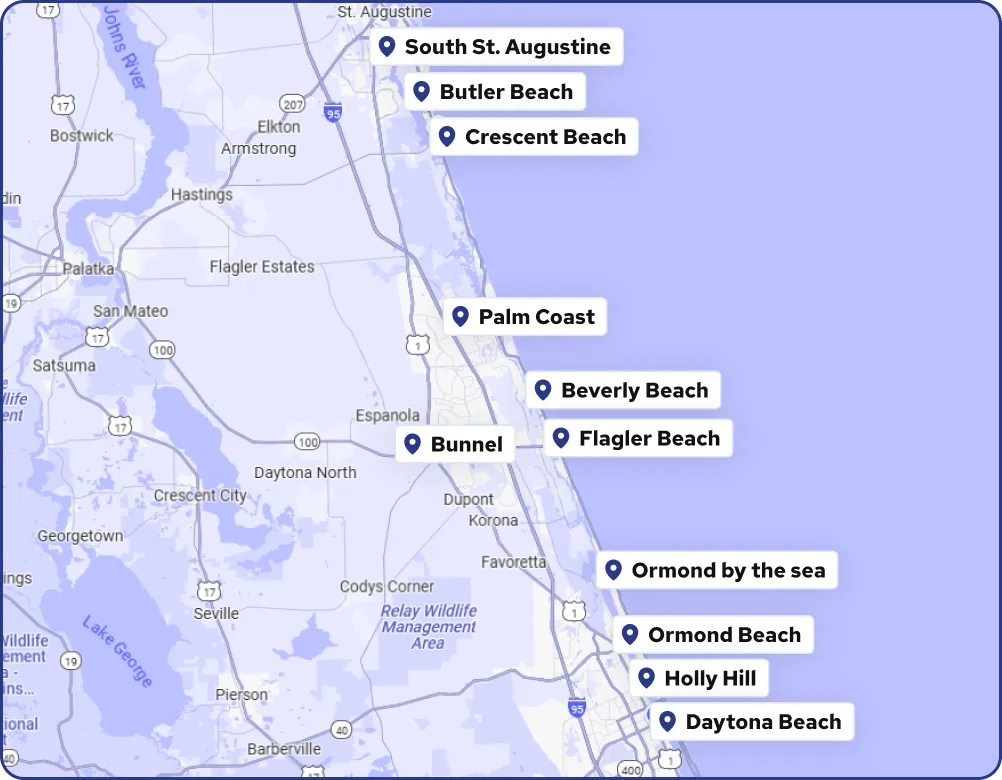
Service Areas