


Is Your Cooling System Failing to Combat the Humidity?
Living in Daytona Beach requires a functioning AC unit, yet mechanical breakdowns often happen during the hottest, most humid peaks of summer. If your current system is blowing warm air or refusing to turn on, contact us or inquire about our financing options to secure your installation today.
Beat the coastal heat with reliable, fast air conditioning installation designed to handle the specific climate challenges of the region. Don't let a broken AC disrupt your comfort or damage your home's interior with unchecked humidity:
- Same-day installation to swiftly restore your comfort and protect your home.
- Energy-efficient solutions that significantly reduce your monthly utility bills.
- Comprehensive warranties ensure peace of mind with every service.
All installations are fully licensed, insured, and compliant with up-to-date city codes, with flexible financing available for homeowners.
What to Expect From Your New AC Installation
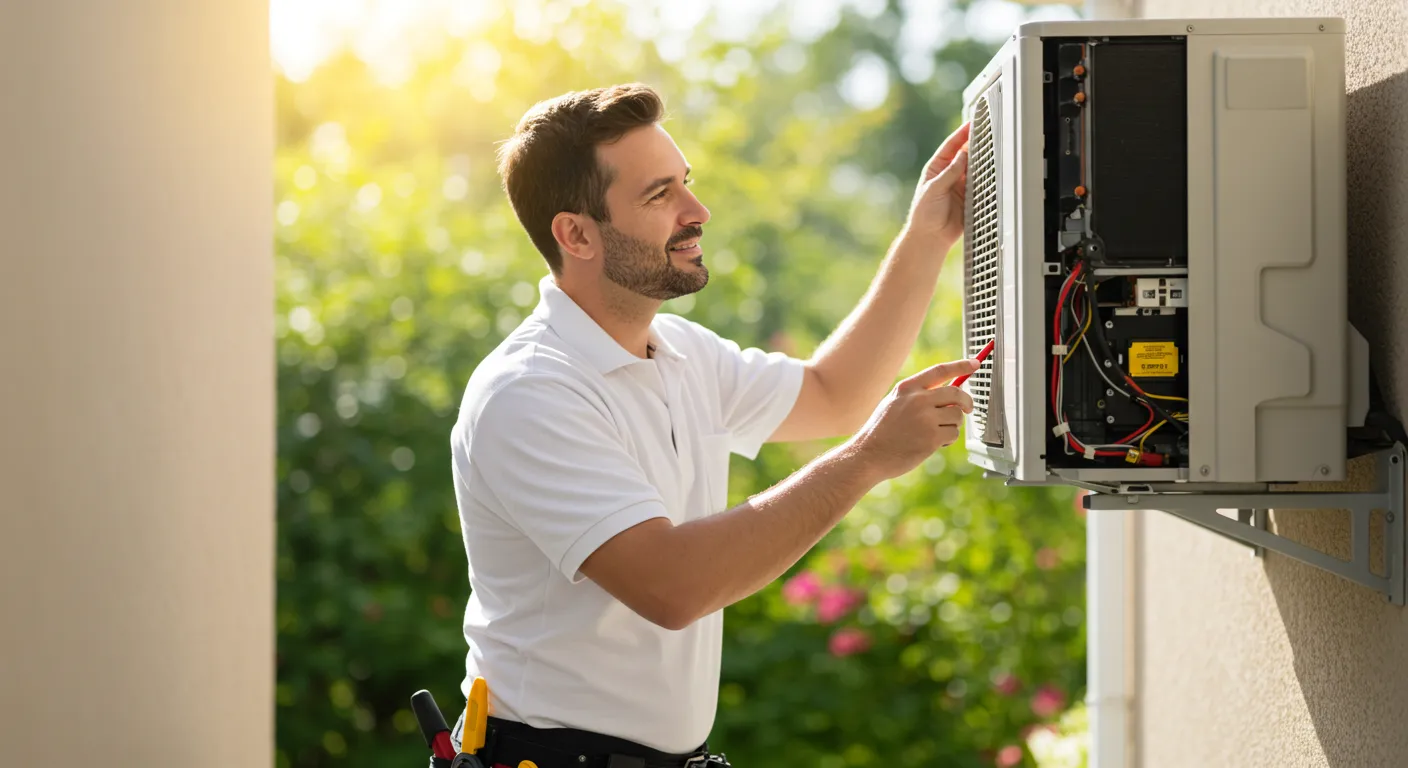
Investing in a new air conditioning system is about more than just swapping one metal box for another; it is a comprehensive service that ensures long-term efficiency and comfort. When you schedule an installation, the process begins with a detailed assessment of your home’s thermal characteristics. Unlike a simple repair, an installation focuses on optimizing the entire cooling infrastructure of the property.
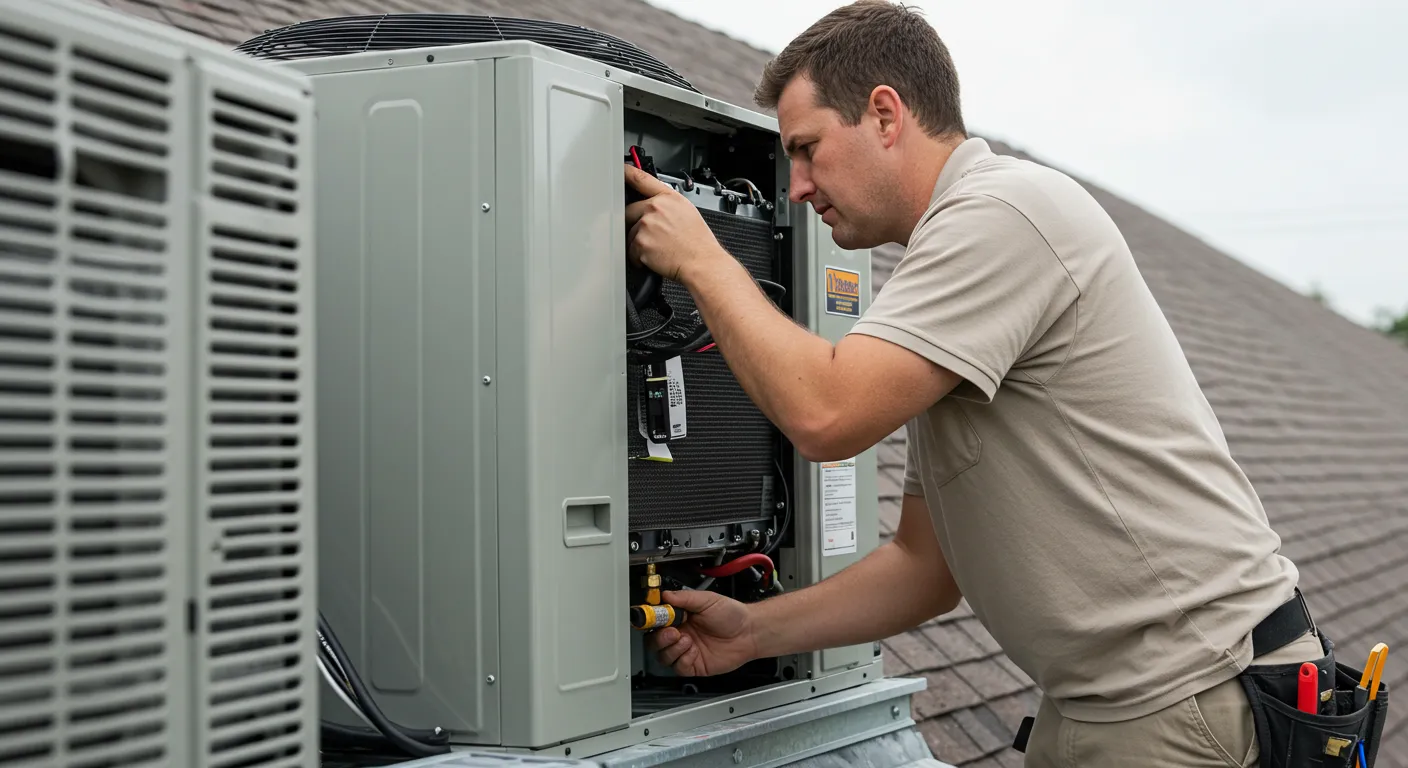
Accu-Temp Heating and Air Conditioning provides a holistic approach to system replacement, ensuring that the new unit communicates effectively with your existing ductwork and thermostat. The goal is to establish a system that not only cools the air but also actively dehumidifies the space, which is critical for indoor air quality in Florida. You receive a complete scope of work that outlines the removal of the old unit, the specifications of the new equipment, and a clear timeline for completion. Most residential installations are completed within a single day to minimize disruption to your daily routine:
Accurate Load Calculation and Sizing
One of the most critical aspects of a successful installation is the load calculation. Many older homes have units that were either oversized or undersized during their initial construction. An oversized unit will cool the house too quickly and shut off before it has removed the humidity, leading to a "clammy" feeling and short-cycling that wears out components. An undersized unit will run continuously, driving up electricity costs while failing to reach the set temperature.
Technicians perform a manual load calculation that considers the square footage, window orientation, insulation levels, and heat-generating appliances in your home. This ensures the selected unit has the exact capacity required to handle the heat load of your specific property.
Assessment of Ductwork Integrity
Before a new high-efficiency unit is connected, the air distribution system must be evaluated. Leaky or collapsed ducts can waste a significant percentage of the conditioned air before it ever reaches your living rooms or bedrooms. If the ductwork is compromised, even the highest SEER-rated unit will perform poorly. The installation process includes inspecting accessible ductwork for leaks, disconnections, or inadequate insulation. sealing these leaks or modifying the plenum ensures that you get the full efficiency benefit of your new investment.
The Installation Process: Step-by-Step
A professional installation follows a rigorous, standardized procedure to ensure safety and performance. This process is designed to protect your property and ensure the equipment operates according to the manufacturer's strict specifications:
- Site Preparation and Safety Setup: The area around the indoor and outdoor units is cleared and protected with drop cloths. Technicians ensure that electrical power is disconnected at the main panel to ensure safety during the swap-out.
- Refrigerant Recovery: Before the old unit can be moved, the existing refrigerant must be recovered into approved cylinders. Releasing refrigerant into the atmosphere is illegal and environmentally harmful. This step is handled using specialized recovery machines.
- Equipment Removal: The old condenser (outdoor unit) and air handler or furnace (indoor unit) are disconnected and removed. This includes cutting old copper lines and disconnecting high-voltage wiring. The old equipment is hauled away for proper recycling.
- Pad and Stand Inspection: The outdoor concrete pad is leveled or replaced if it has sunk or cracked. For the indoor unit, the stand or platform is checked for stability. In hurricane-prone areas, ensuring the outdoor unit is securely anchored to the pad is a mandatory step for code compliance.
- Positioning and Connection: The new units are set in place. New copper refrigerant lines are run or existing lines are flushed and brazed using nitrogen to prevent oxidation inside the pipes.
- Electrical and Thermostat Wiring: High-voltage wiring is reconnected with new disconnect boxes if necessary. Low-voltage control wires are connected to the thermostat. In many cases, a new smart thermostat is installed to maximize the features of the new AC system.
- Triple Evacuation: A vacuum pump is used to remove all moisture and air from the refrigerant lines. This is a non-negotiable step; moisture left in the lines can mix with oil to create acid, which destroys the compressor.
- System Startup and Testing: Once the vacuum is confirmed, the factory-supplied refrigerant is released. The system is turned on, and technicians measure superheat and subcooling to fine-tune the charge. They also check airflow static pressure to ensure the blower is moving the correct amount of air.
Replacing vs. Repairing: Making the Financial Decision
Homeowners often struggle with the decision of whether to pour more money into an aging system or invest in a replacement. While repairs can be a quick fix, they are often a sunk cost if the unit is nearing the end of its useful life. In Daytona Beach, where AC units run nearly year-round, the lifespan of a system is typically shorter than the national average, often ranging between 10 to 15 years:
The Cost of Accumulating Repairs
If you find yourself calling for service more than once a year, or if a single repair approaches 50% of the cost of a new unit, replacement is generally the wiser financial move. Major component failures, such as a blown compressor or a leaking evaporator coil in an out-of-warranty unit, usually signal that the system is mechanically totaled. Continuing to repair an aging unit often leads to the "nickel and dime" effect, where you spend the equivalent of a new system over several years just to keep an inefficient machine running.
Energy Efficiency and Refrigerant Phasing
Older systems likely utilize R-22 refrigerant (Freon), which has been phased out and is now prohibitively expensive to restock. Modern systems use R-410A or newer refrigerants that are environmentally safer and more affordable. Furthermore, the efficiency gap is significant. A system installed 12 years ago may have a SEER rating of 10 or 12. Modern standards require higher efficiency, often starting at SEER2 14.3 or higher. Upgrading to a high-efficiency unit can lower cooling costs by 20% to 40%, essentially helping the new system pay for itself over time through utility savings.
Navigating Local Regulations and Utilities
Installing an air conditioner involves more than just mechanical labor; it involves navigating local municipal codes and understanding the specific environmental stressors of the region. Professional installers manage the bureaucratic side of the project, ensuring that your home remains compliant and eligible for potential incentives:
Permitting and Code Compliance
In Daytona Beach and the surrounding areas, a permit is required for HVAC replacements. This is for your protection. The permit process ensures that a licensed contractor performs the work and that the installation meets safety standards regarding electrical connections and hurricane strapping. Unpermitted work can complicate future home sales and may void homeowner insurance claims related to the system. Professional teams handle the application, posting, and final inspection scheduling, taking the administrative burden off the homeowner.
Managing Coastal Corrosion and Humidity
The coastal environment presents a unique challenge: salt spray. Salt is highly corrosive to the aluminum and copper components found in air conditioners. Standard units can deteriorate rapidly if not designed for this environment.
- Coastal Protection: Recommendations often include units with special epoxy coatings on the coils or composite bases that do not rust.
- Humidity Control: Given the high humidity, systems with variable-speed compressors are often recommended. These units can run at lower speeds for longer periods, extracting more moisture from the air without overcooling the space, creating a more comfortable indoor environment than single-stage units.
Utility Rebates and Incentives
Local utility providers, such as Florida Power & Light (FPL), frequently offer rebates for upgrading to high-efficiency ceiling insulation or installing high-SEER AC units. These incentives are designed to reduce the load on the electrical grid. To qualify, the installation usually must be performed by a participating independent contractor, and a certificate of compliance is required. Your installer can guide you through the available rebates to maximize your immediate savings.
Why Precision Matters in System Setup
The longevity of your air conditioning system is determined on the day of installation. Manufacturer studies suggest that a significant portion of equipment failures are not due to manufacturing defects, but rather improper installation techniques. Issues like improper refrigerant charge, poor brazing practices, and incorrect airflow settings can reduce the system's lifespan by years and degrade its efficiency immediately — schedule maintenance for optimal performance.
Choosing a service provider that adheres to strict industry best practices ensures that your warranty remains valid. Manufacturers can deny warranty claims if they determine that component failure was caused by installation error. By utilizing advanced diagnostic tools during the commissioning phase, technicians verify that the system is operating exactly as the engineers intended.
Accu-Temp Heating and Air Conditioning prioritizes technical precision to ensure that your investment delivers reliable cooling for years to come. From protecting your landscaping during the swap-out to ensuring the final thermostat programming suits your lifestyle, every detail is managed with professional care.
Secure Your Comfort With Professional Installation
A failing air conditioner in Florida is an urgent matter that affects your home’s safety and livability. Delaying replacement can lead to higher energy bills, poor indoor air quality, and the risk of total system failure during a heatwave. You deserve a cooling system that operates efficiently, quietly, and reliably.
Don't wait for the temperature inside your home to match the temperature outside. Secure a professional assessment and installation proposal today to guarantee your indoor comfort.
Get Your Free Installation Estimate Now
Contact Us
Why Choose One Company for Everything?

Simplicity

Expertise

Savings
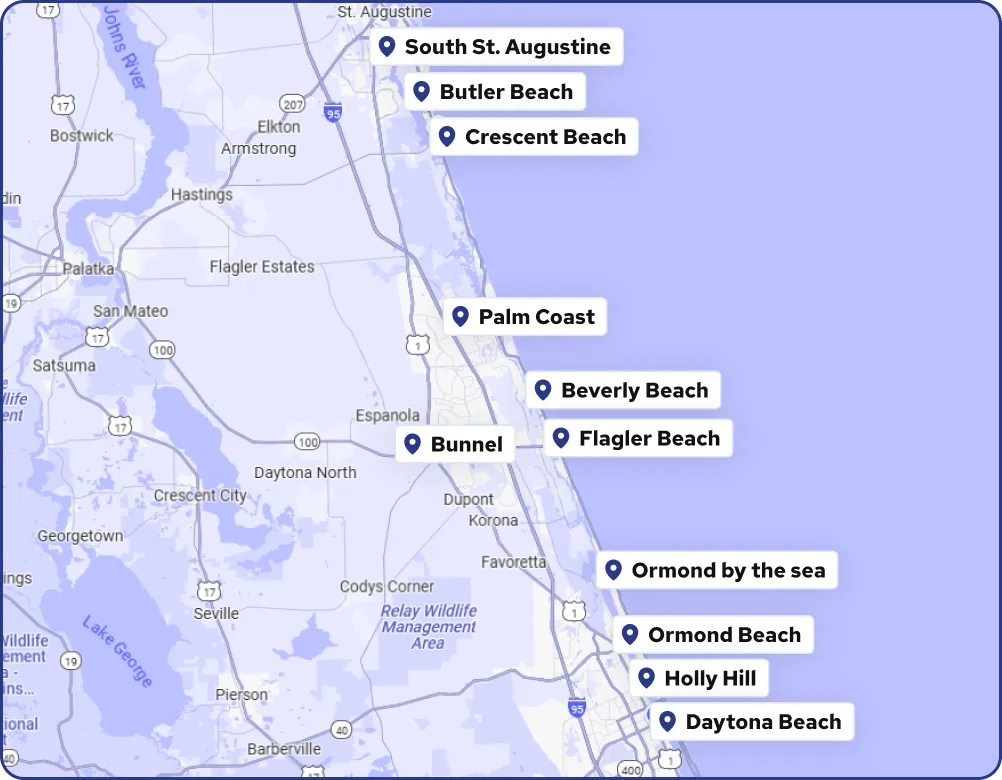
Service Areas