


Immediate Air Conditioning Installation for Urgent Comfort Needs
Living in Ormond Beach means a functioning cooling system is not a luxury; it is a critical defense against sweltering heat and oppressive humidity levels that can damage your home. If your current system has failed or is struggling to keep up, contact us immediately to schedule an assessment or apply for financing to restore your home's safety and comfort today. Beat the Ormond Beach heat with our rapid air conditioning installation services, ready to tackle your climate control emergencies. Experience swift, professional service that ensures your home stays cool, even in the peak summer months:
- Same-day installation availability designed to minimize downtime and discomfort.
- Transparent pricing structures with flexible financing options to ease your investment.
- Expert installations performed by certified professionals ensuring optimal efficiency and code compliance.
- All services are fully licensed and include a comprehensive warranty for your peace of mind.
What to Expect From Professional AC Installation
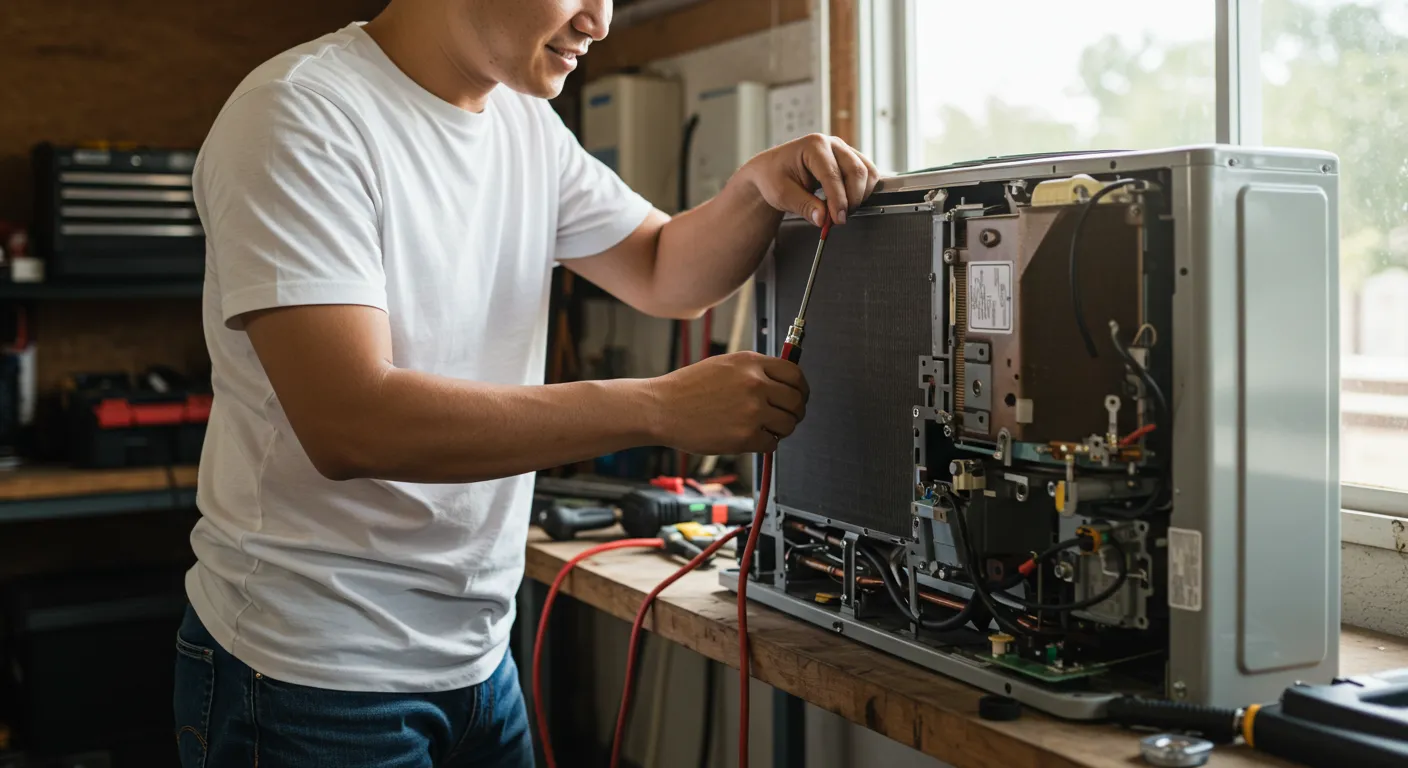
When you invest in a new air conditioning system, you are purchasing more than just the machinery; you are securing a turnkey solution for your home’s climate control. A proper installation involves a complex series of logistical and technical steps designed to ensure the longevity of the unit and the safety of your property. The goal is to transition from a broken or inefficient system to a high-performance cooling environment with zero friction for the homeowner.
Standard service includes the safe disconnection and removal of your existing equipment. Old units often contain refrigerants that must be captured and disposed of according to strict environmental regulations. We handle the hauling and disposal, ensuring your property is left clean. The new equipment is then delivered and staged. This includes the outdoor condenser and the indoor air handler or furnace. All necessary components, such as hurricane-rated pads, vibration isolation pads, and updated electrical disconnects, are provided as part of the service.
The scope of work extends to the critical connections that make the system function. This involves brazing copper refrigerant lines, connecting high-voltage electrical lines, and integrating low-voltage control wiring for thermostats. Furthermore, the condensate drainage system is reconstructed to prevent water damage, a common issue in humid Florida environments. By the time the technicians leave, the system has been fully tested, calibrated, and balanced to ensure it meets the manufacturer’s specifications for cooling and dehumidification.
The Installation Process: From Assessment to Airflow
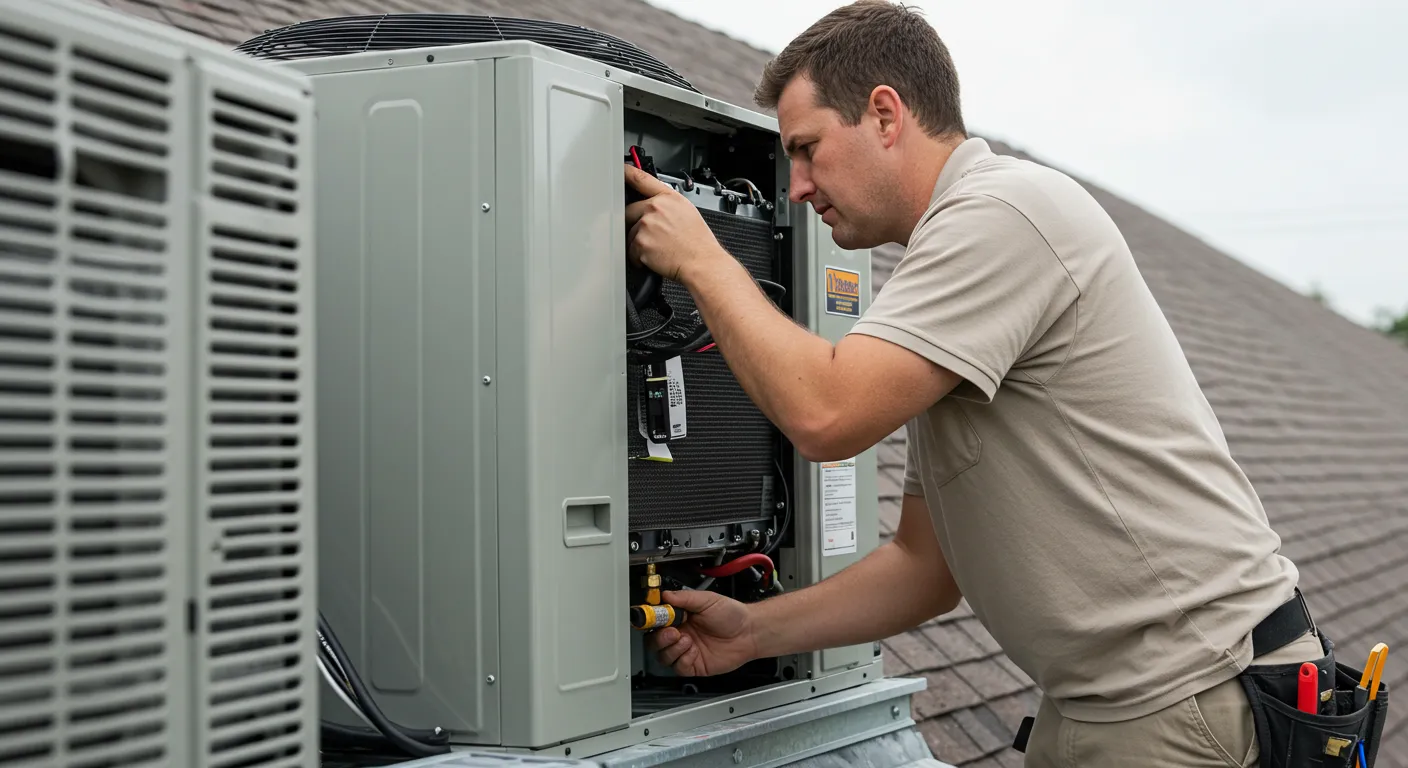
A high-quality installation follows a rigorous procedure. Skipping steps or rushing the process often leads to "early failures," where compressors die years before they should. We adhere to a strict protocol that prioritizes the technical integrity of the system over speed, ensuring that your investment holds up against the salt air and high temperatures typical of the region:
- Load Calculation and Sizing: Before any equipment is ordered, a proper load calculation is performed. This goes beyond simply reading the model number on your old unit. Changes to your home, such as new windows, insulation upgrades, or even shade from tree growth, affect how much cooling power is needed. We determine the precise tonnage required to cool your home efficiently without "short-cycling"—a problem caused by oversized units that cool the air too quickly without removing humidity.
- Site Protection and Preparation: Technicians arrive with floor protection and drop cloths to ensure your home remains pristine. The workspace is cleared, and safety protocols are initiated to manage electricity and gas lines (if applicable). This stage also involves verifying that the existing ductwork and plenums are sound and compatible with the new, higher-efficiency equipment.
- Equipment Set and Connection: The outdoor unit is positioned on a level, storm-rated pad to prevent settling or vibration noise. Indoors, the air handler is secured, and the connection process begins. Technicians braze the refrigerant lines while flowing nitrogen through the copper. This specific step prevents oxidation inside the pipes, which can otherwise clog the sensitive valves of modern high-efficiency units.
- Evacuation and Charging: Once connected, the system is not immediately turned on. A vacuum pump is used to remove all moisture and non-condensibles from the lines. This is critical in humid climates; even a drop of moisture left in the lines can turn into acid, destroying the compressor from the inside out. Once the vacuum holds, the factory-specified refrigerant charge is released and fine-tuned based on "subcooling" and "superheat" measurements.
- Commissioning and Testing: The final step involves a complete system startup. Technicians measure static pressure in the ducts to ensure airflow is unrestricted. Thermostats are programmed, and the temperature drop across the coil is verified to guarantee the system is cooling effectively. Finally, the homeowner is walked through the operation of the new system, including filter changes and maintenance requirements.
Deciding Between Repair and Replacement
Determining whether to sink more money into an aging unit or invest in a replacement is a financial and logical decision. While repairs are often the lower upfront cost, they can be deceptive. A band-aid fix on a dying system often leads to a "money pit" scenario where cumulative repair bills exceed the cost of a new, warrantied system:
- The 50% Rule: A common industry standard is the 50% rule. If the cost of the repair approaches 50% of the value of the system (or the cost of a new one), replacement is almost always the smarter financial move. Major component failures, such as a blown compressor or a leaking evaporator coil, usually trigger this threshold.
- System Age and R-22 Refrigerant: In the coastal environment of Ormond Beach, air conditioners generally have a shorter lifespan than the national average, often lasting 10 to 12 years due to salt corrosion. If your unit is over 10 years old and requires a major repair, replacement is recommended. Additionally, older units using phased-out R-22 (Freon) are prohibitively expensive to refill. Upgrading to a modern system utilizing R-410A or R-454B ensures you are future-proofed against rising chemical costs.
- Efficiency and Utility Bills: AC technology has advanced rapidly in the last decade. A unit installed 12 years ago likely has a SEER (Seasonal Energy Efficiency Ratio) rating of 10 or 12. Modern standards require a minimum of SEER2 14.3 in the Southeast, with many units exceeding SEER 20. Replacing an old 10 SEER unit with a 16 SEER system can reduce cooling costs by 30% to 50%. These monthly savings often offset the monthly cost of financing a new installation.
- Comfort and Humidity Issues: If your current unit runs constantly but the house feels sticky or clammy, the unit’s compressor is likely worn out or the coil is impacted. New systems, especially those with two-stage or variable-speed compressors, are significantly better at removing humidity. This improves indoor air quality and comfort levels, preventing mold growth and protecting wood furniture and flooring.
Local Considerations: Codes, Climate, and Corrosion
Installing air conditioning in Volusia County requires adherence to specific local building codes and an understanding of the unique environmental stressors present in the area. This is not a generic service; it is tailored to the realities of living on the Florida coast:
- Permitting and Inspections: All HVAC replacements in this area require a building permit. This is a protection for the homeowner, ensuring that the installation meets safety standards regarding electrical connections and structural integrity. A final inspection by a county or city official is standard procedure. We handle the entire permitting process, from application to scheduling the final inspection, ensuring your project is 100% legal and compliant.
- Hurricane Preparedness: Florida building codes mandate that outdoor condenser units be anchored to withstand hurricane-force winds. We utilize specific tie-down clips and reinforced concrete pads to ensure the unit does not become a projectile during a storm. This attention to detail is essential for insurance compliance and the physical safety of your home.
- Coastal Corrosion Protection: Salt spray is the enemy of air conditioning equipment. The salt in the air accelerates the corrosion of aluminum fins and copper tubing, leading to leaks and efficiency loss. For homes on the beachside or near the intracoastal, we recommend units with special anti-corrosive coatings or all-aluminum coils that resist oxidation. We also recommend discussing specific maintenance plans that involve rinsing the coils to prolong the life of the system.
- Drainage Management: The high volume of condensation produced by AC units here requires robust drainage solutions. We install safety float switches on all units. These switches detect if a drain line backs up (common due to algae growth) and shut the system off before water can overflow and damage your ceilings or floors.
Why Technical Precision Matters
The longevity and efficiency of your air conditioner depend more on the quality of the installation than the brand name on the box. A top-tier unit installed poorly will operate like a budget unit, consuming more energy and failing prematurely. Conversely, a standard unit installed with precision can provide years of reliable service.
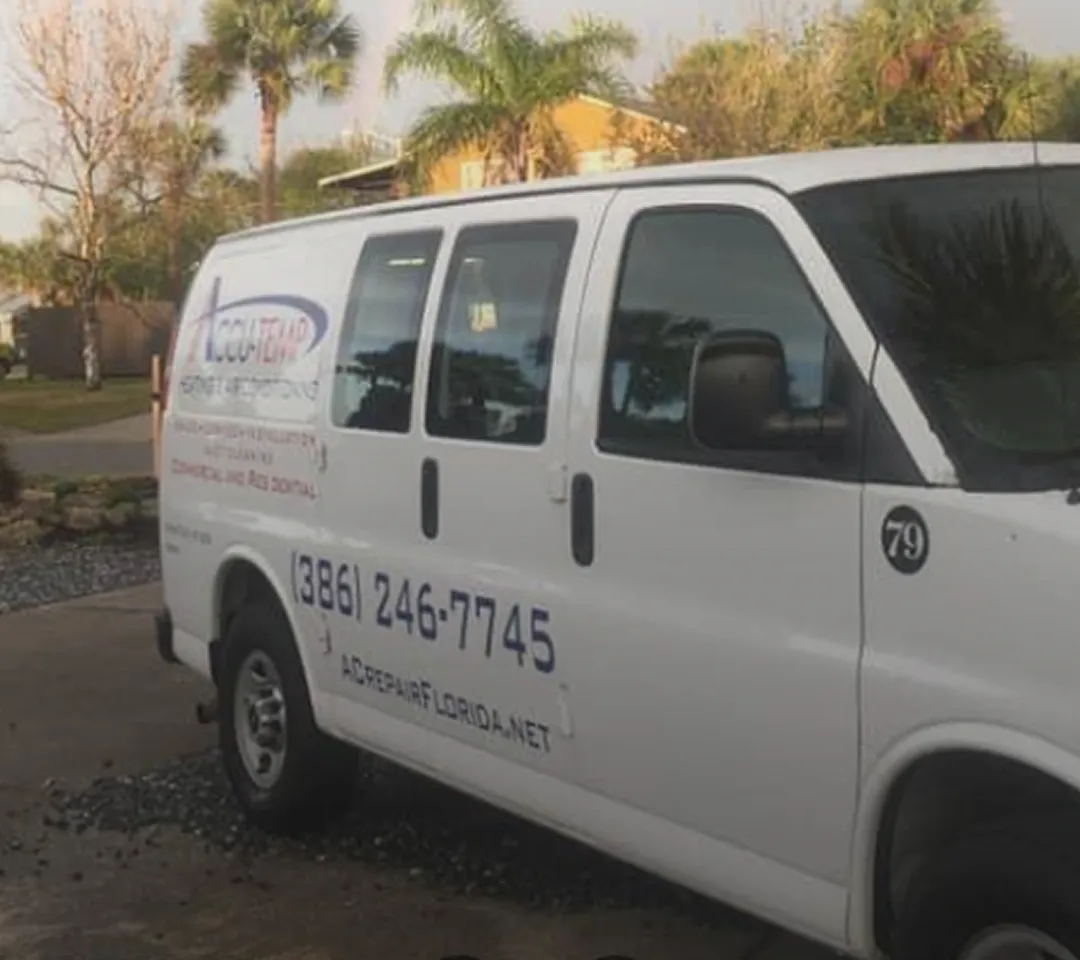
Accu-Temp Heating and Air Conditioning prioritizes the science of installation. Our technicians are trained to adhere to manufacturer specifications strictly. This includes using digital gauges for precise refrigerant charging, verifying airflow with anemometers, and ensuring all electrical connections are torqued to spec to prevent overheating. We do not use "rules of thumb"; we use data to commission your system.
We also focus on the entire building envelope. A new AC unit cannot compensate for leaky ductwork. During the installation, we inspect accessible ducts for leaks and disconnects. Sealing these leaks ensures that the cold air you are paying for actually reaches your living space, rather than cooling your attic or crawlspace. This holistic approach maximizes the return on your investment.
By choosing a professional installation, you also protect your warranty. Manufacturers can void warranties if equipment is not registered properly or if failure is caused by improper installation practices. We register your equipment immediately and provide documentation proving that the installation was performed by licensed professionals.
Call Us Now!
Ensure your home remains a sanctuary from the heat. Secure a high-efficiency installation that lowers your energy bills and guarantees reliable comfort for years to come. Schedule Your Free Installation Estimate Now.
Contact Us
Why Choose One Company for Everything?

Simplicity

Expertise

Savings
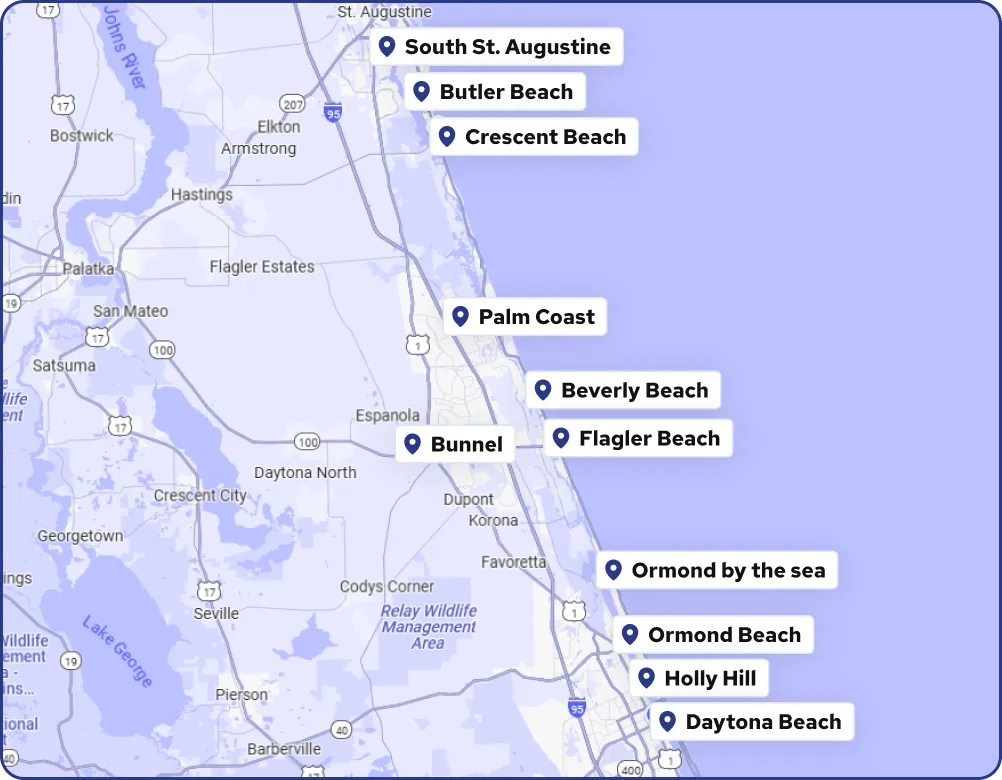
Service Areas