


Restore Comfort and Efficiency to Your Home Immediately
When the Florida heat permeates your indoor living space due to a failing air conditioner, the need for a solution goes beyond simple convenience; it becomes a matter of safety and essential home functionality. Homeowners in Ormond by the Sea know that a breakdown during peak humidity requires immediate professional attention to prevent property damage and restore livable conditions. Contact us today to schedule your system assessment or click here to explore our flexible financing options.
An unreliable cooling system does more than just raise the temperature; it drastically increases energy consumption as the unit works overtime to meet the thermostat setting. Replacing an outdated or broken system is the most effective way to regain control over your indoor climate. Accu-Temp Heating and Air Conditioning provides rapid, precision-based installation services designed to withstand the specific environmental challenges of the region.
- Secure a consistent, cool indoor environment immediately with our prompt installation scheduling.
- Reduce monthly utility expenses by upgrading to modern, high-efficiency systems designed for the local climate.
- Gain peace of mind knowing your investment is protected by comprehensive manufacturer warranties and labor guarantees.
- All new installations are fully permitted, code-compliant, and backed by accessible financing plans for qualified homeowners.
What to Expect From Professional AC Installation
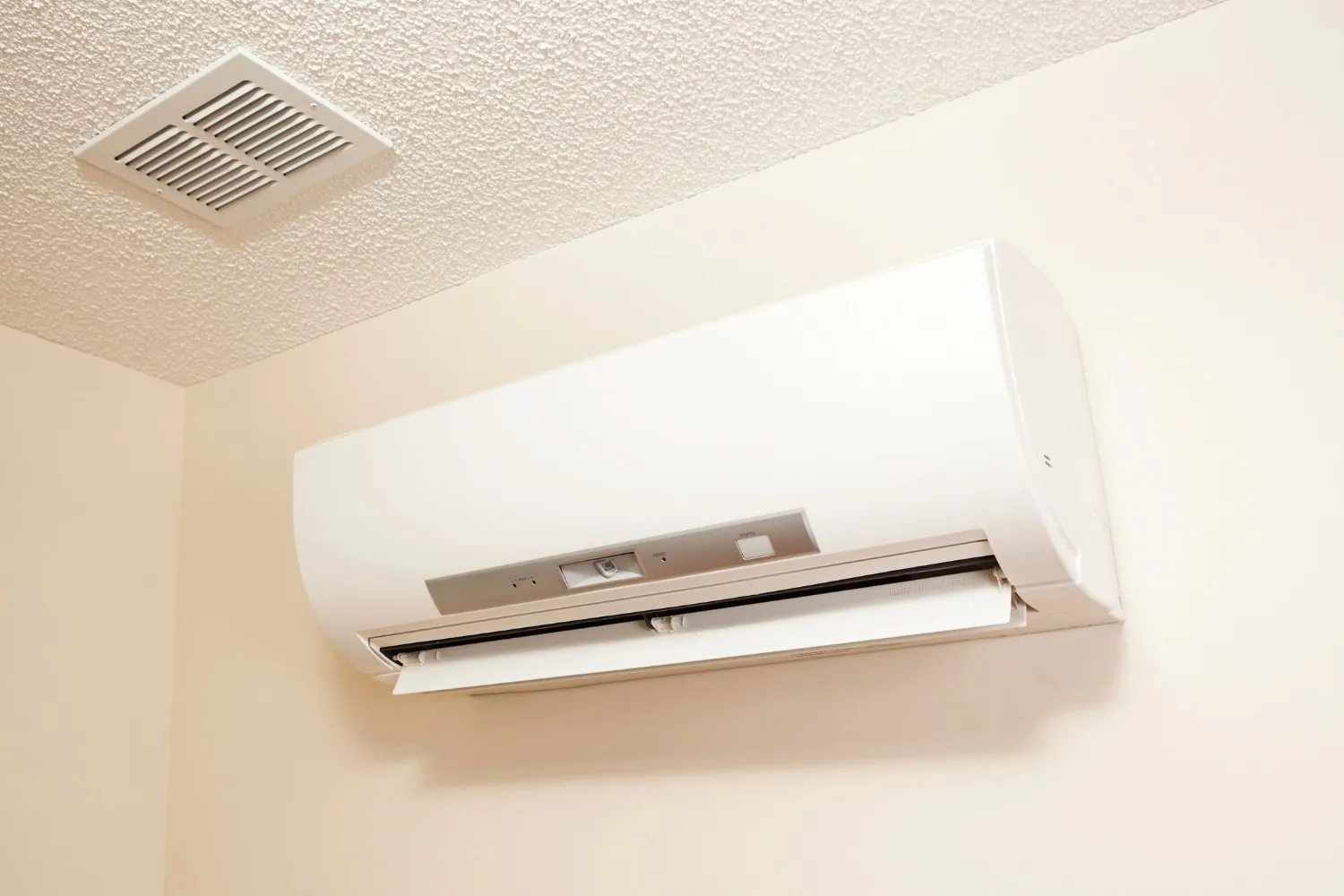
Choosing to install a new air conditioning system is a significant decision that impacts your home's comfort for the next decade. The process involves much more than simply swapping one metal box for another. A professional installation focuses on the entire ecosystem of your home’s airflow, ensuring that the new unit communicates correctly with your ductwork, thermostat, and electrical grid.
When you move forward with a replacement, the primary goal is to minimize downtime. In the sweltering heat of Ormond by the Sea, going days without cooling is not an option. The service begins with a comprehensive site evaluation. This ensures that the proposed solution is not merely a replacement of the old unit’s specifications, which may have been incorrect from the start, but a tailored solution based on the home's current thermal load.
Scope of work generally includes:
- Site Preparation: Technicians protect your property, laying down drop cloths and ensuring a clear path to the service area to prevent damage to flooring or landscaping.
- System Sizing: Performing Manual J load calculations to determine the exact cooling capacity required for the square footage and insulation levels of the home.
- Safe Removal: Environmentally responsible disposal of the old unit and recovery of existing refrigerant according to EPA standards.
- Installation: Placing the new air handler and condenser, connecting refrigerant lines, and integrating electrical components.
- Testing: Rigorous pressure testing and system balancing to ensure the unit operates at peak efficiency from the first cycle.
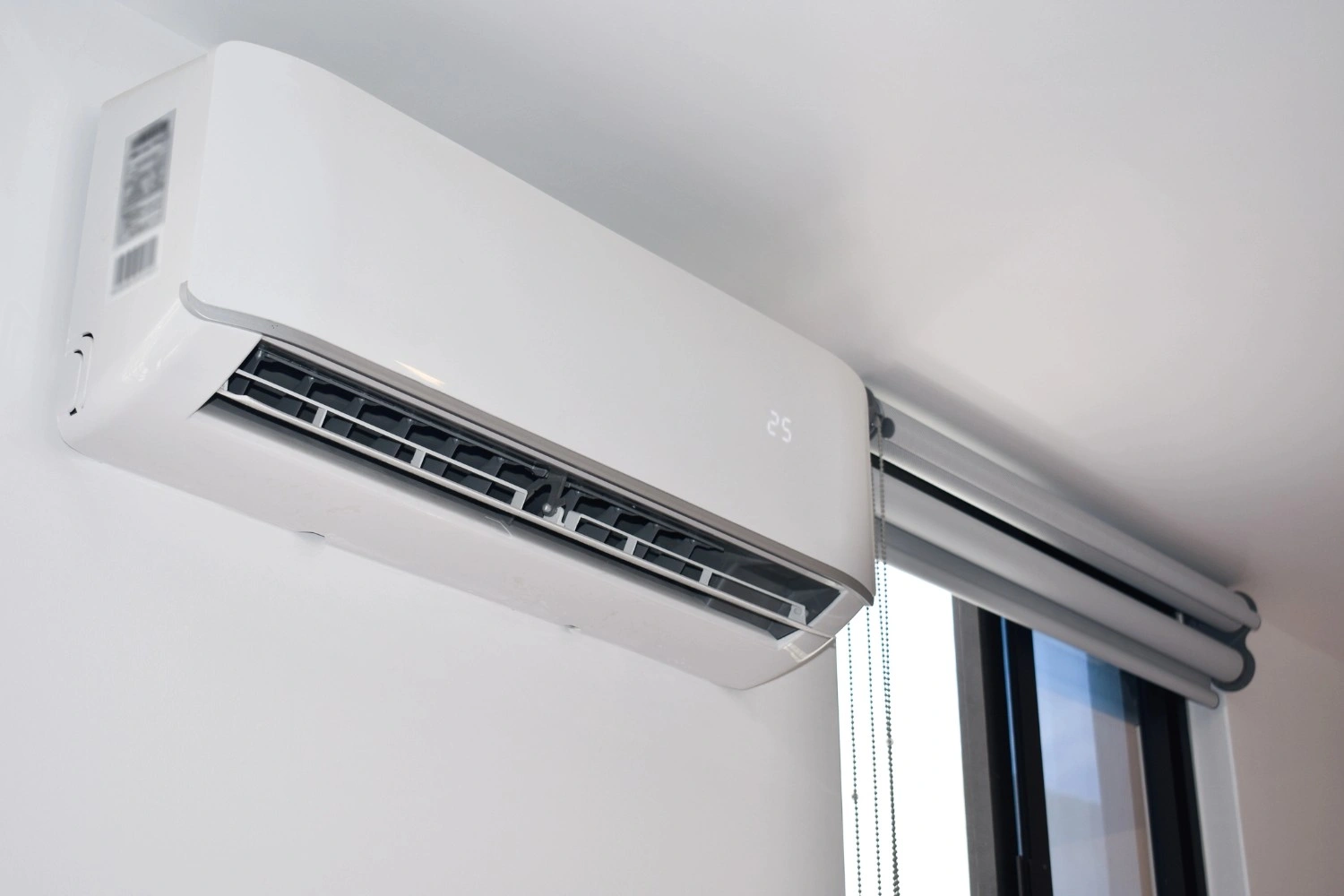
Step-by-Step Guide to Your New Air Conditioner Installation
Understanding the mechanics of the installation process helps homeowners appreciate the technical expertise required to certify a system for warranty and longevity. A meticulous approach prevents common issues such as refrigerant leaks, electrical failures, and poor airflow that often plague rushed or amateur installations.
- Assessment and Sizing: The process begins with a technical audit of the home. Technicians measure windows, inspect insulation, and check ductwork integrity. This data dictates the size of the unit needed. An undersized unit runs constantly, while an oversized unit cools too quickly without dehumidifying, leading to clammy indoor air.
- Ductwork Inspection and Modification: Before the new unit is placed, the existing infrastructure must be verified. If the ducts are leaking or sized incorrectly, even the most efficient AC unit will underperform. Modifications are made to the plenum or transition ducts to ensure seamless airflow.
- Equipment Placement and Connection: Technicians position the indoor evaporator coil and the outdoor condenser unit. For coastal areas like Ormond by the Sea, placement is critical to mitigate salt air exposure where possible. The refrigerant lines—the copper tubes connecting the two units—are brazed or welded. This step requires precision to ensure a hermetically sealed system.
- Electrical and Thermostat Integration: High-voltage wiring is connected to a disconnect box for safety, and low-voltage control wiring is run to the thermostat. Smart thermostats are often configured during this stage to allow for programmable cooling schedules and humidity control.
- Vacuum and Refrigerant Charge: Once connected, a vacuum pump removes all moisture and air from the lines. This is a non-negotiable step; moisture inside the lines causes acid to form, which destroys the compressor. After the vacuum holds, the specific amount of refrigerant is weighed in according to manufacturer specifications.
- Final Commissioning: The system is powered on and monitored. Technicians measure temperature splits (the difference between air entering and leaving the system), static pressure, and amperage draw. This data confirms the installation meets all performance benchmarks.
Deciding Between AC Repair and Replacement
Determining whether to inject more money into an aging system or to invest in a new one is a common dilemma. While repairs can offer a short-term fix, they often delay the inevitable and can cost more in the long run due to inefficiency and repeated service calls. Making an informed decision requires analyzing the age, condition, and performance history of the current unit.
There are concrete indicators that signal replacement is the more financially sound option. If the cost of the repair approaches 50% of the value of a new system, replacement is generally the wiser economic choice. Additionally, older units utilize phased-out refrigerants like R-22, which are prohibitively expensive to restock in the event of a leak.
Consider replacement if the system exhibits the following:
- Age Over 10-15 Years: Most air conditioners in Florida have a lifespan of roughly 10 to 15 years due to the heavy workload. Beyond this age, major components like the compressor are at high risk of failure.
- Rising Energy Bills: As components wear out and coils corrode, the system must consume more electricity to provide the same amount of cooling. A sudden or gradual spike in energy costs often justifies the investment in a high-SEER replacement.
- Frequent Breakdowns: If you are calling for repairs multiple times a year, the cumulative cost of service calls and parts will quickly exceed the monthly payment of a financed new system.
- Uneven Cooling and Humidity Issues: If certain rooms remain hot while others are freezing, or if the home feels sticky despite the AC running, the system’s capacity or blower motor is likely failing.
- Excessive Noise: Grinding, squealing, or banging noises indicate severe mechanical wear that often precedes a catastrophic failure.
Understanding Local HVAC Regulations and Seasonal Considerations
Operating an HVAC system in a coastal environment presents unique challenges that generic installation guidelines do not address. In Ormond by the Sea, the proximity to the ocean introduces salt spray into the air. Salt is highly corrosive to aluminum and copper, the primary metals used in air conditioner coils. Without proper consideration, a standard unit may suffer from premature corrosion, leading to refrigerant leaks and coil failure in half the expected lifespan.
To combat this, installation in this area often involves recommending units with special epoxy coatings or marine-grade protections on the condenser coils. Furthermore, the high humidity levels during the wet summer season require systems with superior moisture removal capabilities. Two-stage or variable-speed compressors are often recommended because they can run at lower speeds for longer periods, effectively pulling more moisture out of the air than a single-stage unit that blasts cold air and shuts off quickly.
Local compliance is another critical factor.
- Permitting: Every replacement requires a building permit from the local municipality. This ensures the installation meets safety codes regarding electrical connections and structural integrity.
- Hurricane Anchoring: Florida building codes mandate that outdoor condenser units be securely anchored to the concrete pad to withstand high-velocity winds during tropical storms and hurricanes.
- SEER2 Standards: New federal regulations have raised the minimum efficiency standards for the Southeast region. Installations must meet these new SEER2 ratings to be legally installed and to qualify for any potential utility rebates.
Technology and Efficiency Ratings Explained
Modern air conditioning technology has advanced significantly, offering homeowners precise control over their energy usage and comfort. The efficiency of a unit is measured by the Seasonal Energy Efficiency Ratio (SEER), now updated to SEER2 to reflect more realistic testing conditions. The higher the rating, the less electrical energy the unit uses to cool a space.
Upgrading from a standard 10 or 13 SEER unit to a modern 16, 18, or 20+ SEER2 system can result in substantial reductions in monthly electricity bills. Accu-Temp Heating and Air Conditioning specializes in matching the right efficiency level to the homeowner's usage patterns and budget.
Key technologies to consider include:
- Variable Speed Compressors: Unlike standard units that run at 100% capacity or 0%, variable speed units can adjust their output in tiny increments. This maintains the temperature within a fraction of a degree and operates nearly silently.
- Smart Thermostats: Wi-Fi-enabled controls allow users to adjust settings remotely, track energy usage, and receive maintenance alerts directly to their smartphones.
- Enhanced Filtration: New installations can be paired with media cabinets or electronic air cleaners to capture smaller particulate matter, drastically improving indoor air quality.
The Risks of Amateur Installation
The single most important factor in the longevity of an air conditioner is the quality of the installation. Industry data suggests that a significant percentage of HVAC failures are not due to equipment defects but to installation errors. Hiring a licensed, insured, and experienced contractor is the only way to safeguard your home and your wallet.
An improper installation can lead to dangerous situations. Oversized breakers can cause electrical fires. Leaking refrigerant is an environmental hazard and a health risk. Poorly sealed ducts can pull attic dust, insulation fibers, and mold spores into the living space. Furthermore, manufacturers are strict regarding warranty claims. If a licensed professional does not install the equipment, the manufacturer warranty is almost always voided immediately.
Professional installation ensures:
- Correct Airflow: Balancing the static pressure so the blower motor does not overheat.
- Leak-Free Operations: Proper brazing and nitrogen purging techniques prevent refrigerant leaks.
- Code Compliance: Passing all municipal inspections to avoid fines or issues when selling the home in the future.
- Performance Verification: Using calibrated tools to prove the system is delivering the rated cooling capacity.
Securing Your Home’s Comfort
The decision to install a new air conditioning system is an investment in the long-term livability and value of your property. By prioritizing high-quality equipment and professional execution, homeowners can escape the cycle of constant repairs and high energy bills. A modern, efficiently installed system handles the intense heat and humidity of the coast with ease, transforming your home into a reliable sanctuary against the weather.
Don't wait for a total system failure during the hottest week of the year. Accu-Temp Heating and Air Conditioning is ready to provide the expertise and service necessary to upgrade your cooling infrastructure today. Ensure your family remains cool, safe, and comfortable regardless of the temperature outside.
Ready to upgrade your comfort? Schedule your consultation now to discuss your installation options.
Contact Us
Why Choose One Company for Everything?

Simplicity

Expertise

Savings
Service Areas