


Your air conditioning system is one of the hardest-working appliances in your home or business, especially in Florida's hot and humid climate. While routine maintenance and timely repairs can extend the life of an HVAC system, there comes a point when replacing it becomes the smarter investment. Continuing to repair an aging or inefficient unit can lead to higher energy bills, more frequent breakdowns, and ongoing frustration.
Knowing when it's time to replace your air conditioning system can help you avoid unexpected failures during the hottest months of the year while improving comfort and energy efficiency.
Your System Is More Than 10 to 15 Years Old
Air conditioners are built to last, but they do not last forever. Most systems have an average lifespan of 10 to 15 years, depending on how well they have been maintained and how heavily they have been used. In Florida, where air conditioners often run for much of the year, systems may experience more wear than those in cooler climates.
If your unit is approaching or exceeding this age range, it may no longer operate as efficiently as newer models. Even if it continues to function, an older system can cost significantly more to operate than a modern, energy-efficient replacement.
Repairs Are Becoming More Frequent
Every HVAC system will eventually require repairs, but recurring service calls are often a sign that major components are beginning to wear out. If you find yourself scheduling repairs every few months or replacing expensive parts on a regular basis, the costs can quickly add up.
Rather than continuing to invest in an aging system, replacing the unit may provide greater long-term value. A new air conditioner offers improved reliability and reduces the likelihood of unexpected breakdowns during periods of peak demand.
Your Energy Bills Keep Increasing
A gradual increase in your utility bills may not always be caused by rising energy rates. As air conditioning systems age, they become less efficient and require more electricity to produce the same level of cooling.
Dirty coils, worn components, declining compressor performance, and aging technology all contribute to higher operating costs. If your energy bills continue climbing despite regular maintenance and consistent usage habits, it may be time to consider replacing your HVAC system with a more efficient model.
Uneven Cooling Throughout the Property
If certain rooms always seem warmer than others or your system struggles to maintain a consistent temperature, your air conditioner may no longer be performing effectively.
Uneven cooling can sometimes be corrected through repairs or ductwork adjustments, but in older systems it often signals declining overall performance. Modern air conditioning systems provide better airflow, improved humidity control, and more consistent comfort throughout the property.
This is especially important for businesses, where maintaining a comfortable indoor environment can improve both employee productivity and customer satisfaction.
Your Home Feels Humid Indoors
Florida humidity places additional demands on every air conditioning system. Beyond cooling the air, your HVAC system should also remove excess moisture from your indoor environment.
If your home or business constantly feels damp or sticky even while the air conditioner is running, your system may no longer be controlling humidity effectively. Older equipment often loses its ability to remove moisture efficiently, making indoor spaces feel uncomfortable despite lower thermostat settings.
Replacing an aging system can significantly improve both temperature control and indoor humidity levels.
Strange Noises and Unusual Odors
Unusual sounds such as grinding, banging, rattling, or squealing should never be ignored. Likewise, burning odors or persistent musty smells can indicate mechanical problems or issues affecting indoor air quality.
While some problems can be repaired, repeated mechanical failures often suggest that the system is nearing the end of its useful life. If multiple issues begin appearing within a short period, replacement may be the more practical solution.
Repair Costs Are Adding Up
Many HVAC professionals use a simple guideline when evaluating replacement. If the cost of a major repair approaches a significant percentage of the value of a new system, replacement is often the better financial decision.
Installing a new air conditioner not only eliminates ongoing repair expenses but also provides improved efficiency, greater reliability, updated technology, and manufacturer warranty protection. For many property owners, those long-term benefits outweigh the cost of continuing to repair an aging unit.
The Benefits of Upgrading Your Air Conditioning System
Today's air conditioning systems are designed to be far more energy efficient than older models. New equipment often cools faster, operates more quietly, improves humidity control, and provides more consistent temperatures throughout the building.
Many newer systems also include advanced thermostat compatibility, variable-speed technology, and higher efficiency ratings that can help lower monthly utility costs. Whether you own a home or manage a commercial property, upgrading your HVAC system can improve comfort while reducing long-term operating expenses.
Making the Right Decision for Your Property
Replacing an air conditioning system is a significant investment, but waiting too long can lead to higher repair costs, increased energy bills, and uncomfortable indoor conditions when you need reliable cooling the most.
If your system is aging, requiring frequent repairs, or struggling to keep your property comfortable, a professional evaluation can help determine whether repair or replacement is the best option. To learn more about upgrading your home's or business's air conditioning system, contact Accu-Temp today to schedule an expert HVAC assessment.
Contact Us
Latest articles
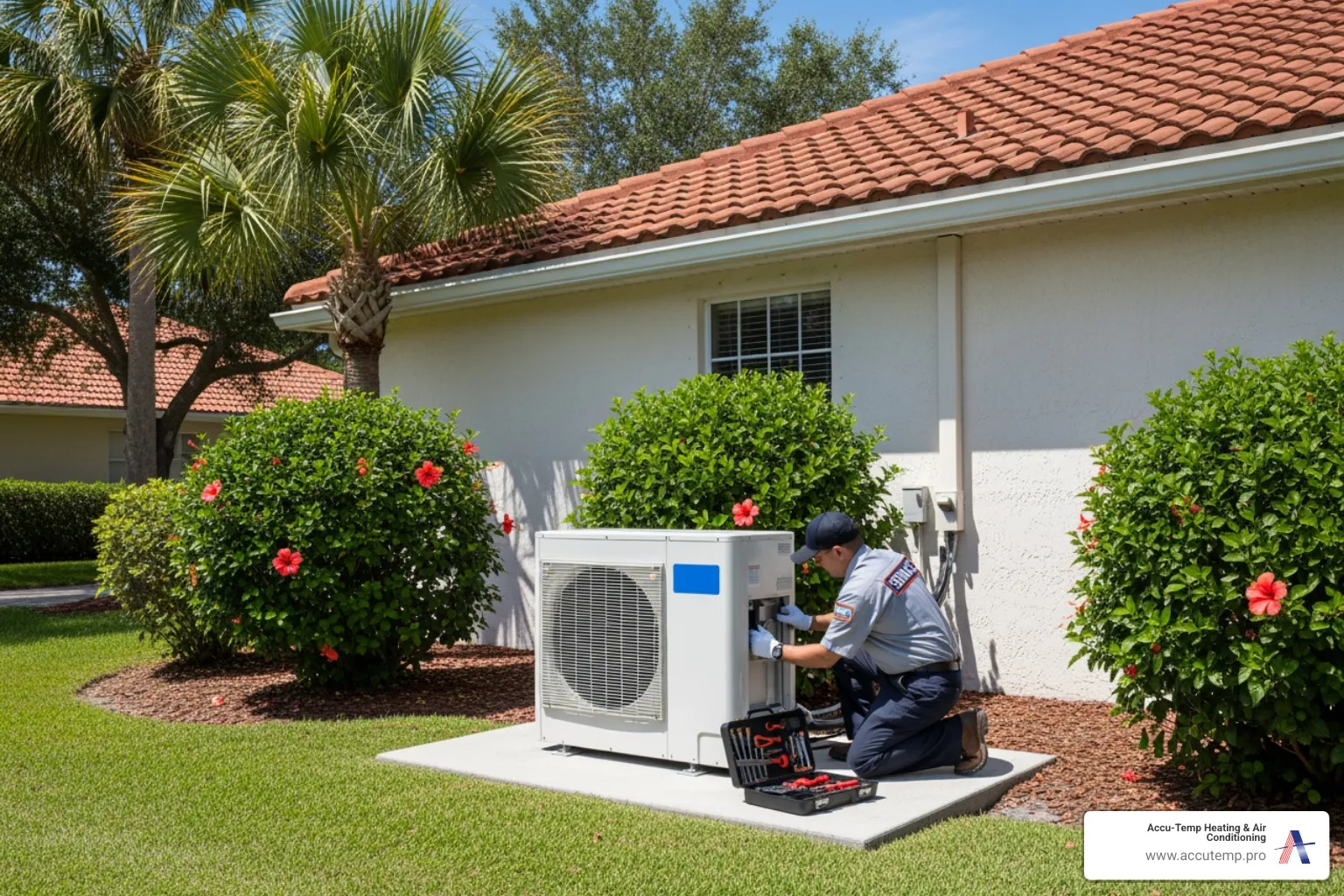
Don't Settle for Less: Expert Mini Split Heat Pump Repair in Palm Coast, FL

Quality You Can Trust: Top-Rated Heat Pump Installation in Daytona Beach, FL

The Ultimate Guide to Heating Installation in Daytona Beach: What You Need to Know
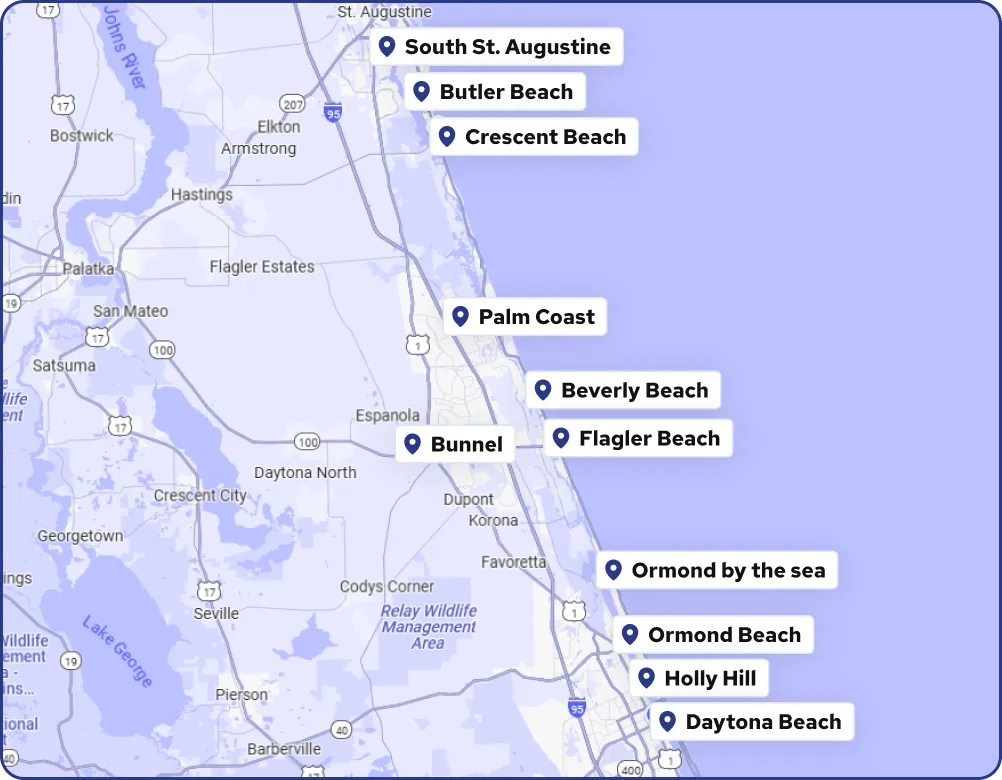
Service Areas