



Replacing your AC unit can seem like a daunting task, but understanding the process can make it much more manageable. As the summer heat becomes more intense, having a reliable air conditioning system is essential for maintaining comfort in your home. Knowing when to replace your AC and how to choose the right unit can save you from inconvenience and high energy bills.
Signs It’s Time For An AC Replacement
Common Indicators Your AC Unit Needs Replacement
Several signs can indicate that your AC unit is nearing the end of its lifespan and may need replacement. One of the most common indicators is frequent breakdowns. If you find yourself constantly calling for AC repair, it may be more cost-effective to replace the unit rather than continuing to fix it. Another sign is inconsistent temperatures throughout your home. If certain areas are too hot or too cold despite your efforts to balance the temperature, the system may be losing its efficiency.
Unusually high energy bills can also signal that your AC unit is no longer performing efficiently. Older systems often struggle to maintain the desired temperature, resulting in increased energy use. Strange noises, such as grinding or banging, can indicate mechanical issues that might be expensive to repair. Finally, if your AC unit is more than 10-15 years old, it may be time to consider an upgrade.
Understanding When Repairs Are No Longer Cost-Effective
Determining when repairs are no longer cost-effective involves looking at the age and performance of your AC unit. Regular maintenance can extend the lifespan of your system, but there comes a point when continued repairs are more expensive than investing in a new unit. If your AC is frequently breaking down, requiring major parts replacements, or if repair costs exceed half the price of a new system, replacement is likely the better option.
Additionally, older units typically lack the energy efficiency of modern systems. Upgrading to a new unit can lower your energy bills and offer more reliable performance. Consulting with our professionals can help you make an informed decision. They can assess the condition of your current system, provide a detailed cost analysis of repairs versus replacement, and recommend the best course of action.
Choosing The Right AC Unit For Your Home
Factors To Consider When Selecting An AC Unit
Choosing the right AC unit for your home involves several important factors. First, you need to consider the size of the unit. An AC that is too small will struggle to cool your home, whereas one that is too large will cycle on and off too frequently, wasting energy. Efficiency is another crucial factor. Modern units come with a SEER (Seasonal Energy Efficiency Ratio) rating, and higher ratings indicate better energy efficiency. Selecting a unit with a high SEER rating can result in lower operating costs.
You also need to decide between different types of AC systems. Central air conditioning, ductless mini-split systems, and heat pumps are some of the common options available. Each type has its own benefits and is suitable for different home setups. Noise levels, installation requirements, and budget are additional factors you should consider.
The AC Replacement Process: Step-by-Step
Pre-Installation Evaluation And Planning
The first step in the AC replacement process is a comprehensive pre-installation evaluation and planning session. Our professionals will visit your home to assess your current system and discuss your needs and preferences. This evaluation includes a detailed inspection of your existing ductwork, electrical connections, and overall system setup. During this visit, technicians will also perform a load calculation to ensure the new unit is appropriately sized for your home. This thorough planning stage is crucial for a smooth and efficient installation.
Removing The Old Unit And Preparing The Installation Site
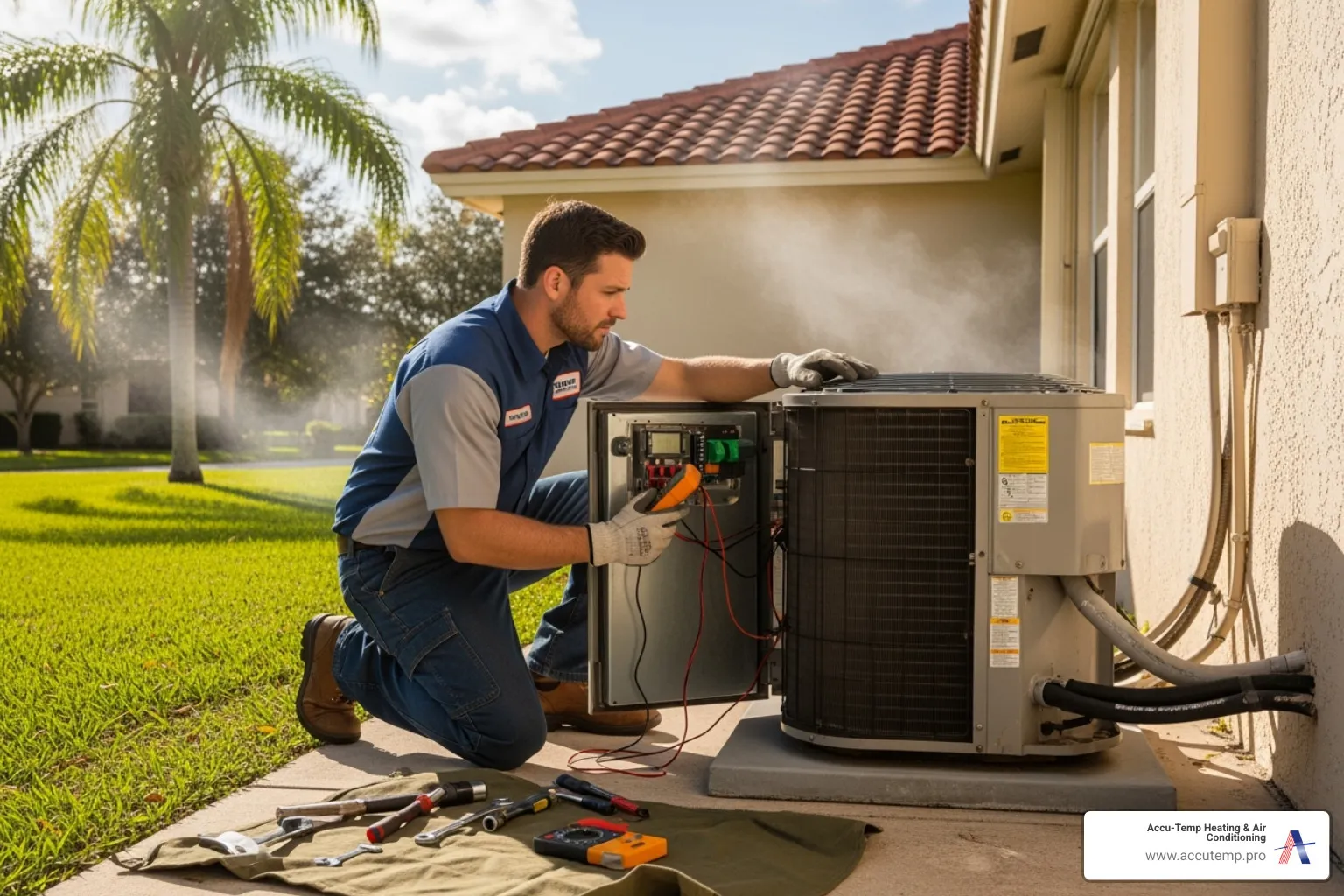
Once the planning phase is complete, our technicians will begin by carefully removing the old AC unit. This involves safely disconnecting the electrical connections, refrigerant lines, and any ductwork attached to the old system. Proper removal is essential to avoid causing any damage to your home or the surrounding area. Our professionals take great care in this step to ensure everything is handled correctly.
Installing The New AC Unit And Testing Its Performance
Our professionals will position the new unit and connect it to your home’s ductwork, electrical system, and refrigerant lines. These connections must be made precisely to ensure the unit operates at peak efficiency. Any mistakes during installation can lead to long-term issues, such as poor airflow or refrigerant leaks.
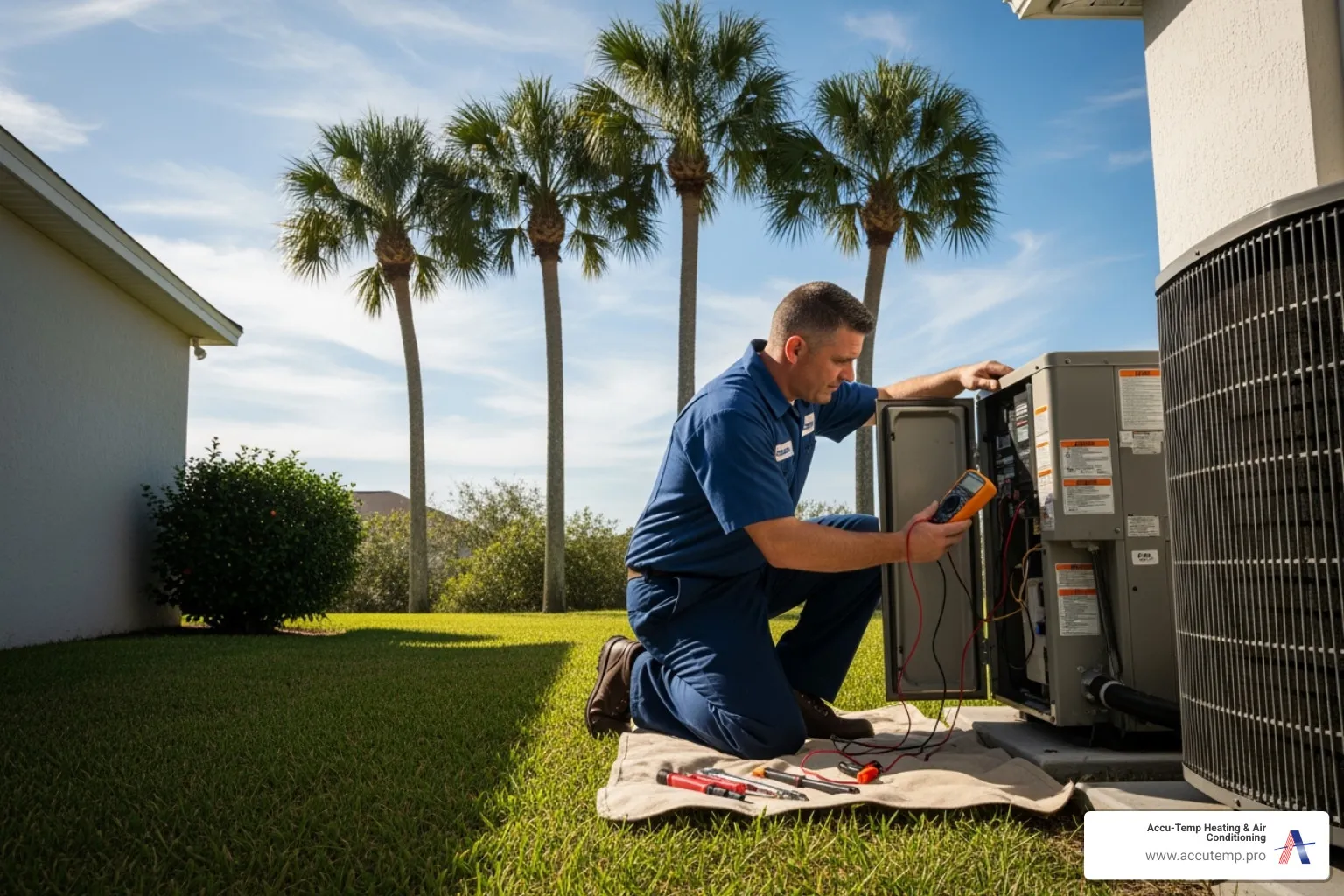
Once the new AC unit is installed, a series of tests will be conducted to ensure everything is functioning correctly. Our technicians will run the system to check for proper cooling performance, adequate airflow, and correct refrigerant levels.
Post-Installation Tips And Maintenance
Regular maintenance is vital for extending the lifespan of your new AC unit. Scheduling routine check-ups with our professionals can prevent small issues from becoming major problems. We recommend setting up an annual maintenance plan that includes regular inspections, tune-ups, and necessary repairs. A well-maintained system operates more efficiently and suffers less wear and tear over time.
Our maintenance services include cleaning the coils, checking refrigerant levels, inspecting electrical connections, and replacing air filters. These tasks not only improve the efficiency of your AC unit but also ensure that it provides consistent and reliable cooling. Regular maintenance helps you avoid emergency repairs and extends the overall lifespan of your system, providing long-term peace of mind.
Conclusion
Understanding the AC replacement process is essential for making informed decisions about maintaining the comfort of your home. Recognizing the signs that indicate it’s time for a replacement and knowing when repairs are no longer cost-effective can help you avoid unnecessary expenses and discomfort. Choosing the right AC unit involves considering critical factors like size, efficiency, and type, and consulting with our professionals can ensure you make the best choice for your needs.
Don’t wait until the summer heat becomes unbearable. Contact Accu-Temp Heating & Air Conditioning today to schedule your AC replacement in Palm Coast and enjoy a reliable, efficient cooling system for years to come!
Contact Us
Latest articles


Service Areas