


Why Does My Air Conditioner Keep Turning Off Regularly?
During the sweltering summer months, having your air conditioner go off on its own, seemingly for no reason, can be both aggravating and scary. Inconsistent operation of your air conditioner is a clear clue that something is wrong inside.
It is most likely that your air conditioner is short-cycling if it continues going on and off. A dirty, broken, or failing component and various mechanical or electrical issues can cause an air conditioner to cycle on and off frequently.
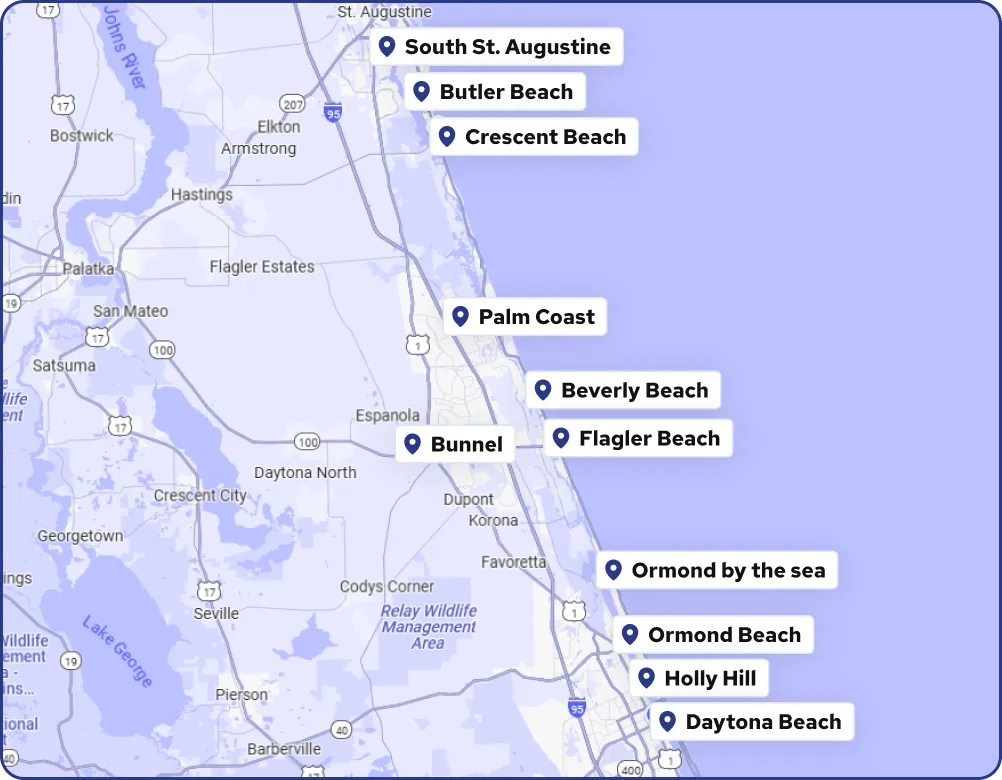
When it comes to short cycling, it’s always a good idea to fix it yourself. These difficulties can be handled by AC service in Ormond Beach, FL.
Understanding The Problem Of Short Cycling
Heating or cooling cycles can be interrupted prematurely, resulting in an HVAC system that cycles on and off repeatedly. When air conditioners cycle on and off repeatedly before reaching the appropriate temperature, this is referred to as short cycling.
It is bad for your AC’s components, especially the compressor, because it wastes energy and stresses the system. It takes a lot more energy to start your air conditioner repeatedly than when it’s functioning smoothly. In addition, the mechanisms used to turn on your air conditioner are subjected to additional strain.
As a result, this problem should be addressed as soon as possible to avoid further increases in your utility bills and the need for AC repair in Flagler Beach, FL.
Most Prevalent Causes Of Short Cycling
There are a lot of different things that can contribute to short cycling. However, here are some of the most typical reasons for this problem.
- Unclean Air Filter: Having dirty or clogged air filters in your air conditioner will impact how well it works. Always open the AC and inspect the air filters if it turns on and off frequently.
Filters clogged with debris might reduce the amount of air that can enter your system. When the coils inside the unit freeze up, the AC will turn itself off before it is supposed to. If you want to avoid this, clean your filters regularly. - Wrongly Sized Unit: If your system is too huge, it won’t have a proper refrigerant cycle and will run into several issues, such as cooling your home too quickly and then shutting off shortly after it starts.
Even while it may sound like a smart idea, your home will cool unevenly, requiring your AC to run more frequently than it should. - Improper Thermostat: The thermostat is the most likely culprit if your air conditioner cycles on and off randomly. As the brains of your AC system, a malfunctioning thermostat can bring the whole thing to a grinding halt.
Perhaps the thermostat needs new batteries, or it just needs to be restarted for the first time. It’s also possible that the thermostat’s location is to blame. - Refrigerant Leakage: A refrigerant leak is another common cause of an air conditioner turning on and off without notice. A steady refrigerant level is required for your air conditioner to function effectively.
When your air conditioner’s refrigerant level is low, the compressor will malfunction and cycle on and off often to maintain the desired pressure level. Cooling and energy efficiency can suffer if your refrigerant is too low, leading to short cycling. - Compressor: Your AC compressor is the heart of the refrigerant cycle. Dust and debris are often prevented from damaging the compressor’s moving parts using a sealed component.
The system will regularly shut down if the compressor is worn out or overheated and will require AC maintenance in Palm Coast, FL.
Negative Effects Of Short Cycling
The air conditioner’s compressor consumes the most electricity when it is first turned on. Because of the constant starting of the compressor in a short-cycle air conditioning system, it uses a greater amount of electricity for the same amount of cooling.
It’s clear that if you don’t address short cycling, it will affect your cooling expenses. Long-term use of an air conditioner’s compressor and condenser can shorten its shelf life, depending on usage. The humidity in the air is retained when the AC system short cycles.
Get Short Cycling Fixed Today
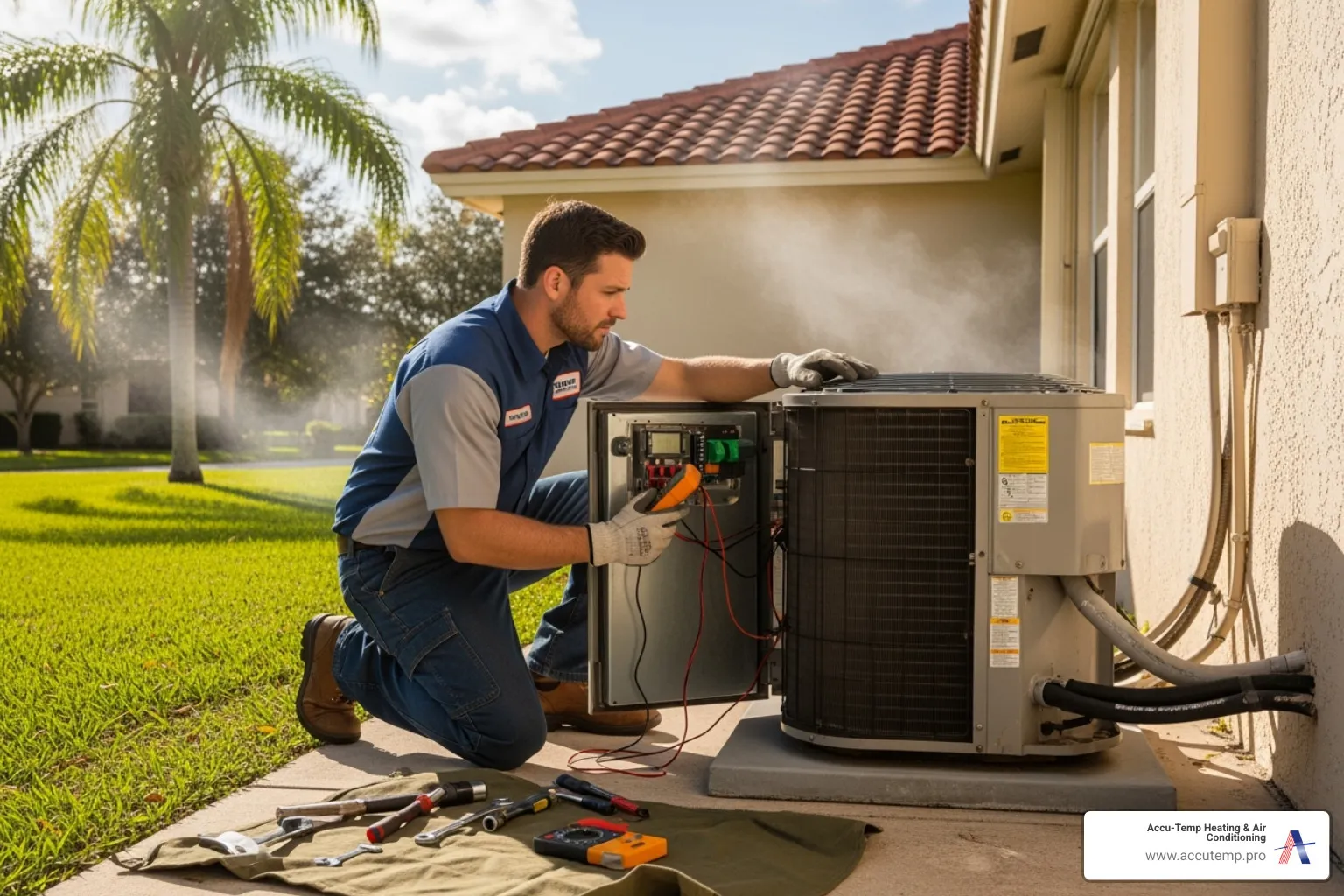
Have trouble with your air conditioner? Call for AC repair in Daytona Beach, who can fix it in no time. Accu-Temp Heating & Air Conditioning is your go-to air conditioning contractor. Our AC repair professionals can identify why your AC keeps turning on and off, operate it, and ensure it cools your home properly. Contact us at (386) 222-1540 to hire our best technicians.
Contact Us
Latest articles


Service Areas