


Is Your Heat Pump Failing to Maintain Consistent Indoor Temperatures?
When your heat pump fails or begins to operate inefficiently, the humidity and rising temperatures in Florida can turn your home environment uncomfortable within hours. You need a rapid, professional solution to restore climate control and protect your property from excess moisture; contact us today to schedule an estimate or discuss our flexible financing options.
Accu-Temp Heating and Air Conditioning provides rapid heat pump installation and replacement services tailored to Palatka Beach’s unique climate. We understand that a breakdown is not just an inconvenience but an urgent issue requiring immediate attention. Our team focuses on technical precision to ensure your new system operates at peak efficiency from day one.
- Swift installation or replacement to quickly bring back comfort.
- Tailored solutions that match the local climate and your specific needs.
- Clear, upfront pricing with no hidden fees.
We are fully licensed and insured, offering comprehensive warranties and financing options for every budget.
Comprehensive Heat Pump Installation Services
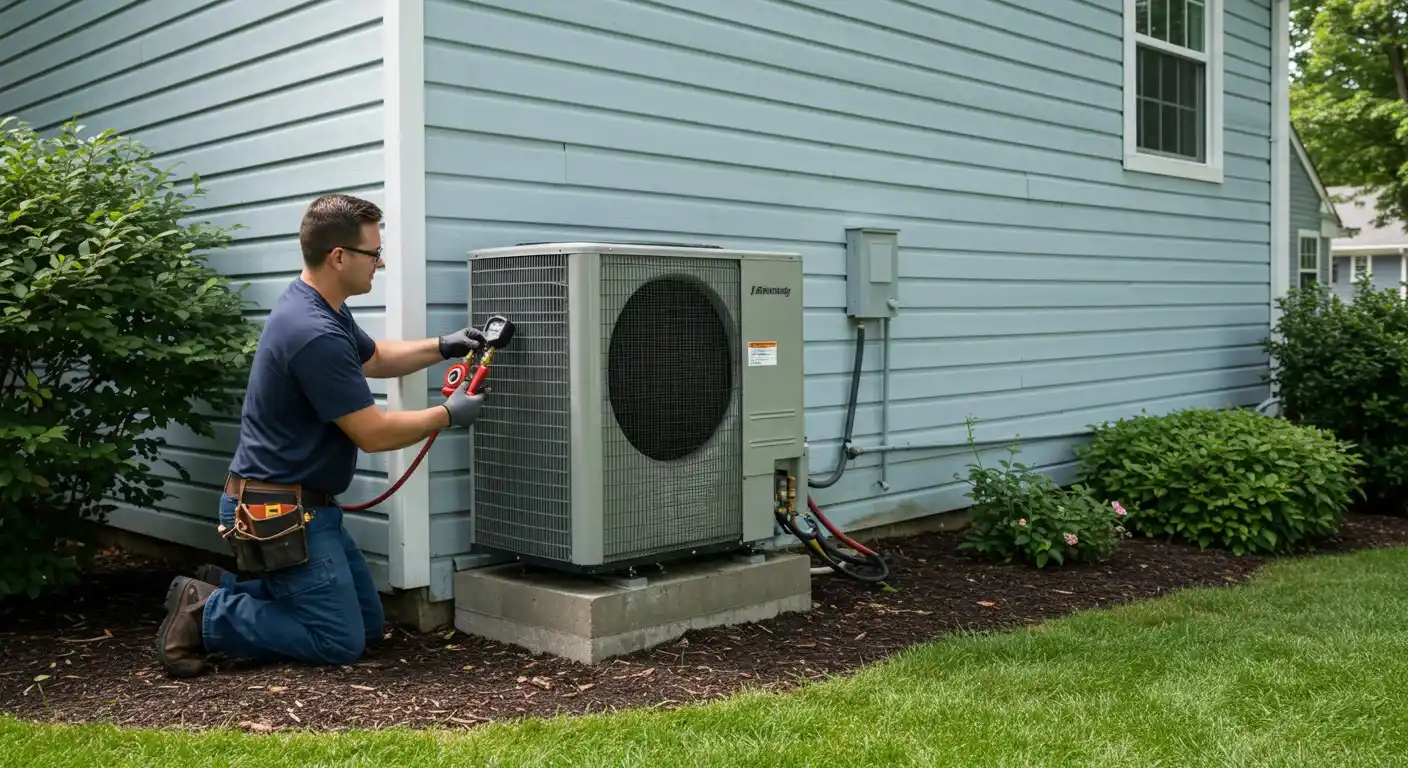
Investing in a new heat pump is one of the most significant decisions a homeowner makes regarding their property’s infrastructure. A modern heat pump is a dual-function system, providing both heating and cooling, which makes it the workhorse of your home comfort setup. Because this system runs year-round to manage the local weather patterns, the quality of the installation is just as important as the brand of equipment you choose.
Our installation service covers every aspect of the transition from your old unit to the new high-efficiency system. We handle the logistical challenges of removing bulky, outdated equipment and the technical requirements of setting up advanced climate control technology. You receive a complete system overhaul that addresses not just temperature, but also air quality and humidity control.
We begin by evaluating your current ductwork and electrical capacity. A high-efficiency heat pump requires specific airflow parameters to achieve its rated SEER2 (Seasonal Energy Efficiency Ratio) and HSPF2 (Heating Seasonal Performance Factor). If the ductwork is compromised, leaking, or undersized, even the most expensive heat pump will fail to perform. Our scope of work includes assessing these vital connections to ensure the new unit delivers the energy savings promised on the yellow tag — consider Daikin ductless alternatives.
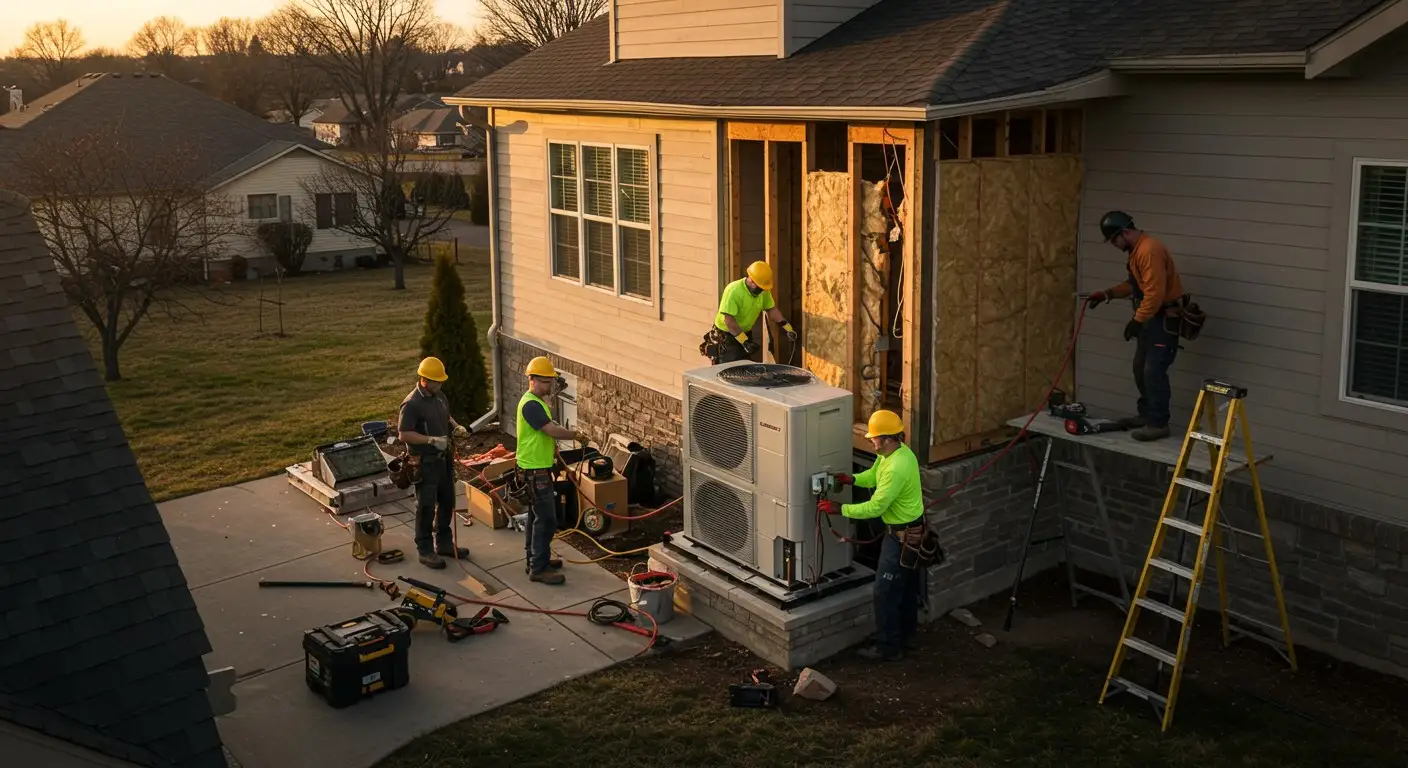
The Installation and Replacement Process
A systematic approach to installation prevents future breakdowns and ensures the longevity of your investment. We do not rely on guesswork or "rule of thumb" sizing. Every step is calculated to maximize performance and safety.
- Load Calculation and Sizing: The process starts with a precise Manual J load calculation. This calculation looks at the square footage of your home, insulation levels, window orientation, and even the number of occupants. In our humid environment, correct sizing is critical. An oversized unit will cool the house too quickly without removing humidity, leading to a cold, clammy feeling and mold growth. An undersized unit will run continuously, driving up electric bills without ever reaching the set temperature.
- Site Preparation and Protection: Before moving any equipment, we prepare the workspace to protect your property. This involves laying down drop cloths and clearing the path to the air handler and outdoor condenser locations. We also ensure that the electrical disconnects are safe and up to code before beginning the removal process.
- Safe Removal and Disposal: We safely pump down and reclaim any remaining refrigerant from your old system in accordance with EPA regulations. The old condenser and air handler are disconnected and removed. We handle the disposal of the old unit, ensuring it is recycled or scrapped properly so you do not have to worry about the cleanup.
- Equipment Positioning and Connection: The new indoor air handler is positioned and leveled. This is crucial for proper drainage of condensate water. The outdoor condenser is placed on a solid pad to prevent settling or vibration. We then braze the copper refrigerant lines using nitrogen purging techniques to prevent oxidation inside the pipes, which is a leading cause of premature compressor failure.
- Electrical and Thermostat Setup: High-voltage wiring is connected to the disconnect box, and low-voltage control wiring is run to the thermostat. We often upgrade thermostats to smart, programmable models that communicate directly with the heat pump to optimize fan speeds and compressor staging.
- Vacuum and Charge: Once the lines are connected, we pull a deep vacuum on the system to remove all moisture and non-condensable gases. This step is non-negotiable for system longevity. After verifying the vacuum holds, we release the factory refrigerant charge and fine-tune it based on subcooling and superheat measurements specific to the day's weather conditions.
- Final Commissioning: The system is not considered installed until it has been fully tested. We cycle the unit through all modes—cooling, heating, emergency heat, and defrost. We measure airflow (static pressure) and temperature splits to verify the system is delivering the correct capacity.
Deciding When to Repair vs. Replace
Homeowners often struggle with the decision to repair an aging unit or invest in a replacement. While repairs can be cheaper in the short term, they are often a sinking fund for a system that is nearing the end of its useful life. Making the right choice depends on analyzing the data regarding your current system's performance and cost of ownership.
- The 50% Rule: A general industry guideline is to compare the cost of the repair to the value of the system. If the cost of the repair is more than 50% of the cost of a new system, replacement is usually the better financial decision. This is especially true if the system is out of warranty.
- System Age: Heat pumps in this region work harder than in many other parts of the country because they run nearly year-round. The average lifespan is typically between 10 to 15 years. If your unit is over 10 years old and requires a major component replacement, such as a compressor or coil, the technology has likely advanced enough that a new unit will pay for itself in energy savings over time.
- Refrigerant Type: Older systems utilize R-22 refrigerant, which has been phased out and is now extremely expensive to acquire. If your older system has a refrigerant leak, simply topping it off is no longer a cost-effective strategy. Upgrading to a system that uses R-410A or newer refrigerants ensures you are compliant with current environmental standards and protects you from skyrocketing repair costs.
- Rising Energy Bills: As internal components wear down and coils become impacted, heat pumps lose efficiency. If you notice a steady increase in your kilowatt-hour usage despite normal weather, your system is working overtime to maintain comfort. A new high-efficiency system can reduce cooling costs significantly, offsetting the monthly payment of a financed installation.
- Frequency of Breakdowns: If you have required repairs more than twice in the last year, the system has become unreliable. The cost of emergency service calls and the inconvenience of downtime often outweigh the price of a planned replacement.
Local Considerations for Palatka Beach Homeowners
Operating a heat pump in this specific region requires attention to environmental factors that do not affect other parts of the country. The proximity to water and the specific humidity levels in Palatka Beach influence both the installation materials we use and the maintenance schedules we recommend.
- Humidity Control is Priority: In this area, air conditioning is as much about dehumidification as it is about temperature reduction. We recommend heat pumps with variable-speed air handlers. These units can run at lower speeds for longer periods, extracting more moisture from the air without overcooling the space. This results in a drier, more comfortable home and prevents the growth of biological contaminants in the ductwork.
- Corrosion Protection: Coastal and river environments introduce salt and moisture that can accelerate corrosion on the outdoor condenser coils. We often recommend systems with specialized coil coatings or composite bases that resist rust. Proper placement of the outdoor unit to avoid direct exposure to salt spray or standing water is also part of our site assessment.
- Permitting and Code Compliance: Local building codes strictly regulate HVAC installations to ensure safety and energy efficiency. A permit is required for system replacements. This process involves a third-party inspection to verify that the electrical connections are safe, the refrigerant lines are sealed, and the unit is anchored correctly to withstand high winds. We handle the entire permitting process, ensuring your installation is fully legal and documented, which is essential for your home insurance and future property sales.
- Electrical Infrastructure: Many older homes in the area may have outdated electrical panels that cannot support modern, high-output heat pumps. Our assessment includes checking your breaker panel and service entrance to ensure they can handle the load. If upgrades are necessary to meet code, we identify these requirements upfront so there are no surprises during the installation.
Why Professional Installation Matters
The difference between a system that lasts 15 years and one that fails in five often comes down to the installation practices. Manufacturers engineer incredible equipment, but that equipment is only as good as the technician who installs it. A rushed job can lead to refrigerant leaks, electrical fires, and poor air quality.
Accu-Temp Heating and Air Conditioning prioritizes technical excellence and adherence to manufacturer specifications. We do not cut corners on materials; we use high-quality copper, proper insulation, and code-compliant electrical components. Our technicians are trained to treat your home with respect, using shoe covers and floor protectors, and leaving the workspace cleaner than they found it.
We also focus on education. Once the installation is complete, we walk you through the operation of your new thermostat and explain the maintenance requirements of your heat pump. Understanding how to change filters and program your schedule ensures you get the maximum efficiency out of your new system.
Whether you are upgrading for energy efficiency or replacing a failed unit, the goal is long-term reliability. We stand behind our work with labor warranties and responsive support, giving you peace of mind that your home comfort is secured for years to come.
Secure your home comfort today. Contact us to schedule your heat pump evaluation.
Contact Us
Why Choose One Company for Everything?

Simplicity

Expertise

Savings
Service Areas