


Struggling with Heat Pump Problems in Coastal Climates?
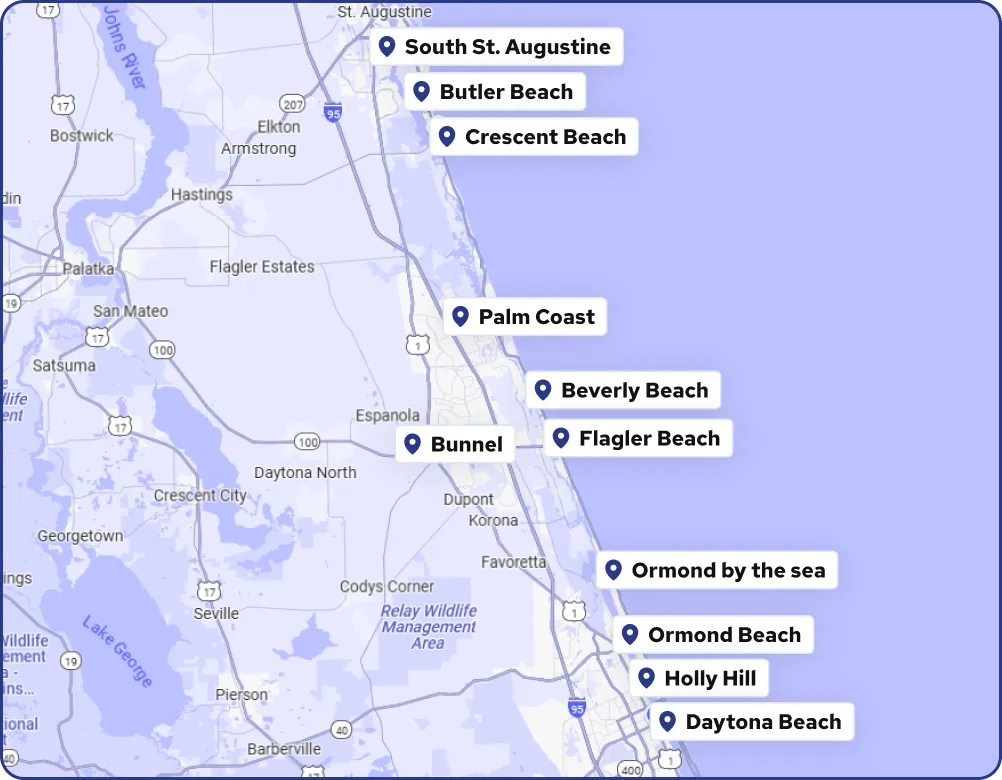
If your heat pump is lagging behind, failing in the humidity, or has suffered storm damage, help is just a call away. Our local experts understand Holly Hill's unique climate challenges and provide immediate diagnostic solutions—contact us now to schedule your service.
- Same-day heat pump repair services ensure minimal downtime.
- Expert evaluations to decide between cost-effective repairs or replacements.
- 24/7 availability for emergencies, especially during hurricane season.
Licensed, bonded, and insured - with financing options tailored to your needs.
Comprehensive Diagnostics and Immediate Repair Solutions
When a heat pump fails in the humid subtropical climate of Florida, the discomfort is immediate. The system is responsible for both heating and cooling, meaning it operates nearly year-round. A breakdown isn't just an inconvenience; it can lead to humidity spikes inside the home that threaten air quality and structural integrity. The priority is to identify the root cause of the failure accurately so that the repair is definitive, rather than a temporary patch.
A professional diagnostic visit focuses on the specific stressors that affect units in this region. Technicians inspect the refrigerant levels first. In a heat pump, the refrigerant charge must be precise. If it is too low, usually due to a micro-leak in the coils, the system cannot effectively transfer heat. In cooling mode, this results in a frozen evaporator coil. In heating mode, the system blows lukewarm or cold air.
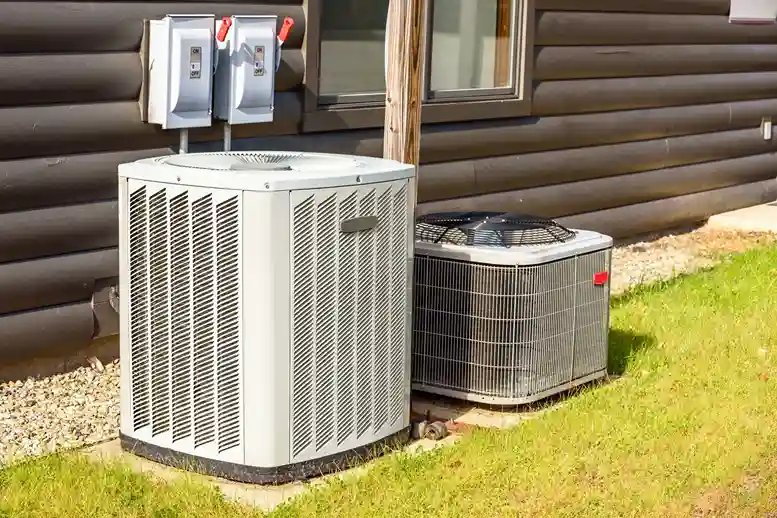
The electrical components are also under constant stress from heat and vibration. Capacitors, contactors, and relays are tested for proper voltage and amperage. A swollen or weak capacitor is a common culprit when the outdoor unit hums but the fan does not spin. Furthermore, the reversing valve—the critical component that switches the unit between heating and cooling—is tested for solenoid operation and mechanical sticking. If this valve fails, the system becomes locked in one mode, unable to switch despite thermostat adjustments.
- Refrigerant Pressure Testing: Verifying the system is charged correctly to handle high humidity loads.
- Airflow Analysis: Checking static pressure and blower motor performance to ensure efficient air movement.
- Electrical Safety Check: Tightening connections and measuring component draw to prevent electrical fires or compressor failure.
- Condensate Drain Inspection: Clearing clogs caused by algae growth common in humid environments to prevent water damage.
- Thermostat Calibration: Ensuring the interface effectively communicates with the air handler and condenser.
The Repair Process: From Assessment to Restoration
Restoring a heat pump requires a systematic approach that prioritizes safety and system longevity. The goal is to return the unit to manufacturer specifications. Homeowners in Holly Hill need to know exactly what is happening with their equipment, why it failed, and how the proposed solution fixes the issue permanently.
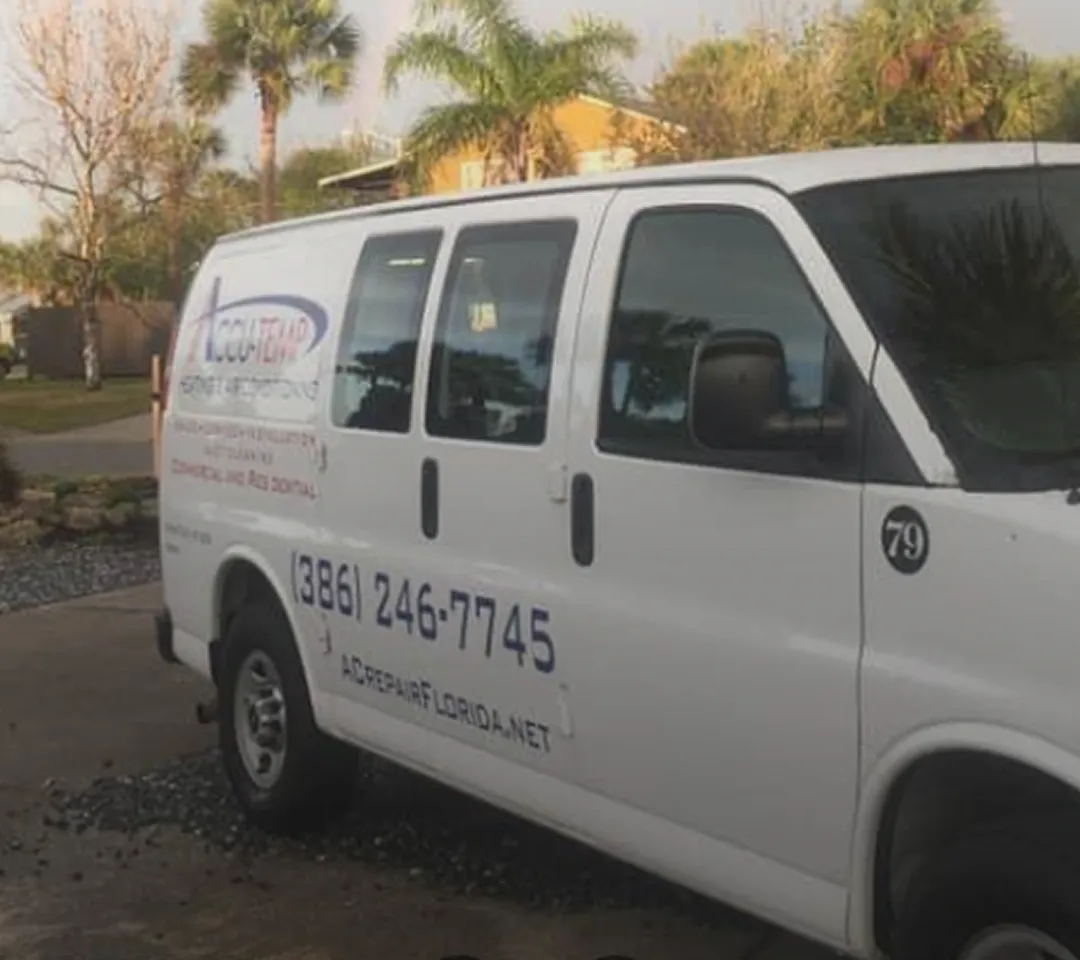
The process begins with the technician arriving with a fully stocked service vehicle. This inventory strategy aims to resolve the majority of common repairs—such as capacitor replacements, hard start kit installations, or contactor swaps—on the very first visit. Once the diagnostic phase is complete, you receive a clear, flat-rate quote for the repair. There are no hidden fees or hourly surprises; the price reflects the specific job required to get the system running again.
Upon approval, the technician proceeds with the repair. This involves isolating the electrical power to the unit to ensure safety. If the repair involves the refrigerant circuit, such as fixing a leak or replacing a compressor, the technician must reclaim the old refrigerant according to EPA regulations, braze the new components in with nitrogen to prevent oxidation, and then pull a deep vacuum to remove moisture before recharging the system.
- System Isolation: Power is cut to both the indoor and outdoor units to ensure a safe working environment.
- Component Replacement: Faulty parts are removed and replaced with OEM or high-quality aftermarket equivalents.
- Circuit Verification: Electrical connections are re-tested to ensure the new parts are drawing the correct amperage.
- Operational Testing: The system is run in both heating and cooling modes (if weather permits) to verify the reversing valve operation.
- Performance Validation: Temperature splits (the difference between supply and return air temperature) are measured to confirm cooling or heating capacity.
- Site Cleanup: The workspace is cleared of debris, old parts, and packaging materials.
By following this rigorous protocol, Accu-Temp Heating and Air Conditioning ensures that the repair addresses not just the symptom, but the underlying cause of the breakdown.
Determining When to Repair vs. Replace
Heat pumps in Florida endure a significantly higher workload than those in northern climates. While a furnace up north might run for four or five months, a Florida heat pump runs for ten to eleven months of the year. This intense usage accelerates wear and tear, shortening the expected lifespan of the equipment. Homeowners often face the difficult decision of whether to invest in another repair or to allocate those funds toward a modern, high-efficiency system.
The decision often comes down to the age of the unit and the cost of the repair. A general guideline used in the industry is the "50% Rule." If the cost of the repair approaches 50% of the value of the system, replacement is usually the smarter financial move. Additionally, if the equipment is over 10 to 12 years old, parts availability may become an issue, and efficiency levels have likely dropped significantly compared to modern SEER2 standards.
Another critical factor is the type of refrigerant the system uses. Older systems utilizing R-22 (Freon) are becoming prohibitively expensive to repair if a refrigerant leak occurs, as production of R-22 has ceased. Investing in a major repair on an R-22 system is rarely cost-effective. Conversely, if the system is under ten years old and arguably under warranty, repair is almost always the correct path.
- Frequency of Breakdowns: If the system requires multiple service calls in a single year, it is signaling the end of its reliable life.
- Energy Efficiency: A sudden, unexplained rise in electric bills often indicates the compressor or coils are degrading.
- Comfort Consistency: Uneven temperatures or an inability to maintain the thermostat setting suggests the unit is undersized or failing.
- Noise Levels: Grinding, squealing, or excessive vibration from the outdoor unit can indicate imminent compressor failure.
- Warranty Status: Systems out of parts warranty carry a much higher financial risk for future repairs.
Managing Local Climate and Regulatory Factors
Operating a heat pump in Volusia County requires specific attention to environmental factors that do not exist inland. The proximity to the coast introduces salt air, which is highly corrosive to the aluminum fins and copper tubing of the outdoor condenser coil. Over time, this corrosion reduces the heat transfer capability of the unit and can lead to refrigerant leaks. Regular maintenance and rinsing of the coils are essential, but when repairs are needed, technicians must assess the level of corrosion to determine if the coil is salvageable.
Seasonality also dictates urgency. The peak rainy season from June to September coincides with the highest temperatures. During this window, a functional heat pump is necessary not just for cooling, but for humidity control. Without it, mold and mildew can develop within the home in as little as 48 hours. Furthermore, this period overlaps with hurricane season. Local building codes require that outdoor units be securely anchored to hurricane pads to prevent them from becoming projectiles during high winds. During a repair visit, checking the integrity of these tie-downs is a standard safety procedure.
Permitting is another aspect of local compliance. While minor repairs like capacitor replacements generally do not require a permit, major work—particularly system replacements or significant ductwork modification—must comply with local building codes. These regulations ensure that the electrical sizing is correct and that the system meets current energy efficiency mandates.
- Salt Corrosion: Inspecting coils for disintegration and "fin rot" caused by saline exposure.
- Drainage Management: Ensuring condensate lines are routed correctly to handle the massive volume of water removed from the air during humid months.
- Hurricane Readiness: Verifying that the condenser is bolted down according to current wind-load code requirements.
- Electrical Surges: Checking for storm-related damage to boards and motors, often caused by lightning strikes or grid fluctuations.
- Auxiliary Heat: Testing the emergency heat strips to ensure they function during the rare but critical freeze warnings in winter.
Why Specialized Heat Pump Expertise Matters
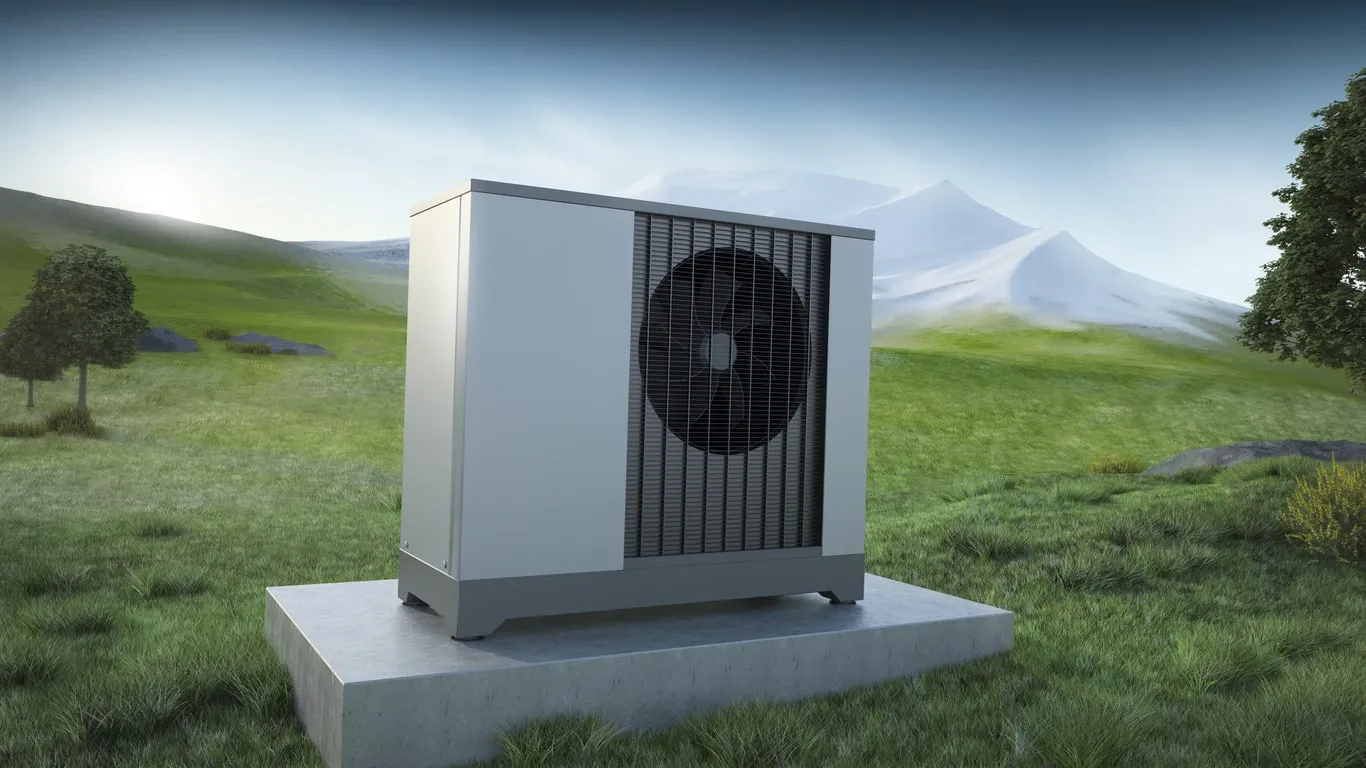
Heat pumps are mechanically more complex than standard air conditioners because they possess a reversing valve and often rely on complex defrost control boards. A technician lacking specific heat pump training might misdiagnose a bad defrost board as a bad fan motor, leading to unnecessary parts replacement and continued failure. The specific sequence of operation for a heat pump requires a technician who understands the thermodynamic cycle in both directions.
In Holly Hill, availability is a key differentiator. Systems rarely break down at convenient times. They fail during the hottest afternoon of the year or the first cold snap of winter. Service providers must be equipped to handle these emergencies with trucks that act as mobile warehouses. The ability to diagnose and repair on the spot, rather than waiting days for parts ordering, is what separates professional service from general handyman work.
Furthermore, accurate refrigerant charging is non-negotiable for heat pumps. In cooling mode, an overcharged unit runs inefficiently. In heating mode, that same overcharge can cause liquid slugging in the compressor, destroying the heart of the system. Technicians use subcooling and superheat calculations to dial in the charge to the exact ounce, ensuring the system operates at peak efficiency and handles the sensible and latent heat loads typical of the region.
- Defrost Cycle Diagnosis: Differentiating between normal frost accumulation and a system failure is crucial during winter operation.
- Reversing Valve Troubleshooting: accurately identifying if a stuck valve is an electrical solenoid issue or a mechanical blockage.
- Emergency Heat Verification: Ensuring the backup electric heat strips engage only when necessary to avoid skyrocketing electric bills.
- Sensor Calibration: Testing outdoor temperature sensors that dictate when the heat pump locks out and switches to auxiliary heat.
Why Choose Accu-Temp Heating and Air Conditioning?
- Local Expertise: We understand Holly Hill’s coastal climate and the unique stress it places on heat pumps.
- Fast, Same-Day Service: Our fully stocked service vehicles are ready to handle most repairs on the first visit.
- Certified Professionals: Licensed, bonded, and insured technicians ensure safe and reliable repairs.
- Transparent Pricing: Flat-rate quotes with no hidden fees or surprise charges.
- Emergency Availability: 24/7 service during peak heat and hurricane season.
- Long-Term Solutions: Repairs target the root cause, not just the symptoms, extending your system’s lifespan.
Securing Your Home Comfort
A malfunctioning heat pump disrupts your life and compromises your home's safety against heat and humidity. Waiting to address unusual noises, short cycling, or poor temperature control often leads to more extensive damage and higher costs. Professional intervention restores efficiency, protects air quality, and extends the lifespan of your investment.
The goal is to provide a seamless path from diagnosis to comfort. Whether it is a simple electrical fix or a complex refrigerant repair, the focus remains on transparency, speed, and technical precision. Accu-Temp Heating and Air Conditioning is dedicated to keeping your environment comfortable regardless of the weather outside.
Do not let a broken system compromise your comfort for another day. Schedule your expert repair service now and ensure your home stays cool, dry, and efficient year-round.
Contact Us
Why Choose One Company for Everything?

Simplicity

Expertise

Savings
Service Areas