




Heat Pump Problems Solved Fast
High humidity levels and consistent usage often lead to decreased efficiency or sudden failures for heat pumps in Palm Coast. If your system runs constantly without reaching the desired temperature, professional intervention is required immediately to prevent higher energy bills and compressor damage. Contact our team to schedule a comprehensive system inspection and restore your comfort.
Accu-Temp Heating and Air Conditioning provides targeted maintenance protocols designed to handle the specific load requirements of Florida’s subtropical climate. Heat pumps differ significantly from standard air conditioners because they handle both heating and cooling, meaning they run year-round. This constant operation accelerates wear on critical components like reversing valves and capacitors. Our service ensures your system operates within manufacturer specifications, managing humidity effectively and cooling your home efficiently:
- Same-day service availability to resolve performance issues immediately
- Certified technicians trained on all major heat pump makes and models
- Money-back guarantee ensures the system operates as promised
- Licensed and insured with financing options available for extensive repairs.
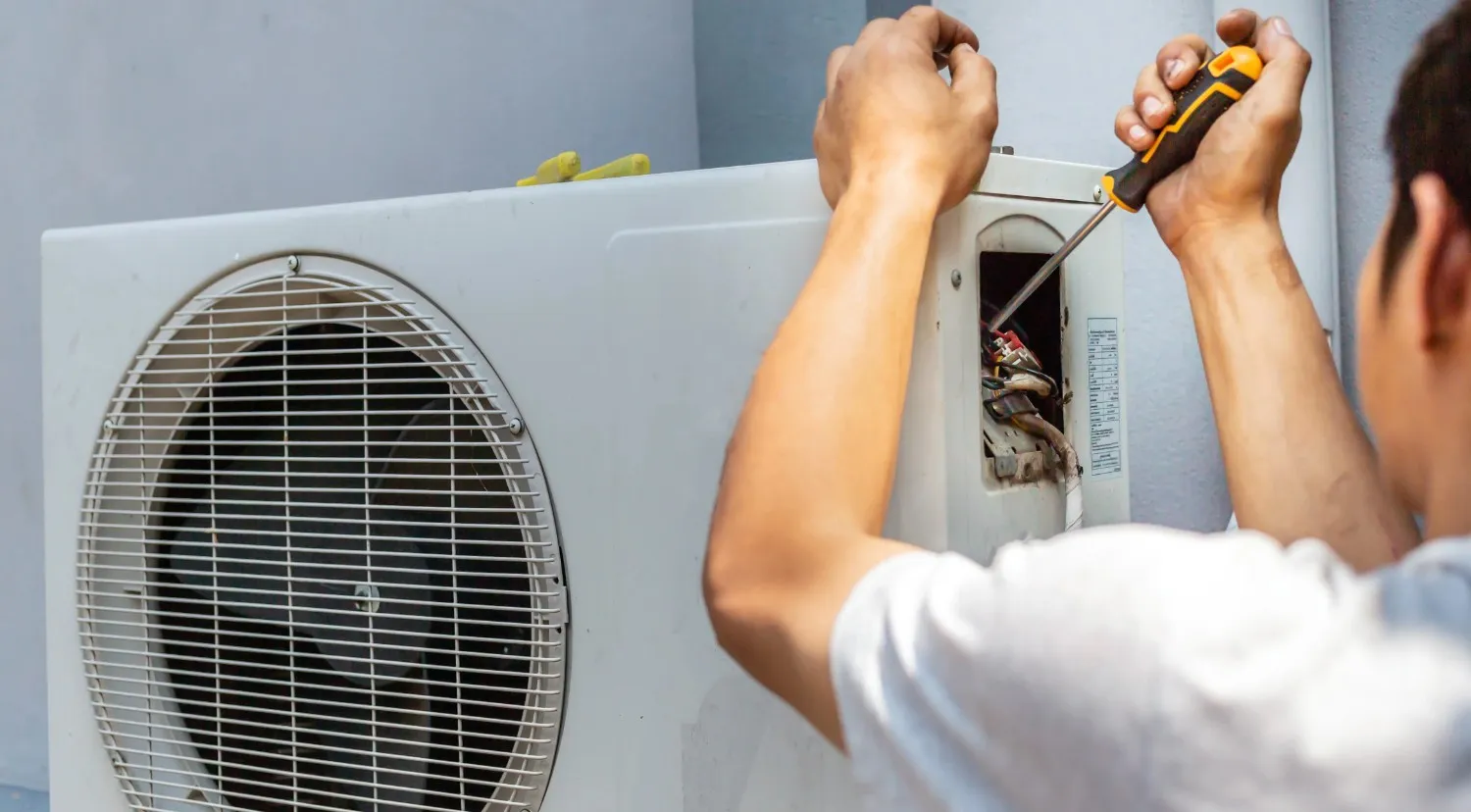
Comprehensive Maintenance Scope and Timeline
A heat pump maintenance visit is a technical audit of your HVAC system’s health, not a superficial cleaning. The goal is to identify developing issues before they trigger a system shutdown during peak summer heat or a winter cold snap. The service generally takes between one to two hours, depending on the condition of the evaporator and condenser coils:
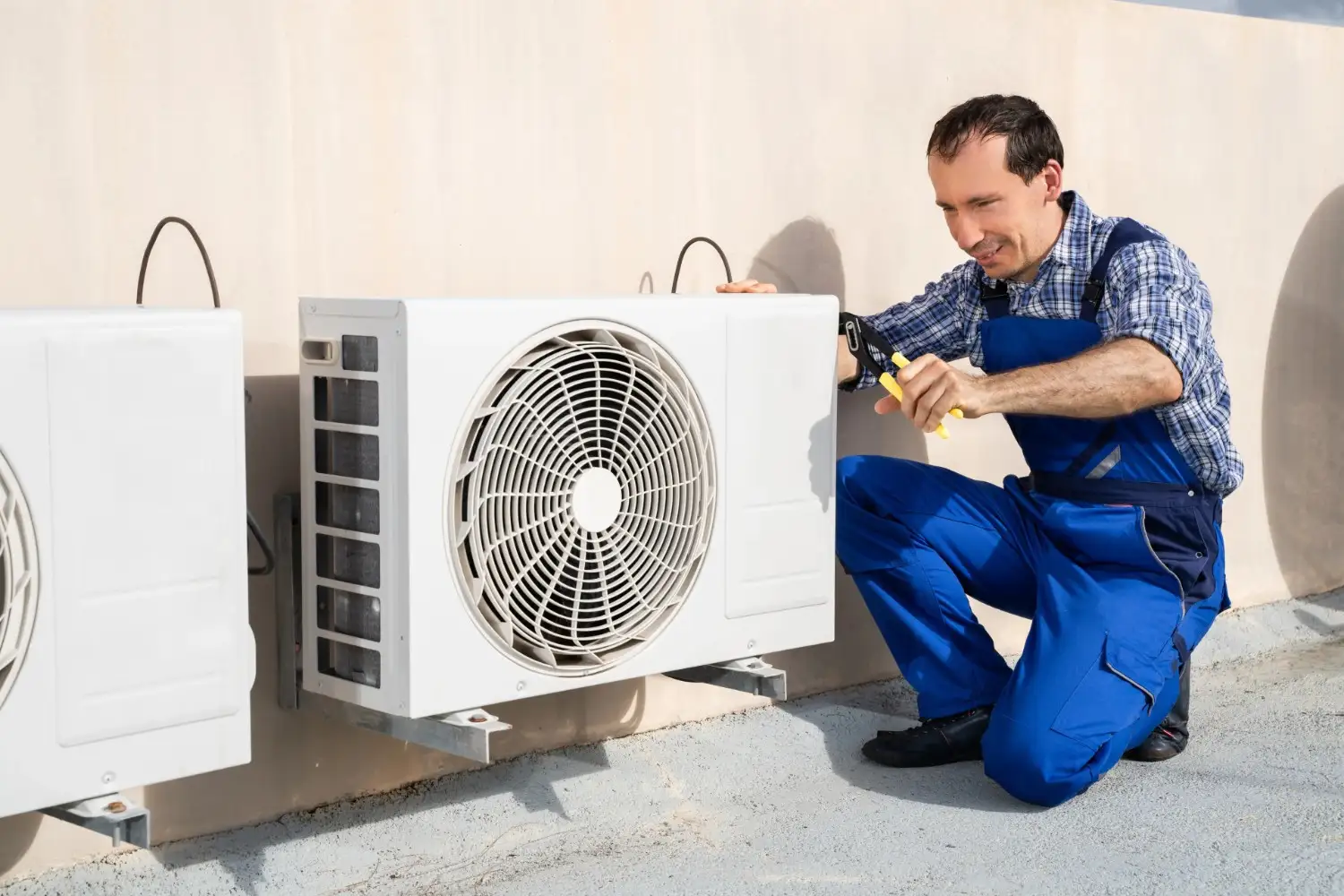
Refrigerant Charge and Leak Detection
The efficiency of a heat pump relies entirely on the precise volume of refrigerant circulating through the lines. An undercharged system struggles to remove heat, leading to frozen coils and an overworked compressor.
- Technicians measure superheat and subcooling levels to verify the charge is exact.
- Electronic leak detectors scan the lineset and coil connections for pinhole leaks.
- Refrigerant pressures are balanced to match the manufacturer's temperature-pressure chart.
Electrical Component Analysis
Heat and vibration loosen electrical connections over time, creating resistance that generates excessive heat and melts wires.
- Capacitors are tested for microfarad ratings; weak capacitors are the leading cause of compressor and motor failure.
- Contactors are inspected for pitting or carbon buildup that impedes voltage flow.
- All wiring connections are tightened to prevent arcing and potential fire hazards.
- Amperage draw on the compressor and fan motors is measured against the rated load amps (RLA).
Airflow and Coil Sanitation
In Palm Coast, salt air and humidity contribute to rapid corrosion and biological growth on coils.
- Evaporator coils are chemically cleaned to remove mold, dust, and biofilm that block airflow.
- Condenser coils (outdoor unit) are washed to remove dirt, grass clippings, and salt deposits that reduce heat transfer.
- The blower motor wheel is inspected and cleaned to ensure proper air volume delivery.
- Static pressure tests measure the resistance in the ductwork to identify blockages or crushed ducts.
Reversing Valve and Defrost Controls
The reversing valve is the component that switches the heat pump from cooling to heating. If this valve sticks, the system will not switch modes.
- Technicians cycle the unit between heating and cooling to verify the valve shifts correctly.
- The defrost control board is tested to ensure the unit can melt ice accumulation on the outdoor coil during winter operation.
- Auxiliary heat strips are tested to confirm they engage only when necessary, preventing sky-high electric bills.
Condensate Drain Management
High humidity means your heat pump pulls gallons of water out of the air daily. Algae growth can block the drain line, causing water damage to ceilings or floors.
- The primary drain line is vacuumed and flushed to remove algae and sludge.
- Safety float switches are tested to ensure they shut the unit down if a blockage occurs, preventing overflows.
- Drain pans are treated with anti-microbial tablets to inhibit future growth.
The Maintenance Process Step-by-Step
Understanding the workflow of a professional service visit helps homeowners prepare and know what to expect. The process is systematic, ensuring no component is overlooked.
- Site Arrival and Preliminary Assessment: The technician arrives with a fully stocked truck. They begin by discussing any specific comfort issues you have noticed, such as hot spots in certain rooms or unusual noises. The thermostat is checked for calibration errors.
- System Shutdown and Safety Check: Power is disconnected at the service panel to ensure safety during the internal inspection. The disconnect box is inspected for signs of overheating or corrosion.
- Outdoor Unit Service: The technician removes the cabinet panels to access the compressor and outdoor coil. Debris is removed from the base of the unit. The fan blade is checked for cracks or balance issues. The coil is chemically cleaned.
- Indoor Unit Service: Access panels on the air handler are removed. The filter is inspected and replaced if necessary. The evaporator coil and blower assembly are examined. The drain line is flushed.
- Electrical Testing: With the power off, connections are tightened. With power restored, the system is started, and electrical measurements (voltage and amperage) are recorded while the unit runs.
- Performance Testing: The system runs for 15–20 minutes to stabilize pressures. Temperature splits (the difference between supply and return air temperature) are measured. A split of 18–22 degrees typically indicates a healthy system.
- Final Report: The technician generates a detailed status report outlining the work performed. Any worn parts or potential failure points are highlighted with recommendations for repair or monitoring.
When Replacement Beats Repair
Deciding between repairing an aging heat pump or investing in a new system is a financial calculation based on age, efficiency, and repair costs. While Accu-Temp Heating and Air Conditioning aims to extend the life of your current unit, there are mathematical tipping points where replacement becomes the more economical choice.
The 50% Rule
If the cost of a necessary repair approaches 50% of the value of the system (or the cost of a new unit), replacement is usually the smarter financial move. For example, replacing a compressor on a 12-year-old unit is rarely cost-effective because other components will likely fail soon after.
System Age and R-22 Refrigerant
Heat pumps have an average lifespan of 10 to 15 years in coastal environments. If your system is over 10 years old and relies on R-22 (Freon) refrigerant, repairs involving refrigerant leaks are prohibitively expensive due to the phase-out of R-22. Modern systems use R-410A or newer refrigerants and offer significantly higher efficiency.
SEER Ratings and Energy Costs
Older heat pumps may have a SEER (Seasonal Energy Efficiency Ratio) of 10 or 12. Modern units start at SEER 14.3 and go up to SEER 20+. Replacing a 10 SEER unit with a 16 SEER unit can reduce cooling costs by 30% to 40%. If your energy bills have been steadily climbing despite maintenance, the internal efficiency of the compressor has likely degraded.
Frequency of Breakdowns
If you have required more than two major repairs in the last two years, the system has become unreliable. The cumulative cost of service calls, parts, and downtime often exceeds the monthly payment of a financed high-efficiency replacement.
Comfort Consistency
As heat pumps age, they lose the ability to remove humidity effectively. If your home feels clammy even when the temperature setpoint is reached, the system is short-cycling or losing compression. A replacement restores proper humidity control, which is vital for comfort and preventing mold growth in the home.
Local Considerations for Heat Pumps
Operating a heat pump in this region presents unique challenges that generic advice often misses. The local environment directly impacts how often maintenance is required and what specific components are most vulnerable:
Managing High Humidity
The primary job of a heat pump in our area during the summer is dehumidification. High ambient humidity puts an immense latent load on the system. If the evaporator coil is even slightly dirty, moisture removal drops legally. Maintenance must focus heavily on airflow and coil cleanliness to maintain the dry, cool indoor environment residents expect.
Salt Air Corrosion
Proximity to the ocean introduces salt spray into the air. Salt is highly corrosive to aluminum fins and copper tubing found in heat pumps. Without regular freshwater rinsing and chemical cleaning, the fins will deteriorate, becoming brittle and flaking off. This destroys the heat transfer capability of the unit. For systems near the coast, we often recommend applying protective coatings to the outdoor coil to extend its lifespan.
FPL Rebates and Incentives
Florida Power & Light (FPL) offers rebates for upgrading to high-efficiency heat pumps. These incentives are designed to reduce the load on the electrical grid. To qualify, systems usually must be installed by recognized contractors and meet specific SEER and HSPF (Heating Seasonal Performance Factor) ratings. Keeping maintenance records is also often a requirement for warranty claims and rebate eligibility.
Permitting and Codes
Major repairs, such as compressor replacements or full system change-outs, require permits to ensure the work meets local building codes. This includes verifying that the electrical circuit is sized correctly for the unit and that the unit is properly anchored to the hurricane pad to withstand high winds. Using a licensed provider ensures all work is compliant with county and city regulations, preventing issues when you eventually sell your home.
Winter Usage Specifics
While winters are mild, the heat pump must switch to heating mode occasionally. The "defrost cycle" is critical here. On chilly, damp mornings, frost can form on the outdoor unit. The system must reverse itself to melt this ice. If the sensors or boards controlling this fail, the unit will turn into a block of ice, potentially crushing the coil. Maintenance checks verify this defrost logic is functional before the temperature drops.
Technical Expertise and Service Standards
The difference between a functioning heat pump and a high-performing system lies in the technical precision of the maintenance provided. Modern heat pumps are complex machines involving printed circuit boards, variable-speed motors, and advanced refrigerant metering devices:
Advanced Diagnostics
Technicians utilize digital manifolds that provide real-time data on superheat, subcooling, and saturation temperatures. This eliminates guesswork. Airflow is measured using manometers to detect static pressure issues that restrict performance. Inverter-driven systems require specific diagnostic tools to analyze the variable frequency drive (VFD) signals, which standard multimeters cannot read accurately.
Integrity of Ductwork
The heat pump is only as good as the duct system attached to it. Leaky ducts pull in hot, humid air from the attic, undermining the work of the heat pump. Part of a thorough service approach involves inspecting accessible ductwork for disconnects, tears, or crushed sections. Sealing these leaks is one of the most effective ways to improve system performance and indoor air quality.
Warranty Preservation
Most manufacturer warranties require proof of annual maintenance by a licensed professional. Skipping professional service can void the parts warranty, leaving the homeowner responsible for the full cost of expensive components like compressors or inverter boards. Detailed service records serve as proof of compliance, protecting your investment.
Correct Auxiliary Heat Setup
Heat pumps utilize electric heat strips as a backup during extreme cold or defrost cycles. If these strips are stuck in the "on" position due to a faulty sequencer or thermostat wiring, the system will run both the heat pump and the electric strips simultaneously during cooling mode, or run strips unnecessarily during mild heating days. This results in massive energy waste. Technicians verify the staging logic to ensure heat strips only engage when absolutely necessary.
Take Charge of Your Home’s Comfort with Expert Heat Pump Care
Your heat pump works hard year-round to keep your home cool, dry, and comfortable—even in Palm Coast’s demanding climate. When efficiency drops or performance issues arise, prompt professional service is the key to preventing costly breakdowns and restoring ideal indoor conditions. With Accu-Temp Heating and Air Conditioning, you receive precision-driven maintenance, expert diagnostics, and dependable solutions tailored specifically for Florida’s high-humidity environment.
Secure the longevity and efficiency of your heat pump system today. Proper maintenance prevents costly emergency breakdowns and ensures your home remains comfortable regardless of the humidity or temperature outside — schedule service today.
Book your heat pump maintenance service now.
Contact Us
Why Choose One Company for Everything?

Simplicity

Expertise

Savings
Service Areas