


Reliable heating is still essential during cooler seasons and overnight temperature drops. We provide heating services focused on safe operation, steady performance, and efficient energy use for homes. A properly operating heating system should warm the home evenly, respond quickly to thermostat settings, and operate without unusual noise or odor.
At Accu-Temp Heating & Air Conditioning, we begin each visit with a system inspection rather than replacing parts immediately. Many heating failures are caused by airflow restriction, ignition wear, or electrical faults rather than a major component breakdown. Identifying the exact cause prevents repeated service calls and helps equipment operate dependably.
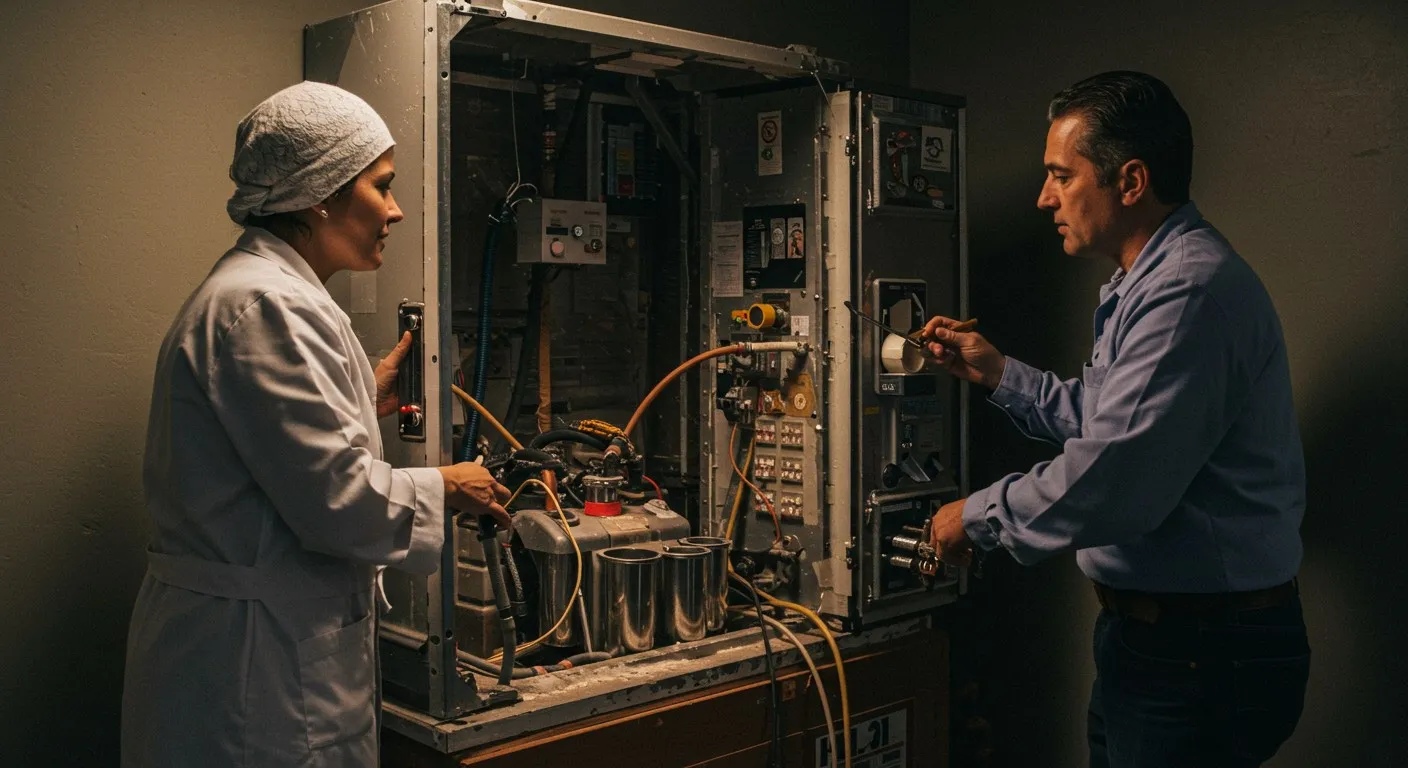
Heating Installation and Replacement
Installing a heating system requires evaluating the structure, not just selecting equipment. We assess insulation, duct performance, and heat demand so the system operates within its intended capacity. Correct sizing allows the equipment to maintain comfortable temperatures without excessive cycling.
A system that is too large will turn on and off frequently, which increases wear and reduces efficiency. An undersized system will run continuously and struggle to reach the thermostat setting. We design installations to match the home’s heating load and verify airflow after installation.
Our installation process includes:
- Equipment sizing calculations
- Thermostat configuration
- Airflow measurement and balancing
- Gas or electrical safety checks
- Startup performance verification
When replacing older equipment, we inspect the venting and electrical supply before installing the new system. Aging wiring, damaged flue piping, or blocked vents can affect safety and performance. Addressing these items during installation helps the new system operate properly.
We also review filter maintenance and thermostat settings so property owners know how to keep the system working efficiently. A properly installed heating system should warm rooms evenly and operate without temperature swings.
Heating Repair and Preventive Maintenance
Heating systems typically show warning signs before failure. Uneven temperatures, delayed startup, rising utility bills, or unusual odors often indicate developing mechanical problems. We diagnose ignition components, safety switches, airflow conditions, and electrical connections to locate the issue.
Common repairs include:
- Ignition and pilot problems
- Faulty limit switches
- Blower motor wear
- Thermostat communication issues
- Electrical control failures
Routine maintenance helps prevent these issues and keeps equipment safe. During preventive service, we clean burners, check electrical connections, test safety controls, and verify airflow. These steps help heating equipment operate reliably.
Maintenance also protects system efficiency. Dirt accumulation and restricted airflow cause overheating and increased energy usage. Cleaning and inspection restore normal operation and reduce strain on components.
We recommend annual service because it helps:
- Reduce unexpected breakdowns
- Improve operating efficiency
- Extend equipment lifespan
- Maintain warranty requirements
- Support consistent indoor comfort
During maintenance, we measure temperature rise and operating performance. Tracking these readings allows us to detect wear early and correct problems before a complete shutdown occurs.
Airflow and Comfort Performance
Many heating complaints are not caused by the furnace itself but by airflow issues. Restricted return air, leaking ducts, or blocked vents prevent heated air from circulating properly. We inspect duct connections and airflow pathways to determine whether distribution problems are affecting comfort.
Typical causes of uneven heating include:
- Dirty filters
- Closed or obstructed vents
- Disconnected duct sections
- Improper blower speed settings
Correcting airflow allows the system to distribute heat more evenly. Balanced airflow reduces temperature differences between rooms and shortens run times.
We also evaluate thermostat location and calibration. A thermostat placed near a draft or supply vent can cause the system to cycle incorrectly. Adjusting placement or calibration often resolves comfort complaints without replacing equipment.
Service Process and Scheduling
Every appointment includes a full operational check so repairs address the underlying issue. Replacing components without testing can lead to repeated failures. We verify safety controls, airflow, and electrical performance before completing service.
Our service visits typically involve:
- Complete operational testing
- Safety inspection of components
- Airflow verification
- Temperature performance measurement
- Repair recommendations
Our goal is to keep heating equipment dependable during cooler weather. By focusing on accurate diagnostics and preventive service, we help systems operate safely, efficiently, and consistently.
Contact Us
Why Choose One Company for Everything?

Simplicity

Expertise

Savings
Service Areas