




Indoor air quality affects comfort, health, and HVAC performance. Dust buildup, humidity imbalance, and airborne contaminants can circulate through a home without obvious warning signs. We provide indoor air quality services designed to improve filtration, control moisture, and support cleaner air throughout homes.
At Accu-Temp Heating & Air Conditioning, we evaluate the air moving through the HVAC system rather than only focusing on temperature control. Many comfort complaints are caused by humidity or airborne particles rather than heating or cooling performance. Identifying those conditions allows us to recommend equipment that improves breathing comfort and protects HVAC components.
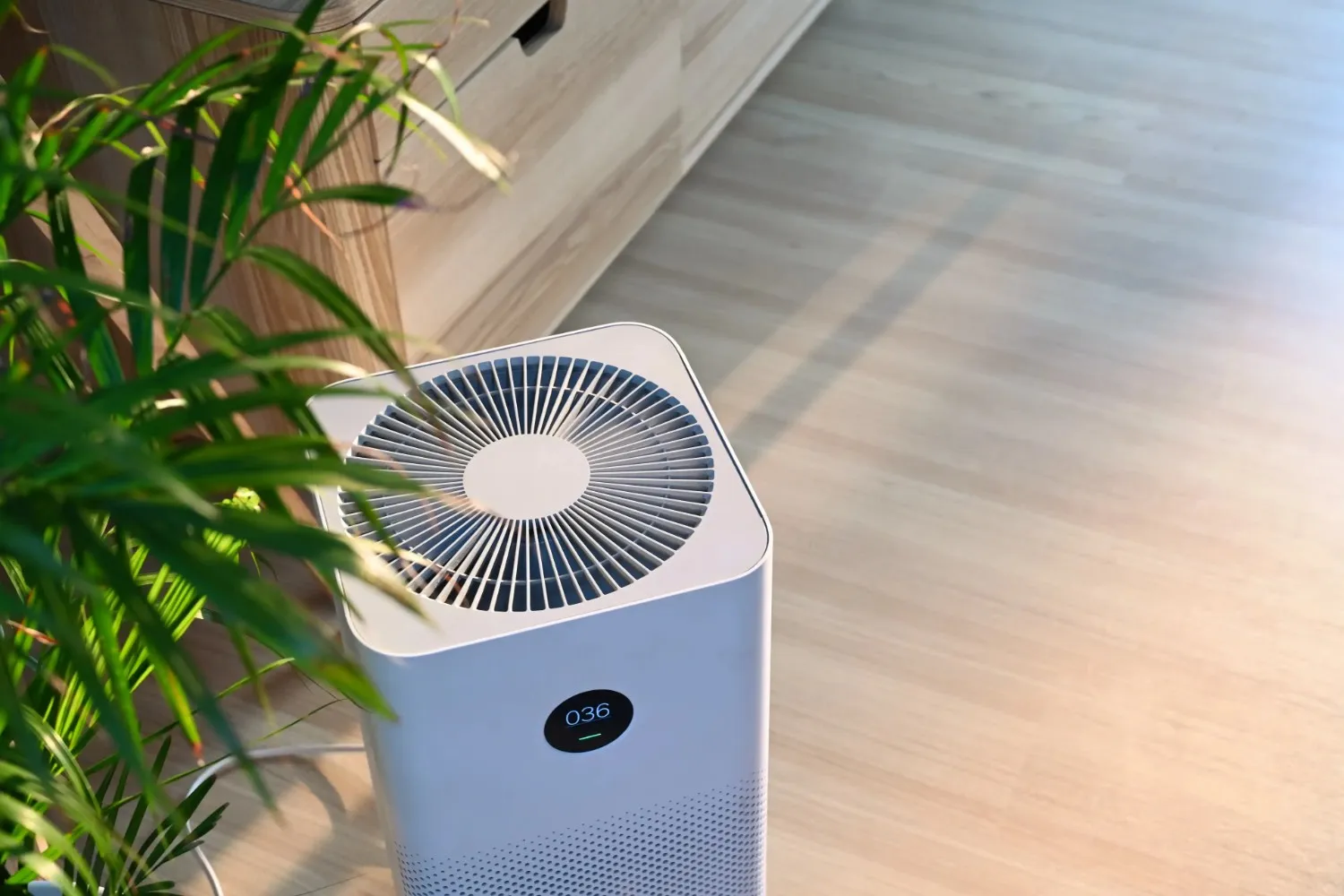
Air Filtration and Purification Solutions
Air filtration removes particles such as dust, pollen, and pet dander before they recirculate throughout the home. We inspect filter size, return air pathways, and system airflow to determine the appropriate filtration level for homes.
Standard filters capture larger debris but may allow fine particles to pass through the system. Upgraded filtration and purification options help reduce airborne contaminants and protect internal equipment surfaces.
We install and service solutions including:
- High-efficiency media filters
- Electronic air cleaners
- Whole-home air purifiers
- UV light purification systems
- Filter housing upgrades
Proper filtration also protects HVAC components. Dust accumulation on coils and blowers restricts airflow and forces equipment to work harder. Improved filtration reduces wear and helps maintain normal system operation.
We also verify airflow after installation. Overly restrictive filters can limit air circulation if the system is not designed for them. Balancing filtration with airflow keeps both air quality and system performance stable.
Humidity Control and Ventilation
Humidity levels play a major role in indoor comfort. Excess moisture can lead to condensation, musty odors, and microbial growth, while overly dry air can cause irritation and static electricity. We evaluate moisture levels and ventilation performance to maintain balanced humidity.
We provide humidity control options such as:
- Whole-home dehumidifiers
- Humidification equipment
- Ventilation adjustments
- Condensate drainage improvements
Proper ventilation helps remove stale indoor air and replace it with fresh air. Without airflow exchange, contaminants remain trapped inside the home and continue circulating. Adjusting ventilation pathways improves indoor freshness and reduces odors.
Maintaining balanced humidity also improves HVAC efficiency. Systems cool more effectively when moisture levels are controlled, allowing the thermostat to reach temperature settings faster.
Duct and Airflow Evaluation
Air quality is closely tied to how air moves through the duct system. Leaks, disconnected ducts, or blocked returns allow dust and attic particles to enter the airflow. We inspect duct connections and return pathways to determine whether air distribution is affecting indoor conditions.
Common airflow concerns include:
- Leaking duct connections
- Dirty return air pathways
- Restricted vents
- Improper filter placement
Correcting these problems helps air circulate properly and reduces contaminant buildup. Balanced airflow also prevents uneven temperatures between rooms.
We also check blower performance and airflow speed. If airflow is too low, filtration becomes less effective and humidity remains in the home. Adjusting airflow improves both comfort and air cleanliness.
Service Process and Maintenance
Indoor air quality equipment requires regular service to remain effective. Filters must be replaced, UV lamps need periodic replacement, and drainage components must remain clear. We include these checks during routine maintenance visits.
Our service appointments typically involve:
- Airflow inspection
- Filter performance evaluation
- Humidity level measurement
- Equipment cleaning and testing
- Recommendations for improvements
We aim to improve breathing comfort and maintain a healthier indoor environment. With proper filtration, humidity control, and airflow balance, indoor air quality systems help support consistent comfort and protect HVAC equipment year-round.
Contact Us
Why Choose One Company for Everything?

Simplicity

Expertise

Savings
Service Areas