


Ineffective Cooling or Heating Systems Disrupting Your Comfort?
When your climate control system fails during a humid summer afternoon or a surprisingly chilly winter night, the impact on your home environment is immediate and frustrating. Residents in Holly Hill need a responsive HVAC partner who understands that waiting days for a fix is simply not an option when temperatures spike or drop. Contact us immediately to schedule a diagnostic visit or inquire about available financing options.
- Quick appointments available, including same-day service for urgent system failures.
- Effective technical solutions tailored to handle the unique humidity and temperature demands of the region.
- Comprehensive warranties and clear, up-front pricing provided before any work begins.
Licensed, certified, and skilled technicians are ready with the right fix, whether it involves a simple component repair or a complete system overhaul.
Comprehensive HVAC Contractor Services
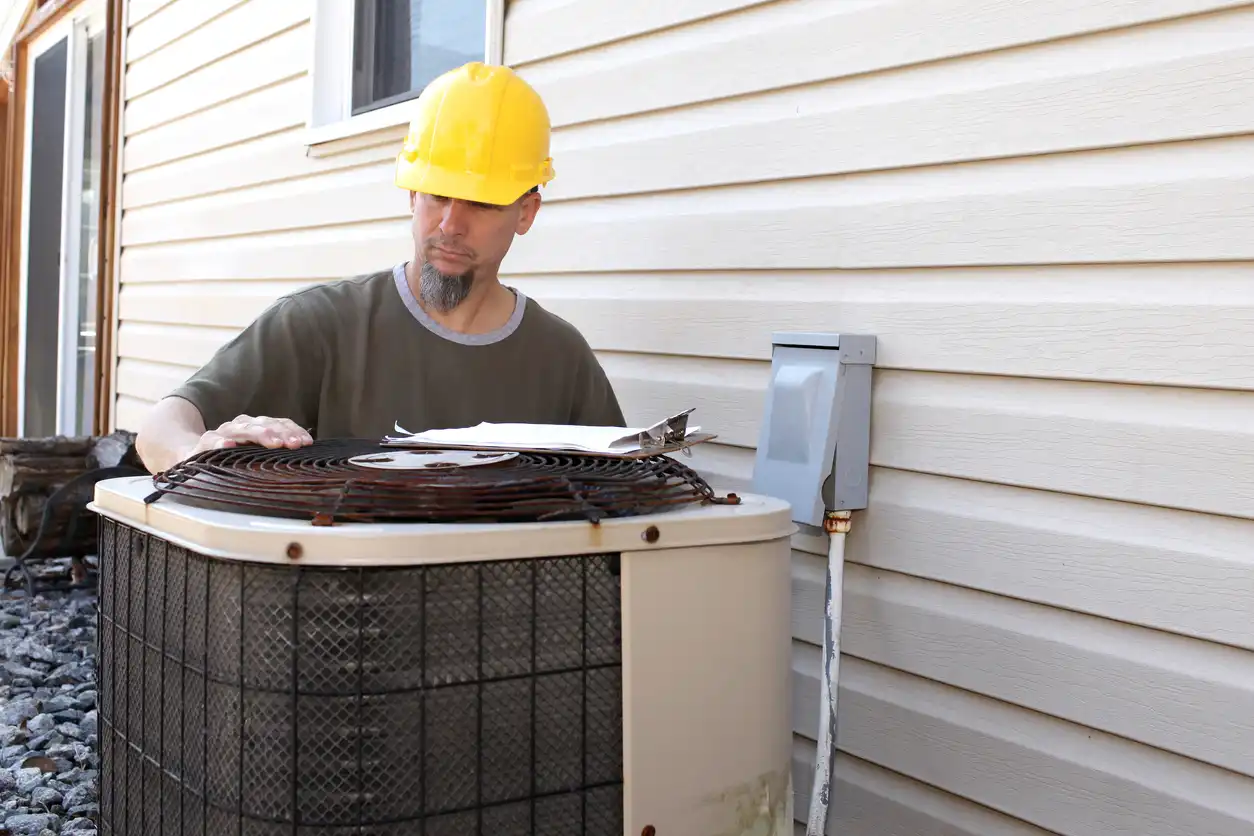
Engaging a professional HVAC contractor goes beyond simple repairs; it involves a holistic approach to indoor climate control. Homeowners require systems that run efficiently, maintain consistent temperatures, and manage indoor air quality effectively. When a system malfunctions, the goal is not just to restore power, but to ensure the unit operates at peak efficiency to prevent future breakdowns and inflated utility costs.
Services provided cover the full lifecycle of heating and air conditioning equipment. This includes precision diagnostics using advanced tools to identify electrical faults, refrigerant leaks, or airflow restrictions. Technicians inspect the condenser coils, evaporator coils, and compressor units to assess wear and tear. For heating cycles, the focus shifts to the heat pump reversing valve or electric heat strips, ensuring they engage correctly when the temperature in Holly Hill drops into the 40s.
Maintenance and repair scopes typically include:
- Refrigerant Charge Verification: Ensuring the system has the correct amount of refrigerant is critical for cooling power. Leaks are identified, sealed, and the system is recharged to manufacturer specifications.
- Electrical Component Inspection: Capacitors, contactors, and relays are tested for proper voltage and amperage. Worn electrical parts are a leading cause of compressor failure and are replaced proactively.
- Airflow and Ductwork Analysis: Leaky ducts or blocked filters restrict airflow, causing the system to work harder. Services include static pressure testing to ensure air moves freely throughout the home.
- Thermostat Calibration: ensuring the interface controlling the system reads temperatures accurately, preventing short-cycling or continuous running.
- Condensate Drain Cleaning: Florida humidity creates significant condensation. Clearing drain lines prevents water damage and shuts off safety switches that can disable the unit.
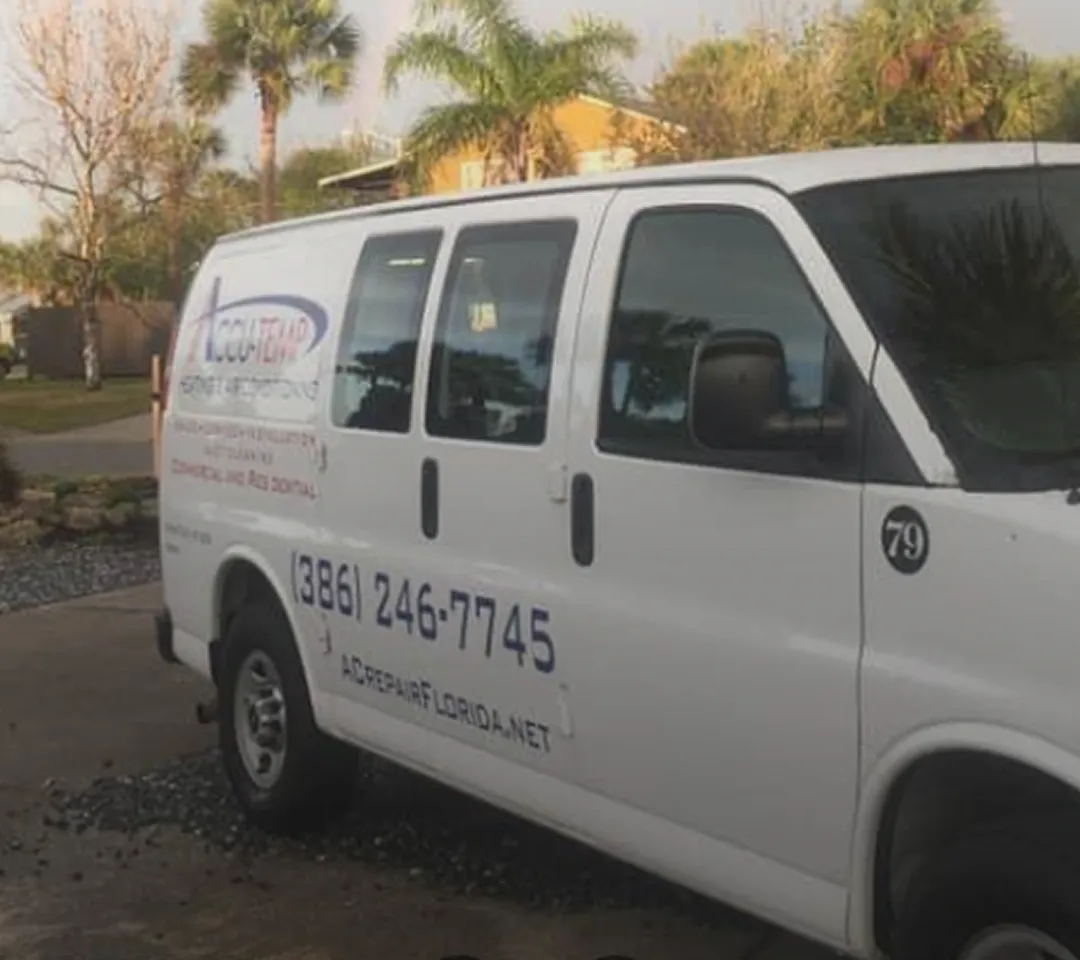
Accu-Temp Heating and Air Conditioning provides these targeted interventions to restore comfort and prolong the lifespan of existing equipment. The focus remains on technical precision and adherence to industry standards, ensuring that every service call results in a tangible improvement in system performance.

The Installation and Replacement Process
A high-performing HVAC system begins with a correct installation. Replacing an air conditioner or heat pump is a complex construction project that involves electrical work, plumbing, and structural adjustments. The process follows a strict protocol to ensure the new unit delivers the efficiency promised by its SEER2 rating.
- Load Calculation: The process begins with a Manual J load calculation. This engineering calculation determines the exact heating and cooling requirements of the specific property. Factors such as square footage, window orientation, insulation levels, and local climate data are analyzed. This prevents the installation of oversized units, which have clammy humidity issues, or undersized units, which run constantly without reaching the set temperature.
- System Selection: Based on the load calculation, a system is selected that matches the home's needs. This involves choosing between heat pumps, straight cool systems with electric heat, or package units. Efficiency ratings (SEER2 and HSPF2) are discussed to balance upfront costs with long-term energy savings.
- Safe Removal and Disposal: The existing equipment is disconnected and removed safely. Refrigerant from the old unit is recovered according to EPA regulations to prevent environmental contamination. The old hardware is hauled away for proper recycling.
- Site Preparation: The installation site is prepared for the new equipment. This may involve leveling the ground pad for the outdoor condenser or modifying the indoor air handler stand. If necessary, the plenum (the box connecting the unit to the ductwork) is reconstructed to fit the new dimensions.
- Component Installation: The indoor and outdoor units are positioned. Refrigerant lines are brazed using nitrogen purging to prevent oxidation inside the copper pipes. Electrical connections are wired to code, and a new thermostat is often installed to communicate effectively with the new technology.
- Vacuum and Charge: A vacuum pump removes all moisture and air from the refrigerant lines. This step is non-negotiable; moisture inside the lines causes acid formation and compressor death. Once a deep vacuum is achieved, the specific amount of refrigerant is weighed in.
- Testing and Commissioning: The system is powered on and tested. Technicians measure static pressure, temperature splits (the difference between supply and return air), and amperage draws. Airflow is balanced to ensure every room receives adequate conditioning.
Critical Signs It Is Time to Replace vs. Repair
Deciding between repairing an aging unit and investing in a modern replacement is a financial and practical calculation. While repairs can extend the life of a system, there is a tipping point where pouring money into an old unit becomes economically unsound. Homeowners must evaluate the age, condition, and performance of their current setup against the benefits of new technology.
- The 50% Rule: A common industry standard suggests that if the cost of a repair approaches 50% of the value of the system, replacement is the wiser choice. For example, replacing a compressor on a 12-year-old unit is rarely cost-effective compared to putting that money toward a new system with a 10-year warranty.
- Age of the Equipment: Most air conditioners and heat pumps in coastal Florida environments have a lifespan of 10 to 15 years. If a system is over 10 years old and requires a major component replacement (like a motor or coil), replacement is often recommended.
- Rising Energy Bills: As HVAC systems age, they lose efficiency. Wear on the compressor and fan motors causes them to draw more electricity to produce the same amount of cooling. A sudden or steady increase in utility bills without a change in usage patterns indicates the system is failing.
- Frequency of Breakdowns: If a system requires multiple service calls in a single season, it has become unreliable. The cumulative cost of service fees and minor repairs often exceeds the monthly payment of a financed new system.
- Refrigerant Type: Older systems utilizing R-22 (Freon) are becoming prohibitively expensive to repair due to the phase-out of this refrigerant. If an R-22 system develops a leak, replacement is almost always the only viable option.
- Inconsistent Temperatures and Humidity Issues: If some rooms are hot while others are cold, or if the house feels sticky and humid despite the AC running, the system may have lost its compression capabilities. Modern systems offer superior dehumidification features that older single-stage units cannot match.
Managing Local Climate Demands and Regulations
Holly Hill presents a unique set of challenges for HVAC equipment due to its specific geographic location and climate profile. The proximity to the Atlantic Ocean introduces salt air, while the high humidity levels from June through September demand robust moisture removal capabilities. Furthermore, local building codes dictate strict adherence to safety and efficiency standards.
Humidity and Dehumidification
The primary function of an air conditioner in this region is not just cooling the air, but removing moisture. When humidity is high, 75 degrees feels like 85 degrees. Systems must run long enough to pull moisture across the evaporator coil. Oversized units cool the air too quickly and shut off before dehumidification occurs, leading to mold growth and a clammy indoor environment. Contractors focus on installing systems with variable-speed air handlers that can run at lower speeds to maximize moisture removal without overcooling the space.
Corrosion Protection
Salt spray in the air accelerates corrosion on outdoor condenser coils. Aluminum fins can deteriorate, and copper tubing can pit, leading to refrigerant leaks. For homes located near the Intracoastal or the ocean, specifically coated coils or "coastal" packages are recommended to extend the life of the outdoor unit.
Heating Requirements
While winters are mild, temperatures frequently dip into the 40s. Heat pumps are the most efficient solution for this climate, moving heat rather than generating it. However, they rely on auxiliary electric heat strips during extreme cold snaps. Ensuring these strips are functional is a key part of seasonal maintenance.
Permitting and Compliance
HVAC work is regulated. Replacing a system requires a permit to ensure the installation meets electrical and mechanical codes. This includes verifying breaker sizes, wire gauges, and refrigerant line integrity. Professional contractors handle the permitting process, scheduling necessary county inspections to close out the permit. This protects the homeowner’s property value and ensures insurance compliance.
Why Professional Certification Matters for Your Home
The HVAC industry relies heavily on technical knowledge and adherence to safety protocols. Equipment today is far more sophisticated than units manufactured two decades ago, utilizing complex circuit boards, variable frequency drives, and specific refrigerant blends. Entrusting this equipment to unverified labor poses significant risks to the safety of the home and the longevity of the investment.
- Technical Expertise: Certified technicians undergo rigorous training to understand thermodynamics, electrical theory, and airflow dynamics. They are trained to diagnose the root cause of a failure, not just replace the symptom.
- Warranty Protection: Manufacturers of major brands like Carrier, Trane, and Lennox require installation and maintenance by licensed professionals to honor their warranties. DIY repairs or work performed by unlicensed handymen can void these warranties immediately.
- Safety Assurance: HVAC systems involve high-voltage electricity, high-pressure gases, and combustion (in the case of gas furnaces). Improper handling can lead to electrical fires, refrigerant burns, or carbon monoxide leaks. Licensed contractors carry the necessary liability insurance to protect the homeowner in case of accidents.
- Access to Parts: Professional contractors have access to OEM (Original Equipment Manufacturer) parts that ensure the system operates as designed. Universal parts often fail to meet the specific tolerances of high-efficiency equipment.
When selecting a provider, verification of state licensing and insurance is the first step in ensuring a successful project. Accu-Temp Heating and Air Conditioning maintains all necessary credentials and commits to ongoing training to stay ahead of industry advancements.
Secure Your Comfort and System Efficiency
Maintaining a comfortable indoor environment requires proactive care and professional intervention when systems falter. Whether the current need is an emergency repair to restore cooling during a heatwave or a planned replacement to improve energy efficiency, the right expertise ensures the job is done correctly the first time. Delaying necessary service can lead to compounded damage and higher costs.
Take control of your home’s climate today. Contact us to schedule your service or consultation.
Contact Us
Why Choose One Company for Everything?

Simplicity

Expertise

Savings
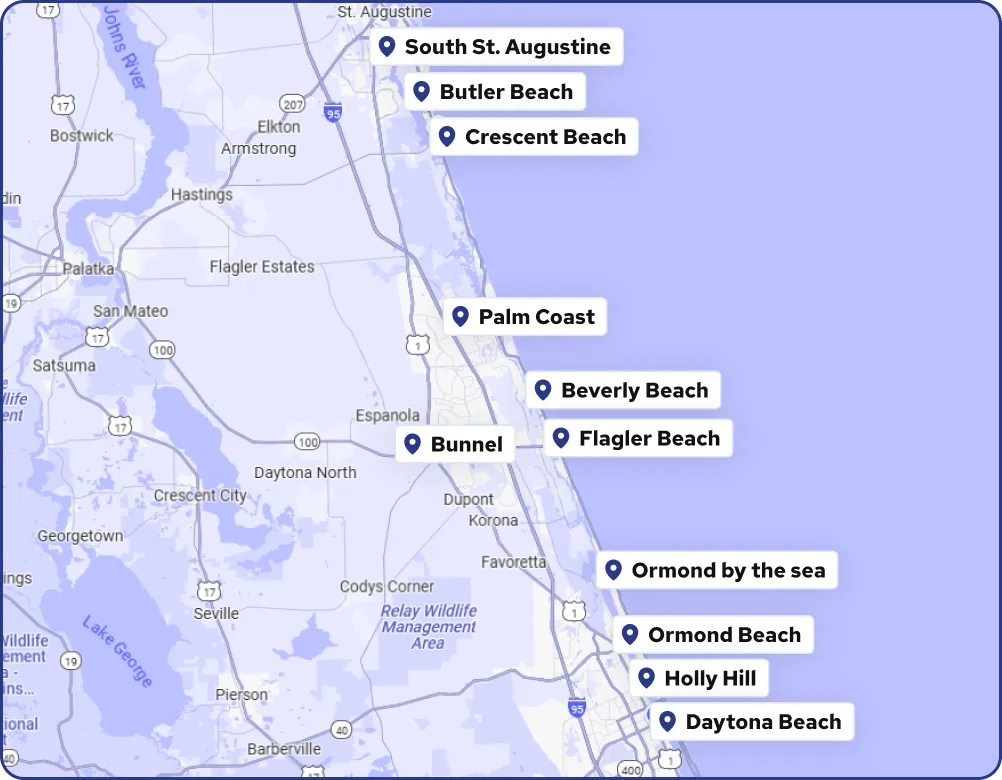
Service Areas