


Is Your HVAC System Failing to Keep Up with the Heat?
Dealing with a broken AC during Florida’s humid summer can be unbearable, and when your system fails, you need fast, reliable help. If your cooling system has shut down or is blowing warm air in Palm Coast, contact us immediately to schedule a diagnostic visit:
- Immediate appointments available today – do not wait in discomfort.
- Certified and insured technicians ensuring quality and trust.
- Full HVAC services from repair to installation and maintenance.
All services are fully licensed, insured, and come with financing options.
Available Services and Same-Day Solutions
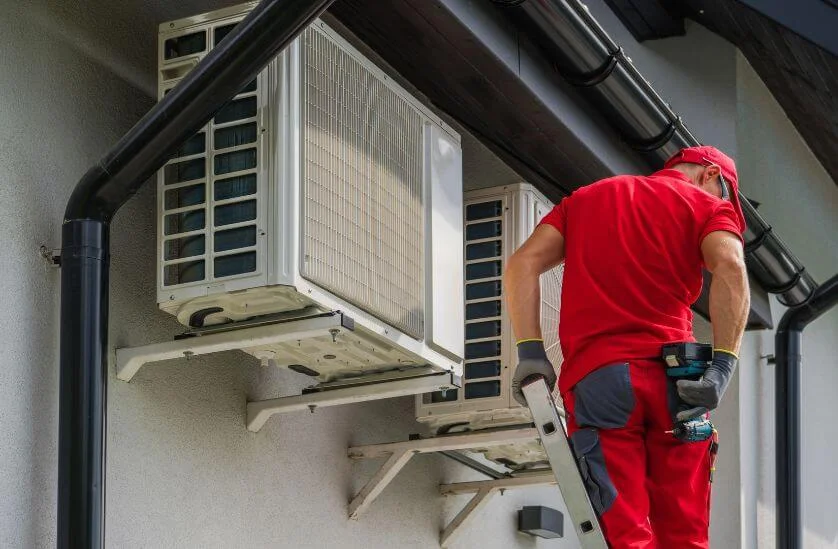
When a cooling or heating system malfunctions, the primary goal is restoring the interior climate to a safe and comfortable level. Homeowners in the region often face sudden breakdowns due to the heavy workload placed on units by high humidity and year-round usage. Accu-Temp Heating and Air Conditioning provides comprehensive diagnostic and repair services designed to address these urgent needs efficiently.
Emergency Repair Protocols
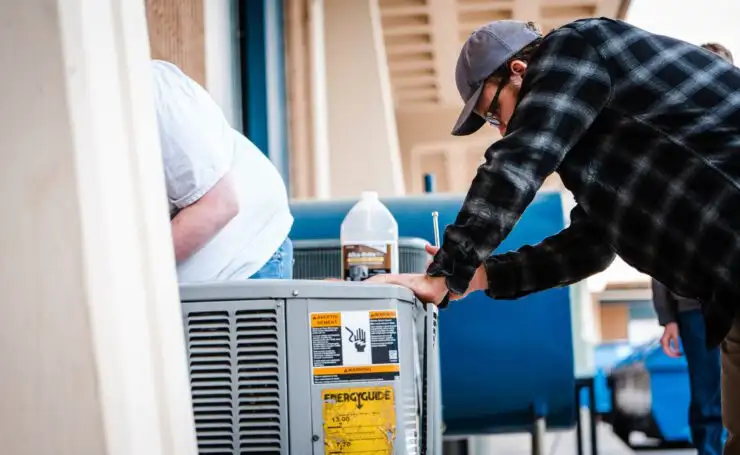
Technicians arrive equipped to handle a wide variety of mechanical failures on the first visit. The focus remains on accurate troubleshooting to identify whether the issue stems from electrical faults, refrigerant leaks, or mechanical wear.
- Compressor Diagnostics: The compressor is the heart of the system. Technicians test amperage and pressure levels to determine if the component can be repaired or requires replacement.
- Refrigerant Leak Detection: Low refrigerant levels indicate a leak. Specialized tools locate the breach in the coils or line set, allowing for sealing and recharging to manufacturer specifications.
- Electrical Component Replacement: Failed capacitors, contactors, and blown fuses are common culprits for sudden shutdowns. These components are stocked on service vehicles to ensure immediate resolution.
- Airflow Obstruction Removal: Frozen evaporator coils often result from poor airflow. technicians inspect filters, blowers, and ductwork to restore proper circulation.
Routine Maintenance and Tune-Ups
Preventative care extends the lifespan of the equipment and maintains energy efficiency. In a coastal environment, maintenance involves more than just changing a filter.
- Coil Cleaning: Condenser coils are chemically cleaned to remove dirt, debris, and salt buildup that inhibits heat transfer.
- Drain Line Flushing: Algae and mold frequently clog condensate drain lines in humid climates. Pressurized clearing prevents water damage and system shut-offs.
- Moving Parts Lubrication: Motors and fans are lubricated to reduce friction and electrical strain.
- Thermostat Calibration: Ensuring the thermostat reads temperature accurately prevents the system from overworking.
Understanding the HVAC Installation Process
Replacing a heating and cooling system is a significant construction project that requires strict adherence to industry standards and building codes. A proper installation dictates the efficiency, longevity, and noise levels of the new unit. The process is methodical, ensuring that the new equipment integrates seamlessly with the home's existing infrastructure:
Load Calculation and Sizing
Before any equipment is selected, a Manual J load calculation is performed. This calculation determines the exact heating and cooling requirements of the specific property in Palm Coast.
- Square Footage and Layout: The size and orientation of rooms influence airflow requirements.
- Insulation and Windows: The quality of insulation and the type of windows (single vs. double pane) affect how much heat enters or escapes the home.
- Occupancy and Heat Loads: The number of occupants and heat-generating appliances are factored into the equation.
- Ductwork Analysis: Existing ductwork is inspected to ensure it can handle the airflow of modern, high-efficiency systems.
Removal and Site Preparation
The removal of the old unit is handled with care to protect the property and the environment.
- Refrigerant Recovery: Old refrigerant is captured using recovery machines to prevent atmospheric venting, in compliance with EPA regulations.
- Debris Removal: The old unit, concrete pad (if damaged), and packaging materials are removed from the site.
- Pad Stabilization: For outdoor units, the ground is leveled, and a new hurricane-rated pad is installed if necessary to prevent settling.
System Installation and Connection
The physical installation involves connecting the indoor air handler and the outdoor condenser unit.
- Line Set Brazing: Copper refrigerant lines are brazed using nitrogen purging to prevent oxidation inside the pipes, which protects the compressor.
- Electrical Safety: High-voltage wiring is connected with appropriate disconnect boxes and surge protection to safeguard against power fluctuations.
- Condensate Management: Drain pans and float switches are installed to prevent water overflow, a critical safety feature in attic or closet installations.
- Duct Sealing: Connections between the unit and the main supply/return plenums are sealed with mastic to prevent air leakage.
Commissioning and Testing
The installation is not complete until the system is commissioned. This involves a startup procedure to verify performance.
- Pressure Testing: The system is pressurized with nitrogen to verify there are no leaks in the brazed joints.
- Vacuum Evacuation: A deep vacuum is pulled to remove moisture and non-condensables from the lines before releasing refrigerant.
- Static Pressure Check: Air pressure is measured to ensure the blower motor is moving the correct volume of air without excessive strain.
- Temperature Split Verification: The temperature difference between the supply and return air is measured to confirm the unit is cooling or heating within design parameters.
Deciding Between HVAC Repair or Replacement
Homeowners often face the difficult choice of sinking money into an aging unit or investing in a new system. This decision relies on a cost-benefit analysis involving the age of the unit, the cost of the repair, and future energy savings:
The 50% Rule
A common industry standard for decision-making is the 50% rule. If the cost of the repair approaches 50% of the value of a new system, replacement is generally the more financially sound option.
- Major Component Failure: If a compressor or heat pump fails on a unit out of warranty, the repair cost is significant.
- Recurring Issues: Multiple smaller repairs in a short timeframe indicate the system is reaching the end of its useful life.
Age and Efficiency
In Florida, the average lifespan of an HVAC system is often shorter than the national average due to intense usage and salt air corrosion.
- 10-15 Year Threshold: Systems approaching or exceeding 10 to 15 years of age are statistically likely to suffer major failures.
- SEER2 Ratings: Older units often have low SEER (Seasonal Energy Efficiency Ratio) ratings. Upgrading to a modern SEER2-compliant unit can result in substantial reductions in monthly utility bills.
- Refrigerant Type: Older systems utilizing R-22 refrigerant are expensive to repair due to the phase-out of this chemical. Upgrading to a system using R-410A or newer refrigerants resolves availability issues.
Comfort and Air Quality
Beyond mechanical operation, the performance of the system impacts daily living.
- Humidity Control: Aging units often lose the ability to effectively dehumidify the air, leading to a clammy indoor environment.
- Noise Levels: Worn-out bearings and compressors operate loudly. New variable-speed systems operate much quieter.
- Air Quality: Newer systems can be equipped with advanced filtration and UV light options that older air handlers may not accommodate.
Navigating Palm Coast HVAC Permits and Seasonal Tips
Operating in this specific region requires knowledge of local building codes and environmental challenges. Accu-Temp Heating and Air Conditioning ensures all work complies with local regulations while preparing homes for the specific climate conditions found here:
Permitting and Compliance
HVAC replacements and significant repairs often require permits to ensure the work meets safety standards.
- Code Compliance: Local codes dictate specific requirements for electrical connections, breaker sizing, and structural support.
- Third-Party Inspections: Permitted work is subject to inspection by city officials, providing an extra layer of quality assurance for the homeowner.
- Insurance Requirements: Unpermitted work can void homeowner insurance policies in the event of a fire or water damage claim.
- Resale Value: Documented, permitted upgrades add value to the home and prevent hurdles during future real estate transactions.
Hurricane Season Preparation
The Atlantic hurricane season poses unique risks to outdoor HVAC equipment.
- Tie-Downs: Outdoor condenser units must be securely anchored to the concrete pad with hurricane straps or clips to prevent tipping during high winds.
- Debris Protection: Homeowners should clear the area around the unit of loose items that could become projectiles.
- Surge Protection: Lightning strikes and power surges are common during storms. Whole-home or unit-specific surge protectors defend sensitive electronic control boards.
Combating Salt Air Corrosion
Proximity to the ocean introduces salt spray, which accelerates corrosion on aluminum coils and steel cabinets.
- Coastal Coatings: Special coatings can be applied to coils to create a barrier against salt, significantly extending the life of the unit.
- Regular Rinsing: Homeowners are advised to gently rinse the outdoor unit with fresh water periodically to remove salt deposits.
- Inspect for Rust: Technicians specifically look for signs of structural integrity loss in the base pan and fan guard due to rust.
Why Choose Us: Licenses, Reviews, and More
Selecting a contractor involves verifying credentials and ensuring the company stands behind its work. The market contains many operators, but certified professionals offer distinct advantages regarding liability and workmanship:
Licensing and Insurance
Hiring a state-licensed contractor protects the homeowner from liability and poor workmanship.
- State Certification: Active state licensing proves the contractor has met rigorous testing and experience requirements.
- Liability Insurance: Adequate insurance coverage ensures that any damage to the property during the project is covered.
- Workers' Compensation: This protects the homeowner from lawsuits if a technician is injured while working on the property.
Technical Expertise and Training
Equipment technology evolves rapidly. Continuous training ensures technicians are proficient with the latest systems.
- Inverter Technology: Expertise in variable-speed compressors that adjust output to match cooling demand.
- Smart Controls: Proficiency in installing and programming Wi-Fi-enabled thermostats and zoning systems.
- Brand Authorization: Authorized dealers have direct access to manufacturer support and warranty processing.
Warranty and Guarantees
A trustworthy contractor provides clear terms regarding warranties on both parts and labor.
- Manufacturer Warranties: Registration of the equipment ensures the full term of the manufacturer's parts warranty is active.
- Labor Guarantees: Service providers should offer a guarantee on the workmanship, covering any issues related to the installation itself.
- Transparent Pricing: detailed quotes provide a clear understanding of the scope of work without hidden fees.
If your HVAC system is underperforming or you are considering an upgrade to improve energy efficiency, professional assistance is available. Do not let the heat compromise your indoor environment.
Your Path to Reliable Cooling Starts Here
When Florida’s heat pushes your HVAC system to its limits, you deserve fast, dependable solutions that restore comfort without guesswork or hassle. Whether your unit is failing, inefficient, or ready for an upgrade, Accu-Temp Heating and Air Conditioning is here to deliver expert guidance and proven results tailored to your home’s unique needs.
Secure your comfort today by scheduling a professional consultation or service visit.
Contact Us
Why Choose One Company for Everything?

Simplicity

Expertise

Savings
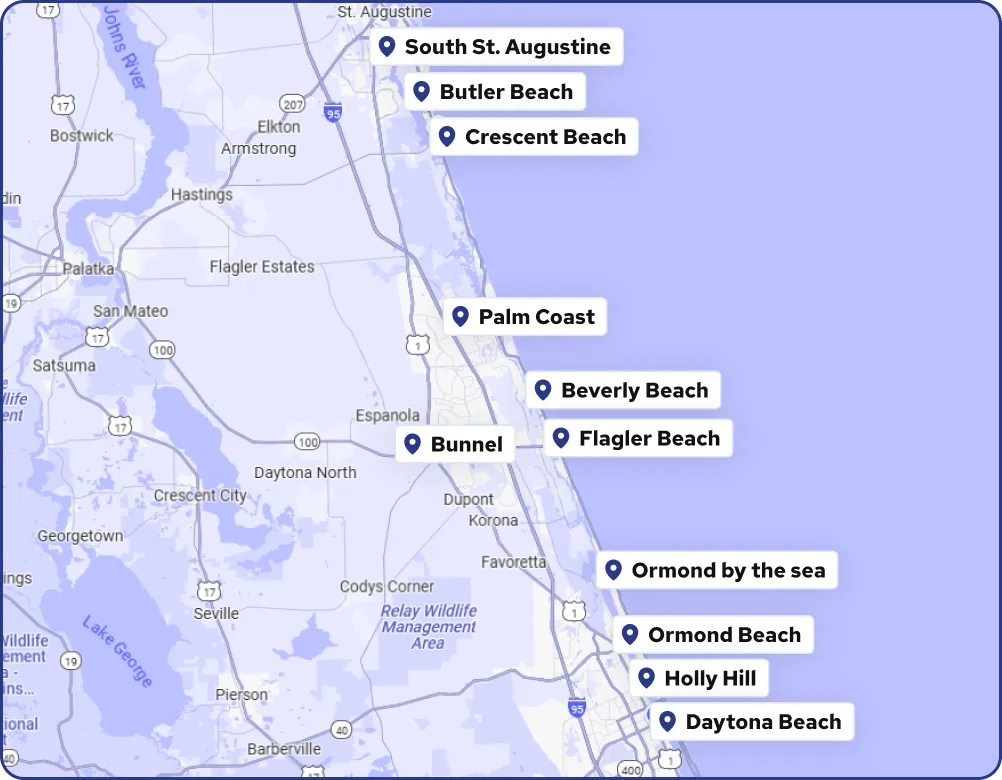
Service Areas