


Is Your Cooling System Failing When You Need It Most?
Is your air conditioner quitting on the most sweltering days of summer? Don't sweat it—speedy, reliable solutions are just a call away. In the intense humidity of Flagler Beach, a functioning HVAC system isn't a luxury; it is a necessity for health and home preservation. Contact Accu-Temp Heating and Air Conditioning today to secure your new installation or learn about our flexible financing options.
Homeowners facing critical system failures need more than a quick patch; they need a permanent solution that restores comfort immediately. Whether your unit has completely shut down or is struggling to keep up with the heat index, professional replacement addresses the root cause of the discomfort. We prioritize getting your home cool again without unnecessary delays or sales pressure.
- Get immediate installation or replacement availability to restore comfort quickly.
- Benefit from high-efficiency systems that significantly reduce your monthly utility bills.
- Enjoy peace of mind with extensive manufacturer warranties and flexible financing options.
All installations comply with local building regulations and come with robust warranties and support.
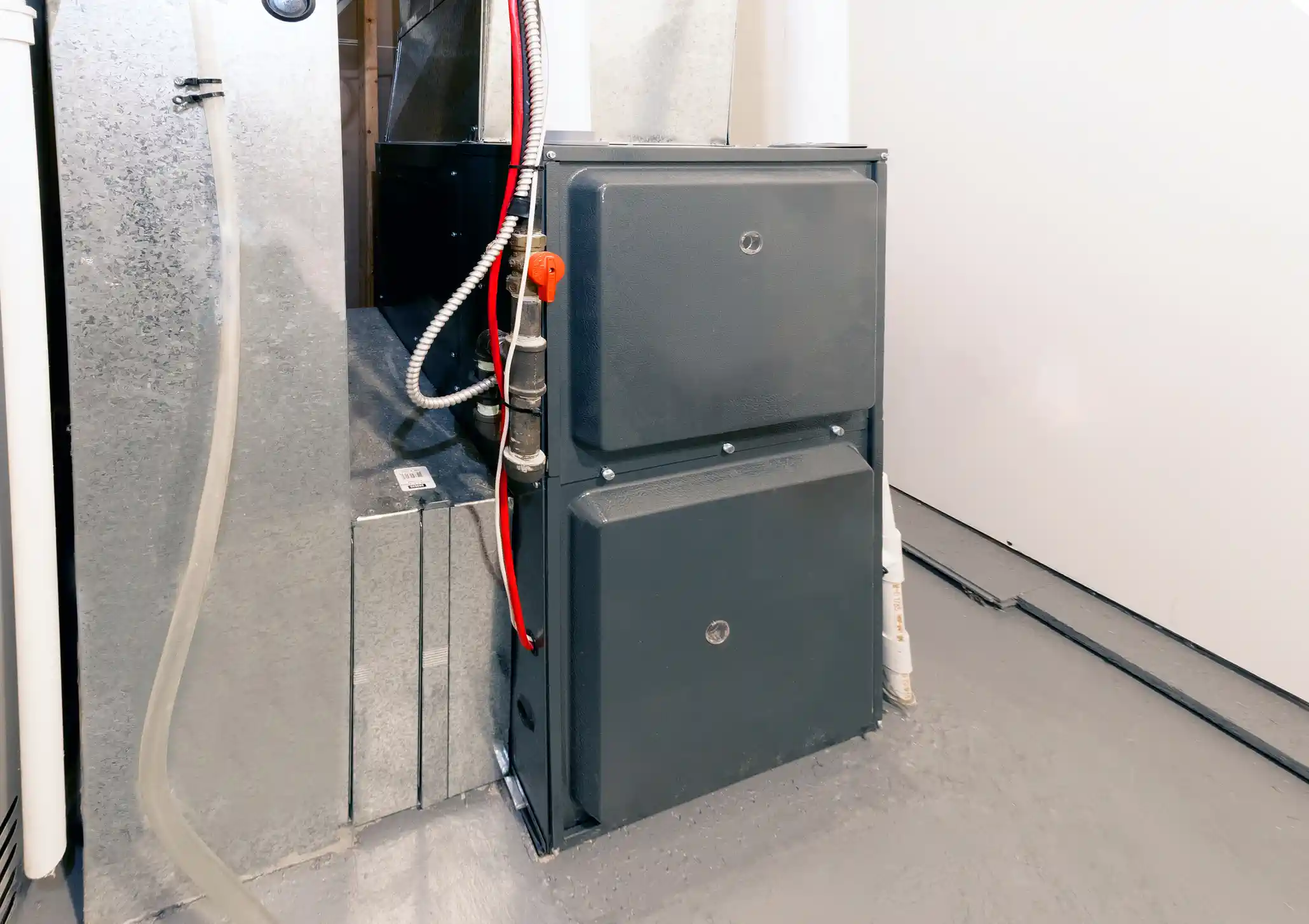
Comprehensive HVAC Installation Standards
Upgrading your heating and cooling system involves more than swapping one metal box for another. Modern HVAC technology has evolved, offering sophisticated solutions that manage temperature, humidity, and air quality simultaneously. When you invest in a new installation, you are purchasing a system design tailored to the specific thermal envelope of your home.
The scope of a professional installation covers every component required for optimal performance. This includes a full assessment of your current infrastructure to ensure compatibility with modern, high-efficiency units. Older homes often have ductwork or electrical connections that cannot support the airflow or amperage requirements of newer SEER2-compliant models. A proper replacement service identifies these bottlenecks immediately, ensuring that the new unit operates at its rated efficiency from day one.
Timeline transparency is critical during a replacement project. Most standard residential installations are completed within a single day. However, complex projects involving ductwork modification or zoning systems may extend the timeline slightly. You will receive a clear schedule outlining arrival times, the duration of the work, and the expected time for system startup.
What is included in a complete installation:
- Load Calculation: A precise Manual J calculation determines the exact tonnage required for your square footage and insulation levels, preventing the issues associated with oversized or undersized units.
- System Selection: Guidance on choosing between heat pumps, straight cool systems with electric heat strips, or gas furnace combinations based on your energy preferences.
- Site Preparation: Protection of flooring and surrounding areas, removal of the old unit, and disposal of all debris and hazardous refrigerants according to EPA guidelines.
- Component Integration: Installation of the condenser, air handler, new thermostat, and necessary transitions to the existing plenum.
- Performance Testing: Rigorous static pressure testing and refrigerant charge adjustments to verify the system meets manufacturer specifications.
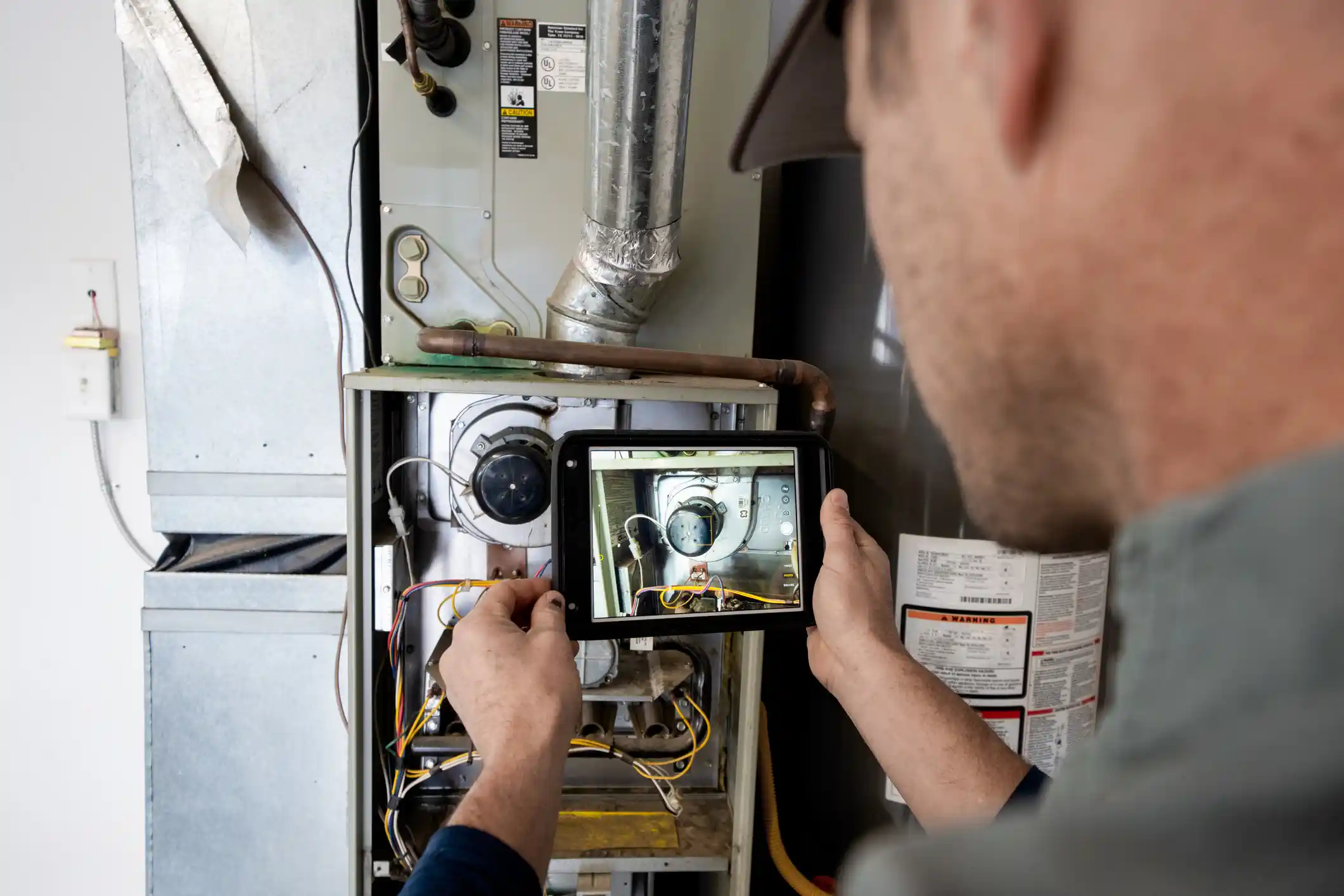
The Installation and Replacement Process
Understanding the sequence of events removes the stress from installation day. We utilize a systematic approach to ensure safety, efficiency, and respect for your property. Every step is executed by trained technicians who adhere to strict quality control standards.
- First, the technical team arrives to perform a final site walkthrough. This confirms the location of the indoor and outdoor units and establishes a clear path for moving equipment in and out of the home. Technicians lay down drop cloths and protective coverings to safeguard your floors and furniture from dust or debris.
- Next, the existing power is disconnected for safety, and the refrigerant is recovered from the old unit. This is a critical environmental step required by law. Once the system is empty, the old equipment is disconnected from the electrical supply, drain lines, and ductwork, then carefully removed from the property.
- Then, the installation team prepares the designated area for the new equipment. This often involves leveling the ground pad for the outdoor condenser to ensure proper drainage and vibration isolation. Inside, the plenum may be modified to ensure an airtight seal with the new air handler, eliminating air leaks that destroy efficiency.
- Following preparation, the new units are set in place. Technicians braze the refrigerant lines using nitrogen to prevent oxidation inside the copper, a vital step for the longevity of the compressor. Electrical connections are re-established, and a new condensate drain system is installed, often including safety float switches to prevent future water damage.
- Finally, the system is energized and tested. Technicians do not simply turn it on and leave; they measure airflow, check the temperature split between supply and return air, and calibrate the thermostat. You receive a full walkthrough of the new system’s operation, including how to change filters and program your thermostat for maximum savings.
When Replacement Beats Repair
Deciding between another repair bill and a full system replacement is a common financial dilemma. While repairs can extend the life of a unit, there is a tipping point where sinking money into an aging system becomes economically unwise. In the HVAC industry, specific metrics help homeowners make this decision objectively, removing emotion from the equation.
The "5,000 Rule" is a widely used benchmark. Multiply the age of your equipment by the estimated cost of the repair. If the total exceeds $5,000, replacement is generally the smarter financial move. For example, if you have a 12-year-old system requiring a $500 repair (12 x 500 = 6,000), the logic suggests replacement. This is because the likelihood of a secondary major failure increases exponentially after the ten-year mark.
Efficiency is another major factor. Systems manufactured over a decade ago likely have SEER ratings of 10 or 12. Modern standards require higher efficiency, often starting at SEER2 14.3 or higher for our region. The energy savings alone can often offset a significant portion of the monthly payment for a new system. If your energy bills have been creeping up despite consistent usage, your current unit is likely losing compression or suffering from failing coils.
Critical indicators that signal replacement is necessary:
- R-22 Refrigerant: If your system utilizes the phased-out R-22 (Freon) refrigerant, repair costs for leaks are exorbitant. Upgrading eliminates reliance on obsolete chemicals.
- Compressor Failure: As the heart of the system, a blown compressor is the most expensive repair. On an out-of-warranty unit, this almost always justifies a full replacement.
- Heat Exchanger Cracks: For systems with gas heating, a cracked heat exchanger poses a carbon monoxide risk. This is an immediate safety hazard requiring system replacement.
- Humidity Issues: An aging unit loses its ability to dehumidify effective. If your home feels clammy or you notice mold growth near vents, the system is no longer performing its primary job.
Local Considerations and Climate Factors
Operating an HVAC system in Flagler Beach presents unique challenges compared to inland locations. The coastal environment impacts how systems must be selected, installed, and maintained. The proximity to the ocean introduces salt spray into the air, which is highly corrosive to standard aluminum and copper coils.
When selecting a unit for this area, corrosion resistance is paramount. We recommend equipment designed with coastal environments in mind, often featuring all-aluminum coils or special protective coatings that resist oxidation. Ignoring this factor can lead to rapid deterioration of the outdoor condenser, leading to refrigerant leaks and premature failure within just a few years.
Hurricanes and tropical storms are also a reality in this region. Local building codes mandate strict tie-down requirements for outdoor units. Your installation must include hurricane straps or specific mounting brackets anchored into the concrete pad to prevent the unit from tipping or becoming a projectile during high-wind events. Compliance with these codes is not optional; it is verified during the municipal inspection process.
Key local factors influencing your installation:
- Permitting: All HVAC replacements require a building permit. A licensed contractor manages the application and inspection process, ensuring the work meets all safety and energy codes.
- SEER2 Standards: Florida falls under the Southeast region for Department of Energy standards, requiring higher minimum efficiency ratings than northern states. Installations must meet these specific SEER2 benchmarks to pass inspection.
- Humidity Control: Given the subtropical climate, variable-speed air handlers are strongly recommended. These units run for longer cycles at lower speeds, removing more moisture from the air than single-stage systems, which is essential for preventing mold and mildew in Florida homes.
Determining the Right System Size
One of the most persistent myths in air conditioning is that "bigger is better." In reality, an oversized unit is detrimental to comfort and equipment longevity. An air conditioner needs to run for a specific duration to effectively remove humidity. If a unit is too large, it cools the air too quickly and shuts off before it has extracted the moisture. This results in "short-cycling," leading to a cold but clammy home and excessive wear on the compressor.
Conversely, an undersized unit will run continuously, never reaching the set temperature on the hottest afternoons. This drives up electricity costs and strains the components. Accu-Temp Heating and Air Conditioning utilizes precise load calculations to find the balance. We analyze factors such as window orientation, insulation quality, ceiling height, and local heat gain to recommend the precise tonnage required for your specific property.
Ductwork and Air Quality Integration
A new AC unit cannot perform efficiently if it is connected to compromised ductwork. Leaky ducts can result in the loss of up to 30% of your conditioned air into the attic or crawlspace. During the replacement process, evaluating the air distribution system is standard procedure. Sealing leaks and ensuring proper insulation on ductwork maximizes the return on investment for the new equipment.
Furthermore, the replacement phase is the ideal time to integrate indoor air quality (IAQ) solutions. Filtration systems, UV lights, and dehumidifiers can be installed seamlessly alongside the new air handler. These additions are particularly beneficial for households with allergy sufferers or for combatting the biological growth common in humid climates.
Securing Your Investment
Choosing the right partner for your HVAC replacement ensures that your warranty remains valid and your system performs as promised. Manufacturers have strict installation guidelines, and failure to follow them can void parts warranties. Professional installation guarantees that the equipment is registered correctly and that you are covered for the long haul.
We focus on delivering technical excellence and logistical precision. From the initial measurement to the final inspection, the goal is to provide a system that you do not have to think about. It simply works, keeping you cool during the humid summers and comfortable during the mild winters.
Why professional execution matters:
- Code Compliance: Adherence to all local electrical and mechanical codes ensures safety and passes municipal inspections without issue.
- Warranty Registration: Handling of all paperwork to ensure manufacturer warranties are active and applicable.
- Property Respect: Technicians use shoe covers and drop cloths, leaving your home as clean as they found it.
- Post-Install Support: Availability for questions, maintenance, and service ensuring the system remains in peak condition.
Don't let a failing system compromise your comfort or safety. The heat and humidity in Flagler Beach require a robust, correctly installed cooling solution. Call Accu-Temp Heating and Air Conditioning now to schedule your comprehensive evaluation and take the first step toward a cooler, more comfortable home.
System Upgrades That Match Property-Specific Demands
Proper sizing, configuration, and commissioning are non-negotiable when planning HVAC installation and replacement in Flagler Beach, FL. At Accu-Temp Heating and Air Conditioning, we deliver engineered installations based on Manual J calculations, not guesswork. We align your new system with layout requirements, ductwork integrity, and electrical capacity to deliver long-term efficiency—not short-term fixes.
Start Your HVAC Installation With Performance-Built Strategy
Contact Us
Why Choose One Company for Everything?

Simplicity

Expertise

Savings
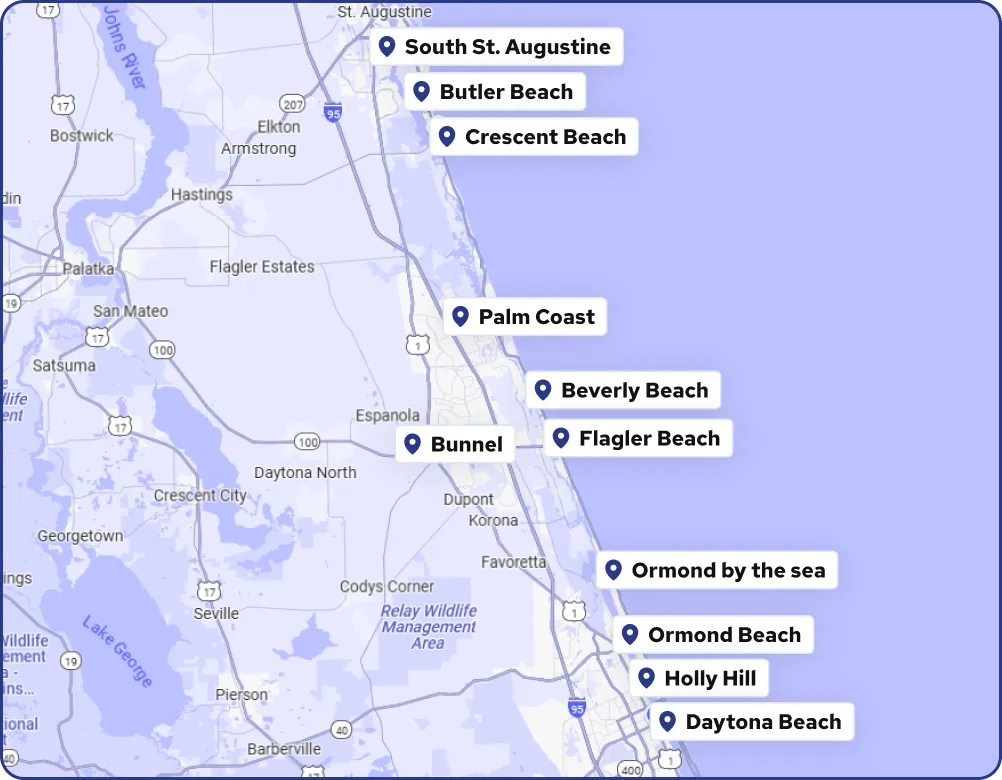
Service Areas