


Facing HVAC Failures? Get Reliable Installation and Replacement Today
Does your AC struggle to cool your home during Ormond’s steamy summer months despite constant thermostat adjustments? When your cooling system fails to keep up with the heat and humidity common in Ormond by the Sea, you need immediate intervention from certified experts to restore safety and comfort to your home. Contact us today to schedule your onsite estimate or replacement consultation.
Accu-Temp Heating and Air Conditioning specializes in mitigating downtime through efficient, high-quality HVAC installations and replacements. We understand that a broken air conditioner in Florida is not just an inconvenience; it is an emergency that threatens your indoor air quality and comfort.
- Ensure comfortable temperatures year-round with our expert installations designed for coastal climates.
- Benefit from fast, same-day service availability to mitigate any interruptions in your cooling.
- Take advantage of flexible financing options to ease your investment into a new, energy-efficient system.
Our services are fully licensed, and we offer extensive warranties and convenient financing options to ensure your new system is accessible and protected.
What You Get With Professional HVAC Installation
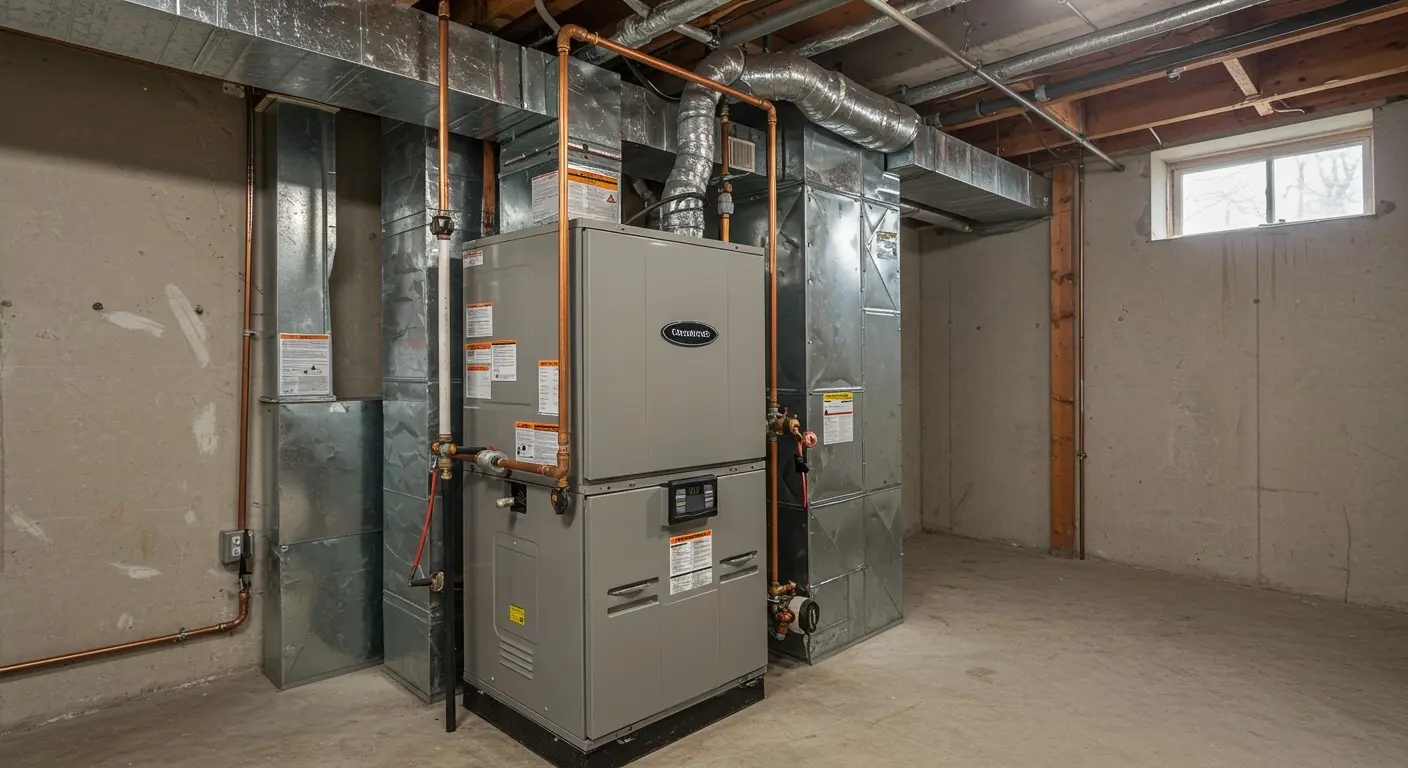
Choosing to replace your heating and cooling system is a significant investment in your property. You require a solution that goes beyond dropping a new unit on a concrete pad. Our service provides a comprehensive approach to home comfort, addressing the specific load requirements of your property and the environmental challenges of the local area.
When you secure a replacement service, you receive a full-service turnkey solution. This begins with the safe removal and disposal of your old equipment. Technicians handle the reclamation of old refrigerant according to EPA standards, ensuring no environmental hazards are left behind. We manage the logistics of hauling away the scrap metal and debris, leaving your yard or utility closet clean.
The installation of the new unit includes all necessary transitions to your existing ductwork and electrical systems. We verify that the electrical disconnect box and wiring gauge match the amperage requirements of the new, more efficient system. If your existing thermostat is incompatible with modern communication technologies found in high-efficiency units, we provide and install the necessary controls to give you full command over your indoor climate.
Furthermore, we focus on airflow optimization. A new unit cannot function correctly if the lungs of your home—the ductwork—are restricted. We inspect the immediate plenum connections to ensure the static pressure is within the manufacturer's specifications. This guarantees that your new system delivers the promised SEER (Seasonal Energy Efficiency Ratio) ratings and lifespan.
How the Installation and Replacement Process Works
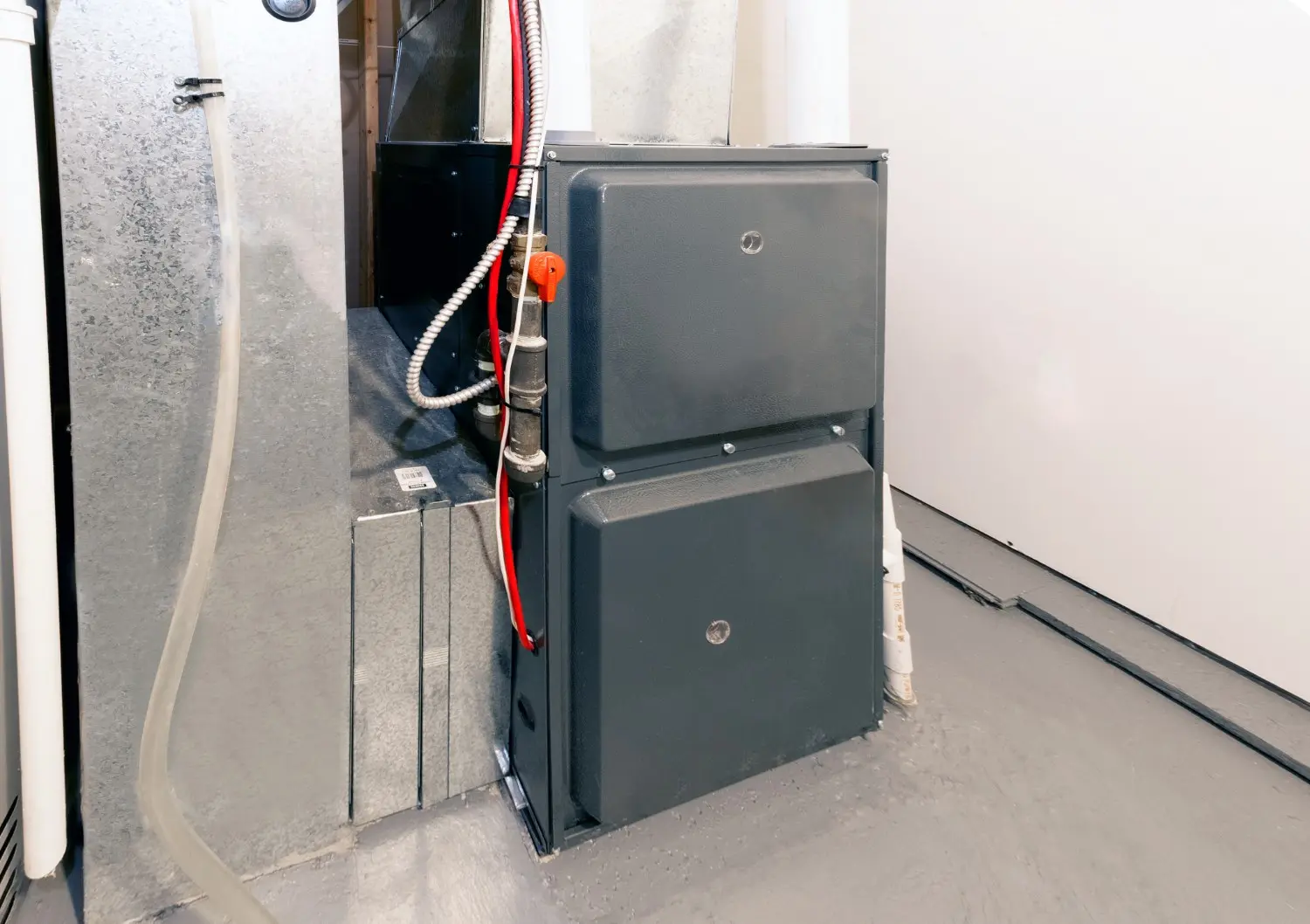
We follow a strict, standardized protocol for every installation to ensure consistency and quality. This process is designed to minimize disruption to your daily life while maximizing the performance of your new equipment.
- Load Calculation and Sizing: The process starts with a Manual J load calculation. We measure your home’s square footage, insulation levels, window orientation, and local climate data. This data determines the exact BTU capacity required. An undersized unit will run constantly, while an oversized unit will short-cycle and fail to remove humidity. We ensure the sizing is mathematically correct for your specific floor plan.
- Site Preparation and Protection: Technicians arrive with drop cloths and protective gear to safeguard your flooring and property. We clear the workspace around the indoor air handler and the outdoor condenser. Power is shut off at the breaker panel to ensure safety during the electrical disconnect.
- System Removal: We disconnect the refrigerant lines and electrical whips. The old condenser and air handler (or furnace) are carefully removed. We inspect the existing copper line set to see if it can be flushed and reused or if a new line set is required to handle the pressures of modern refrigerants like R-410A or R-454B.
- Equipment Installation: The new indoor unit is leveled and secured. We connect the drain pan and emergency shut-off switches to prevent future water damage. The outdoor unit is placed on a composite pad that dampens vibration and elevates the unit above potential standing water levels.
- Refrigerant Line Connection: We braze the copper lines using a nitrogen purge. This critical step prevents oxidation inside the pipes, which can clog the sensitive valves of the new compressor. Once brazed, we pressure test the lines with nitrogen to guarantee there are no leaks before charging the system with refrigerant.
- Final Commissioning: The system is powered on and tested. We measure voltage, amperage, and temperature splits (the difference between air entering and leaving the system). We also verify that the thermostat cycles the unit correctly. Only after the system passes this multi-point inspection is the job considered complete.
When Replacement Beats Repair
Homeowners often struggle with the decision to repair an aging unit or invest in a replacement. While a quick fix might seem cheaper upfront, it often leads to higher cumulative costs over time. There are specific thresholds where replacement becomes the only logical financial decision.
- The 50% Rule: If the cost of the repair approaches or exceeds 50% of the value of a new system, replacement is the smarter choice. Spending thousands on a compressor for a 12-year-old unit is rarely a good return on investment, as other components will likely fail soon.
- Frequency of Breakdowns: If you have called for repairs more than twice in the last year, your system has become a money pit. Constant "band-aid" fixes add up quickly. A new system eliminates these surprise expenses and provides peace of mind through manufacturer warranties that cover parts for up to 10 years.
- Rising Energy Bills: HVAC technology has advanced rapidly in the last decade. A system installed 15 years ago likely has a SEER rating of 10 or 12. Modern systems start at SEER2 14.3 and go up to 25+. Replacing an old unit can drop your cooling energy usage by 30% to 50%, essentially paying for a portion of the monthly financing cost through utility savings.
- Humidity Control Issues: In Florida, humidity control is just as important as temperature control. As units age, their ability to extract moisture from the air diminishes. If your home feels clammy or you notice mold growth near vents despite the AC running, the compressor is no longer operating efficiently. New variable-speed systems are superior at dehumidification.
- R-22 Freon Phase-out: If your current unit utilizes R-22 (Freon), it is obsolete. The production of R-22 has been banned in the United States. If an R-22 system develops a leak, the cost to recharge it is astronomical, if the refrigerant can be found at all. Replacing the unit is the only viable long-term solution.
Local Factors: Installation in Coastal Florida
Operating an HVAC system in Ormond by the Sea presents unique challenges that inland locations do not face. The proximity to the ocean introduces salt spray into the air, which is highly corrosive to aluminum and copper. Standard units can corrode within a few years if not properly protected.
- Coastal Corrosion Protection: We recommend systems specifically designed for coastal environments or applying aftermarket protective coatings to the condenser coils. This acts as a barrier against salt air, significantly extending the life of the outdoor unit. Without this, fins can disintegrate, leading to catastrophic system failure.
- Hurricane Preparedness: Local building codes require strict adherence to wind-load standards. During installation, the outdoor condenser must be anchored to the concrete pad using code-compliant hurricane straps or tie-downs. This prevents the unit from becoming a projectile during high-wind events, which are a reality from June through November.
- Permitting and Inspections: Installation of a new central air system requires a building permit. We handle the administrative burden of pulling the permit and scheduling the required county or city inspection. This ensures your installation meets all safety codes regarding electrical connections and structural integrity. An unpermitted installation can cause issues if you ever decide to sell your home.
- Utility Rebates: Local utility providers often offer rebates for upgrading to high-efficiency systems. We assist in identifying available rebates from providers like FPL to help offset the initial installation cost. These programs change frequently, and knowing which SEER ratings qualify can save you significant money.
Ensuring Efficiency with Variable Speed Technology
When selecting a replacement system, you have options regarding the technology inside the unit. Understanding the difference between single-stage, two-stage, and variable-speed systems allows you to choose the comfort level that fits your budget.
- Single-Stage Systems: These are the most basic models. The compressor turns on at 100% capacity when the thermostat calls for cooling and turns off when the temperature is reached. While affordable, they can cause temperature swings and are less efficient at removing humidity because they don't run long enough to pull moisture from the air.
- Two-Stage Systems: These units can operate at a lower capacity (usually around 60-70%) for milder days and ramp up to 100% only when necessary. This results in longer run times at lower energy usage, providing better dehumidification and more consistent temperatures.
- Variable-Speed Inverter Systems: These are the gold standard for Florida climates. The compressor can adjust its speed in tiny increments, often running at capacities as low as 25%. This allows the unit to maintain the temperature within a fraction of a degree while using minimal electricity. Because they run almost continuously at very low power, they provide constant dehumidification and air filtration, making them ideal for homes in Ormond by the Sea.
The Importance of Ductwork Integrity
A new HVAC unit is only as good as the ductwork attached to it. If your ducts are leaking, uninsulated, or undersized, you will not get the performance you paid for.
- Duct Inspection: During the replacement process, we inspect the accessible ductwork. We look for disconnected joints, crushed flex ducts, and deteriorated insulation. Leaky ducts can pull in hot, humid attic air, forcing your new AC to work overtime.
- Static Pressure Testing: High static pressure is the silent killer of HVAC motors. If the ducts are too small for the airflow required by the new unit, the blower motor will overheat and fail prematurely. We assess the air distribution system to ensure it can handle the volume of air the new system produces.
- Sealing and Renovation: If minor leaks are detected, we seal them with mastic or foil tape. For major deficiencies, we may recommend modifying the plenum or adding return air drops to improve circulation. Proper airflow balances the temperature between rooms, eliminating hot spots in your home.
Why Professional Installation Matters
The longevity of your HVAC system is determined more by the quality of the installation than the brand of the equipment. A top-tier brand installed poorly will fail sooner than a budget brand installed perfectly. Accu-Temp Heating and Air Conditioning prioritizes technical precision over speed. We do not cut corners on brazing, vacuuming, or electrical safety.
Our technicians are trained on the latest industry standards and manufacturer specifications. We understand the nuances of retrofitting modern equipment into older homes. We ensure that your electrical panel can support the new load and that the condensate drainage system is routed correctly to prevent water damage to your ceilings or floors.
We also focus on the user experience. Once the installation is complete, we walk you through the operation of your new thermostat. We explain the maintenance requirements, such as filter changes and annual tune-ups, to keep your warranty valid. Our goal is to leave you with a system that you understand and can rely on for the next decade.
Secure Your Comfort and Efficiency Now
Delaying the replacement of a failing HVAC system puts your home at risk of mold growth, high energy bills, and sudden total failure during the hottest days of the year. Do not wait until the system quits completely. Proactive replacement allows you to choose the system that best fits your needs rather than being forced into a hasty decision during an emergency.
Our team provides transparent, upfront estimates with no hidden fees. We help you navigate the options, from basic cooling to advanced climate control systems. By upgrading now, you secure lower energy bills and reliable comfort for your family.
Take control of your indoor climate today. Contact us to schedule your comprehensive HVAC installation or replacement consultation.
Contact Us
Why Choose One Company for Everything?

Simplicity

Expertise

Savings
Service Areas