


Is Your Cooling System Failing in the South St. Augustine Heat?
Is your air conditioner failing to keep up with the humidity during the sweltering St. Augustine summers, leaving your home uncomfortable and sticky? When your HVAC system stops working efficiently in this climate, you need rapid, reliable solutions tailored to handle our high temperatures and heavy moisture loads. Contact us today to schedule a comprehensive assessment and discuss your replacement options.
- Receive same-day service availability for critical system failures and replacements.
- Benefit from our extensive warranty provision that protects your investment for years to come.
- Experience efficient, professional installation that adheres to strict manufacturer specifications.
We are fully licensed and compliant with all local Florida building codes, providing robust manufacturer warranties and flexible financing options to fit your budget.
What to Expect From a Professional HVAC Installation
When you invest in a new heating and cooling system, you are purchasing more than just the equipment; you are securing the long-term comfort and air quality of your home. In South St. Augustine, where the climate swings from intense heat and humidity to mild, damp winters, the installation quality dictates the lifespan of the unit. A replacement service involves a complete overhaul of your central climate control system to ensure it meets current Department of Energy standards.
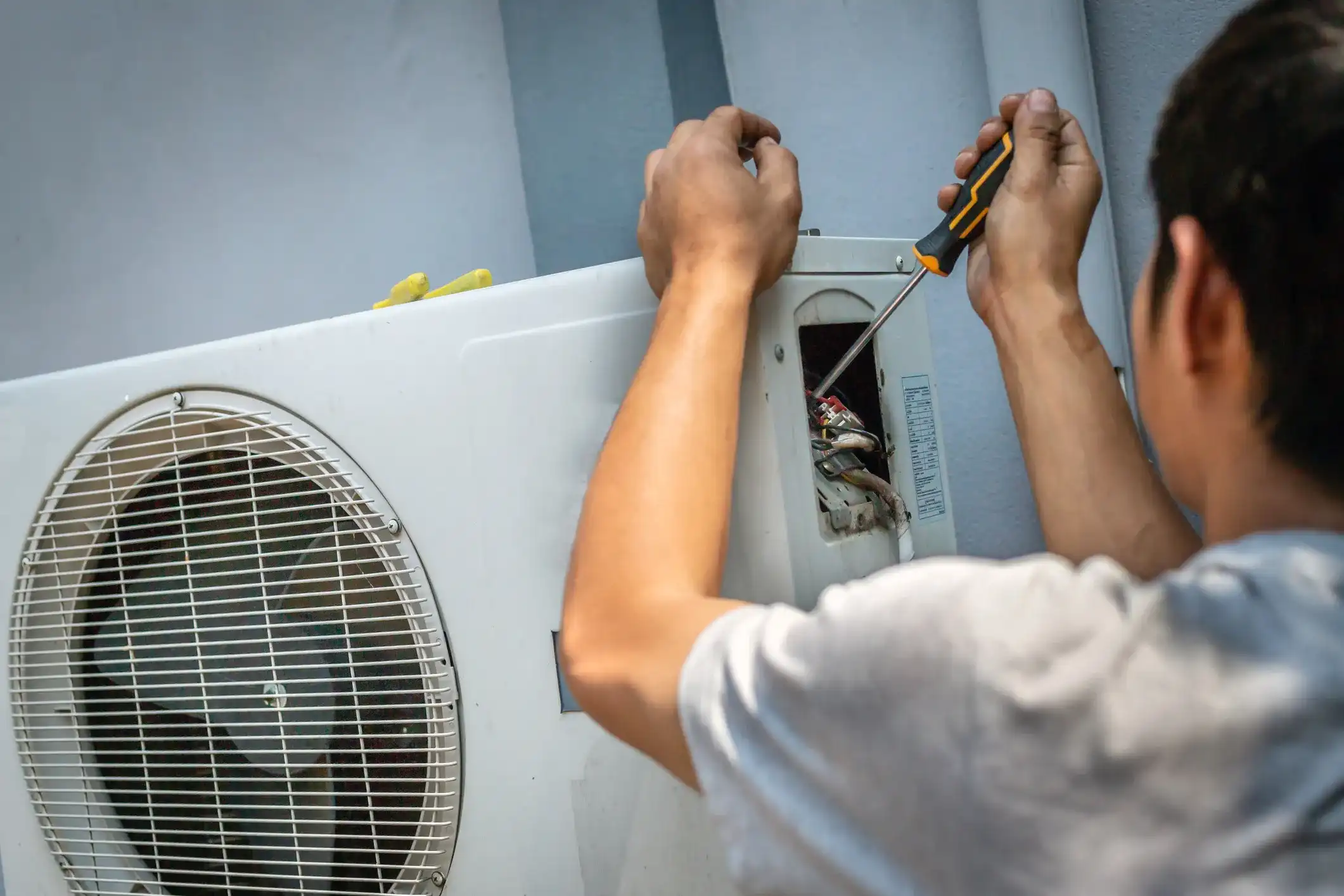
The scope of a full replacement typically includes the removal and environmentally safe disposal of your old unit, including the refrigerant. We then focus on the installation of the new condenser (outdoor unit) and air handler or furnace (indoor unit). This process also covers the connection of high-voltage and low-voltage electrical lines, condensate drain line clearing or replacement, and the installation of a new, programmable or smart thermostat.
The timeline for a standard residential change-out is generally one day. Our teams arrive fully equipped to minimize downtime, ensuring you are not left without climate control overnight. Upon completion, you receive a system that is fully charged, tested for airflow balance, and calibrated to manage the specific humidity levels found in our coastal region.
The Installation Process: From Assessment to Airflow
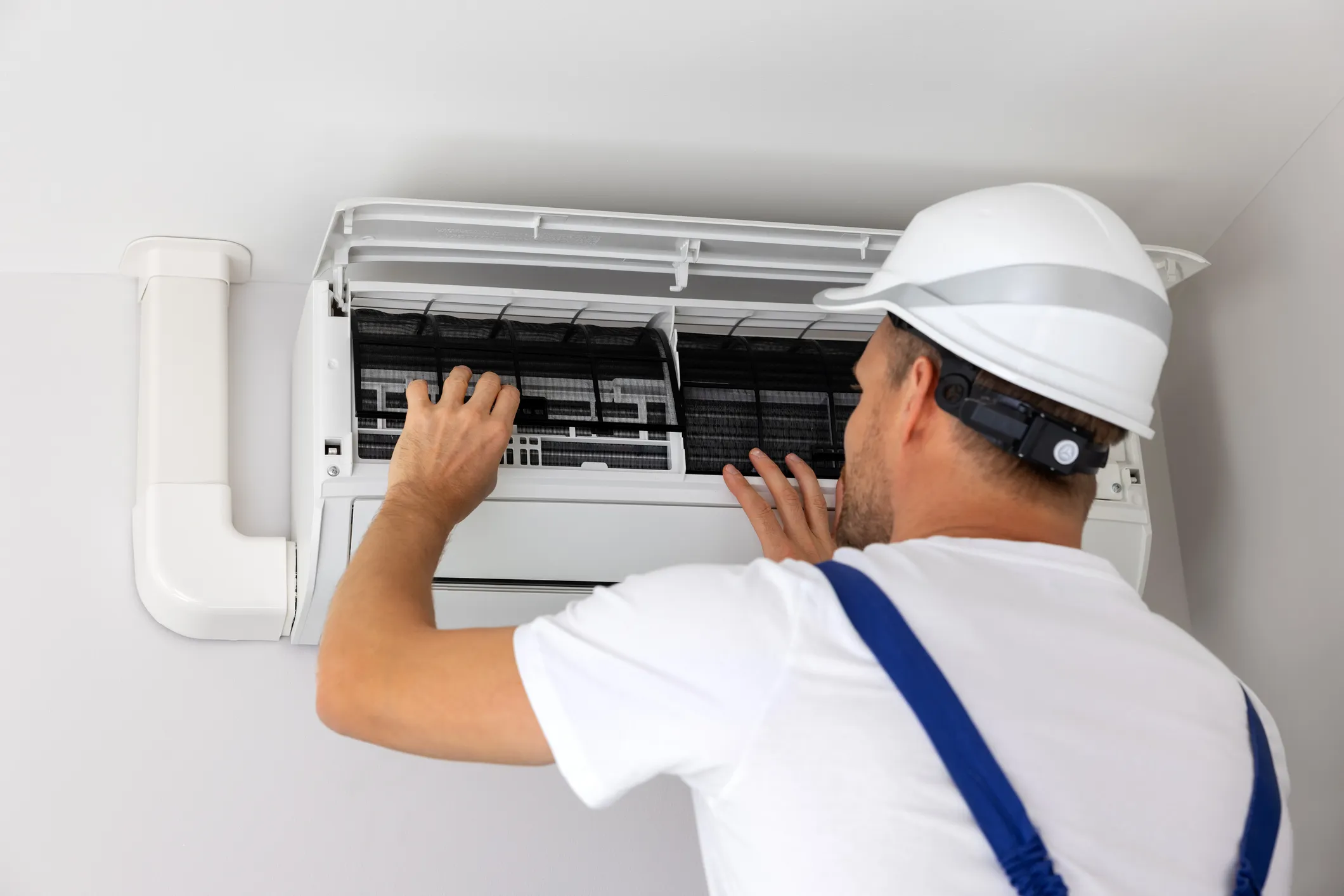
A high-quality installation follows a rigorous procedure designed to maximize efficiency. We do not simply swap boxes; we engineer a solution for your specific home layout.
- Load Calculation and Sizing: The process begins with a Manual J load calculation. This engineering standard calculates the exact amount of heating and cooling energy required for your home. We analyze square footage, insulation levels, window orientation, and even the number of occupants. In Florida, an oversized unit will cool the air too quickly without removing humidity, leading to mold growth and clammy air. An undersized unit will run continuously, driving up electric bills. We ensure the sizing is precise.
- Site Preparation and Protection: Before any work begins, technicians prepare the workspace to protect your property. Drop cloths are laid down, and the path to the equipment is cleared. The power to the existing HVAC system is disconnected at the breaker panel and the disconnect box for safety.
- Safe Removal of Existing Equipment: The old refrigerant is pumped down or recovered into certified cylinders to prevent atmospheric release, adhering to EPA regulations. The old condenser and air handler are disconnected from the ductwork and electrical supplies. We remove the equipment carefully to avoid damaging surrounding landscaping or indoor flooring.
- Equipment Placement and Connection: For the outdoor unit, Accu-Temp Heating and Air Conditioning ensures the placement is on a level, composite hurricane-rated pad that elevates the unit off the ground. This protects it from standing water during heavy Florida rains. Inside, the air handler is positioned to align perfectly with the supply and return plenums. We braze the copper refrigerant lines using nitrogen purging to prevent oxidation inside the pipes, which safeguards the compressor valves.
- Electrical and Drainage Integration: New electrical disconnects and whips are installed if the existing ones show signs of weathering or wear. We install safety float switches in the drain pan and condensate lines. These switches automatically shut off the system if the drain line clogs, preventing water damage to your ceilings or floors—a common issue in humid climates.
- System Commissioning and Testing: Once the physical installation is complete, the system is pressurized with nitrogen to test for leaks. After verifying the system is sealed, we pull a deep vacuum to remove moisture and non-condensables from the lines. The refrigerant is then released, and the system is started. Technicians measure superheat and subcooling levels to fine-tune the charge, ensuring peak performance — join our maintenance plan for continued efficiency.
Deciding Between Repair and Replacement
Homeowners often struggle with the decision to repair an aging unit or invest in a new one. While repairs can solve immediate issues, there is a tipping point where replacement becomes the more financially sound decision.
The 50% Rule
A general guideline used in the industry is the 50% rule. If the cost of the repair approaches 50% of the value of the system, or 50% of the cost of a new unit, replacement is usually the better option. This is particularly true if the system is out of warranty.
Age of the Equipment
In the harsh, salty environment of South St. Augustine, the average lifespan of an air conditioner is often shorter than the national average, typically falling between 10 to 12 years. If your system is over 10 years old and requires a major component replacement—such as a compressor or fan motor—investing that money into a new system with a fresh warranty is often wiser than patching a dying unit.
Refrigerant Type
If your current system utilizes R-22 (Freon), it is obsolete. The production and import of R-22 have been banned, making repairs involving refrigerant recharge exorbitantly expensive. Modern systems use R-410A or newer, more environmentally friendly refrigerants like R-454B or R-32, which are more efficient and readily available.
Frequent Breakdowns and Energy Bills
If you have required multiple service calls in the last 12 months, the system has likely become unreliable. Additionally, as components wear, motors and compressors draw more amperage to do the same amount of work. If you notice a steady climb in your utility bills despite normal usage, the system’s efficiency has degraded significantly.
Humidity and Comfort Issues
An aging unit loses its ability to effectively dehumidify the air. If your home feels muggy even when the thermostat is set to a cool temperature, the compressor may be losing compression, or the coils may be fouled beyond cleaning. New multi-stage or variable-speed systems are specifically designed to run at lower speeds for longer periods, extracting far more moisture from the air than older, single-stage units.
Local Considerations: Permits, Codes, and Coastal Climate
Operating in this region requires specific attention to local regulations and environmental factors. Ignoring these can lead to code violations, premature system failure, or insurance complications.
- Permitting and Inspections: In our service area, HVAC replacements require a building permit. This ensures that the installation meets safety standards regarding electrical connections and structural integrity. A third-party county inspector will review the work to verify compliance. We handle the entire permitting process, from application to scheduling the final inspection, ensuring your installation is fully legal and documented.
- Hurricane Codes and Anchoring: Florida building codes have strict requirements for wind load resistance. Outdoor units must be anchored securely to the concrete or composite pad using specific strapping or bolts. This prevents the unit from becoming a projectile or tipping over during tropical storms and hurricanes. We strictly adhere to these wind-rating requirements to ensure the safety of your home and neighbors.
- Coastal Corrosion Protection: The salt air in South St. Augustine is highly corrosive to aluminum and copper. Standard units can rot out in a matter of years if not properly protected. We recommend and install systems that feature enhanced coil protection or epoxy coatings designed to withstand the marine environment. This extends the life of the condenser and maintains efficiency by preventing the fins from disintegrating.
- SEER2 Regional Standards: The Department of Energy enforces regional efficiency standards. For the Southeast region, the minimum efficiency for new split air conditioners is 14.3 SEER2 (Seasonal Energy Efficiency Ratio). We ensure all installed equipment meets or exceeds these federal mandates, qualifying you for potential energy savings and complying with the law.
Why Professional Sizing and Ductwork Assessment Matter
The most sophisticated equipment will fail if the infrastructure supporting it is compromised. A significant portion of system inefficiency is not due to the unit itself but to the ductwork it is connected to.
- Ductwork Integrity: Leaky ducts can pull in hot, humid air from the attic or crawlspace, putting a massive strain on your new system. During the replacement process, we inspect accessible ductwork for disconnects, tears, or crushed sections. Sealing these leaks is essential to getting the performance you paid for.
- Static Pressure Analysis: Every system is designed to operate against a certain resistance, known as static pressure. If your existing ducts are too small for the airflow of the new modern system, the static pressure will be too high. This causes the blower motor to overwork and fail prematurely. We evaluate the duct system to ensure it can handle the airflow requirements of the new equipment.
- Return Air Pathways: Insufficient return air is a common problem. If the system cannot breathe in, it cannot blow cold air out. We verify that your home has adequate return air grilles and pathways to facilitate proper circulation and temperature balance throughout the house.
Securing Your Home’s Comfort
Replacing your HVAC system is a significant decision that impacts your daily life and financial bottom line. It requires technical precision, knowledge of local climate challenges, and adherence to strict building codes. A properly installed system provides consistent cooling, superior humidity control, and lower energy costs.
By choosing a provider that prioritizes load calculations, permits, and proper commissioning, you eliminate the risks associated with amateur installation. Your home requires a system that can withstand the demands of the Florida coast while providing quiet, efficient performance. Accu-Temp Heating and Air Conditioning delivers the expertise required to ensure your new system operates flawlessly from day one.
Ensure your home remains a cool sanctuary against the heat. Schedule your system evaluation now to secure a reliable, efficient cooling solution for your home.
Contact Us
Why Choose One Company for Everything?

Simplicity

Expertise

Savings
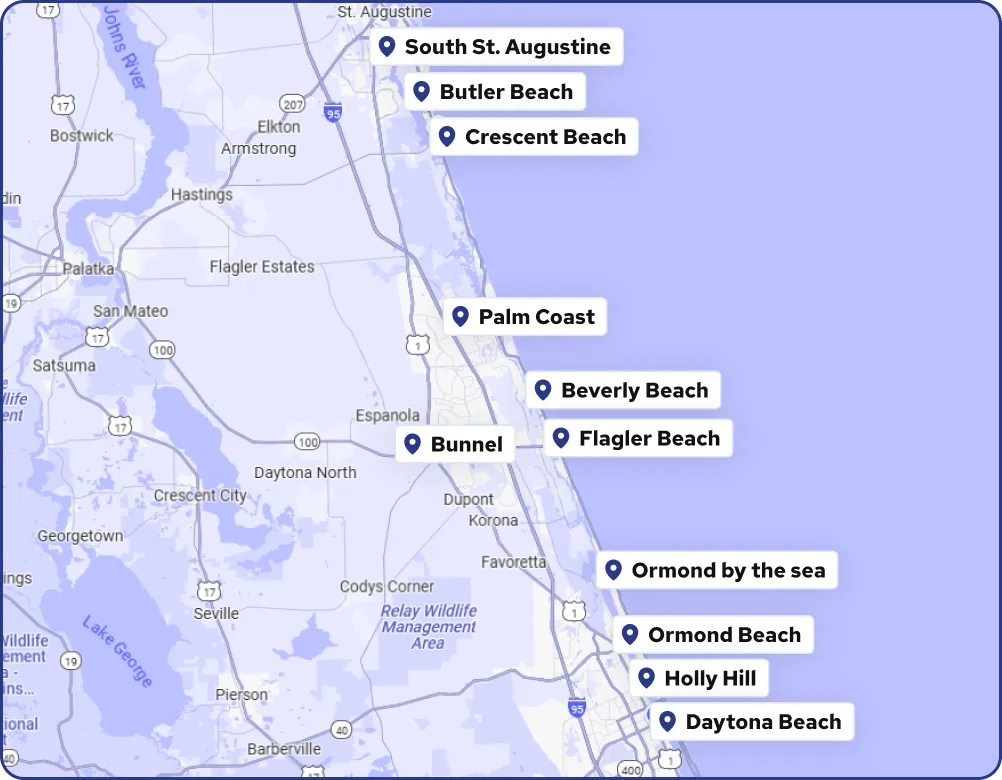
Service Areas