



Is Inconsistent Cooling and High Humidity Compromising Your Home Comfort?
You should not have to battle hot spots or overwhelming moisture inside your home while trying to relax. If your current cooling setup leaves certain rooms unbearable or sends your energy costs skyrocketing, immediate intervention is required to restore balance to your living environment. Contact us now to schedule your service or inquire about our flexible financing options.
Accu-Temp Heating and Air Conditioning specializes in high-efficiency ductless solutions designed to tackle the unique climate challenges found here. We provide swift mini split installation and replacement services that directly address temperature imbalances and efficiency gaps.
- Experience rapid relief with our streamlined installation process that gets your system running in hours, not days.
- Maintain precise temperature control and aggressive humidity removal, regardless of the outdoor weather conditions.
- Reduce your monthly utility expenses by utilizing advanced inverter technology that eliminates energy waste.
All installations are backed by robust warranties and include full permit handling, with flexible financing options available to suit your budget.
What You Can Expect From A Professional Mini Split Installation
Choosing a ductless cooling system is a strategic decision to improve property value and personal comfort. When you move forward with a professional installation today, you are securing a targeted cooling solution that bypasses the energy loss associated with traditional ductwork. The modern mini split system allows for "zoning," meaning you control the climate of individual rooms independently, rather than cooling the entire house based on a single thermostat location.
Upon arrival, the focus shifts immediately to determining the precise thermal load of your space. This is not a guessing game. Technicians calculate the required British Thermal Units (BTUs) based on square footage, ceiling height, insulation quality, and window exposure. In areas like Flagler Beach, where the sun load can be intense, accurate sizing is the difference between a system that cycles efficiently and one that runs constantly without ever reaching the set temperature.
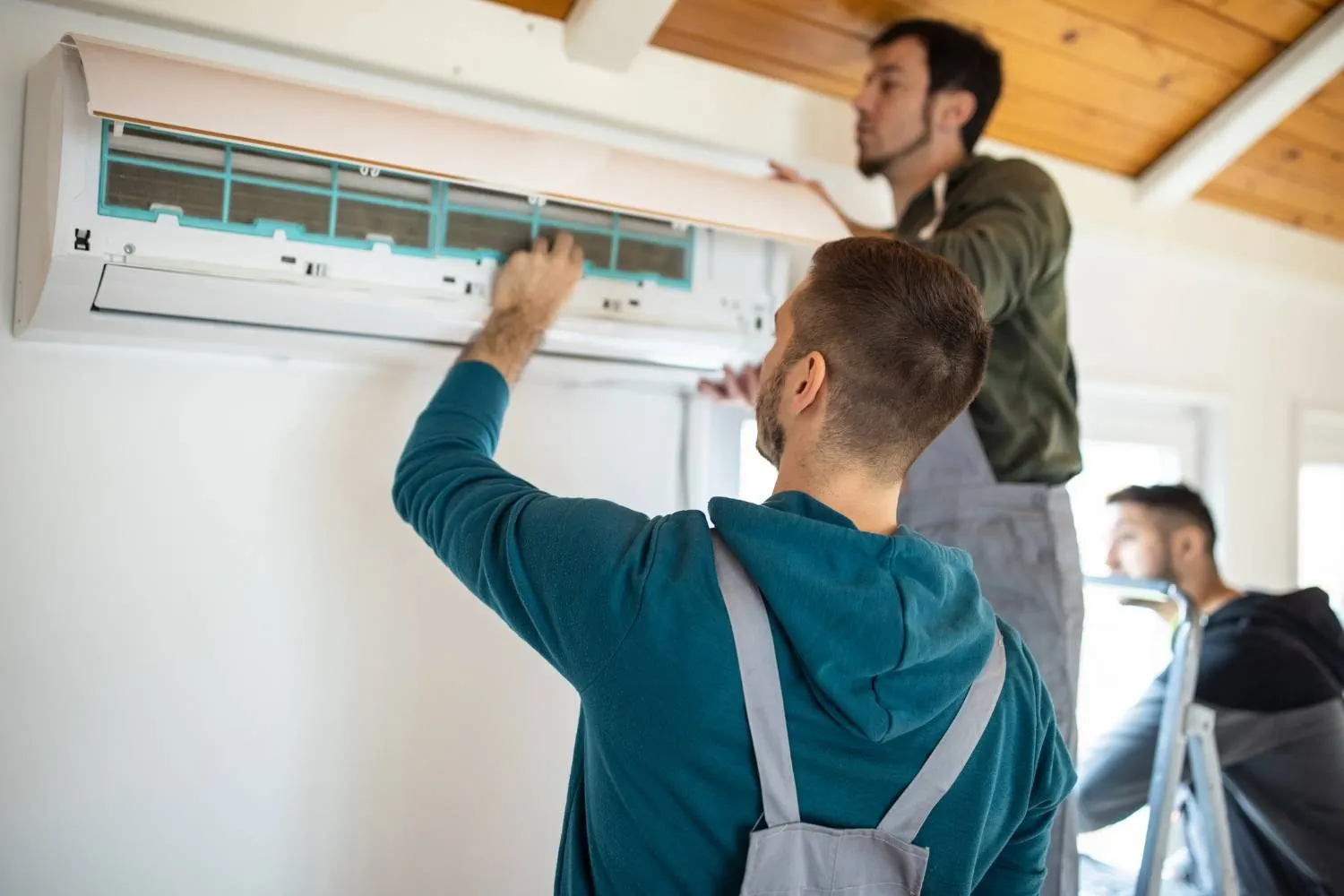
Your installation package includes the mounting of the indoor air handler, the positioning of the outdoor condenser, and the secure running of refrigerant lines and communication wires. Professional installers also handle the electrical disconnect box required by code near the outdoor unit. The goal is a turnkey solution where the workspace is left clean, the system is fully tested, and you understand exactly how to operate the remote or wall controller before the crew departs.

The Installation and Replacement Process
A proper mini split installation follows a rigorous technical protocol to ensure longevity and efficiency. Skipping steps or using subpar materials often leads to refrigerant leaks or drainage issues down the road. The process is systematic and designed to minimize disruption to your home structure.
- Site Assessment and Load Calculation: Technicians verify the optimal placement for both the indoor and outdoor units. The indoor unit requires a solid wall capable of supporting its weight, free from obstructions that could impede airflow. The outdoor unit needs a level surface with adequate clearance for heat dissipation. This stage also involves verifying electrical capacity to ensure your panel can support the new equipment.
- Mounting the Indoor Unit: A metal mounting plate is secured to the interior wall. This plate must be perfectly level to ensure proper condensate drainage. If the unit is tilted, water may pool inside the air handler rather than draining outside, leading to potential mold growth or water damage.
- Drilling the Line Set Penetration: A precise, three-inch hole is drilled through the exterior wall to connect the indoor and outdoor components. Installers drill at a slight downward angle to the exterior to assist gravity drainage. A wall sleeve is inserted to protect the lines and seal the opening, preventing pests and moisture from entering the building structure.
- Positioning the Outdoor Condenser: The outdoor unit is placed on a composite pad or mounted on wall brackets, depending on the ground conditions and local flood elevation requirements. In coastal areas, elevating the unit is often preferred to protect it from ground moisture and salt accumulation.
- Connecting Refrigerant Lines and Electrical: Insulated copper refrigerant lines, control wiring, and the condensate drain hose are bundled and run through the wall sleeve. These are connected to the outdoor unit using flare connections that must be torqued to specific manufacturer specifications to prevent leaks.
- Pressure Testing and Vacuuming: Before releasing the refrigerant, the system is pressurized with nitrogen to check for leaks. Once the pressure holds, a vacuum pump removes all air and moisture from the lines. This step is critical; moisture left in the lines can freeze or react with oil to create acid, which destroys the compressor.
- Final Commissioning: The refrigerant is released, and the system is powered on. Technicians measure the temperature difference between the air entering and leaving the unit (Delta T) to verify performance. They also check the drain line to ensure water flows freely to the exterior.
Deciding Between Repair and Replacement
Determining whether to repair an aging mini split or replace it entirely is a financial and practical decision. While repairs can resolve minor issues, there is a tipping point where investing in a new system offers better long-term value and reliability.
- Age of the Equipment: Most ductless systems have a lifespan of 12 to 15 years. If your unit is approaching or exceeding this age range, major components like the compressor or control board are more likely to fail. Investing in repairs for a unit at the end of its service life is often throwing good money after bad.
- Frequency of Breakdowns: If you require service calls multiple times a year, the system has become unreliable. Frequent refrigerant leaks, electrical failures, or sensor issues indicate that the internal components are degrading. A new system eliminates these recurring service fees and the stress of unexpected failures.
- Compressor Failure: The compressor is the heart of the system. If it fails, the cost of the part and labor to replace it usually rivals the cost of a brand-new outdoor unit. In almost all cases of compressor failure on an out-of-warranty unit, full replacement is the recommended path.
- Refrigerant Type: Older systems may use R-22 refrigerant, which is no longer produced due to environmental regulations. If an older unit leaks R-22, sourcing the refrigerant is difficult and extremely expensive. Modern systems use R-410A or newer alternatives, which are efficient, available, and environmentally safer.
- Efficiency Ratings (SEER): Cooling technology advances rapidly. A system installed ten years ago likely has a significantly lower Seasonal Energy Efficiency Ratio (SEER) than modern units. Upgrading to a high-SEER system can reduce energy consumption by 30% or more, offsetting the installation cost over time through lower utility bills.
Local Considerations for Flagler Beach
Installing HVAC equipment in a coastal environment requires specific attention to environmental factors that do not affect inland properties. The salt air in Flagler Beach is highly corrosive to standard aluminum and copper coils. Without protection, the fins on a standard condenser can deteriorate rapidly, leading to a loss of heat transfer capability and premature system failure — join our maintenance program to protect your investment.
- Corrosion Protection: It is vital to select equipment designed for coastal applications. This often involves units with specialized anti-corrosive coatings on the condenser coils and circuit boards. These coatings create a barrier against salt spray, significantly extending the lifespan of the outdoor unit.
- Humidity Management: The wet season, extending from late spring through early autumn, brings intense humidity. Mini splits are excellent at dehumidification, often featuring a "Dry Mode" specifically designed to pull moisture from the air without over-cooling the room. Proper sizing is crucial here; an oversized unit will cool the room too quickly and shut off before it has had time to dehumidify, leaving the space feeling clammy.
- Hurricane Preparedness and Permitting: Local building codes dictate how outdoor units must be anchored to withstand high wind loads. Permits are required for new installations and change-outs to ensure these safety standards are met. This includes specific requirements for tie-downs and stand anchoring. Ensuring your installation is fully permitted protects you from liability and ensures the equipment stays secure during severe weather events common between June and November.
- Electrical Infrastructure: Many older beach homes may not have adequate electrical capacity for modern appliances. During the site assessment, it is necessary to verify that your main panel can handle the additional load of a mini split system or if a sub-panel upgrade is required to meet code.
Why Technical Precision Matters
The efficiency of a mini split system is almost entirely dependent on the quality of the installation. Unlike window units, these are complex thermodynamic systems that rely on precise pressures and airflow. A flared connection that is slightly too loose will leak refrigerant; a drain line with a subtle uphill slope will cause water damage inside your home.
Accu-Temp Heating and Air Conditioning prioritizes technical accuracy over speed. We utilize digital micron gauges to ensure a perfect vacuum, preventing non-condensables from compromising the compressor. We adhere strictly to manufacturer torque specifications and use high-grade line sets that resist crimping and physical damage.
Ductless systems also offer the advantage of improved indoor air quality. Because there are no ducts to collect dust, pollen, and mold spores, the air delivered is cleaner. The washable filters on the indoor units are easily accessible, allowing homeowners to maintain high air quality standards with minimal effort. However, this performance relies on the initial setup being airtight and correctly located to prevent the recirculation of debris.
Furthermore, the placement of the indoor unit affects the aesthetics and airflow of the room. We work with homeowners to find mounting locations that are unobtrusive yet functionally optimal. Whether it is a wall-mounted unit, a floor-mounted console, or a ceiling cassette, the integration should feel seamless within the living space.
When you choose to upgrade your comfort systems, you are investing in the long-term livability of your home. The combination of advanced inverter technology, precise zoning, and whisper-quiet operation makes a mini split an ideal solution for Florida living. Do not let the heat and humidity dictate your comfort any longer.
Take control of your indoor climate today. Contact us to schedule your comprehensive evaluation and mini split installation.
Custom-Crafted Installations Designed for Zoned Precision
Properly configured systems deliver superior results without relying on ductwork. Our certified team delivers streamlined mini split installation and replacement in Flagler Beach, FL, designed to match room-by-room needs without overconditioning. Accu-Temp Heating and Air Conditioning handles full-load calculations, system sizing, and installation to code—ensuring the solution is both seamless and scalable.
Upgrade to a Mini Split System With Installation You Can Trust
Contact Us
Why Choose One Company for Everything?

Simplicity

Expertise

Savings
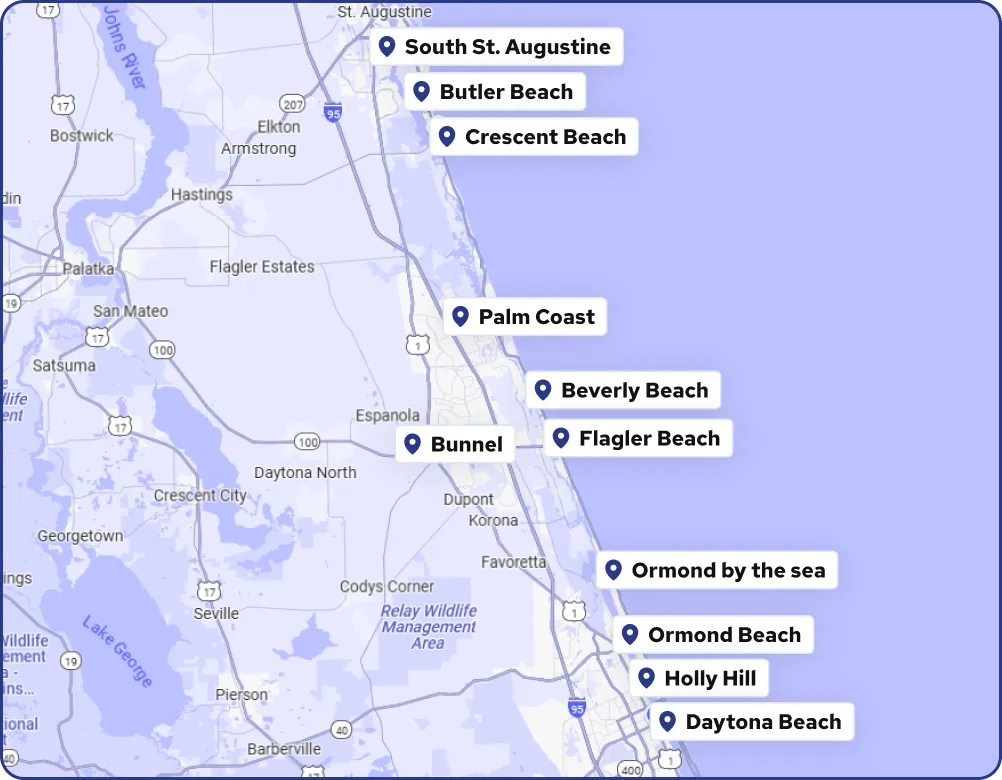
Service Areas