



Restore Indoor Comfort Quickly with Expert Mini Split Solutions
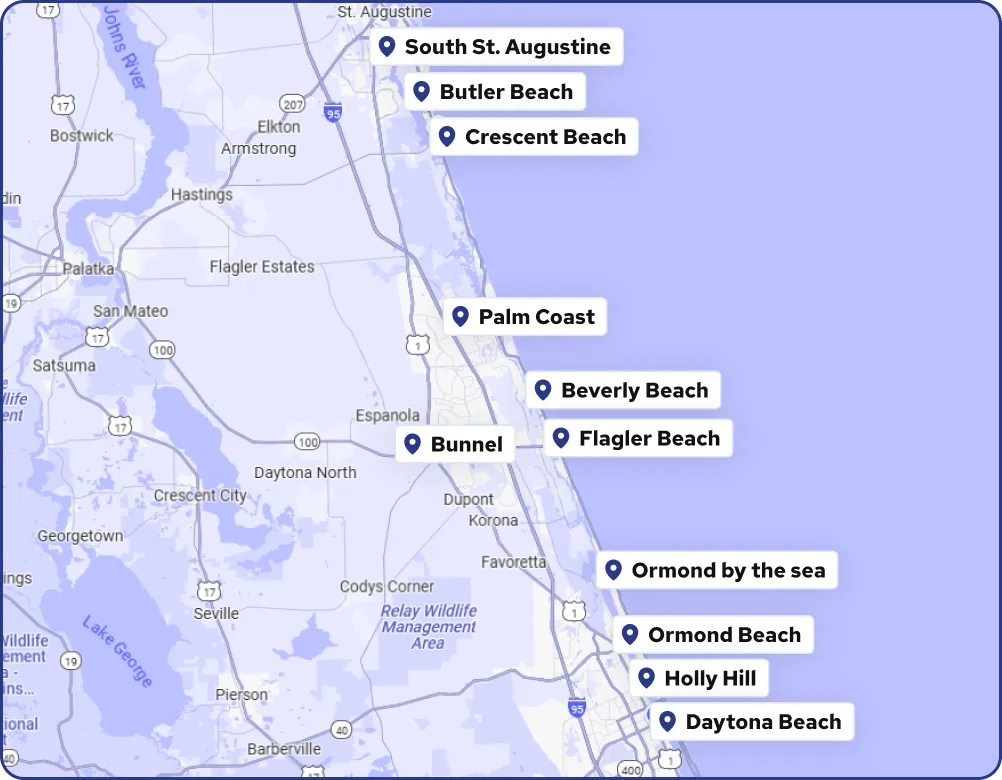
Facing unbearable heat and humidity in Butler Beach due to a failing cooling system? Our swift and efficient mini split services ensure your comfort is restored without the wait, so contact us today to schedule a diagnostic or discuss financing options. Whether you need an urgent repair on a ductless system or a brand-new installation for a room addition, reliable cooling is essential in this climate. Accu-Temp Heating and Air Conditioning provides the technical expertise required to keep your home cool and dry.
- Same-day service availability to cool your home immediately.
- Expert installations and repairs that meet strict local permit requirements seamlessly.
- Optimized for Butler Beach's climate with durable solutions that last.
- All services are fully licensed, with comprehensive warranties and flexible financing options.
Comprehensive Ductless Air Conditioning Services
When a mini split system fails in Florida, the rising humidity inside the home can cause damage within hours. Professional service focuses on immediate diagnostics and rapid resolution. A technician arrives equipped to handle the specific intricacies of ductless technology, which differs significantly from central HVAC systems. The service scope covers everything from fixing refrigerant leaks and electrical communication errors to cleaning blower wheels impacted by mold or dust buildup.

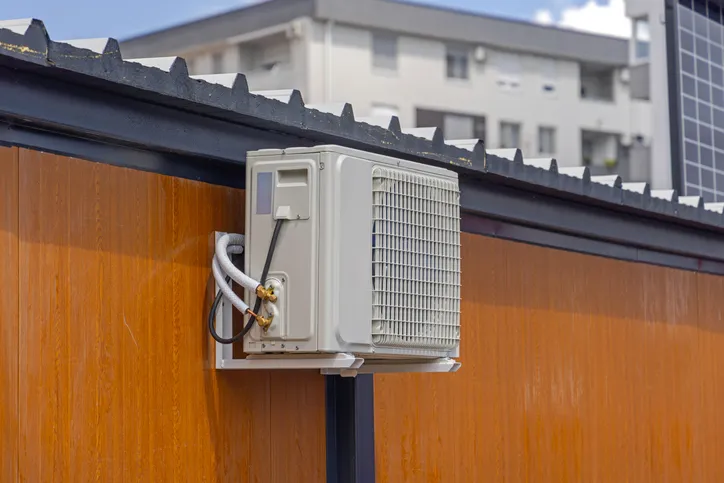
Residents in Butler Beach rely on these systems for zone-specific cooling. Consequently, a malfunction in one zone can disrupt the comfort of a master bedroom, sunroom, or garage conversion. Service appointments prioritize identifying whether the issue lies with the indoor air handler, the outdoor condenser, or the line set connecting them.
What allows for a successful service visit is the availability of parts and the technical knowledge regarding inverter technology. Unlike standard compressors that simply turn on and off, mini split inverters modulate speed. Diagnosing these requires specialized tools to read error codes and measure voltage outputs correctly. Services included in a standard visit often comprise:
- System Diagnostics: Reading error codes and testing electrical output to the inverter board.
- Leak Detection: Pressure testing refrigerant lines to locate and seal micro-leaks common in salt-air environments.
- Deep Cleaning: Removing mold and bacterial growth from the blower wheel and condensate pan to prevent drainage overflows.
- Performance Tuning: Verifying temperature splits between intake and discharge air to ensure maximum efficiency.
How the Installation and Replacement Process Works
Installing a mini split requires precision. While these systems are ductless, they are not "plug and play." The longevity and efficiency of the unit are determined entirely by the quality of the installation. A proper installation ensures the system operates quietly, drains water effectively, and maintains the manufacturer’s warranty.
The process begins with a load calculation. A technician measures the square footage, insulation levels, window placement, and sun exposure of the room. This ensures the unit is neither undersized (running constantly without cooling) nor oversized (short-cycling and failing to dehumidify). Once the correct BTU capacity is determined, the physical installation proceeds.
- Mounting the Indoor Unit: The technician installs a mounting plate on an interior wall. This plate must be perfectly level and secured to studs or heavy-duty anchors to support the unit's weight and ensure proper condensate drainage.
- Drilling the Penetration: A precise three-inch hole is drilled through the exterior wall. This hole is angled slightly downward to the outside to facilitate gravity drainage for condensation.
- Connecting the Line Set: Insulated copper refrigerant lines, control wiring, and the drain hose are bundled and fed through the wall. The technician flares the copper ends to create a leak-proof seal at the connection points.
- Setting the Outdoor Unit: The condenser is placed on a composite pad or mounted to the exterior wall using hurricane-rated brackets. In coastal areas, wall brackets are often preferred to keep the unit clear of debris and standing water.
- Vacuum and Pressure Test: Before releasing refrigerant, the technician uses a vacuum pump to remove all moisture and air from the lines. A nitrogen pressure test follows to verify there are no leaks.
- Final Commissioning: The refrigerant is released, and the system is powered on. The technician tests all modes—cooling, heating, and dehumidification—to verify operation.
Determining When to Repair vs. Replace Your System
Deciding between fixing an existing mini split or investing in a new one involves analyzing cost, age, and performance. Ductless systems generally have a lifespan of 12 to 15 years, depending on usage and maintenance. In the humid, salty environment of the coast, outdoor units may degrade faster if not specially treated.
If a system is under five years old and covered by a parts warranty, repair is almost always the correct choice. Issues like a bad control board, a failed sensor, or a minor refrigerant leak are cost-effective to fix. However, as the system ages, the availability of parts for older models decreases, and the cost of labor may outweigh the benefits of a temporary fix.
You should consider replacement if:
- The Compressor Has Failed: The compressor is the heart of the system. If it fails outside of the warranty period, the cost of the part and labor usually approaches the price of a completely new outdoor unit.
- Refrigerant Type is Obsolete: Older units using R-22 refrigerant are expensive to service because the refrigerant is no longer manufactured. Upgrading to a system with R-410A or newer refrigerants is more improved for long-term maintenance.
- Frequent Breakdowns: If the unit requires multiple service calls in a single year, the cumulative cost of repairs suggests the system has reached the end of its useful life.
- Inefficiency: Older technology lacks the high SEER ratings of modern inverter systems. Replacing a 10-year-old unit can significantly lower monthly electrical bills, offsetting the installation cost over time.
Navigating Local Permits and Coastal Climate Factors
Butler Beach presents specific challenges for HVAC equipment that go beyond standard temperature control. The combination of high humidity and proximity to the ocean creates a corrosive environment known as the "salt spray effect." This accelerates the deterioration of aluminum fins and copper coils in the outdoor condenser.
To combat this, local installations often utilize units with anti-corrosive coatings on the heat exchangers. Additionally, local building codes in Florida are strict regarding wind resistance. Mini split condensers must be anchored securely to withstand hurricane-force winds. This involves using specific tie-downs for ground pads or rated brackets for wall-mounted units.
Permitting is another non-negotiable aspect of the work. Florida Building Code requires a permit for the installation or change-out of air conditioning systems. This ensures the electrical connections meet safety standards and the unit is properly sized for the space. Unpermitted work can lead to fines, issues when selling the property, and voided homeowner insurance claims in the event of a fire or electrical failure.
Accu-Temp Heating and Air Conditioning ensures all installations comply with these local codes, handling the paperwork and inspection scheduling so the homeowner does not have to navigate the bureaucracy.
- Electrical Requirements: Dedicated circuits are often required for mini split systems. A licensed professional ensures the breaker panel can handle the load and that the disconnect box is installed within sight of the outdoor unit as required by code.
- Condensate Management: High humidity means these units produce a significant amount of water. Code dictates where this water can be discharged—typically away from the foundation and not causing a nuisance to neighbors or public walkways.
- Wind Load Calculations: Installers must verify that the mounting hardware used is rated for the wind speeds associated with the specific hurricane zone of the property.
Technical Precision in Ductless Maintenance
Routine maintenance for mini splits differs from central air systems. Ductless units do not have extensive ductwork to inspect, but the indoor air handlers are more susceptible to biological growth. The blower wheel, which circulates air, is located directly inside the room unit. If this wheel becomes clogged with dust and mold, it reduces airflow and can spread allergens throughout the room.
Professional maintenance involves disassembling the cabinet to access and clean the blower wheel and the condensate drain pan. Tablets or strips are often placed in the pan to prevent algae buildup that could block the drain line.
Inverter boards, which control the variable speed compressor, generate significant heat. Maintenance checks include inspecting the thermal paste and heat sinks on these boards to prevent overheating and electronic failure. These technical steps are vital for maintaining the high-efficiency ratings that mini splits are known for — schedule maintenance today.
Making the Final Decision on Your Cooling Needs
Choosing the right service provider determines the reliability of your cooling system. High-quality service focuses on long-term performance rather than quick, temporary patches. Whether the goal is to cool a garage, a new sunroom, or replace an inefficient window unit, the solution lies in correctly sized and professionally installed ductless technology.
Residents require systems that can handle the heavy latent heat load—the humidity—that characterizes the region. A system that cools the air but fails to remove moisture leaves the home feeling clammy and uncomfortable. This is why variable-speed inverter systems are prioritized; they can run at lower speeds to dehumidify continuously without overcooling the space.
When moving forward with a mini split project, prioritize clear communication regarding timelines, warranty coverage, and specific installation locations. A professional assessment will identify the best wall placement for airflow distribution and aesthetic integration.
Ensure your home remains a sanctuary from the heat. Expert technicians are ready to diagnose issues, propose efficient replacements, or perform routine maintenance to extend the life of your equipment.
Don't let the heat compromise your comfort. Contact Accu-Temp Heating and Air Conditioning today to secure expert mini split service.
Protect Every Zone with Consistent Maintenance
Multi-zone mini splits need more than a quick filter swap. Accu-Temp Heating and Air Conditioning offers complete mini split service in Butler Beach, FL, covering drain lines, fan performance, electrical testing, and air distribution for each indoor unit. This ensures balanced output and longer equipment life.
Set Up Mini Split Maintenance That Covers the Whole System
Contact Us
Why Choose One Company for Everything?

Simplicity

Expertise

Savings
Service Areas