



Inefficient Cooling or Unexpected Breakdowns Stopping Your Comfort?
Tired of dealing with inefficiency or sudden breakdowns from your mini split system in the humid climate of Crescent Beach? You need fast, effective solutions that restore your indoor comfort without the confusion or hidden costs often associated with HVAC repairs. Contact us today to schedule a diagnostic visit or to discuss financing options for a new installation.
When your ductless system fails, you need a partner who understands the urgency of Florida heat. Accu-Temp Heating and Air Conditioning provides the technical expertise required to get your system back on track immediately.
- Immediate Assistance: Get prompt service to fix your mini split issues and restore cooling quickly.
- Enhanced Comfort: Improve system efficiency and humidity control with our expert maintenance and repair services.
- Full Transparency: Receive upfront pricing, clear explanations of the problem, and understandable warranty terms from the start.
We are fully licensed and insured, offering flexible financing options to ensure your peace of mind during every service call.
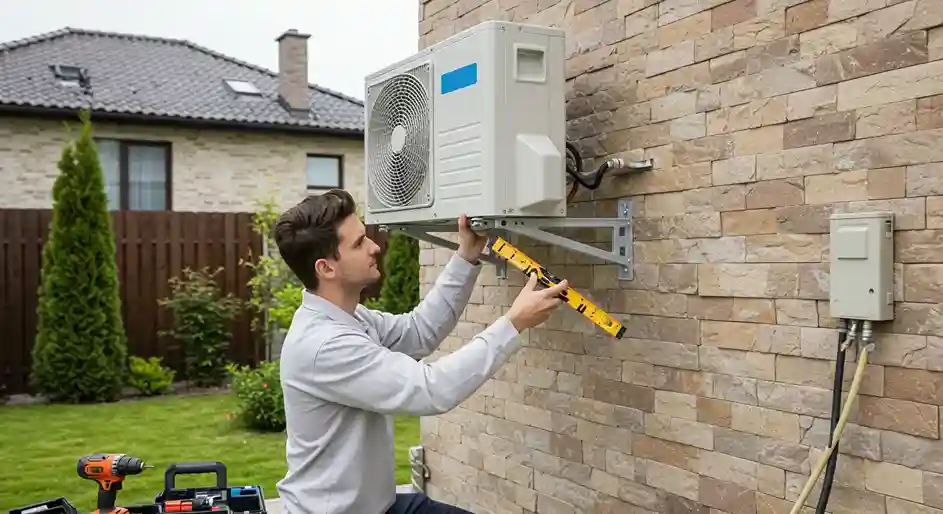
What You Get Today: Comprehensive Mini Split Solutions
When you schedule service for a ductless mini split, you are looking for more than a quick patch; you need a thorough resolution that ensures long-term performance. Our service approach covers the full lifecycle of your equipment, from precision diagnostics to performance tuning.
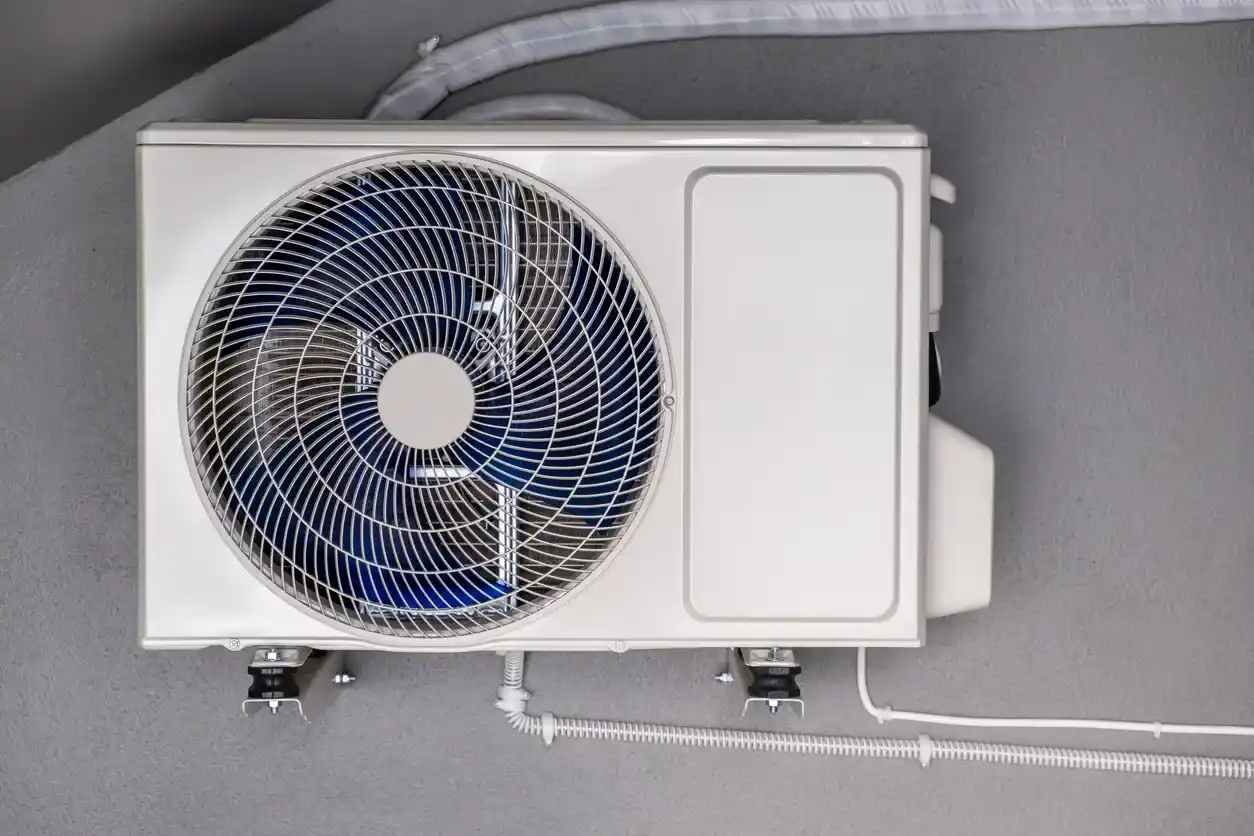
Precision Diagnostics and Repair
Ductless systems operate differently than central air conditioners. They rely on sophisticated inverter boards and complex communication lines between the indoor and outdoor units. When a technician arrives at your property in Crescent Beach, the diagnostic process includes a deep dive into these electrical and mechanical components.
- Error Code Analysis: Mini splits communicate issues through specific flash codes. We decipher these immediately to pinpoint electrical failures or sensor malfunctions.
- Refrigerant Leak Detection: In a ductless system, even a minor refrigerant leak can cause the compressor to overheat or the coils to freeze. We use sensitive detection tools to locate leaks, repair the line set, and recharge the system to factory specifications.
- Control Board Testing: The inverter board is the brain of your mini split. Power surges or wear and tear can damage these boards. We test voltage inputs and outputs to determine if a board replacement is necessary.
- Drainage Clearance: One of the most common issues with wall-mounted units is water leakage due to a clogged condensate line. We flush the lines and check the pump operation to prevent water damage to your walls or floors.
Deep Cleaning and Maintenance
Maintenance on a mini split goes beyond changing a filter. Because the blower wheel is located inside the room unit, it is prone to accumulating dust, mold, and biological growth, which can severely impact air quality and airflow.
- Blower Wheel Cleaning: We inspect and clean the blower wheel to remove built-up debris that causes noise and reduces air velocity.
- Coil Sanitation: Both the evaporator (indoor) and condenser (outdoor) coils are treated to remove grime that acts as an insulator, preventing proper heat exchange.
- Filter Wash: The reusable mesh filters are removed, washed, and sanitized to ensure unobstructed airflow.
System Performance Verification
Before we leave, we ensure the system is actually cooling or heating to its capacity. This involves measuring the temperature differential (delta T) between the intake air and the discharge air. We also verify that the louvers function correctly to distribute air evenly across the room.
How Installation and Replacement Works
If your current system is beyond repair or you are adding cooling to a new addition, the installation process is critical to the unit's longevity. Improper sizing or installation is the leading cause of early system failure.
Step 1: Load Calculation and Sizing
We do not guess when it comes to sizing. A unit that is too large will short-cycle, failing to dehumidify the room, while a unit that is too small will run constantly, driving up energy bills.
- Measuring Heat Gain: We assess the square footage, insulation levels, window orientation, and ceiling height.
- Zone Planning: We determine how many indoor heads are needed and where they should be placed for optimal coverage without creating drafts.
Step 2: Selecting the Mounting Location
Placement affects both aesthetics and performance. The indoor unit needs to be mounted on a wall that can support its weight and allows for proper drainage.
- Wall Reinforcement: We ensure the mounting plate is secured to studs or heavy-duty anchors.
- Clearance Checks: We verify there is enough space above and around the unit for airflow and future maintenance access.
Step 3: Drilling and Line Set Routing
One of the main benefits of a mini split is the lack of ductwork, but the refrigerant lines and wiring must still connect the indoor and outdoor units.
- Precision Drilling: A small three-inch hole is drilled through the wall, angled slightly downward to facilitate gravity drainage for the condensate.
- Line Set Protection: The copper refrigerant lines, drain tube, and communication wire are bundled and passed through the wall. On the exterior, these are covered with line hide (a protective channel) to shield them from the sun and weather, keeping the exterior of your home looking neat.
Step 4: System Charging and Vacuuming
Once the units are connected, the lines must be evacuated to remove moisture and air before the refrigerant is released.
- Pressure Testing: We pressurize the lines with nitrogen to ensure there are absolutely no leaks.
- Vacuum Process: A vacuum pump removes all non-condensables from the system. Moisture inside the lines can mix with oil to create acid, which destroys compressors.
- Releasing the Charge: Once the vacuum holds, the refrigerant is released, and the system is powered up for testing.
When Replacement Beats Repair
Deciding between repairing an aging unit or investing in a new one is a common dilemma for homeowners. While we can fix most issues, there comes a point where sinking money into an old system is no longer distinctively economical.
The 50% Rule
A general guideline used in the industry involves the cost of the repair versus the value of the system.
- Cost Analysis: If the cost of the repair approaches 50% of the cost of a new system, replacement is usually the smarter financial move.
- Warranty Status: If your current unit is out of warranty, you are paying for parts and labor out of pocket. New systems come with fresh warranties, often covering parts for 10 to 12 years.
Refrigerant Type
Older mini splits may use R-22 refrigerant, which has been phased out and is incredibly expensive to source.
- Obsolete Fluid: If your R-22 system has a leak, the cost to recharge it is often prohibitive.
- Modern Efficiency: New systems use R-410A or newer refrigerants that are more efficient and environmentally friendly.
Frequency of Breakdowns
If you have required repairs more than once in the last year, the system is likely nearing the end of its reliable lifespan.
- Accumulating Costs: Multiple service calls add up quickly.
- Reliability: A new system provides the assurance that you will not wake up to a hot room in the middle of summer.
Technology Upgrades
Modern mini splits offer features that older models lack.
- Inverter Technology: Newer compressors can ramp up and down to match the cooling load exactly, using significantly less electricity than older start-stop systems.
- Wi-Fi Connectivity: Control your temperature from your phone, setting schedules that save money when you are not home.
Local Notes: Operating in Coastal Environments
Installing and maintaining mini splits in this region requires specific attention to environmental factors. The proximity to the ocean and the specific climate conditions in Crescent Beach introduce challenges that standard installations might overlook.
Salt Corrosion and Coil Protection
The salt-laden air is aggressive toward aluminum fins and copper tubing. Without protection, a condenser coil can corrode and fail within a few years.
- Coastal Coatings: We recommend units that come with factory-applied anti-corrosion coatings on the fins.
- Regular Rinse-Downs: We advise homeowners on how to gently rinse their outdoor units to remove salt buildup between professional maintenance visits.
High Humidity Management
Our climate is classified as humid subtropical. A standard air conditioner simply cools the air, but a mini split must also effectively dehumidify to create true comfort.
- Dry Mode: Most modern mini splits feature a "Dry Mode" that prioritizes humidity removal over temperature drop. This is essential for days that are muggy but not necessarily scorching hot.
- Drainage Importance: High humidity means the unit generates a significant amount of condensate water. We ensure drain lines are pitched correctly and routed away from the foundation to handle the heavy volume of water removal during peak summer months.
Storm Safety and Permitting
Hurricane season runs from June to November. Your HVAC equipment needs to be secure.
- Tie-Downs: We utilize hurricane-rated tie-downs and stands for the outdoor condenser unit to prevent it from shifting or tipping during high winds.
- Elevation: To protect against potential storm surge or localized flooding, we often recommend mounting the condenser on a wall bracket or an elevated stand rather than a standard ground pad.
- Permit Compliance: All installations are performed in strict accordance with local building codes. We handle the permitting process to ensure your installation passes inspection and adheres to local regulations regarding noise and property line setbacks.
Why Choose Professional Service?
Mini split systems are high-performance machines that require specialized tools and training. Attempting DIY repairs or hiring a general handyman often leads to voided warranties and compromised efficiency.
Specialized Tools and Training
Working on these systems requires more than a wrench.
- Flaring Tools: Connecting refrigerant lines requires a precise "flare" connection. If this is done incorrectly, the gas will leak out. We use eccentric flaring tools designed specifically for mini split soft copper.
- Torque Wrenches: Every nut must be tightened to a specific torque setting. Overtightening cracks the copper; undertightening causes leaks. We use digital torque wrenches for exact precision.
- Electrical Safety: Inverter boards carry high voltage and can store a charge even after power is disconnected. Our technicians are trained to handle these components safely to protect your home and themselves.
Warranty Adherence
Manufacturers are strict about warranty claims. They often require proof that the equipment was installed or serviced by a licensed HVAC contractor.
- Documentation: We provide detailed invoices and service records that validate your warranty coverage.
- Authorized Parts: We use OEM (Original Equipment Manufacturer) parts whenever possible to ensure compatibility and performance.
Long-Term Support
We are not just here for the install; we are here for the life of the system.
- Maintenance Plans: We offer scheduled maintenance to catch small issues before they become expensive repairs.
- Local Knowledge: We understand the unique electrical grid fluctuations and environmental stressors in the area, allowing us to recommend surge protectors and other safeguards that prolong system life.
When you choose Accu-Temp Heating and Air Conditioning, you are choosing a team dedicated to technical excellence and customer satisfaction. Whether you need a rapid repair on a sweltering afternoon or a completely new ductless setup for your master bedroom or sunroom, we have the skills and resources to get the job done right.
Call Us Now!
Don't let a malfunctioning unit disrupt your life or drive up your energy bills. Secure your comfort and protect your investment by working with the local experts in ductless technology. Click here to schedule your service or request a free estimate today.
Contact Us
Why Choose One Company for Everything?

Simplicity

Expertise

Savings
Service Areas