


Is Your Mini-Split AC Failing to Cool? Fast Solutions Here
When your ductless system stops managing the humidity and heat in Holly Hill, you need an immediate solution, not a sales pitch. Contact us now or inquire about our financing options to get a technician to your door today.
Struggling with a mini-split that just won’t keep up with the Florida heat is a frustrating experience, but fast, professional help is available to restore your indoor comfort. You do not have to endure the humidity inside your home while waiting for parts or a callback.
- Get immediate on-site repairs today — no waiting for dispatch.
- Certified technicians utilize the latest diagnostic technology to pinpoint inverter and compressor issues quickly.
- Flexible financing options are available to ensure your comfort is affordable and fits your budget.
All installations and major repairs are fully permitted and backed by a comprehensive warranty for your peace of mind.
Immediate Help for Faulty Mini-Splits
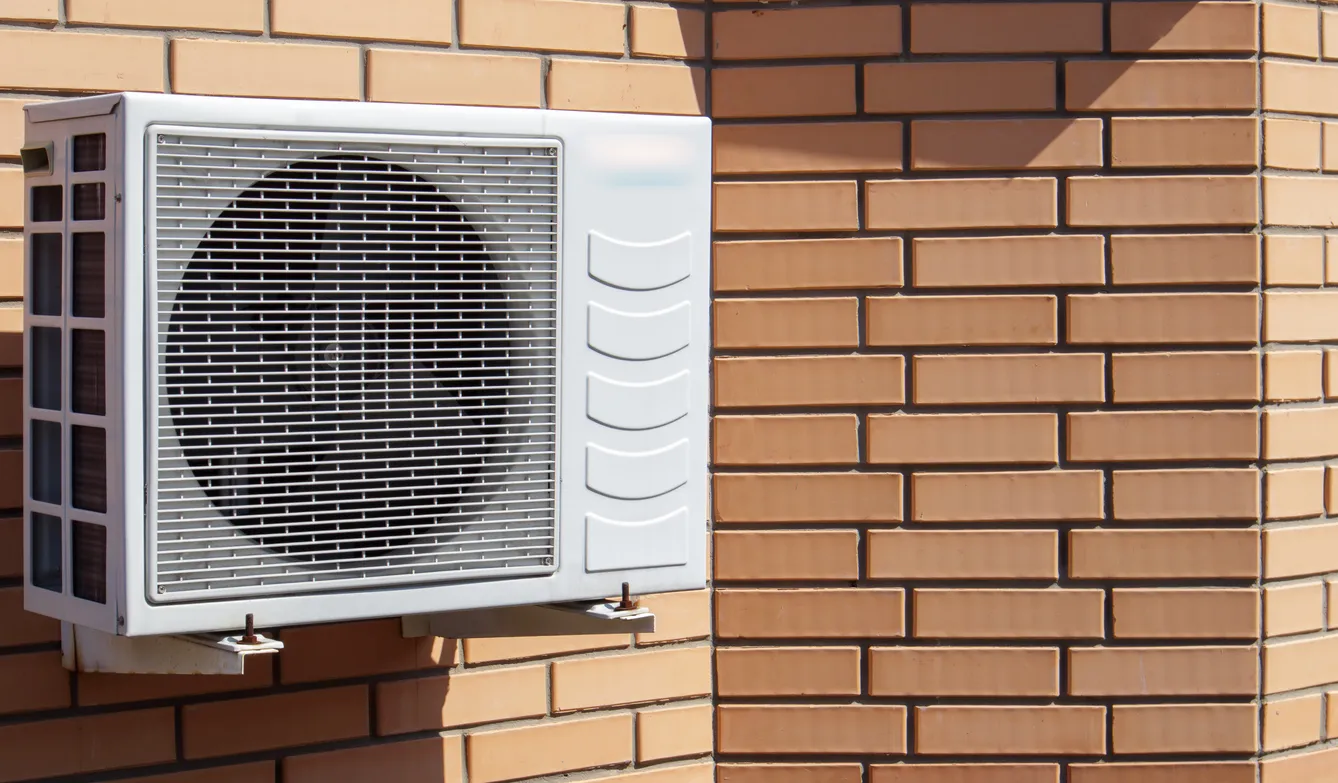
Mini-split systems are engineered for high efficiency and precise temperature control, but when they fail, the symptoms are often distinct and disruptive. In our subtropical climate, a malfunction does not just mean a rise in temperature; it means a rapid increase in indoor humidity, which can lead to discomfort and potential moisture damage.
Common indicators that your system requires immediate professional attention include:
- Water Leaking Indoors: This is frequently caused by a clogged condensate drain line or a malfunctioning pump. In a humid environment, the system pulls significant moisture from the air; if the drainage path is blocked by algae or mold, that water backs up into your living space.
- Weak Airflow: If the unit is running but the air coming out is weak, it often points to a dirty blower wheel or a clogged filter. Over time, dust and mold accumulate on the fan blades, drastically reducing the system's ability to circulate cool air.
- Communication Errors: Unlike central HVAC, mini-splits rely on sophisticated communication between the indoor head and the outdoor condenser. If the unit blinks error codes or refuses to turn on, it often indicates a wiring issue or a control board failure that requires specialized diagnostic tools.
- Warm Air blowing in Cool Mode: This usually signals a refrigerant leak or a compressor issue. Since mini-splits operate on a closed loop, low refrigerant means there is a leak that must be located and sealed before recharging.
Accu-Temp Heating and Air Conditioning prioritizes these critical failures because we understand that a broken AC in Florida is an emergency, not an inconvenience. Prompt action prevents minor electrical issues from burning out expensive inverter boards or compressors.
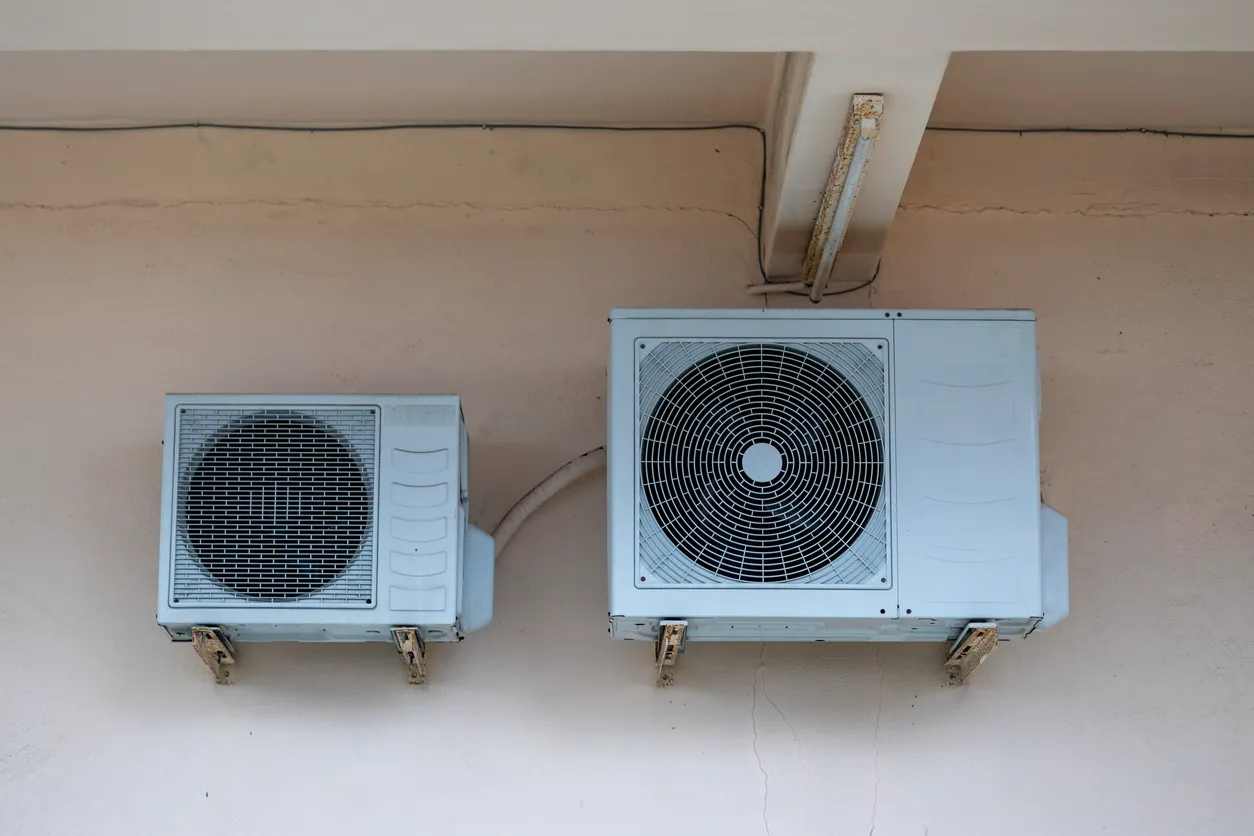
What You Get With Our Service: Speed, Precision, Affordability
Service visits are designed to be thorough and decisive. The goal is to identify the root cause of the breakdown and implement a permanent fix rather than a temporary patch. Mini-split technology differs significantly from traditional central air systems, utilizing inverter-driven compressors and complex electronics that require specific expertise.
When a technician arrives at your property, the service includes:
- Electronic Diagnostics: Technicians connect to the unit’s internal computer to read error histories and operational data. This eliminates guesswork and pinpoint’s specific failures in sensors or circuit boards.
- Leak Detection and Repair: Using high-sensitivity sniffers and pressure tests, the team locates refrigerant leaks. Simply adding refrigerant is not a solution; sealing the system ensures long-term efficiency and performance.
- Deep Cleaning: Service often involves cleaning the evaporator coils and blower wheels. In humid areas like Holly Hill, biological growth on these components is common and restricts heat transfer. Removing this buildup restores the unit’s cooling capacity.
- Electrical Safety Inspection: Loose connections can cause voltage drops that damage sensitive inverter components. Tightening connections and checking voltage stability protects the expensive parts of your investment.
- Drainage Clearance: The technician will flush the condensate line and treat it to prevent future algae growth, ensuring water flows to the exterior of the home rather than down your wall.
Transparency is maintained throughout the process. You receive a clear explanation of what is wrong, what is needed to fix it, and exactly what it will cost before any work begins.
Step-by-Step Guide to Your Mini Split Service
Understanding the service process helps eliminate the stress of an unexpected breakdown. The workflow is streamlined to minimize disruption to your day while ensuring the job is done correctly.
- First, Initial Assessment: Upon arrival, the technician listens to your description of the problem and performs a visual inspection of both the indoor and outdoor units. They check for obvious signs of damage, oil spots indicating leaks, or obstruction of airflow.
- Next, System Testing: The unit is powered on to replicate the failure. The technician measures temperature differentials (the difference between air entering and leaving the unit) and checks electrical amp draws against the manufacturer's specifications.
- Then, Diagnostic Isolation: If the issue is not immediately visible, the technician isolates components. This may involves testing individual sensors, checking the resistance of the compressor windings, or testing the communication wire between units.
- Afterwards, Repair Proposal: Once the issue is identified, you are presented with a detailed quote. This includes the cost of parts and labor. If the system is under warranty, this is verified and applied to the quote.
- Subsequently, Execution of Repair: With your approval, the repair is performed. Technicians carry fully stocked trucks with common parts like capacitors, sensors, and control boards to complete most repairs in a single visit.
- Finally, Performance Verification: The system is not considered fixed until it has been tested. The technician runs the unit through a full cycle to ensure it is cooling effectively, draining properly, and operating quietly. The work area is cleaned, and any debris is removed.
When Replacement Beats Repair: A Mini-Split Decision Guide
There comes a point where sinking money into an aging system is no longer the most financial prudent choice. Ductless systems typically have a lifespan of 15 to 20 years, but coastal conditions and heavy usage can impact this timeline. Making the decision to repair or replace depends on several concrete factors.
Consider replacement if the following conditions are met:
- The 50% Rule: If the cost of the repair approaches or exceeds 50% of the value of a new system, replacement is generally the better investment. A new system resets the clock on warranties and reliability.
- Refrigerant Type: Older systems may use R-22 refrigerant, which is phased out and extremely expensive to source. If an R-22 system develops a leak, upgrading to a modern system using R-410A or newer refrigerants is the only logical long-term solution.
- Compressor Failure: The compressor is the heart of the system. If it fails on an older unit that is out of warranty, the cost of the part and labor usually outweighs the value of the unit.
- Frequent Breakdowns: If you have required multiple service calls in the last 12 months, the system has likely become unreliable. Recurring costs add up quickly, and a new unit offers stability.
- Efficiency Degradation: As components wear, the system works harder to provide the same amount of cooling, driving up energy bills. Newer high-SEER models can significantly reduce monthly utility costs, helping to offset the installation price.
Local Compliance and Rebates: What Holly Hill Residents Need to Know
Operating a compliant and efficient HVAC system involves navigating local building codes and utility programs. In Holly Hill, specific regulations ensure that installations are safe and suited for the environment. Ignoring these can lead to fines or issues when selling your property.
- Permit Requirements: The installation and major modification of HVAC systems require a building permit. This ensures that the electrical work meets safety standards and that the unit is properly anchored to withstand wind loads during hurricane season. Professional service providers handle the permitting process entirely, ensuring your project is legal and documented.
- Utility Rebates: Florida Power & Light (FPL) often offers rebates for upgrading to high-efficiency AC systems. These incentives are designed to reduce the load on the power grid. To qualify, the new mini-split usually needs to meet specific SEER2 ratings and must be installed by a participating independent contractor.
- Coastal Considerations: Holly Hill’s proximity to the water means salt air is a constant threat to outdoor condenser coils. Corrosion can eat away at the aluminum fins, leading to refrigerant leaks and reduced efficiency.
- System Protection: It is highly recommended to treat outdoor units with anti-corrosive coatings or to select models specifically designed for coastal applications. Regular maintenance that includes rinsing the coils with fresh water can significantly extend the life of the equipment in this region.
Ensuring your system complies with local codes not only protects your home but also ensures you are eligible for manufacturer warranties, which often require proof of professional installation and maintenance.
Why Residents Trust Us — Certifications and Fast Response
Choosing a service provider goes beyond finding the lowest price; it is about finding a partner who can technically resolve complex HVAC issues. Modern mini-splits are sophisticated machines that require specific training to service correctly.
- State Certified Contractors: The team operates under a State Certified Contractor’s License, ensuring that every technician understands Florida building codes and safety regulations.
- Technical Expertise: Technicians undergo continuous training to stay updated on the latest inverter technologies and diagnostic procedures. This expertise allows for faster troubleshooting and more accurate repairs.
- Member of Florida HVAC Contractor Associations: Active membership in professional associations demonstrates a commitment to industry best practices and ethical business standards.
- Local Knowledge: Understanding the specific challenges of the local climate—from high humidity loads to salt air corrosion—allows for better recommendations and more durable repairs.
- Transparent Operations: From clear, upfront pricing to detailed explanations of the work performed, the focus is on building long-term trust with every service call.
When your cooling system fails, you need a team that arrives prepared and works efficiently. Accu-Temp Heating and Air Conditioning delivers professional, high-intent service designed to get your home back to a comfortable temperature without unnecessary delays.
Call Now
Don’t let a broken mini-split ruin your day. Call us now to schedule your priority repair service.
Contact Us
Why Choose One Company for Everything?

Simplicity

Expertise

Savings
Service Areas