


Struggling with Unreliable Commercial Refrigeration?
When your commercial refrigeration fails, it impacts your business operations immediately and can lead to significant inventory losses. You need a partner who ensures your systems are up and running quickly with reliable and efficient solutions to protect your bottom line. Contact us now to schedule emergency service or discuss financing options for system replacement.
Accu-Temp Heating and Air Conditioning provides critical support to businesses ensuring that downtime is kept to an absolute minimum. We understand that in the food service, medical, and retail sectors, temperature control is not optional; it is a requirement for compliance and profitability.
- Rapid response times to minimize downtime and preserve your perishable products.
- Expert technicians available 24/7 for emergency repairs on all major makes and models.
- Comprehensive maintenance plans designed to prevent future issues and extend equipment life.
All services are performed by certified professionals, with extended warranties and flexible financing available to suit your budget.
Comprehensive Commercial Refrigeration Solutions
Business owners in Bunnell know that a breakdown in the middle of a dinner rush or a weekend shift is a logistical nightmare. Our service approach focuses on diagnosing the root cause of the failure rather than simply applying a bandage to the symptom. Whether you are managing a large-scale restaurant, a floral shop, or a medical facility requiring strict temperature adherence, the goal is restoring operational capacity immediately.
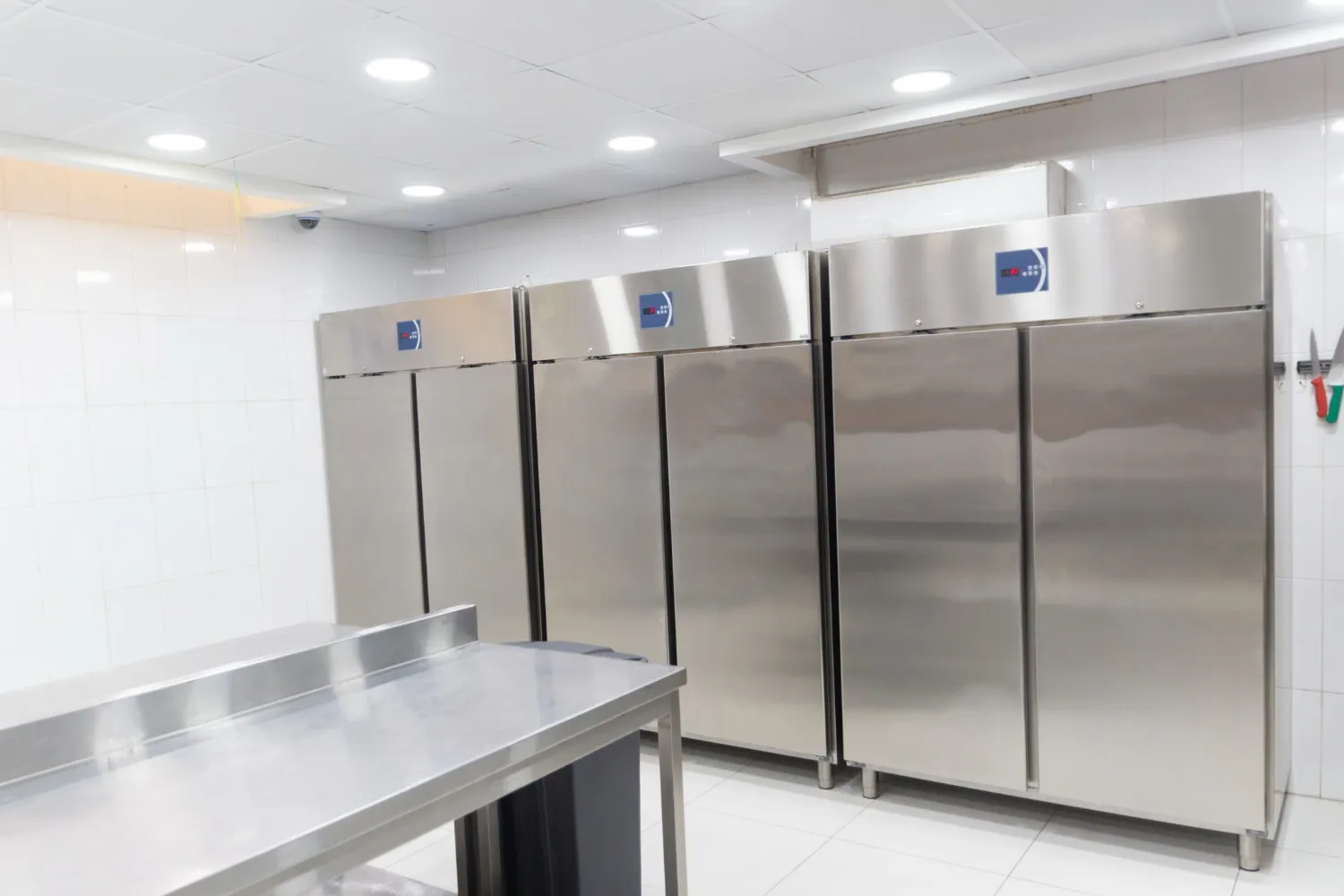
We handle the full spectrum of commercial cooling equipment. This includes walk-in coolers and freezers, reach-in display units, ice machines, prep tables, and under-counter refrigeration units. The service scope covers everything from minor electrical faults to major compressor failures. When you request service, the technician arrives with a stocked vehicle prepared to address common failure points such as refrigerant leaks, thermostat malfunctions, clogged condenser coils, and fan motor burnouts.
The focus is on restoring the thermal integrity of your units. A system that runs but fails to hold temperature is often more dangerous than a system that stops completely, as it puts inventory in the "danger zone" for bacterial growth without immediate detection. We prioritize calibrating systems to hold precise temperatures even when ambient heat loads are high.
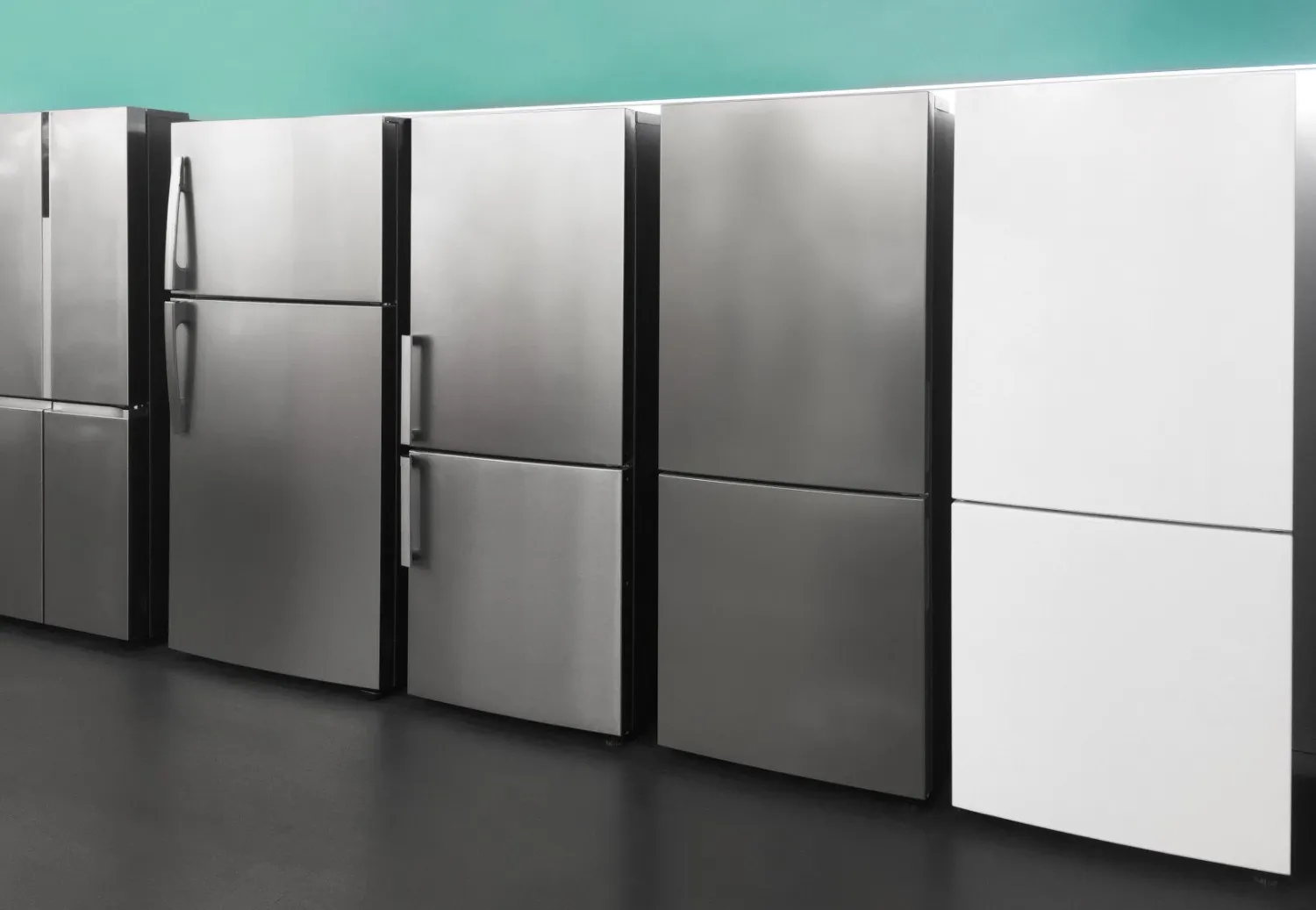
The Installation and Repair Process
Understanding the workflow of a commercial refrigeration project helps you plan for necessary downtime or site access. Whether it is a new installation or a complex repair, the process follows a strict protocol to ensure safety and system longevity.
- Initial Assessment and Load Calculation: For repairs, the technician performs a complete diagnostic to isolate the electrical or mechanical failure. For installations, we calculate the heat load required for your specific space, factoring in door usage, ambient temperature, and product volume.
- Site Preparation and Safety Protocols: The workspace is secured to prevent disruption to your staff and customers. Power sources are locked out/tagged out to ensure electrical safety. If refrigerant must be handled, it is recovered into certified cylinders to comply with EPA regulations, ensuring zero venting of harmful gases.
- System Execution: During a repair, defective components like compressors, TXV valves, or evaporator fans are replaced. For installations, the team positions the unit, brazes copper lines using nitrogen purging to prevent oxidation, and connects high-voltage and control wiring.
- Pressure Testing and Evacuation: The system is pressurized with nitrogen to verify there are no leaks in the brazed joints. Following this, a deep vacuum is pulled to remove moisture and non-condensables from the lines, which is critical for the longevity of the compressor.
- Charging and Commissioning: The system is charged with the manufacturer-specified refrigerant by weight. Technicians then verify superheat and subcooling levels to ensure the unit is running at peak efficiency.
- Final Calibration: Thermostats and defrost timers are programmed to match your specific usage patterns. The system is observed through a full cooling cycle to confirm it reaches the set point and maintains it steadily.
Deciding Between Repair and System Replacement
One of the most difficult decisions for a business owner is determining when a unit has reached the end of its viable life. While repairs are often the lower upfront cost, repeated breakdowns can exceed the cost of a new, energy-efficient unit. We help you evaluate the financial and operational reality of your current equipment.
- The 50% Rule: If the cost of the repair approaches or exceeds 50% of the value of a new unit, replacement is generally the smarter financial move. This is especially true if the existing unit is out of warranty.
- Age of the Equipment: Commercial refrigeration units typically have a lifespan of 10 to 15 years. If your equipment is nearing this age range and requires a major component like a compressor or condenser coil, investing in a new system often yields a better return on investment.
- Frequency of Breakdowns: If you have required service calls more than twice in the last year for the same unit, the equipment is likely becoming unreliable. The cost of spoiled product and lost business during downtime must be factored into the repair vs. replace equation.
- Energy Efficiency and Utility Costs: Older units often run on outdated refrigerants and inefficient motors. distinct drops in energy efficiency can be seen on your monthly utility bills. New systems utilize scroll compressors and ECM motors that significantly reduce electricity consumption, paying for themselves over time through operational savings.
- Refrigerant Type: Many older units utilize refrigerants that are being phased out or are already banned for new production (such as R-22). As supply for these refrigerants dwindles, the cost to recharge a leaking system becomes exorbitantly high. Upgrading to a modern unit ensures compatibility with current, affordable refrigerants.
Navigating Local Climate and Regulatory Factors
Operating commercial refrigeration in Bunnell presents specific challenges due to the regional climate. The high ambient temperatures and heavy humidity levels create a strenuous environment for cooling equipment.
- Humidity Management: High humidity is the enemy of refrigeration. It causes rapid ice buildup on evaporator coils and forces defrost cycles to run longer and more frequently. If door gaskets are even slightly worn, humid air infiltrates the unit, leading to temperature fluctuations and wet floors. We focus heavily on door seal integrity and defrost calibration to combat the local humidity.
- Condenser Heat Load: During the long, hot summers, the ambient air temperature around your outdoor condensing units can soar. If a condenser is dirty or blocked by debris, it cannot reject heat effectively, causing head pressures to rise and the compressor to overheat. Seasonal maintenance to chemically clean these coils is vital in this region to prevent mid-summer operational failures.
- Permitting and Code Compliance: Commercial refrigeration work often intersects with local building and health codes. Installations may require specific mechanical or electrical permits to ensuring the work meets safety standards. Furthermore, health inspectors look for specific temperature holding capabilities. We ensure all repairs and installations meet the rigorous standards required by local authorities and health departments.
Operational Efficiency and Preventative Maintenance
The key to avoiding emergency calls is proactive care. A reactive approach—waiting until something breaks—is the most expensive way to manage commercial refrigeration. Routine maintenance is not just about cleaning; it is about performance verification.
Accu-Temp Heating and Air Conditioning emphasizes a checklist-driven approach to maintenance that catches small issues before they become expensive repairs. This includes checking refrigerant levels, tightening electrical connections, lubricating moving parts, and verifying the accuracy of temperature probes.
- Cleaning Condenser and Evaporator Coils: Dirty coils act as insulators, preventing heat transfer. This forces the compressor to run continuously, driving up energy bills and shortening the unit's life.
- Drain Line Maintenance: Clogged drain lines can cause water leaks inside walk-in coolers, creating slip hazards and potential health code violations. Regular clearing of these lines prevents bacterial buildup and water damage.
- Fan Motor Inspection: Checking for play in fan shafts and ensuring blades are balanced reduces vibration and noise. A seized fan motor can quickly lead to a frozen coil and a warm cooler.
- Door Gasket and Hinge Repair: Air leaks are a primary source of energy waste. We inspect hinges and closers to ensure doors seal tight every time they close, keeping the cold air where it belongs—inside the unit.
By maintaining high standards of equipment care, businesses can extend the lifecycle of their refrigeration assets and predict capital expenditures rather than being blindsided by them.
Secure Your Business Operations
Your refrigeration equipment is the backbone of your inventory management and quality control. Delays in service or subpar repairs result in spoiled stock, health code risks, and lost revenue. You need a service provider that treats your equipment with the same urgency that you do.
We provide the technical expertise and rapid response required to keep your commercial kitchen, retail store, or medical facility operating smoothly. From emergency repairs on a Saturday night to the strategic installation of a new walk-in freezer, the focus remains on quality, efficiency, and reliability.
Ensure your inventory is safe and your business stays open. Contact us today to schedule your commercial refrigeration service.
Contact Us
Why Choose One Company for Everything?

Simplicity

Expertise

Savings
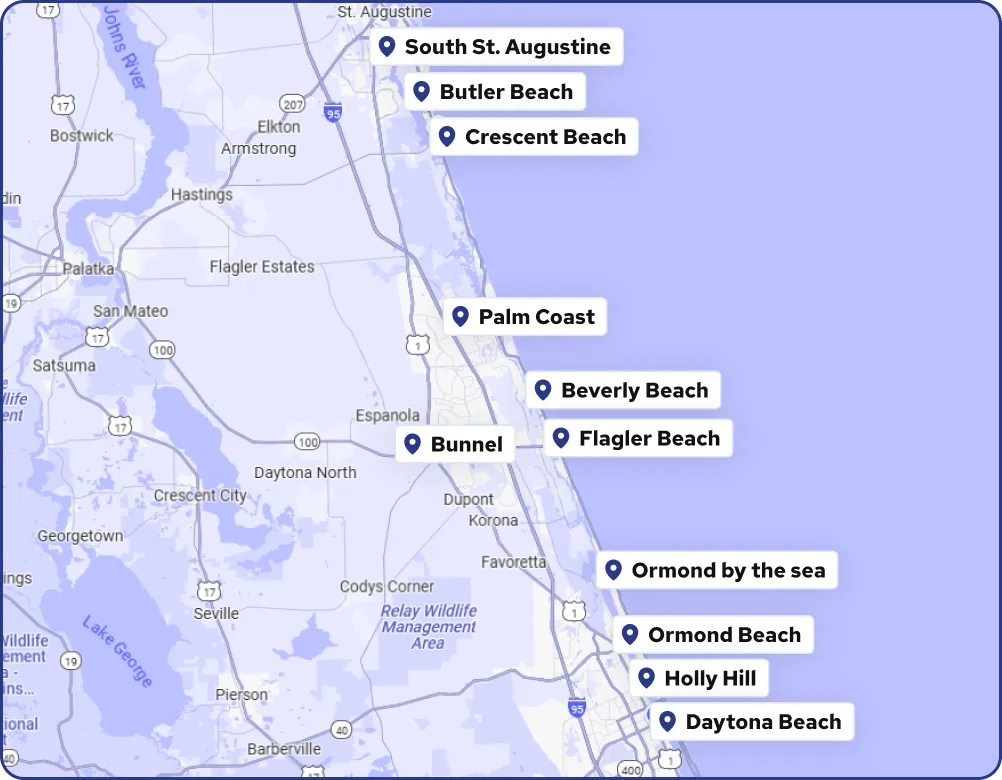
Service Areas