


Is Your Commercial Refrigeration Equipment Failing You?
A breakdown in your walk-in cooler, freezer, or display case stops your business cold, immediately risking inventory loss, revenue decline, and health code violations in Palm Coast. Contact us immediately for dispatch or click here to apply for financing.
When temperature controls fluctuate or compressors fail, you need a solution that prioritizes speed and technical accuracy. Accu-Temp Heating and Air Conditioning provides commercial operators with critical support to maintain business continuity:
- Rapid on-site diagnostics and repairs are performed within hours to save perishable stock.
- All makes and models are serviced, utilizing only certified OEM replacement parts to ensure warranty compliance.
- Comprehensive preventative maintenance protocols are designed to extend equipment lifespan and improve energy efficiency.
Fully licensed and insured technicians are ready to deliver guaranteed satisfaction for your business requirements.

Fast Resolution to Your Refrigeration Woes
Commercial refrigeration issues rarely happen at convenient times. When a unit goes down, the clock starts ticking on your perishable inventory. The primary objective is to restore the thermal integrity of your units before spoilage occurs. This requires technicians who carry a robust inventory of universal parts and diagnostic tools, allowing them to identify electrical faults, refrigerant leaks, or mechanical failures immediately upon arrival.
In the food service and retail sectors of Palm Coast, a "wait and see" approach is not an option. A walk-in cooler running five degrees too warm can lead to thousands of dollars in wasted product and potential citations from health inspectors. The focus is on diagnosing the root cause—whether it is a frozen evaporator coil, a failed condenser fan, or a calibrated thermostat issue—and implementing a permanent fix rather than a temporary patch.
High-quality service addresses the immediate symptom while checking the overall health of the system. By verifying refrigerant pressures, checking voltage across components, and inspecting door seals for air leaks, technicians ensure that the repair holds up against the high demands of a commercial kitchen or retail environment.

Today's Services: From Emergency Repairs to Routine Checks
Commercial refrigeration encompasses a wide array of complex machinery, each with specific operating parameters. Professional service covers the entire spectrum of equipment found in restaurants, grocery stores, florists, and medical facilities:
Walk-In Coolers and Freezers
These units are the workhorses of any commercial operation. Services include repairing door gaskets to prevent air infiltration, replacing defrost timers, and servicing large-scale compressors. Attention is given to insulation integrity and panel alignment to ensure the box holds temperature efficiently, even during high-traffic periods.
Reach-In Refrigerators and Display Cases
Customer-facing units must maintain consistent temperatures while recovering quickly from frequent door openings. Technicians address issues with air curtains, lighting ballasts, and evaporator fans that ensure even cooling distribution. Keeping these units running quietly and efficiently is essential for the customer experience.
Ice Machines
Ice machines are prone to scale buildup and bacterial growth if not properly maintained. Service includes deep cleaning of water lines, replacement of water filters, and adjustment of harvest cycles. Troubleshooting often involves addressing water inlet valves, freeze cycles, and bin controls to ensure a steady supply of sanitary ice.
Prep Tables and Undercounter Units
In a hot kitchen line, these compact units work harder than almost any other equipment. Repairs frequently focus on cleaning impacted condenser coils, replacing worn fan motors, and calibrating thermostats to keep ingredients in the safe zone despite high ambient temperatures in the kitchen.
Preventative Maintenance Plans
Reactive repair is costly and disruptive. Scheduled maintenance programs are designed to catch small issues before they become system failures. This includes cleaning condenser coils to lower head pressure, checking refrigerant levels, tightening electrical connections, and verifying the operation of safety controls. Regular maintenance reduces energy consumption and extends the life of the capital equipment.
Your Step-by-Step Guide to New Installations and Replacements
Installing commercial refrigeration equipment is not a plug-and-play operation. It requires precise calculation, adherence to building codes, and expert handling of refrigerants. A structured installation process ensures that the new equipment operates at peak efficiency from day one:
Site Assessment and Sizing
The process begins with a thorough evaluation of the facility. This involves calculating the heat load requirements based on the volume of product, the frequency of door openings, and the ambient temperature of the location. Improper sizing is a leading cause of premature equipment failure; undersized units run constantly, while oversized units short-cycle, leading to humidity issues.
Selection and Procurement
Based on the assessment, the correct equipment is selected. Factors include energy efficiency ratings (SEER), refrigerant type (adhering to current environmental regulations), and physical footprint. Sourcing involves coordinating with manufacturers to ensure timely delivery of units that meet specific business needs, such as blast chillers or specialized display cases.
Preparation and Utility Connections
Before the unit arrives, the installation site is prepped. This includes verifying that electrical circuits can handle the amperage load of the new compressors and that floor drains are properly positioned for condensate removal. In some cases, existing ductwork or shelving may need modification to accommodate airflow requirements.
Installation and Assembly
For walk-in units, panels are assembled with cam-lock mechanisms to ensure airtight seals. Refrigeration lines are brazed using nitrogen purging techniques to prevent oxidation inside the copper tubing. Compressors and condensing units are mounted securely, often on rooftops or remote pads, to reduce noise and heat within the facility.
System Charging and Calibration
Once the physical installation is complete, the system is pressure-tested with nitrogen to check for leaks. A vacuum is pulled to remove moisture and non-condensables from the lines. The system is then charged with the precise amount of refrigerant by weight. Finally, controls are calibrated to maintain the specific temperature range required for the inventory, and defrost cycles are programmed.
Deciding Between Repair and Replacement: A Quick Guide
Business owners frequently face the dilemma of whether to invest in repairing an aging unit or to allocate capital for a replacement. Making the right financial and operational decision requires analyzing several key factors:
The 50% Rule
A standard industry benchmark is the 50% rule. If the cost of the repair approaches or exceeds 50% of the value of the equipment (or the cost of a new unit), replacement is generally the smarter financial move. This is particularly true if the unit is out of warranty.
Age and Reliability History
Commercial refrigerators have an expected lifespan—typically 10 to 15 years for walk-ins and 7 to 10 years for reach-ins. If a unit is nearing the end of its service life and has required multiple repairs in the last year, it is likely becoming a money pit. Accu-Temp Heating and Air Conditioning can review the service history to help quantify the long-term cost of keeping an old unit running.
Energy Efficiency and Utility Costs
Older units often utilize outdated compressors and fan motors that consume significantly more electricity than modern equivalents. New equipment often meets Energy Star standards, which can drastically reduce monthly utility bills. Calculating the Return on Investment (ROI) based on energy savings often justifies an earlier replacement.
Refrigerant Type
Environmental regulations are phasing out certain older refrigerants (like R-22). If an older unit develops a leak and relies on an obsolete or expensive refrigerant, the cost to recharge it may be prohibitive. Retrofitting the unit for modern refrigerants is possible but often cost-ineffective compared to buying new equipment designed for eco-friendly coolants.
Performance consistency
If a unit struggles to hold temperature during peak service hours or takes too long to recover after loading, it poses a food safety risk. If repairs cannot guarantee consistent holding temperatures, replacement is necessary to protect the business from liability and product loss.
Navigating Palm Coast Regulations and Seasonal Considerations
Operating commercial refrigeration in Florida presents unique challenges due to the specific climate and regulatory environment. Equipment here must contend with conditions that are far more demanding than in cooler, drier regions:
High Humidity and Condensation Control
Palm Coast experiences high humidity levels for a significant portion of the year. This moisture load affects refrigeration equipment heavily. Walk-in coolers and freezers must have perfectly sealed envelopes to prevent moisture infiltration, which leads to ice buildup on evaporator coils and floors. Anti-sweat heaters on door frames are essential to prevent condensation from dripping onto the floor and creating slip hazards. Maintenance schedules must account for more frequent defrost cycles and rigorous inspection of drain lines to prevent algae growth and blockages common in humid environments.
Ambient Temperature Impact
During the long, hot summers, the ambient temperature in kitchens or outdoor condenser locations can soar. Refrigeration systems rely on heat exchange to cool the interior of the unit. when the outside air is 95°F or higher, the condenser must work much harder to reject heat. Equipment installed here requires robust ventilation and regular cleaning of condenser coils to prevent high head pressure, which can trip safety switches or burn out compressors.
Permitting and Code Compliance
Local building codes dictate specific requirements for the installation of commercial refrigeration, particularly for walk-in units. This includes electrical permitting to ensure dedicated circuits are up to code and mechanical permits for the installation of condensing units. Proper disposal of old equipment and recovery of refrigerants must be documented to comply with EPA Section 608 regulations. Adhering to these local standards prevents fines and ensures that insurance policies remain valid in the event of a claim.
Why Choose Us: Our Commitments and Credentials
Selecting a service provider for commercial refrigeration is a strategic business decision. The provider acts as a partner in ensuring operational stability:
- Licensed and Insured: Full compliance with all state and local licensing requirements protects the business owner from liability. Insurance coverage ensures that property and personnel are protected during all service operations.
- Technical Expertise: Technicians undergo rigorous training on the latest refrigeration technologies, control systems, and refrigerant handling protocols. This expertise translates to faster diagnosis and accurate repairs.
- Inventory Availability: Service vehicles are stocked with a wide range of universal parts, ensuring that many repairs can be completed on the first visit, minimizing downtime.
- Transparent Communication: Clear explanations of the problem, the proposed solution, and the associated costs are provided before any work begins. There are no hidden fees or surprise charges.
Commercial refrigeration requires precision, speed, and reliability. When equipment fails, the priority is restoring operations with minimal disruption to the business. Professional service ensures that cooling systems run efficiently, compliant with regulations, and reliably for years to come.
Protect Your Business with Fast, Expert Refrigeration Support
When commercial refrigeration fails, every minute matters—your inventory, revenue, and compliance depend on immediate, qualified action. With Accu-Temp Heating and Air Conditioning, you gain a rapid-response team equipped to diagnose issues quickly, restore precise temperature control, and safeguard your operation with long-lasting solutions.
Ensure your perishable inventory is protected by experts who understand the urgency of your business. Schedule a comprehensive diagnostic or maintenance service now.
Contact Us
Why Choose One Company for Everything?

Simplicity

Expertise

Savings
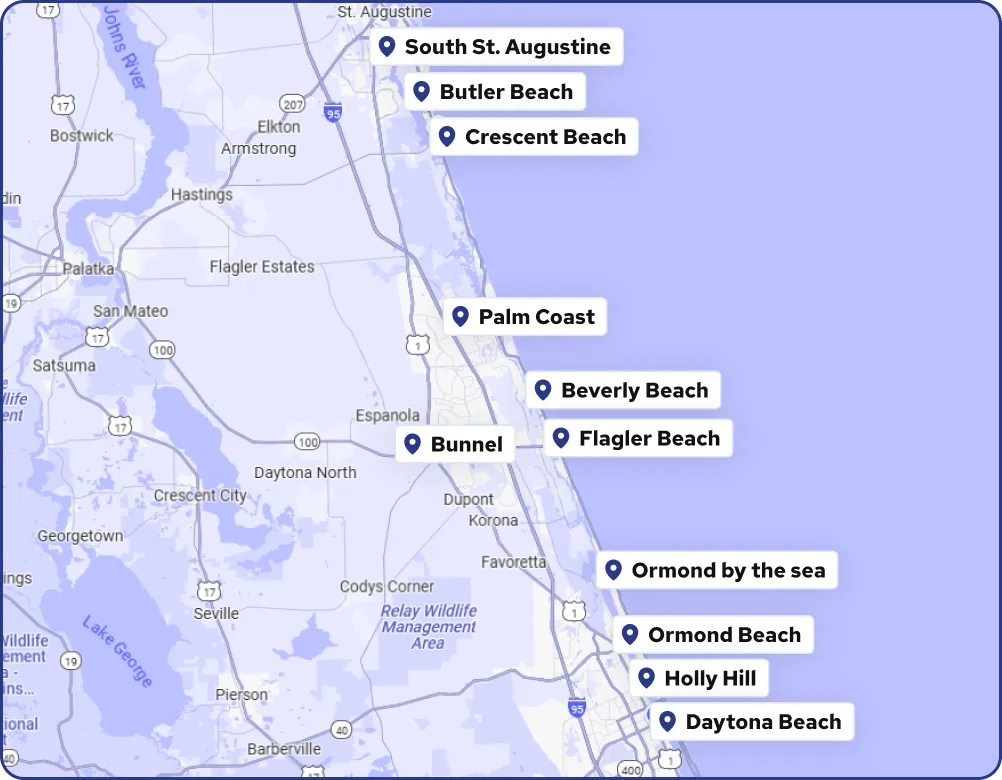
Service Areas