



Experiencing Slow Drying Times? Your Dryer Vent May Be to Blame
Is your laundry taking longer than usual to dry, requiring multiple cycles to get towels or jeans fully dry in your Crescent Beach home? A clogged dryer vent might be reducing your dryer's efficiency and strictly risking your home's safety; contact us today to schedule an inspection or view our financing options.
When airflow is restricted, your appliance works overtime, leading to higher utility bills and potential mechanical failure. Accu-Temp Heating and Air Conditioning provides specialized cleaning services designed to restore your system to peak performance immediately.
- Speed up your drying times with our comprehensive vent cleaning.
- Reduce energy consumption and monthly bills.
- Prevent potential fire hazards from lint buildup.
Licensed, insured, and trusted for over a decade - your safety is our priority.

Why Clean Your Dryer Vent Can Save You Time and Money
Many homeowners overlook the dryer vent until a problem becomes undeniable. However, the ductwork connecting your dryer to the outside of your home is a critical component of your household's efficiency. When this line becomes obstructed with lint, debris, or nesting materials, the consequences are immediate and financial.
The primary benefit of professional cleaning is a drastic reduction in drying time. When a vent is clear, moist air escapes freely, allowing the dryer to do its job in a single cycle. Conversely, a clogged line traps heat and moisture inside the drum. This forces you to run the machine longer, which directly impacts your electricity or gas usage. In a humid environment, the strain on the appliance is even greater, often leading to premature heating element burnout or motor failure.
Beyond the financial savings on utilities and appliance repairs, safety is the driving factor for this service. Lint is highly flammable. When combined with the high heat generated by a dryer struggling to push air through a blockage, the risk of ignition increases significantly. Regular removal of these obstructions neutralizes this threat, protecting your property and family from preventable fires.

Our Comprehensive Cleaning Process: What to Expect
We approach dryer vent cleaning as a technical service that requires precision and the right industrial-grade equipment. It is not enough to simply clean the lint trap or vacuum the immediate area behind the dryer. Our service targets the entire length of the venting system, from the connection at the back of the unit to the termination point outside your home.
When our technicians arrive at your property in Crescent Beach, they bring specialized tools designed to navigate the twists and turns of ductwork without causing damage. This includes high-powered vacuum systems with HEPA filtration to capture debris without releasing it into your indoor air quality. We also utilize rotary brush systems that snake through the duct, agitating stubborn lint that has adhered to the duct walls due to humidity or condensation.
The scope of our work includes a visual inspection of the transition hose—the flexible piece connecting the dryer to the wall. This component is often a weak point where kinks or crushing can occur. We check for proper materials, ensuring that plastic or foil hoses, which are known fire hazards, are identified. We also inspect the exterior vent hood to ensure the damper opens correctly when the dryer is running and closes tight to prevent pests from entering when the system is off.
From Assessment to Completion: Our Detailed Cleaning Steps
We follow a rigorous protocol to ensure every inch of your venting system is clear. This systematic approach guarantees consistent results and verifies that airflow has been fully restored.
- Initial Airflow Assessment and Safety Check:
The process begins with measuring the current airflow exiting the exterior vent. We use specialized gauges to determine the severity of the blockage. Simultaneously, we inspect the positioning of the dryer to ensure the rear intake is not blocked and that the transition hose is not crushed against the wall.
- Disconnection and Protection:
We carefully move the dryer away from the wall to access the main duct line. Before any cleaning begins, we protect your floors and surrounding areas to prevent dust or lint from settling in your laundry room. The transition hose is disconnected, and the cleaning equipment is attached directly to the main duct line.
- Rotary Brush Agitation and Extraction:
A rotating brush is fed into the ductwork, powered by a flexible cable system. As the brush spins, it dislodges lint, dust, and debris from the interior walls of the pipe. Simultaneously, a high-velocity vacuum pulls the loosened material backward into a containment system. This push-pull method ensures that clogs are not compacted further down the line but are completely removed.
- Exterior Vent Cleaning and De-nesting:
We clean the termination point from the outside. This is a common area for lint to accumulate and form a "plug." If bird guards or screens are present, we clean them thoroughly. If we discover evidence of bird or rodent nests, these obstructions are carefully removed to restore the full diameter of the opening.
- Reconnection and Final Verification:
Once the line is clear, we reconnect the transition hose, ensuring it is clamped securely and positioned to maximize airflow. We then push the dryer back into place. Finally, we run the dryer and measure the exterior airflow again. This before-and-after reading provides concrete proof that the system is operating at safe, efficient levels.
Signs That Your Dryer Vent Needs Immediate Attention
Waiting for a complete blockage often results in a broken appliance. There are distinct warning signs that indicate your system is struggling to exhaust air properly. Recognizing these symptoms early allows you to schedule service before the situation escalates into a safety hazard or requires expensive repairs.
- Clothes Are Hot but Damp:
If your clothes feel extremely hot to the touch after a cycle but remain damp, the moisture is not escaping. The heat is trapped in the drum, "baking" the clothes rather than drying them. This is a classic sign of a blocked exhaust.
- The Dryer Exterior is Too Hot:
While dryers generate heat, the top and sides of the machine should not be painful to touch. Excessive heat radiating from the appliance body suggests that the hot air is backing up because it cannot exit through the vent.
- Lint Accumulation Around the Dryer:
If you notice lint settling on shelves, the floor, or the washer next to the dryer, it indicates a leak in the exhaust system or back pressure forcing lint out of the machine's seals. This requires immediate investigation.
- The Vent Hood Flap Does Not Open:
Go outside while the dryer is running. If the flaps on the vent hood are not visibly blowing open, airflow is severely restricted. If you cannot feel a strong stream of air coming out, the line is clogged.
- Burning Smells:
A distinct burning odor when the dryer is running is a critical warning. This usually means lint has backed up into the heating element housing and is singeing. If you smell this, stop the dryer immediately and call Accu-Temp Heating and Air Conditioning for service.
- Excessive Lint in the Trap:
While checking the lint trap is normal, finding that the trap is overflowing or that lint is left on the clothing despite a clean trap can indicate that the downstream air velocity is too low to pull the lint into the trap effectively.
Adapting to Crescent Beach's Climate: Why Regular Cleaning is Essential
The local environment in Crescent Beach presents unique challenges for dryer maintenance that differ from drier climates. High humidity levels are a constant factor. When a dryer exhausts hot, moist air into a vent that is already surrounded by humid outdoor air, condensation can form inside the ductwork.
This moisture acts like glue for lint. Instead of remaining a dry, fluffy substance that is easily blown out, the lint becomes heavy and wet. It sticks to the walls of the pipe, layer by layer, narrowing the passage much faster than it would in a dry climate. This "plastering" effect creates a dense blockage that is difficult to remove without professional mechanical brushing.
Furthermore, the salt air common in coastal regions can accelerate corrosion on metal vent hoods and dampers. If a damper rusts shut or becomes stiff, it will not open when the dryer runs, instantly blocking airflow. Conversely, if it rusts in the open position, it invites local wildlife into the duct. During cooler months or storm seasons, rodents and birds often seek shelter in dryer vents. A nest acts as a complete cork in the system, creating a severe fire hazard.
Regular cleaning in this region is not just about removing lint; it is about managing moisture and ensuring that the physical components of the vent are withstanding the coastal elements. We inspect for signs of rust and moisture damage during every service call to ensure the integrity of the line.
Choose Us: Licensed, Insured, Top-Rated
Selecting a service provider for dryer maintenance means trusting a technician to work on a system that directly impacts your home's fire safety. We operate with a high level of professionalism and technical expertise that separates us from general handymen or non-specialized cleaners.
Our technicians are fully trained to understand local building codes regarding duct length, material types, and proper termination. We know the difference between rigid metal ducting, which is code-compliant and safe, and flexible foil or vinyl ducts that can trap lint and pose risks. When we encounter non-compliant or damaged materials, we have the expertise to recommend and implement the correct solutions.
We arrive equipped to handle difficult access points, including roof vents and second-story terminations. Our commitment to property protection means we leave your laundry area cleaner than we found it. We carry full insurance, providing you with peace of mind that your home is protected during the service. By focusing on data-driven results—measuring airflow before and after—we ensure that you are paying for a tangible improvement in performance and safety.
Book Your Cleaning Today!
Don't let a clogged vent threaten your home or inflate your energy bills. Ensure your dryer operates efficiently and safely with professional cleaning from Accu-Temp Heating and Air Conditioning.
Restore your dryer's performance and protect your home today—click here to schedule your vent cleaning service.
Contact Us
Why Choose One Company for Everything?

Simplicity

Expertise

Savings
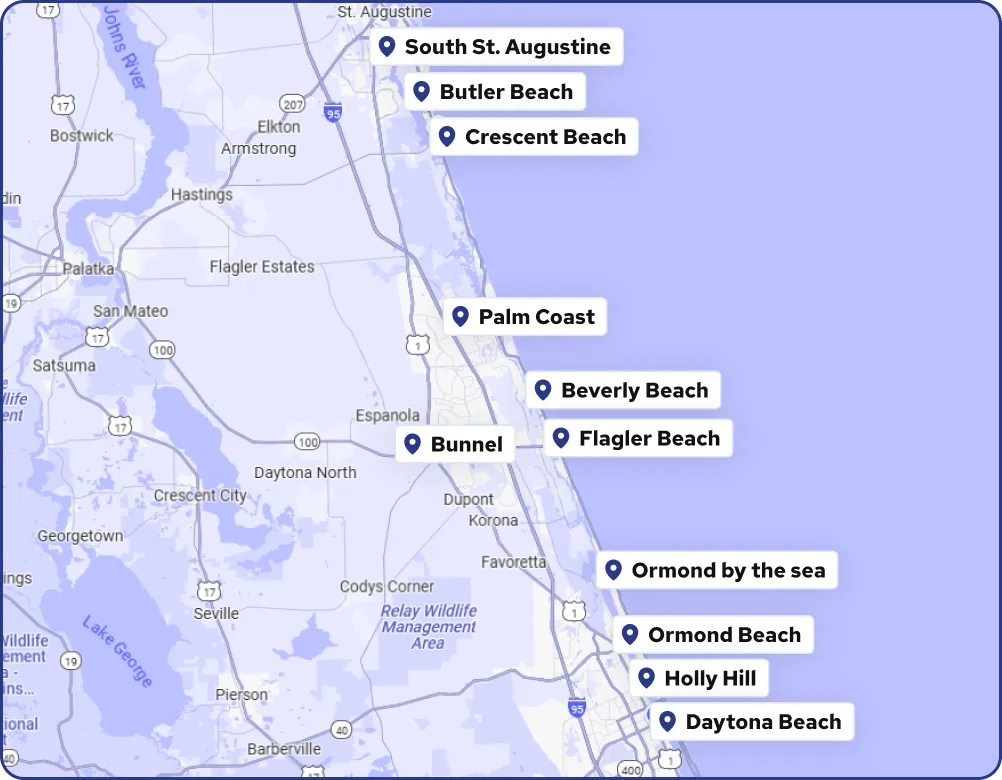
Service Areas