



Is Your Home at Risk from a Clogged Dryer Vent?
Noticing your clothes taking longer to dry or a burning smell during the cycle? These are signs that your home may be at risk due to a clogged dryer vent, and you should contact us regarding service or financing options immediately. While the lint trap catches a portion of the debris, significant amounts of lint bypass this filter and accumulate inside the venting system, restricting airflow and creating dangerous conditions. Accu-Temp Heating and Air Conditioning addresses these issues directly to restore safety and functionality to your laundry room.
- Ensure faster drying times and lower energy costs.
- Reduce the risk of fire with professional lint and debris removal.
- Extend the life of your dryer with efficient vent maintenance.
Backed by a satisfaction guarantee and comprehensive insurance for every service.

Immediate Safety and Efficiency Gains
The primary function of a dryer vent is to expel hot, moist air and lint byproducts from your home. When this pathway becomes obstructed, the consequences are immediate and measurable. A clogged vent forces your appliance to work significantly harder to push air through the blockage. This increased strain does not just result in damp clothes; it drastically increases energy consumption. You may find yourself running the same load two or three times to achieve dryness, essentially doubling or tripling the cost of that laundry cycle.
Beyond energy inefficiency, the safety implications are severe. Lint is highly flammable. When airflow is restricted, heat builds up inside the dryer drum and the vent line. If the temperature exceeds the combustion point of the accumulated lint, a fire can ignite within the walls of your home. Professional cleaning eliminates this fuel source. Furthermore, for homes utilizing gas dryers, a blocked vent prevents carbon monoxide from venting to the exterior. This odorless, colorless gas can backdraft into your living space, posing a serious health risk to occupants. Clearing the line ensures that combustion gases are safely directed outdoors.
Signs Your Dryer Vent Needs Immediate Attention
Homeowners often attribute poor dryer performance to the age of the machine rather than the condition of the venting system. However, specific indicators suggest that the vent, not the appliance, is the root cause of the problem. Recognizing these warning signs early can prevent costly repairs and safety hazards.
- Excessive Drying Times: If a standard load of laundry takes more than one cycle to dry, airflow is likely restricted. The moisture has nowhere to go, leaving clothes damp and hot.
- Burning Smell: A distinct burning odor while the dryer is running indicates that lint is likely singeing in the trap or the exhaust tube. This is a critical warning sign of potential fire danger.
- Hot Exterior: When the dryer cannot exhaust heat, the top of the appliance becomes hot to the touch. You may also notice that the clothes themselves feel unusually hot at the end of a cycle.
- Vent Hood Flap Remains Closed: The outdoor vent flap should open when the dryer is running, indicating strong airflow. If it remains closed or only opens partially, the air velocity is insufficient due to a blockage.
- Lint Accumulation Around the Exhaust: Seeing lint collecting on the ground outside or around the vent opening suggests the system is clogged and backing up.
The Comprehensive Vent Cleaning Process
Effective dryer vent cleaning requires more than a simple vacuuming of the entry point. To fully restore airflow and safety, the entire run of the ductwork must be addressed, from the back of the dryer to the termination point outside the home. The process begins with a thorough inspection of the system. Technicians assess the airflow using static pressure gauges to determine the severity of the blockage and identify any structural issues within the ductwork.
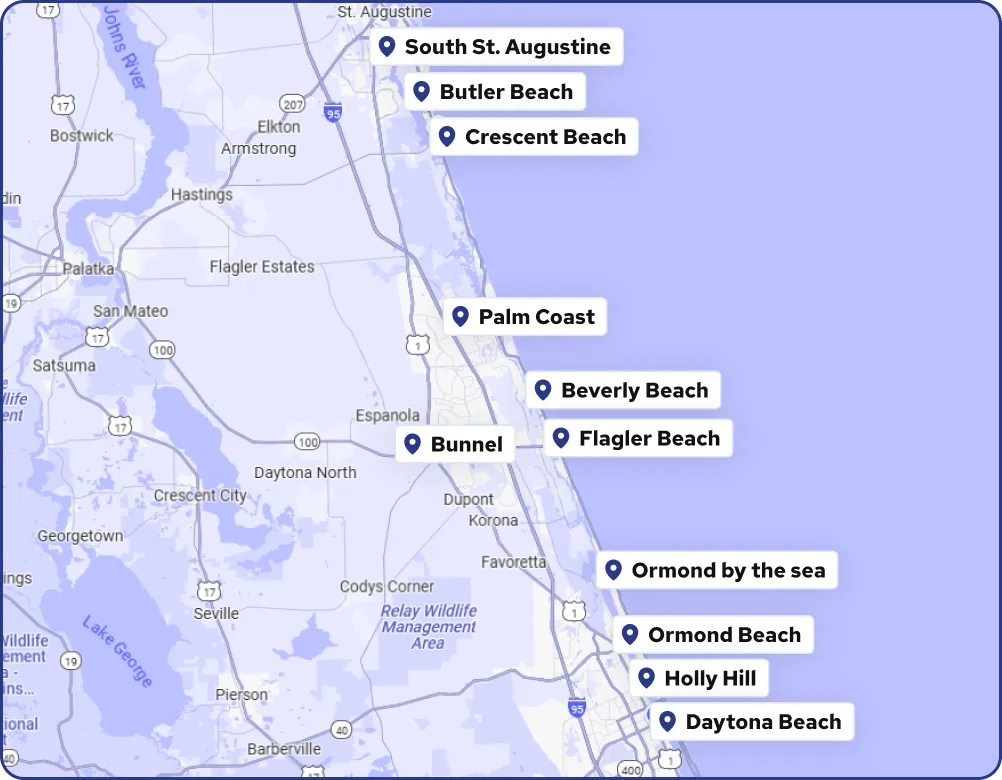
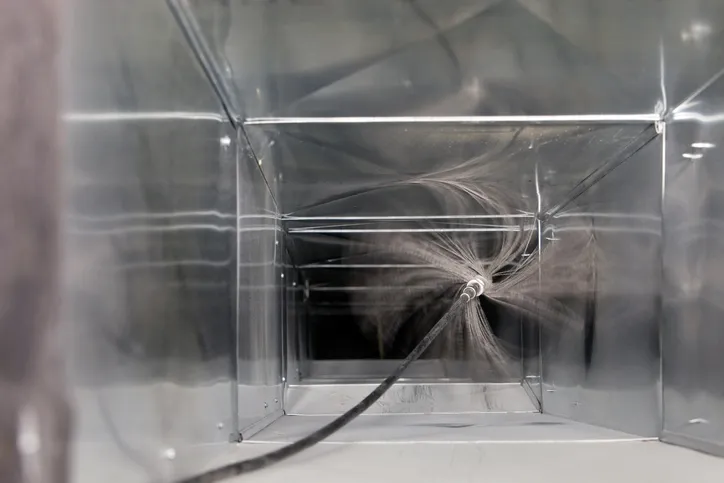
Once the assessment is complete, the cleaning process involves specialized agitation tools. A rotary brush system is typically fed through the ductwork. This brush spins at high speeds, dislodging lint that has plastered itself to the walls of the pipe over years of use. This is particularly important for residents in humid areas like Ormond by the Sea, where moisture causes lint to adhere stubbornly to duct walls.
As the brush loosens the debris, a high-powered vacuum system is attached to the line to capture the lint immediately. This negative pressure ensures that dust and allergens are not blown back into your living space but are contained within a filtration system.
- Disconnecting the Appliance: The service team carefully moves the dryer to access the transition duct connecting the appliance to the wall.
- Cleaning the Transition Duct: The flexible hose behind the dryer is often a hotspot for clogs. This is cleaned or replaced if it is damaged or made of non-compliant plastic material.
- Main Line Cleaning: The rotary brush and vacuum system navigate the entire length of the duct, including elbows and bends where lint tends to accumulate.
- Exterior Vent Cleaning: The termination point on the roof or side of the house is cleaned to remove bird nests or screen obstructions that hamper airflow.
- Final Airflow Test: After cleaning, the system is retested to verify that air velocity has returned to optimal levels and backpressure has been eliminated.
Why Professional Cleaning Beats DIY
Many homeowners attempt to clean their dryer vents using DIY kits found at hardware stores. While these kits may remove superficial lint near the opening, they often fail to address deep-seated blockages and can sometimes make the problem worse. Consumer-grade drill attachments usually lack the flexibility to navigate multiple 90-degree turns in the ductwork. If a brush head detaches inside the wall, it creates a permanent obstruction that may require opening the drywall to retrieve.
Furthermore, DIY methods often involve shop vacuums that lack the necessary suction power to clean long duct runs effectively. Using a leaf blower or insufficient vacuum can compact the lint further down the line rather than removing it, creating a dense plug that completely stops airflow. Accu-Temp Heating and Air Conditioning utilizes industrial-grade equipment designed specifically for long duct runs and complex venting configurations, ensuring a complete clean without risking damage to the rigid metal ductwork.
Another critical distinction is the inspection capability. Professionals are trained to spot disconnected joints, crushed pipes, and code violations that a homeowner might miss. Ensuring the physical integrity of the vent line is just as important as removing the lint. If a pipe is disconnected inside a ceiling or wall, moist air and lint will be pumped into the structure of the house, leading to mold growth and structural damage over time.
The Impact of Humidity on Dryer Vents
The local climate plays a significant role in how quickly dryer vents become obstructed. In regions with high humidity, such as Ormond by the Sea, the interaction between ambient moisture and dryer lint creates a unique challenge. Dryer lint is hygroscopic, meaning it absorbs moisture. When the air intake for the dryer is humid, or the air surrounding the ductwork is damp, the lint does not remain light and fluffy. Instead, it becomes heavy, sticky, and paste-like.
This "wet lint" adheres aggressively to the interior walls of the ductwork. Standard airflow from the dryer is often insufficient to push this heavy debris out to the exterior vent. Over time, layers of this sticky lint build up, narrowing the diameter of the pipe much faster than in dry climates. This accumulation significantly restricts the volume of air that can pass through, causing the dryer's thermal fuse to blow or the heating element to overheat.
Additionally, the presence of trapped moisture within the vent line creates an ideal environment for mold and mildew growth. If a vent remains clogged in a humid environment, the stagnant, warm, moist air can lead to fungal growth that affects indoor air quality. Regular professional maintenance is the only way to effectively scour this sticky accumulation from the duct walls and ensure that moisture is properly exhausted from the home.
When to Repair or Replace Venting Materials
Cleaning is not always the only solution required. During the service, the condition of the venting materials is evaluated to determine if repairs or replacements are necessary for safety and code compliance. Over time, venting components degrade, become crushed, or are revealed to be made of improper materials.
- Replacing Foil or Plastic Transitions: Many older installations use white vinyl or thin foil accordion-style hoses behind the dryer. These are fire hazards as they trap lint easily and can melt or ignite. Replacing these with semi-rigid or rigid metal venting is a standard safety upgrade.
- Fixing Disconnected Joints: The vibration of the dryer can cause duct sections inside walls or attics to separate. Re-taping and securing these joints with aluminum foil tape (not duct tape) ensures airtight seals and prevents moisture from leaking into the home structure.
- Uncrushing Behind-the-Dryer Hoses: In tight laundry spaces, the dryer is often pushed back too far, crushing the transition hose. This restricts airflow immediately. Installing space-saving rigid elbows or dryer boxes allows the appliance to sit closer to the wall without compromising airflow.
- Upgrading Exterior Terminations: Plastic vent hoods on the exterior of the home become brittle in the sun and crack. Replacing damaged hoods with durable metal options prevents pests, birds, and rodents from entering the ductwork to build nests, which is a common cause of sudden, total blockages.
Specialized Service for Coastal Homes
Homes in coastal areas face specific challenges regarding maintenance. The salt air can accelerate corrosion on metal components, including the exterior vent hood and the damper flap. If the damper mechanism corrodes and sticks shut, the dryer cannot exhaust air, regardless of how clean the interior pipe is. Conversely, if it sticks open, humid air and pests have free access to the home.
Technicians operating in this region understand the specific construction styles common in the area, from single-family homes to multi-story condominiums. Each building type presents unique venting configurations. Some vent through the roof, creating long vertical runs that require significant backpressure to clear. Others vent through the side, often requiring ladders for exterior access. Understanding the nuances of these configurations ensures that the cleaning strategy is adapted to the specific layout of the property, guaranteeing a comprehensive result regardless of where the laundry room is located.
Furthermore, seasonal considerations are vital. During the peak storm season, ensuring that the exterior vent flap closes properly prevents wind-driven rain from entering the ductwork. A properly maintained vent system is part of weatherproofing the home against the elements.
Securing Your Home Against Hidden Hazards
Neglecting dryer vent maintenance is a gamble with home safety and energy efficiency. The gradual accumulation of lint is a silent threat that reduces the lifespan of your appliance and increases the risk of fire and carbon monoxide exposure. By choosing professional service, you eliminate these variables and restore the performance of your laundry system.
The difference between a sluggish, hazardous dryer and an efficient, safe appliance is a thorough, professional cleaning. Accu-Temp Heating and Air Conditioning provides the expertise, equipment, and attention to detail required to protect your home and family. Do not wait for warning signs to escalate into system failure.
Protect your home from fire hazards and stop overpaying on energy bills today—click here to schedule your professional dryer vent cleaning service now.
Contact Us
Why Choose One Company for Everything?

Simplicity

Expertise

Savings
Service Areas