


Is Your Cooling System Failing to Combat the Humidity?
As the heavy heat waves settle over Florida, the reliability of your air conditioning unit shifts from a convenience to an absolute necessity. If your system has stopped cooling or is making alarming noises, you need immediate professional intervention to restore safety and comfort to your home. Contact us today to schedule a diagnostic visit or to learn about our financing options for major repairs.
When you live in South St. Augustine, a malfunctioning AC during the summer peak isn't just uncomfortable; it disrupts your entire life. You need a team that understands the urgency of high humidity levels and soaring temperatures. Accu-Temp Heating and Air Conditioning is prepared to address these critical failures with speed and precision.
- Receive same-day AC repair services to restore comfort promptly.
- Depend on licensed experts with over 20 years of local experience.
- Benefit from transparent pricing and warranties on all repairs.
- Fully licensed and insured, with extended warranties available for your peace of mind.
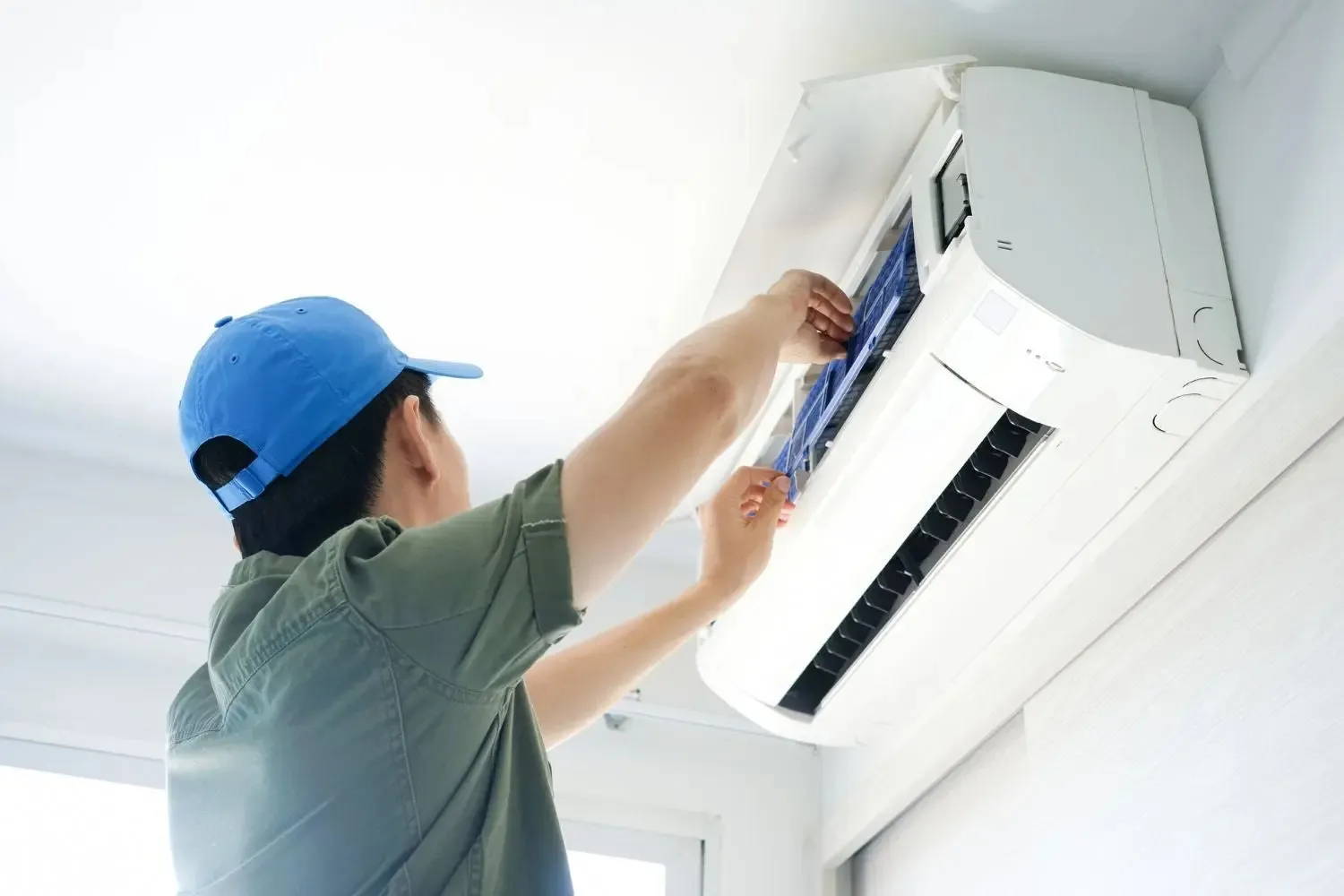
What to Expect From Your AC Repair Service Today
When your cooling system goes down, the immediate goal is to diagnose the root cause accurately and implement a fix that lasts. The focus is on rapid mobilization. You do not have time for multiple trips or technicians who arrive without the necessary tools. A professional service call begins with a fully stocked truck containing universal parts, refrigerants, and diagnostic equipment capable of handling the majority of residential cooling issues on the spot.
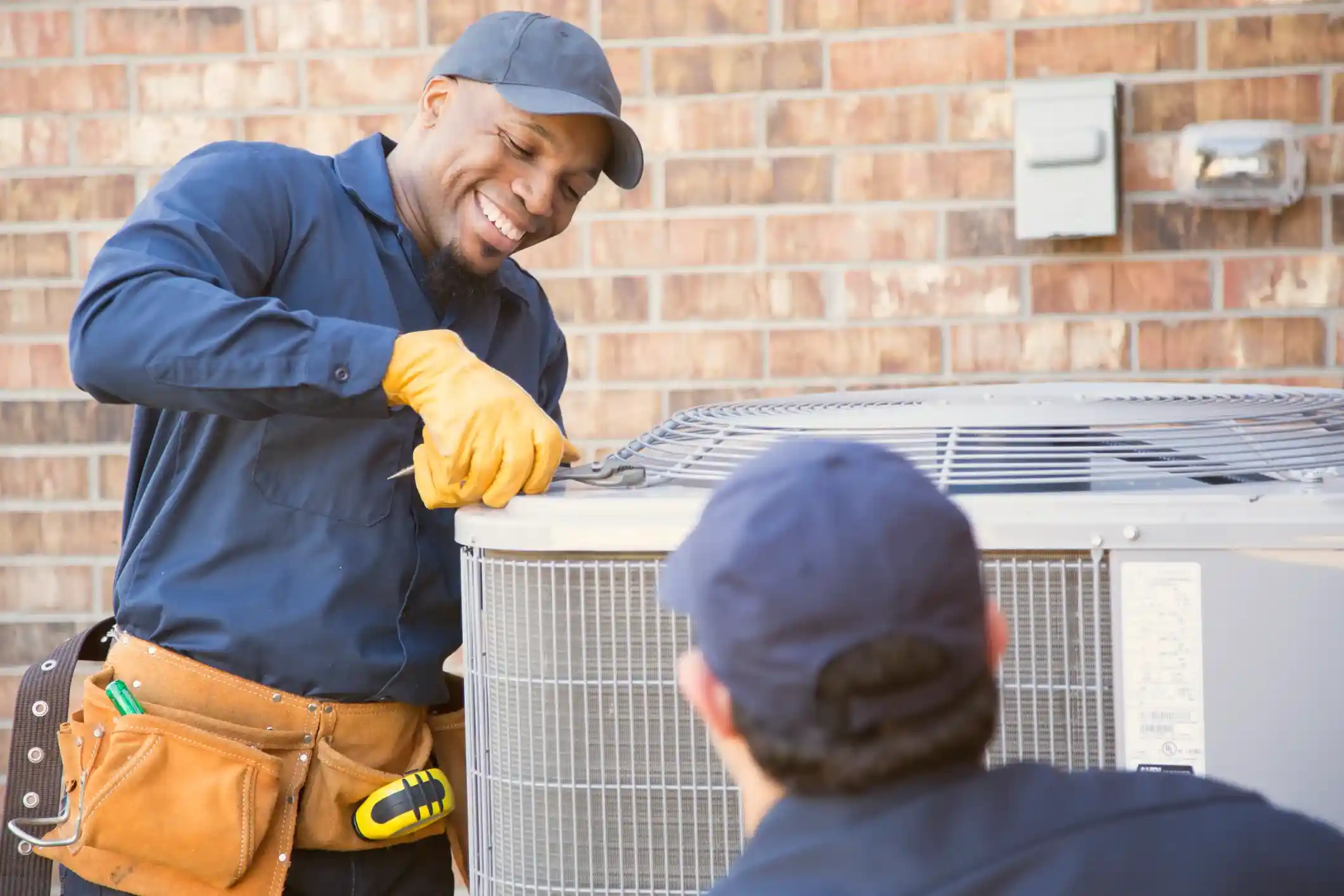
Comprehensive System Diagnostics
The repair process starts with a thorough evaluation of the entire HVAC system, not just the component that seems broken. A symptom like "blowing warm air" can stem from multiple sources, ranging from a simple capacitor failure to a complex refrigerant leak.
- Electrical Analysis: Technicians test starting components, capacitors, contactors, and relays to ensure electricity is flowing correctly to the compressor and fan motors.
- Airflow Assessment: Restricted airflow causes coils to freeze. The team checks air filters, ductwork integrity, and blower motor performance.
- Refrigerant Levels: Using digital gauges, technicians measure subcooling and superheat levels to determine if the system is undercharged (leaking) or overcharged.
- Condensate Drain Inspection: In humid climates, drain lines frequently clog with algae. This is checked to prevent water damage and safety switch tripping.
Addressing Common Failures
High usage hours in Florida lead to specific types of wear and tear. The repair scope often involves addressing components that take the brunt of the heat load.
- Capacitor Replacement: The most common failure point during heatwaves. The capacitor gives the compressor the jolt it needs to start. When it fails, the outdoor unit hums but does not run.
- Contactor Replacement: These switches control the flow of electricity. Pitted or burnt contactors can cause the compressor to run continuously or not at all.
- Refrigerant Leak Repair: If levels are low, simply adding more Freon is not the solution. The leak must be located (often in the evaporator coil or line set), brazed, and tested.
- Fan Motor Replacement: If the outdoor fan dies, the compressor overheats and shuts down on thermal overload. If the indoor blower dies, the coil freezes solid.
How the Repair Process Works
Restoring your comfort follows a logical, step-by-step procedure designed to minimize downtime and eliminate guesswork. We utilize a systematic approach to ensure that once the repair is made, the system remains reliable for the rest of the season.
- Arrival and Site Protection: The technician arrives within the scheduled window. Before entering your home, shoe covers and floor mats are used to protect your property.
- Initial Assessment: You describe the symptoms—strange noises, smells, or temperature discrepancies. The technician uses this information to narrow down the potential issues.
- Testing and Isolation: Power is disconnected for safety. Using multimeters and pressure gauges, the technician isolates the faulty component. This involves testing the electrical continuity and measuring pressures against the manufacturer's specifications.
- Presentation of Options: Once the problem is identified, you receive a clear explanation of what failed and why. You are presented with repair options and a flat-rate price before any work begins. There are no surprise fees at the end of the job.
- Execution of Repair: Upon your approval, the technician performs the repair. This may involve wiring in a new motor, brazing a copper line, or chemically cleaning a dirty coil.
- System Verification: The job is not done when the part is installed. The system is powered back on and monitored for a full cycle. Technicians check the temperature split (the difference between supply and return air) to ensure the unit is cooling effectively.
- Cleanup and Reporting: All debris and old parts are removed from the site. You receive a digital report detailing the work performed, vital system readings, and warranty information for the new parts.
Determining When to Repair vs. Replace
Homeowners often face the difficult decision of whether to pour more money into an aging system or invest in a new one. This decision should be based on data and financial logic, not sales pressure. There are specific thresholds where repair is the smart choice, and others where replacement is the more fiscally responsible option.
The 50% Rule
A general guideline in the industry is the 50% rule. If the cost of the necessary repair approaches 50% of the value of the system (or the cost of a new unit), replacement is usually the better path. However, if the repair cost is low and the unit has been generally reliable, fixing it is the right move.
Age and Refrigerant Type
The age of your equipment plays a massive role in this decision.
- Under 10 Years: Most units are designed to last 10 to 15 years. If your system is under a decade old and well-maintained, repairing it is almost always the preferred option.
- Over 15 Years: Efficiency drops significantly as units age. A major component failure (like a compressor) in a 15-year-old unit is often a sign that other parts are about to fail as well.
- R-22 vs. R-410A: If your older unit utilizes R-22 (Freon), repair costs can be exorbitant due to the phased-out status of this refrigerant. Leaks in R-22 systems often necessitate a system replacement because the refrigerant itself is scarce and expensive.
Frequency of Breakdowns
Consider the repair history of the unit.
- One-off Issue: A single failed part in three years is normal maintenance. Repair it.
- Chronic Issues: If you have called for service multiple times in the last two years for different issues, the system has likely become a "money pit." In this scenario, monthly payments on a new, high-efficiency system may be lower than your cumulative repair bills and energy costs.
Local Considerations for South St. Augustine
Operating an air conditioner in South St. Augustine presents unique challenges compared to other regions. The environment here is aggressive toward mechanical equipment, and local regulations influence how repairs and replacements are handled.
Salt Air and Corrosion
Proximity to the coast introduces salt spray into the air. This accelerates corrosion on the aluminum fins and copper tubing of the outdoor condenser unit.
- Coil decay: Salt eats away at the heat transfer surfaces, leading to refrigerant leaks and reduced efficiency.
- Electrical shorts: Corrosion can affect electrical connections, leading to intermittent failures.
- Protective measures: During repairs, technicians may recommend specialized coil coatings or rinsing procedures to extend the life of the unit in this coastal environment.
Humidity Management
In this region, the AC unit is not just a temperature controller; it is a dehumidifier.
- Sizing matters: If a system is short-cycling (turning on and off too quickly), it cools the air but fails to remove moisture. This leads to a clammy, uncomfortable home and promotes mold growth.
- Drain line maintenance: The biological growth in condensate lines is accelerated by the constant warmth and moisture. Regular clearing of these lines is critical to prevent water damage to ceilings and floors.
Electrical Storms and Surges
Summer afternoons in Florida frequently bring thunderstorms. Lightning strikes and grid fluctuations can send damaging voltage surges through your HVAC system.
- Component damage: Control boards and compressor motors are highly susceptible to voltage spikes.
- Surge protection: Many homeowners in the area opt to have surge protectors installed at the unit disconnect box during a repair visit to prevent future catastrophic electrical failure.
Why Professional Execution Matters
Attempting DIY repairs on modern HVAC equipment is dangerous and often voids manufacturer warranties. High-voltage electricity, high-pressure refrigerants, and complex control boards require certified expertise. Professional service ensures that the repair complies with all local building codes and safety standards.
Accu-Temp Heating and Air Conditioning employs technicians who are rigorously trained to handle the specific equipment brands and models found in Florida homes. We move beyond simple "parts changing" and focus on holistic system health. By adhering to strict industry protocols (ACCA standards), we ensure that your system operates at peak efficiency, keeping your energy bills in check while providing maximum comfort.
From accurate diagnostics to the final safety check, professional service eliminates the risk of recurring problems. We stand behind our work with labor warranties and responsive support, ensuring that you are never left sweltering in the heat.
Why Choose Us
Local Expertise You Can Rely On
With over 20 years serving South St. Augustine, we understand the local climate and how it affects your AC. From high humidity to salt air, we know the common issues and how to fix them quickly and effectively.
Certified and Prepared Technicians
Our licensed HVAC professionals come fully prepared with the right tools and parts to complete most repairs on the first visit. You can trust that the job will be done safely, efficiently, and correctly.
Transparent and Fair Pricing
We provide clear explanations of the problem and repair options before starting work. Our flat-rate pricing means no surprises, so you know exactly what you’re paying for.
Reliable Support and Warranties
All repairs come with labor warranties, and our team is always available for follow-up support. Being fully licensed and insured, we protect your home and system every step of the way.
Focus on Long-Term System Health
We look at your entire system, not just the broken part, to prevent future problems. Our goal is to improve performance, efficiency, and reliability so your AC runs smoothly all season.
Restore Your Comfort Now
Do not let a broken air conditioner compromise your home’s safety or your family's comfort. The heat in South St. Augustine is unforgiving, and waiting is not an option. You need a solution that is fast, effective, and backed by a guarantee of quality.
Contact us immediately to dispatch a technician to your home and get your cooling system running efficiently again.
Contact Us
Why Choose One Company for Everything?

Simplicity

Expertise

Savings
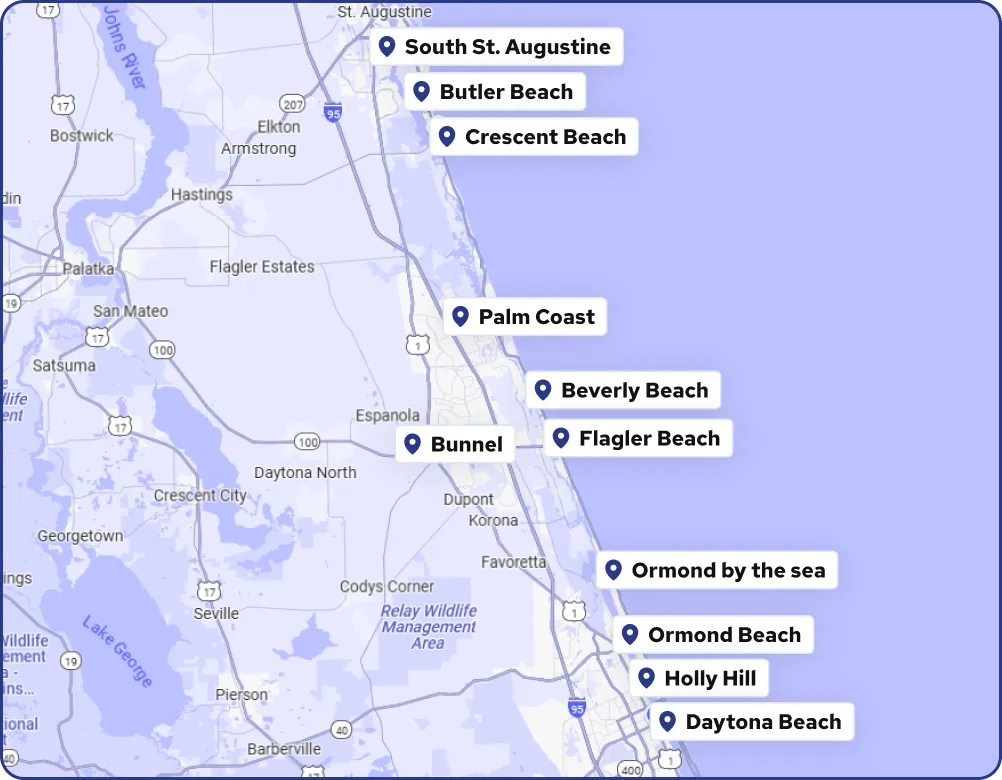
Service Areas