


Is Your AC Ready for the Florida Heat?
Combat the intense South St. Augustine heat with preventive AC maintenance. Ensuring your unit is functioning efficiently can save you from unexpected breakdowns and high energy bills. Schedule your comprehensive system tune-up today by calling our local office to secure your appointment.
- Reduce your chance of breakdowns with regular check-ups.
- Increase your AC's efficiency to save on energy costs.
- Enjoy faster, guaranteed service to keep cool, even in peak summer.
All services are certified and come with a satisfaction guarantee.
Comprehensive System Diagnostics and Cleaning
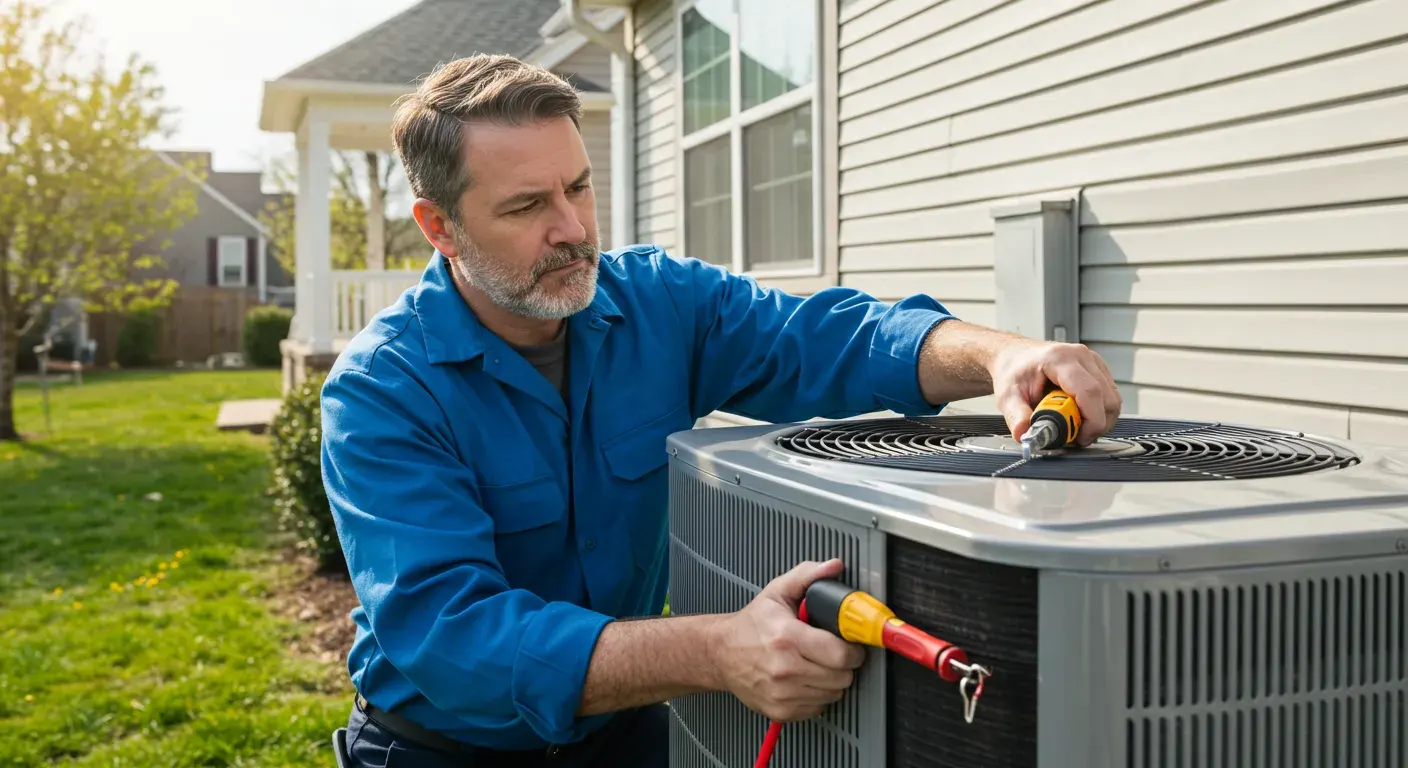
Routine maintenance is not simply a visual inspection; it is a rigorous process designed to return your cooling system to factory specifications. When a technician arrives at your property in South St. Augustine, the goal is to identify micro-issues before they evolve into major mechanical failures. A properly maintained system moves heat more effectively, controls humidity levels, and consumes less electricity.
The scope of a professional tune-up covers the three main pillars of HVAC health: electrical integrity, mechanical function, and airflow dynamics. Neglecting any one of these areas can lead to a "domino effect" of component failure. For example, a dirty condenser coil causes the compressor to work harder, which raises amperage draw and eventually burns out the electrical capacitors.
During a standard maintenance visit, you can expect the following technical services:
- Condenser Coil Cleaning: Removal of debris, dirt, and lawn trimmings from the outdoor unit to ensure optimal heat rejection.
- Evaporator Coil Inspection: Checking the indoor coil for dust buildup that restricts airflow and reduces cooling capacity.
- Refrigerant Level Check: Measuring subcooling and superheat levels to ensure the system has the correct refrigerant charge.
- Electrical Component Testing: tightening loose connections, measuring voltage and amperage on motors, and testing capacitors for weakness.
- Condensate Drain Flush: Clearing the drain line of algae and sludge to prevent water backups and potential water damage to your home.
- Thermostat Calibration: Verifying that the temperature reading on your wall matches the actual temperature of the air.
- Lubrication of Moving Parts: Reducing friction in motors and bearings to minimize wear and tear and lower energy consumption.
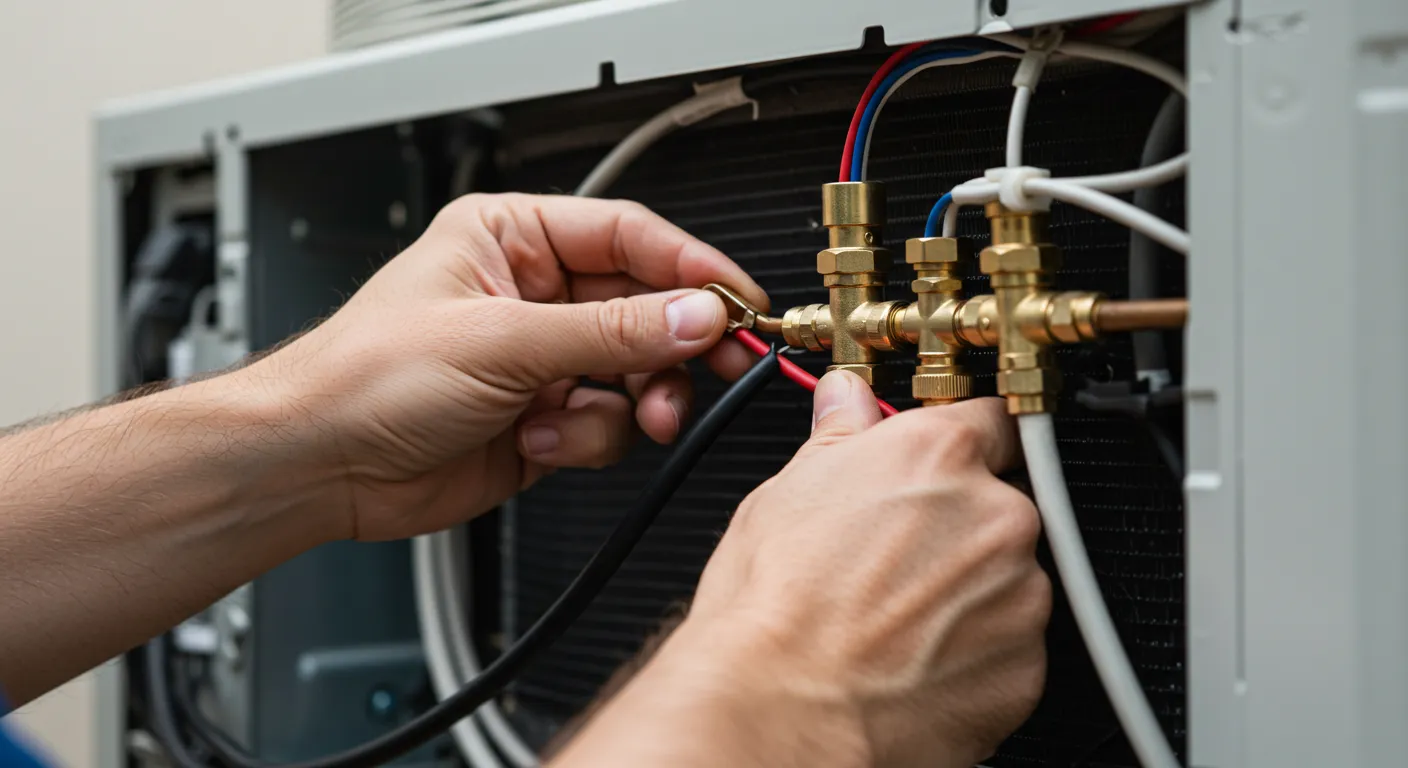
The Maintenance Process Step-by-Step
Understanding the workflow of a professional service call helps homeowners know what to expect. The process is designed to be thorough yet efficient, minimizing disruption to your day while maximizing the performance of your equipment.
- Arrival and Assessment: The technician arrives fully equipped and starts by discussing any specific concerns you have noticed, such as odd noises, warm spots in the house, or rising utility bills.
- System Shutdown and Safety Check: Power is safely disconnected to allow for hands-on inspection of internal components. Safety switches are tested to ensure they will shut the unit down in an emergency.
- Interior Inspection: The technician moves to the indoor air handler unit. Here, the focus is on the blower motor, the evaporator coil, and the filtration system. If filters are dirty, they are replaced or cleaned.
- Exterior Optimization: The focus shifts to the outdoor condenser. The cabinet is opened, debris is removed, and the coils are chemically cleaned if necessary. The compressor and fan motor are tested for electrical efficiency.
- Performance Testing: Once cleaning and adjustments are complete, the system is powered back on. The technician measures the temperature split (the difference between supply and return air) to verify cooling power.
- Reporting and Recommendations: You receive a detailed report of the system’s health. If a part is near failure, you are notified immediately with options for repair, rather than being surprised by a breakdown later.
Why Preventive Care Saves Money
Many homeowners view maintenance as an optional expense, but industry data suggests it is a necessary investment for financial protection. Operating an air conditioner in a humid subtropical climate places immense stress on the machinery. Without regular intervention, efficiency drops steadily each year.
The financial benefits of maintenance appear in three distinct ways:
- Lower Monthly Energy Bills: A clean system runs for shorter cycles to satisfy the thermostat setting. When coils are dirty, the unit runs longer to achieve the same cooling, driving up electricity usage.
- Extended Equipment Lifespan: Premature system failure is often caused by dirt and neglect. Regular maintenance can add several years to the life of your air conditioner, delaying the substantial cost of replacement.
- Warranty Preservation: Most major HVAC manufacturers explicitly state in their warranty terms that regular professional maintenance is required. If a compressor fails under warranty but there is no record of maintenance, the claim may be denied, leaving the homeowner with the bill.
Technicians at Accu-Temp Heating and Air Conditioning follow a rigorous checklist to ensure that every manufacturer requirement is met, protecting your warranty status and your wallet.
Identifying Common Cooling Issues Early
Regular servicing allows technicians to spot specific symptoms that indicate looming trouble. Addressing these issues during a scheduled visit is far less expensive than calling for emergency repairs on a weekend or holiday.
- Refrigerant Leaks: Low refrigerant is not normal; it indicates a leak. Catching a micro-leak early prevents the system from freezing up and protects the compressor from overheating.
- Worn Contactors: The contactor is the switch that turns the outdoor unit on. Over time, the electrical contacts become pitted and burned. If they stick, the unit may run continuously; if they fail to close, the unit won't run at all.
- Weak Capacitors: Capacitors provide the torque needed to start the motors. A weak capacitor forces the motor to pull excessive current, which generates heat and shortens the life of the motor.
- Clogged Condensate Lines: In humid environments, algae grows rapidly in the drain line. If the line blocks, water can overflow the drain pan, triggering a safety switch that shuts off the AC or, worse, causing water damage to ceilings and floors.
Repair vs. Replacement: Making the Right Choice
There comes a point in the life of every air conditioning system when repairs are no longer cost-effective. Deciding between another repair and a full system replacement involves weighing the age of the unit, the cost of the repair, and the system's efficiency history.
Consider these factors when facing a major repair decision:
- The 50% Rule: If the cost of the repair approaches 50% of the value of a new system, replacement is generally the smarter financial move.
- System Age: Air conditioners in Florida typically last 10 to 15 years due to the heavy workload and salt air. If your unit is over 10 years old and requires a major component like a compressor, investment in a new unit usually offers a better return.
- Refrigerant Type: Older units utilize R-22 refrigerant (Freon), which has been phased out and is incredibly expensive to source. If an R-22 unit develops a leak, it is almost always time to upgrade to a system that uses R-410A or newer refrigerants.
- Efficiency Ratings: Modern systems have much higher SEER (Seasonal Energy Efficiency Ratio) ratings than units built a decade ago. Installing a new high-efficiency unit can sometimes reduce cooling costs by 30% or more, helping the new system pay for itself over time.
Local Factors Affecting Your AC Performance
Operating an HVAC system in South St. Augustine presents unique challenges that are not found in drier or cooler climates. The combination of high heat, extreme humidity, and proximity to the ocean creates a harsh environment for mechanical equipment.
- Humidity Control: The primary job of an AC in this region is dehumidification. If a system is short-cycling (turning on and off too quickly) due to lack of maintenance, it cools the air but leaves the humidity high. This leads to a clammy indoor feeling and promotes mold growth.
- Salt Air Corrosion: Coastal salt air accelerates the corrosion of aluminum fins and copper tubing in the outdoor condenser. Regular rinsing and the application of protective coatings during maintenance visits are essential to prevent the unit from rotting out prematurely.
- Hurricane Season Preparation: From June to November, the threat of storms is real. Maintenance visits should include checking the tie-down straps or anchor bolts that secure the condenser to the concrete pad. Ensuring the unit is secure prevents it from becoming a projectile or tipping over during high winds.
- Building Permits and Regulations: When significant repairs or replacements are needed, local building codes must be followed. This ensures that electrical connections are safe, hurricane ratings are met, and the equipment is sized correctly for the home’s square footage and load calculation.
What Sets Professional Service Apart
Choosing a service provider involves looking for technical expertise and operational reliability. The difference between a quick "splash and dash" service and a professional tune-up lies in the details and the qualifications of the technician.
- Certified Technicians: Professional service requires certification. Technicians should be trained to handle refrigerants safely and diagnose complex electrical issues accurately.
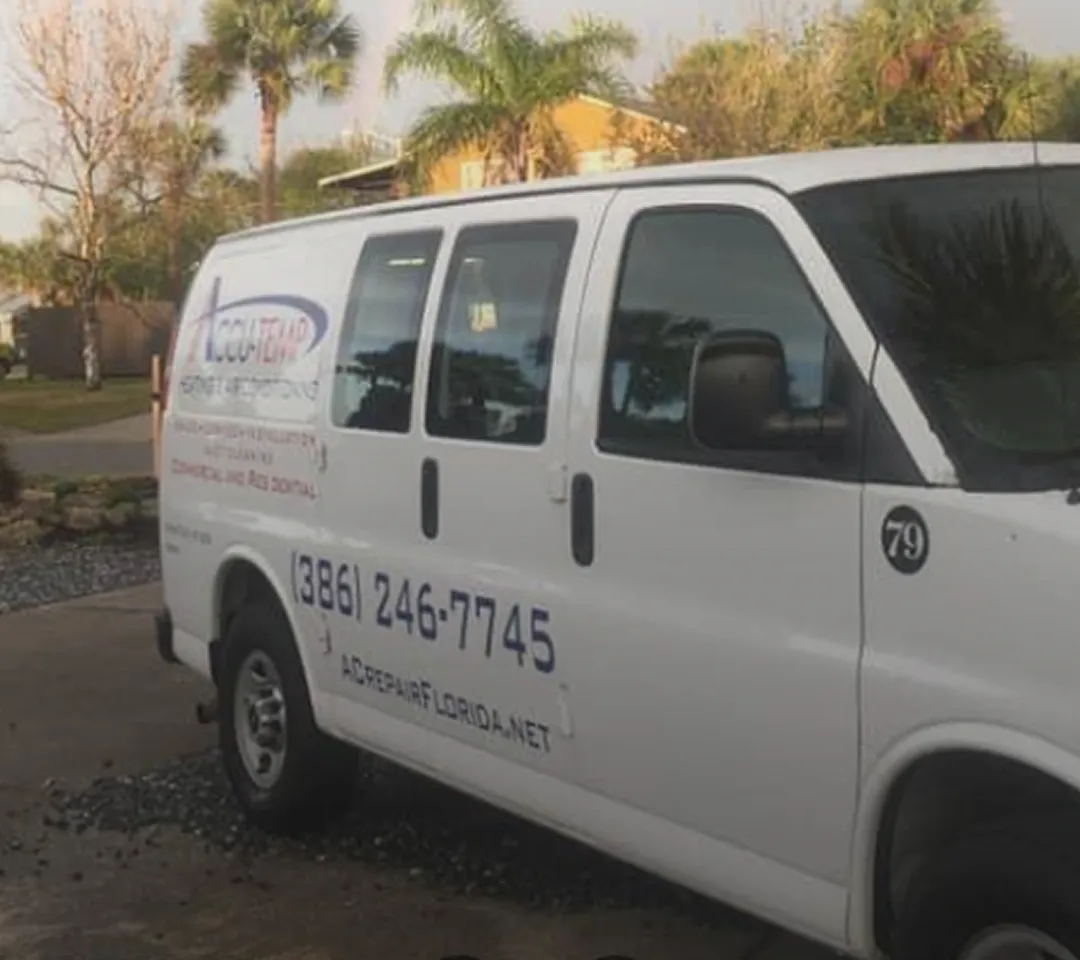
- Fully Stocked Trucks: Efficiency means fixing the problem on the first visit whenever possible. A professional service vehicle acts as a mobile warehouse, stocking common parts like capacitors, contactors, and fan motors to avoid waiting on supply houses.
- Transparent Communication: You should never be in the dark about what your system needs. A professional provides a clear explanation of findings, distinguishing between urgent repairs and recommended improvements, without aggressive sales pressure.
- Safety Protocols: HVAC systems involve high voltage electricity, high-pressure gases, and combustion (in the case of gas furnaces). Professionals adhere to strict safety protocols to protect your home and family during the service process.
Prioritize Your Comfort Today
Waiting until your air conditioner stops working to call for service often results in uncomfortable delays and higher costs. A proactive approach to cooling maintenance ensures that your home remains a sanctuary from the heat, regardless of the temperature outside. By addressing minor wear and tear now, you secure reliable performance for the season ahead.
Accu-Temp Heating and Air Conditioning is ready to help you maintain peak efficiency and comfort in your home.
Don't wait for a breakdown to think about your AC. Contact us today to schedule your comprehensive maintenance service.
Contact Us
Why Choose One Company for Everything?

Simplicity

Expertise

Savings
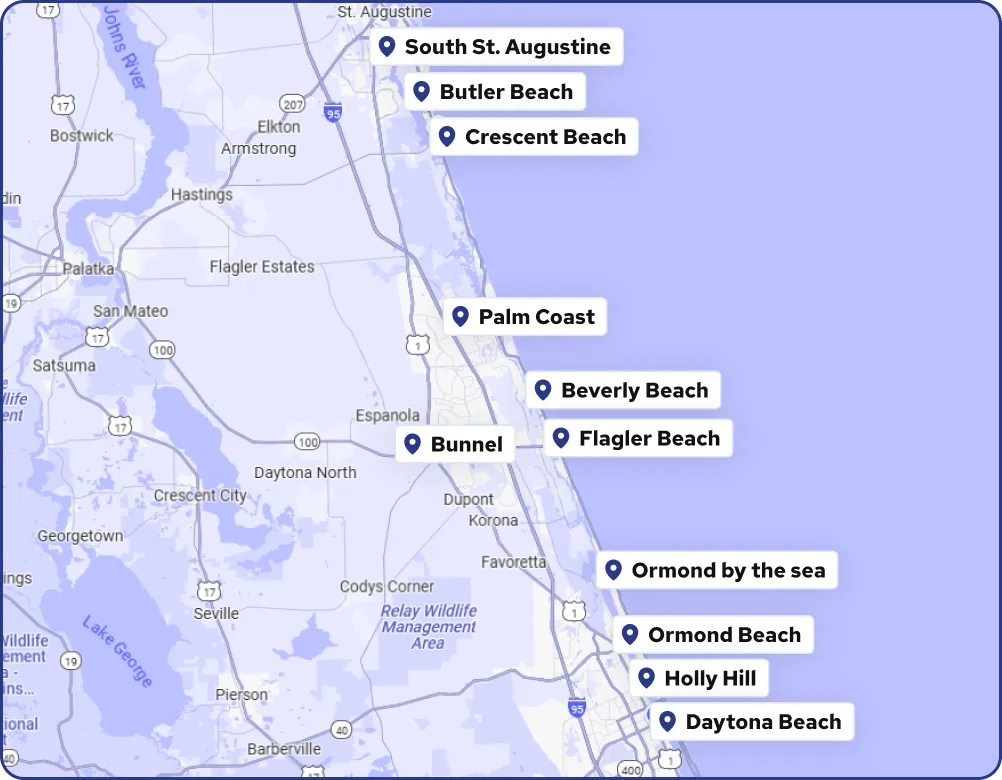
Service Areas