



Is Your Heat Pump Failing to Handle the Coastal Humidity?
Tired of fluctuating performance from your system during high humidity or stormy weather, leaving your home uncomfortable and your energy bills skyrocketing? It might be time for a specialized installation or replacement tailored for the unique coastal climate of Ormond by the Sea. Contact us today to schedule an assessment or inquire about our financing options.
- Ensure year-round efficiency with expert installation tailored to coastal conditions.
- Reduce energy costs with a system specifically optimized for high humidity and salt air environments.
- Experience rapid response and professional installations, minimizing downtime for your home.
Licensed technicians guarantee full compliance with local Volusia County codes, ensuring your investment is protected and permitted correctly.
What You Get With A Professional Heat Pump Replacement
When you invest in a new heat pump system, you are purchasing more than just a piece of equipment; you are securing the comfort and air quality of your home for the next decade. A modern heat pump installation addresses the specific load requirements of your property, ensuring that the system is neither undersized—which causes it to run constantly—nor oversized, which leads to short cycling and poor humidity control.
In the Ormond by the Sea area, equipment faces distinct environmental challenges. Standard installations often fail prematurely due to salt spray and corrosion. A professional replacement service includes the selection of units designed with coastal protection in mind, often featuring enhanced coil guards and corrosion-resistant coatings. The scope of work involves a comprehensive evaluation of your current ductwork to ensure it can handle the airflow of high-efficiency equipment. If the ducts are leaking or poorly designed, even the highest SEER-rated heat pump will fail to deliver the promised energy savings.
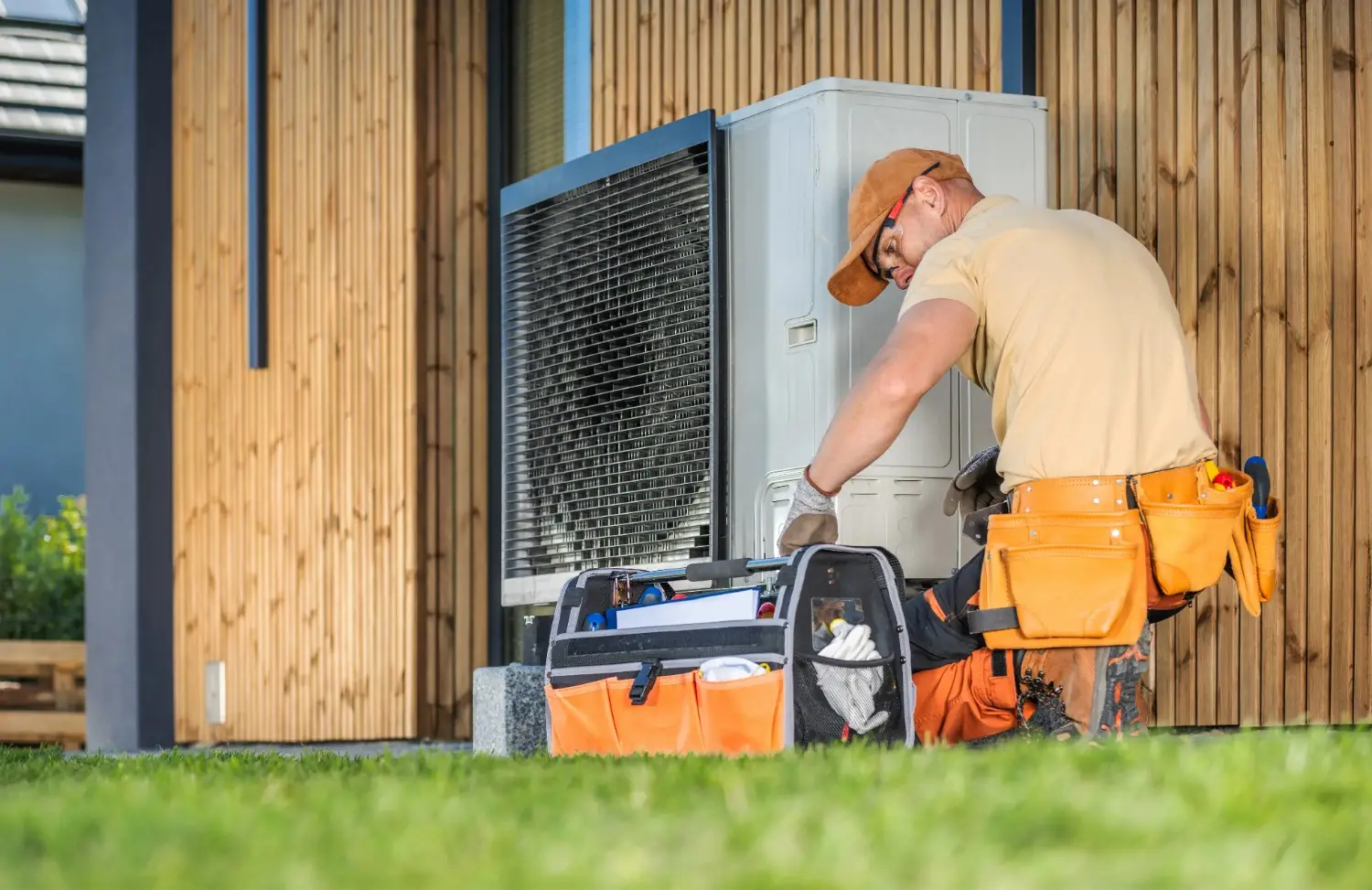
The replacement package typically includes the removal and environmentally safe disposal of your old unit. Refrigerant must be recaptured according to EPA regulations, and old metals are recycled. Following removal, the installation team prepares the site, often pouring a new concrete pad or reinforcing the existing one to meet hurricane wind-load standards. The focus remains on delivering a turnkey solution where the new system is integrated seamlessly with your existing electrical and thermostat controls or upgraded where necessary to support smart home technology.
Understanding the Installation Process
A proper heat pump installation follows a rigorous technical protocol. Skipping steps or rushing the process can reduce the system's efficiency by up to 30%. The process is designed to ensure the longevity of the equipment and the safety of your home.
- Load Calculation and Sizing: Before any equipment is ordered, a Manual J load calculation is performed. This calculation considers the square footage, insulation levels, window direction, and air leakage of your home. It determines exactly how much heating and cooling capacity is required. Guessing based on the size of the previous unit is a common error; home efficiency changes over time, and the original unit may have been sized incorrectly.
- Site Preparation and Protection: Technicians arrive prepared to protect your property. Drop cloths are placed in traffic areas, and safety zones are established around the outdoor unit location. The electrical disconnect is shut off, and the existing refrigerant is pumped out into recovery cylinders. This step is critical for safety and environmental compliance.
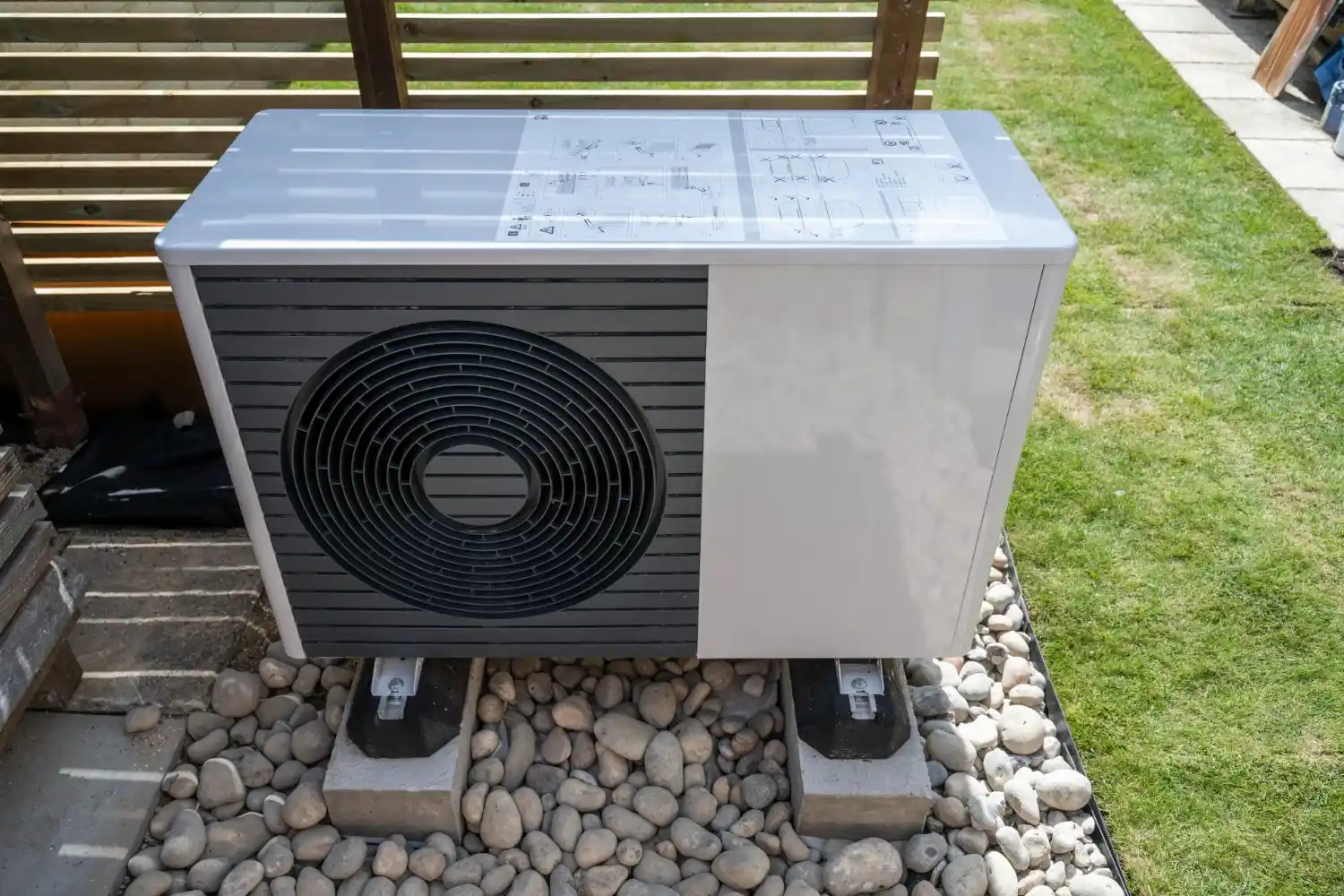
- Indoor and Outdoor Unit Installation: The installation happens concurrently inside and outside. The indoor air handler is positioned and sealed to the supply and return plenums. Simultaneously, the outdoor condenser is mounted on a hurricane-rated pad and strapped down according to local code requirements. This ensures the unit remains stable during the severe weather events common to the Florida coast.
- Refrigerant Line Set Connection: Copper lines connecting the indoor and outdoor units are brazed using nitrogen purging. This technique prevents oxidation inside the pipes, which can clog the sensitive valves of modern high-efficiency systems. Once connected, the lines are pressure-tested to ensure there are no leaks.
- Vacuum and Charging: A deep vacuum is pulled on the system to remove all moisture and non-condensable gases. Moisture inside the lines can freeze or mix with oil to form acid, destroying the compressor. After the vacuum holds, the system is charged with the precise amount of refrigerant specified by the manufacturer.
- Final Commissioning and Testing: The system is powered on, and technicians measure static pressure, airflow, and temperature splits. They verify that the auxiliary heat strips engage correctly and that the thermostat is communicating effectively with the heat pump. Accu-Temp Heating and Air Conditioning ensures that every operational parameter meets factory specifications before marking the job complete.
Deciding Between Repair and Replacement
Homeowners often struggle to determine whether to sink more money into an aging unit or invest in a new system. While repairs can solve immediate issues, they often act as a temporary bandage on a failing system. There are clear indicators when replacement is the more financially sound decision.
- The Age and Cost Formula: Industry professionals often use the $5,000 rule. Multiply the age of your equipment by the estimated cost of the repair. If the total exceeds $5,000, replacement is generally the smarter choice. For example, a 12-year-old unit requiring a $500 repair hits $6,000 on this scale, suggesting that the money would be better invested in a new system with a warranty.
- Refrigerant Type Availability: If your current system utilizes R-22 (Freon), repair costs will be exorbitant. R-22 has been phased out, and supply is strictly limited to reclaimed stock. A major leak in an R-22 system is usually a definitive signal to upgrade to a system using R-410A or newer, eco-friendly refrigerants.
- Compressor Failure: The compressor is the heart of the heat pump. If it fails after the warranty has expired, the cost of the part and labor often rivals the cost of a brand-new outdoor unit. Furthermore, a compressor failure often contaminates the lines with acid, meaning the rest of the system is compromised.
- Inability to Control Humidity: In humid climates, a heat pump does more than cool the air; it removes moisture. If your system runs for short bursts (short cycling) or runs constantly without lowering humidity levels, the compressor is likely losing compression or the coils are deteriorating. High indoor humidity can lead to mold growth and structural damage, making replacement a health priority as well as a comfort one.
- Rising Energy Bills: Heat pumps lose efficiency as they age due to coil corrosion and motor wear. If your usage habits haven't changed but your electric bill has increased significantly year over year, the system is working harder to provide the same amount of cooling. Modern systems with high SEER2 ratings can cut cooling costs by 20% to 40% compared to units installed a decade ago.
Local Factors Affecting Installation in Ormond by the Sea
Operating a heat pump in a coastal environment requires specific considerations that do not apply to inland properties. The proximity to the ocean introduces salt spray into the air, which is highly corrosive to aluminum and copper. Standard condenser coils can corrode within a few years if not properly protected.
- Corrosion Protection: Installations in this area should prioritize units with all-aluminum coils or specialized epoxy coatings. These features prevent the galvanic corrosion that causes leaks and fin degradation. Neglecting this factor significantly shortens the lifespan of the equipment.
- Hurricane Codes and Permits: Volusia County has strict building codes regarding wind resistance. Outdoor units must be anchored to concrete pads using specific tie-down kits approved for high-wind zones. Installations require a permit, and a final inspection by a county official is necessary to close the permit. This ensures the installation is safe and compliant with insurance requirements.
- Electrical Infrastructure: Many older homes in Ormond by the Sea may have outdated electrical panels. Modern heat pumps, particularly those with variable-speed compressors, require clean power. An installation project may need to include an assessment of the circuit breakers and wiring gauge to ensure they can handle the amperage of the new unit safely.
- Heating During Cold Snaps: While cooling is the priority, the region does experience occasional freezing temperatures. Heat pumps lose efficiency as the temperature drops. A proper installation ensures that the auxiliary heat strips are sized correctly to take over the heating load when the outdoor temperature dips below the heat pump's balance point, ensuring comfort is never interrupted.
Why Technical Expertise Matters for Long-Term Performance
The reliability of a heat pump system is determined more by the quality of the installation than the brand on the box. A top-tier unit installed poorly will underperform a mid-range unit installed perfectly. The difference lies in the details: the brazing technique, the evacuation of the lines, and the precise airflow adjustments.
Experienced technicians understand the nuances of airflow dynamics. If the ductwork is not balanced, certain rooms will remain hot while others freeze. Adjusting dampers and ensuring the return air is sufficient are critical steps that prevent the blower motor from overheating. Furthermore, proper drainage design is essential. In a high-humidity environment, a heat pump generates gallons of condensate water daily. If the drain lines are not properly pitched and trapped, water can back up, triggering safety switches that shut down the system or causing water damage to the home's interior.
Accu-Temp Heating and Air Conditioning focuses on the technical precision required to combat the harsh coastal elements. From selecting the right location for the outdoor unit to shield it from prevailing winds to calibrating the thermostat for optimal humidity control, every decision is made to maximize the lifespan of the system.
Secure Your Comfort and Efficiency Today
Waiting until your system suffers a catastrophic failure often leads to rushed decisions and higher costs. A planned replacement allows you to select the unit that best fits your specific needs and budget, rather than settling for whatever is immediately available. By choosing a professional installation, you ensure that your home remains cool, dry, and energy-efficient, regardless of the weather outside.
Take control of your home’s climate and stop overpaying for inefficient operation. Reach out to our team now to discuss your heat pump replacement options and secure a system designed to last.
Contact Us
Why Choose One Company for Everything?

Simplicity

Expertise

Savings
Service Areas