




Is Your Heat Pump Failing to Combat the Florida Heat and Humidity?
A compromised heat pump struggles against the humid subtropical climate common in Ormond by the Sea, leading to significant discomfort and spiking energy costs when you need cooling the most. Contact us today or inquire about our financing options to restore your system’s performance immediately.
Your heat pump is the heart of your home’s defense against sweltering summers and damp winters. When it falters, you risk more than just a warm house; you risk skyrocketing utility bills and permanent system damage. Accu-Temp Heating and Air Conditioning provides the technical expertise required to diagnose and resolve performance issues before they require a full system replacement.
- Same-day troubleshooting availability to quickly address unexpected heat pump emergencies.
- Comprehensive coil cleaning and maintenance to prevent salt air corrosion and airflow blockages.
- Transparent pricing structures with flexible financing options to ease budget concerns regarding repairs.
All maintenance services meet strict industry standards and align with local permit requirements for warranty protection.
Comprehensive Heat Pump Maintenance: What to Expect
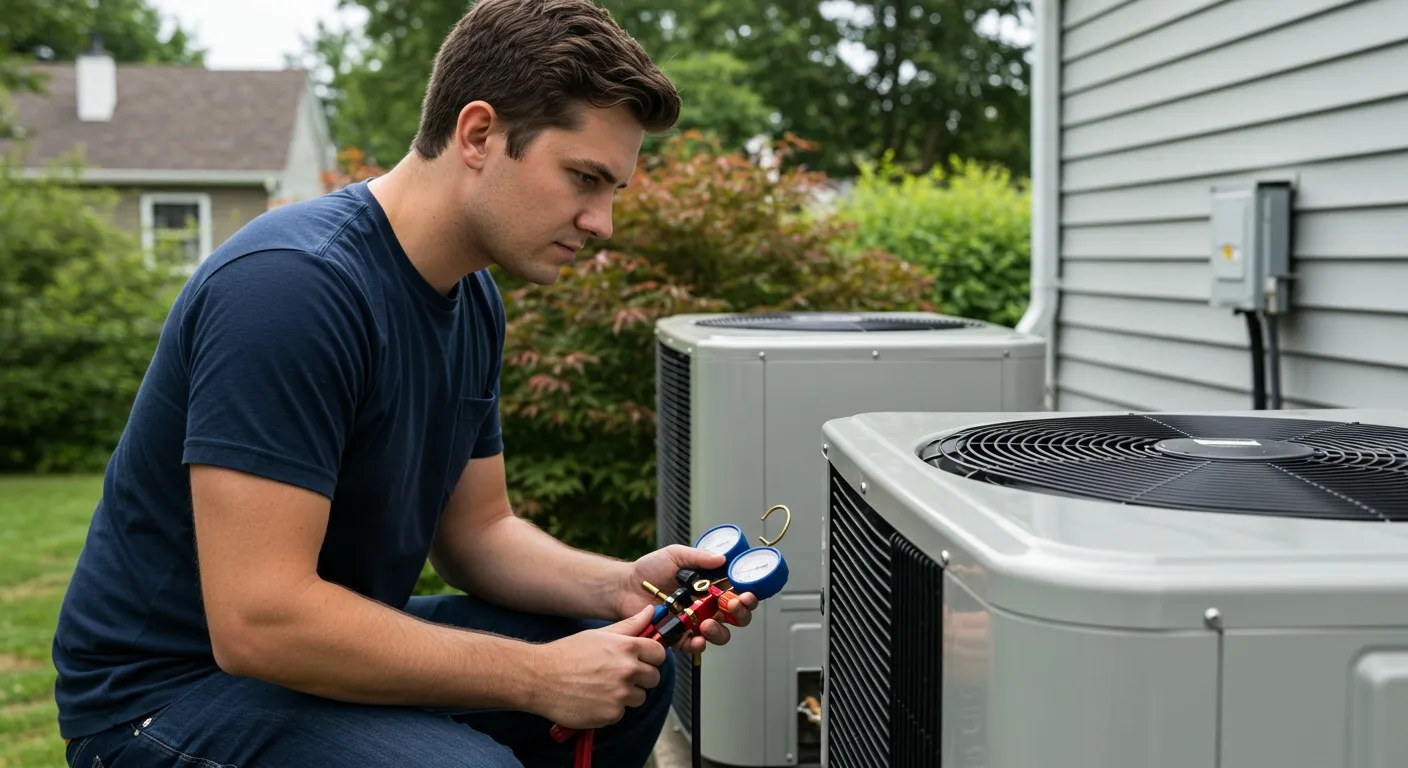
Effective maintenance goes beyond a simple filter change. In coastal environments like Ormond by the Sea, your equipment faces unique challenges, including salt spray and intense humidity. A professional tune-up involves a rigorous inspection of the entire refrigerant cycle and electrical system to ensure the unit operates at peak efficiency.
- Electrical Component Inspection: Technicians inspect all electrical connections for tightness and signs of wear. Loose connections can cause dangerous overheating or intermittent operation. The service includes checking the voltage and amperage on motors to ensure they are drawing the correct amount of power. The capacitor, which helps start the motors, is tested for proper microfarad ratings. A weak capacitor is a leading cause of compressor and fan motor failure.
- Refrigerant Charge Verification: The heat pump relies on a precise amount of refrigerant to transfer heat effectively. If the levels are too low, usually due to a micro-leak, the system will run longer to achieve the desired temperature, driving up electricity usage. If levels are too high, it puts unnecessary strain on the compressor. Technicians measure superheat and subcooling to verify the charge is exact, ensuring the system cools and heats effectively.
- Airflow and Coil Cleaning: Airflow is critical for a heat pump. The outdoor coil (condenser) and indoor coil (evaporator) must be free of debris. In this region, salt accumulation on the outdoor coil can lead to rapid corrosion and reduced heat transfer. The maintenance process involves chemically cleaning these coils to remove dirt, salt, and grime. This step alone can significantly improve energy efficiency. Additionally, the blower motor wheel is inspected for dust buildup, which can unbalance the fan and damage the bearings.
- Drain Line Flush and Treatment: The dehumidification process creates condensate water that must drain away from the unit. In humid climates, these drain lines act as breeding grounds for algae and mold, creating clogs that trigger water damage sensors or cause overflow. The service includes flushing the condensate line and adding treatment tablets or solution to inhibit future biological growth, protecting your home from water damage.
The Systematic Maintenance Workflow
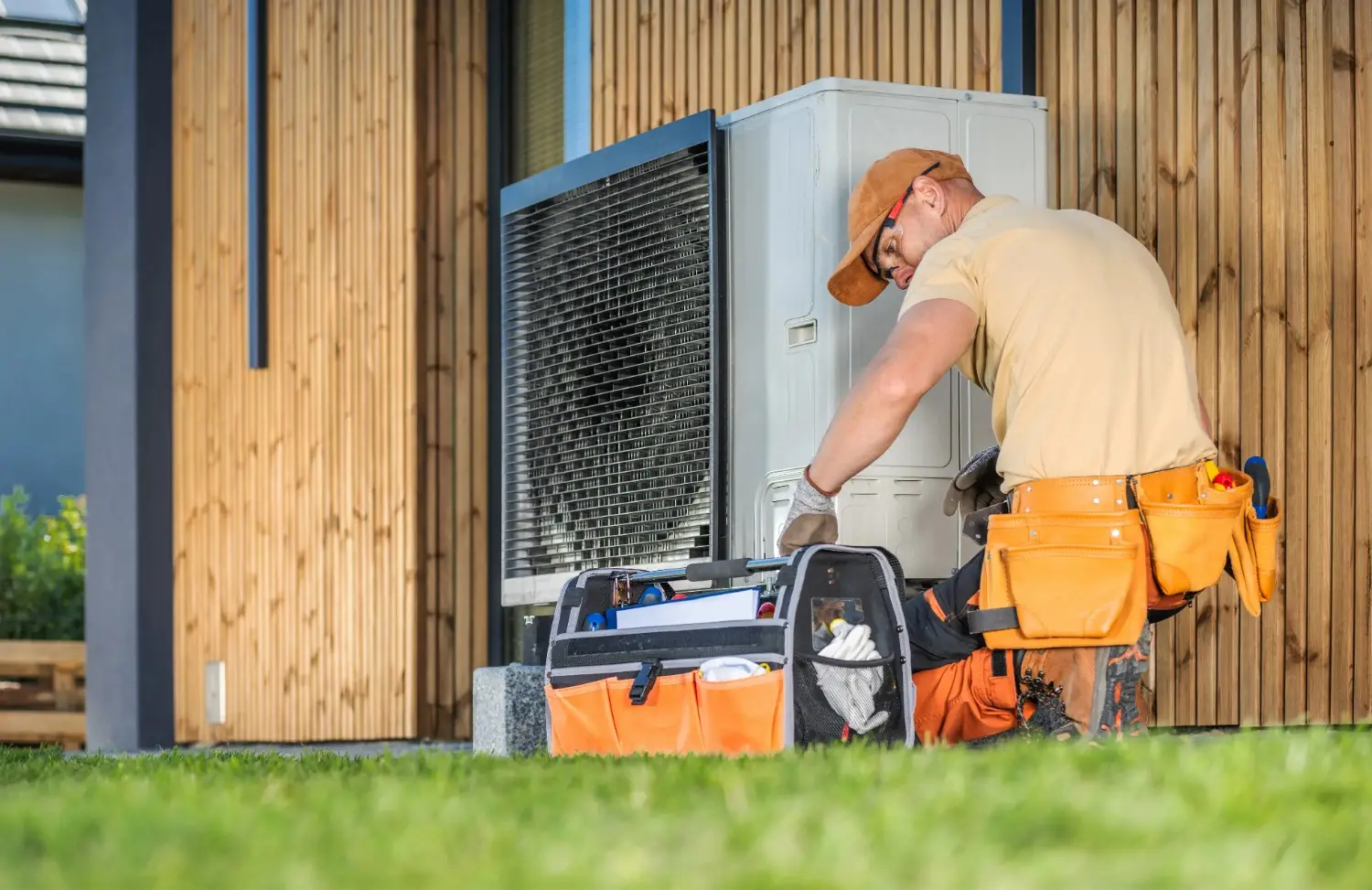
Our approach to heat pump maintenance follows a strict protocol designed to uncover hidden issues and optimize performance. We do not skip steps or rely on guesswork. Every action taken during the service visit is calculated to extend the life of your equipment.
- Initial Performance Run: The process begins by running the system in both heating and cooling modes to establish a baseline. Technicians listen for unusual noises and monitor the thermostat’s response time.
- Safety Control Testing: Safety switches, such as high-pressure and low-pressure limits, are tested to ensure they will shut the system down if damaging conditions occur.
- Reversing Valve Check: The reversing valve is what distinguishes a heat pump from a standard air conditioner. It switches the flow of refrigerant to allow for heating. Technicians verify this valve shifts smoothly and fully sits in the correct position.
- Lubrication: Moving parts, particularly older fan motors that are not permanently sealed, require lubrication to reduce friction and prevent overheating.
- Thermostat Calibration: The thermostat is checked to ensure it reads the indoor temperature accurately. Even a few degrees of variance can result in the system running excessively.
- Defrost Cycle Test: During cooler months, the outdoor unit may frost over. The defrost control board and sensors are tested to ensure the unit can melt this ice efficiently without staying in defrost mode too long.
- Final Report and Recommendations: Once the physical work is done, the technician provides a detailed status report. This includes photos of any worn parts, readings of electrical measurements, and specific recommendations for any immediate repairs needed to prevent a breakdown.
Repair vs. Replacement: Making the Right Financial Decision
Homeowners often face the difficult choice between repairing an aging unit or investing in a modern, high-efficiency system. While maintenance can extend the life of a heat pump, there is a mathematical tipping point where repair is no longer the most economical option.
- The 50% Rule: A general guideline used in the industry is the 50% rule. If the cost of the repair approaches or exceeds 50% of the value of a new system, replacement is generally the wiser investment. This is particularly true if the existing unit is out of warranty, as parts and labor costs will be fully out-of-pocket.
- Age and Frequency of Breakdown: Heat pumps in Florida typically last between 10 to 15 years due to the heavy workload. If your unit is over 10 years old and requires major repairs—such as a compressor replacement or a new reversing valve—putting money into it may be a temporary fix. Frequent breakdowns, even if minor, signal that the system is reaching the end of its reliable lifespan.
- Efficiency Considerations (SEER2 Ratings): Older units likely have a much lower SEER (Seasonal Energy Efficiency Ratio) rating than current models. Moving from a 10 SEER unit to a modern 15 or 18 SEER2 system can result in substantial monthly savings on electricity. If your current energy bills are rising despite regular maintenance, the internal wear on the compressor and coils has likely degraded efficiency to the point of no return.
- Refrigerant Type: If your older system utilizes R-22 refrigerant, you are facing a significant issue. R-22 has been phased out, and the cost to acquire it for repairs is exorbitant. If an R-22 system develops a leak, replacement is almost always the only financially viable option, as retrofitting these units for new refrigerants is rarely successful or cost-effective.
Local Operations: Navigating Coastal HVAC Requirements
Operating a heat pump in Ormond by the Sea presents specific challenges that inland locations do not face. The proximity to the Atlantic Ocean introduces salt spray into the air, which accelerates the oxidation of metal components. Aluminum fins on condenser coils are particularly vulnerable. Without regular rinsing and protective coatings, these coils can disintegrate, leading to refrigerant leaks and total system failure.
- Electrical Grid and Storm Surges: This area is served by Florida Power & Light (FPL). During the summer storm season, frequent lightning strikes and power fluctuations can send surges through the electrical grid. Heat pumps contain sensitive electronic control boards. We highly recommend and inspect surge protection devices on the outdoor disconnect box to sacrifice themselves rather than your expensive compressor or inverter board during a voltage spike.
- Permitting and Code Compliance: When significant repairs or replacements are necessary, adherence to local building codes is mandatory. The local municipality requires permits for system change-outs to ensure safety and efficiency standards are met. This includes verifying the wind load anchoring of the outdoor unit. In hurricane-prone areas, the condenser must be strapped or bolted down to a concrete pad to prevent it from becoming a projectile during high winds.
- Humidity Management: The high ambient humidity in this region means your heat pump acts as a dehumidifier for a large portion of the year. If the system is short-cycling (turning on and off too quickly) due to being oversized or dirty, it will cool the air without removing moisture. This leaves the home feeling clammy and promotes mold growth. Proper sizing and maintenance ensure the unit runs long enough to pull moisture out of the air effectively.
Why Technical Expertise Matters for Heat Pumps
Heat pumps are more complex than standard air conditioners because they operate year-round and contain reversing mechanisms. A technician must understand both the cooling cycle and the heating cycle, as well as the auxiliary heat strips that act as a backup during extreme cold snaps. Improper wiring of these heat strips can cause them to run simultaneously with the cooling mode, leading to massive energy bills.
Accu-Temp Heating and Air Conditioning technicians undergo continuous training to stay updated on the latest heat pump technology, including variable-speed inverters and communicating systems. We understand that a "one size fits all" approach does not work for diagnostics. We utilize advanced digital gauges and thermal imaging to identify hot spots in electrical panels and restrictions in refrigerant lines that manual tools might miss.
- Diagnostic Precision: Many "freon leaks" are misdiagnosed. A system that appears low on refrigerant might actually have a restriction in the metering device or a lack of airflow. Simply adding more refrigerant to a system with an airflow problem can destroy the compressor. We verify the root cause before implementing a solution, ensuring that you are paying for the correct repair, not a guess.
- Air Quality Focus: Because the heat pump circulates the air you breathe, the condition of the blower compartment is vital. Dust, pet dander, and mold spores can bypass cheap filters and accumulate on the blower wheel. This biological matter gets redistributed throughout the home every time the fan kicks on. Our maintenance includes a visual inspection of these areas to advise on indoor air quality improvements, such as higher MERV-rated filtration or UV light integration.
- The Value of Routine Care: Neglecting maintenance on a heat pump is the fastest way to void the manufacturer's warranty. Most manufacturers require proof of annual maintenance by a licensed professional to honor parts warranties. By keeping up with scheduled service, you protect your investment and ensure that if a part fails due to a defect, the manufacturer covers the cost of the component.
Secure Your Comfort and System Longevity
Delaying maintenance on your heat pump leads to compounded issues, from reduced capacity during the hottest days of the year to complete mechanical failure. The combination of salt air, high humidity, and intense electrical storms in Ormond by the Sea requires a proactive approach to HVAC care. Regular professional attention ensures your system removes humidity effectively, maintains consistent temperatures, and operates at the lowest possible energy cost.
Don't wait for the system to stop working entirely before seeking professional help. Ensure your home remains a sanctuary from the heat and humidity. Contact Accu-Temp Heating and Air Conditioning today to schedule your comprehensive heat pump service and secure reliable comfort for your home.
Contact Us
Why Choose One Company for Everything?

Simplicity

Expertise

Savings
Service Areas